

-
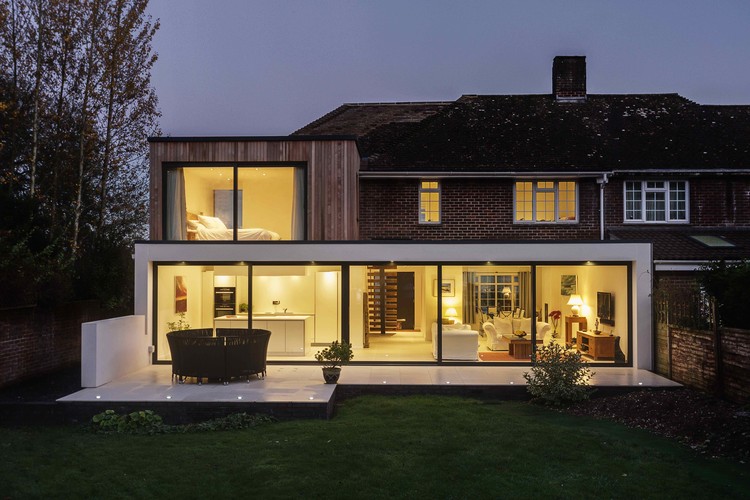
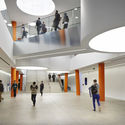
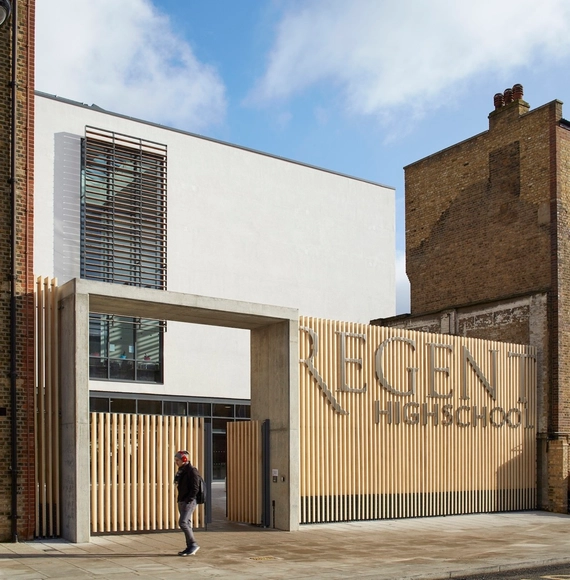
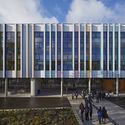
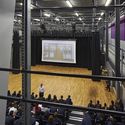
Architects: Walters & Cohen Architects
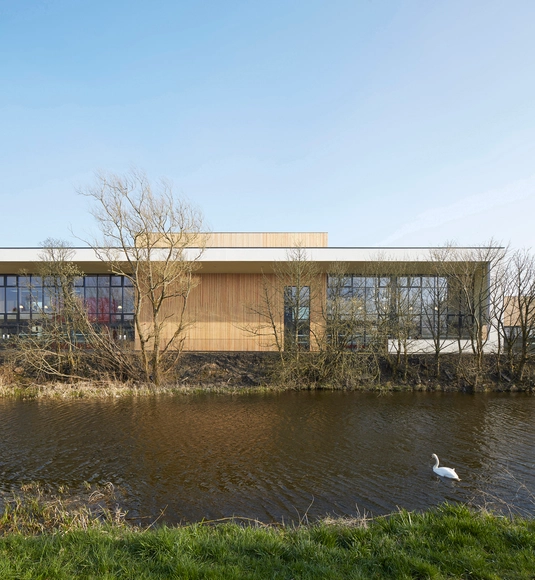
- Year: 2014
-
Manufacturers: Contrasol


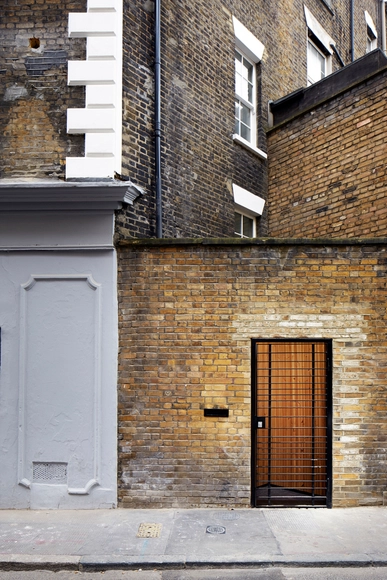
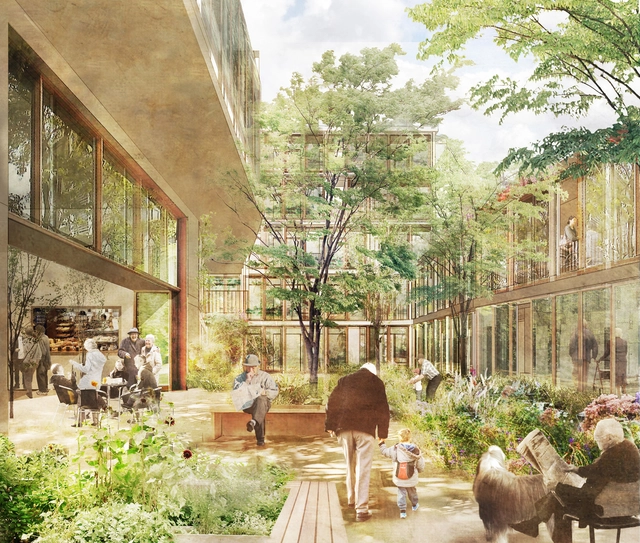
Witherford Watson Mann Architects, in collaboration with writer Ken Worpole, has unveiled their design for an almshouse for the elderly in Bermondsey, London. Located on the site of a vacant, post-war nursing home, the 6,152 square meter space will serve the United St Saviour’s Charity, as an independent living accommodation for around 90 residents.

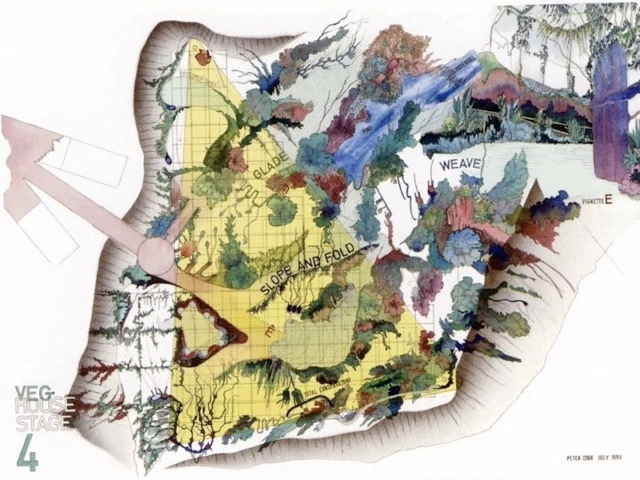
For architects, drawing is a thinking process. Sketching by hand onto paper without having any predetermined built form in mind is often the springboard for new hypotheses. With the rise of digital representation in architecture, has the computer superseded the hand in the exploration of ideas?
.jpg?1452262709&format=webp&width=640&height=580)
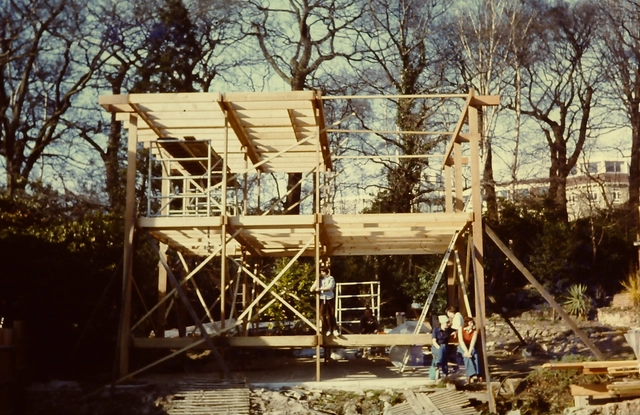
Presenting the work of the revolutionary architect Walter Segal, Walter’s Way – The Self-Build Revolution focuses on Segal’s work with the Lewisham self-builders of the 1980s and displays the application of Segal’s method today. Housed in and around a newly constructed section of a Segal house, from which visitors can experience the fundamental elements of the style, are original drawings, documents and furniture designed by Segal alongside archival films and photographs, plus contemporary photographs by Taran Wilkhu and a new interpretation of Segal’s technique by 2015 Turner Prize winner Assemble.

For architects, drawing is a thinking process. Sketching by hand onto paper without having any predetermined built form in mind is often the springboard for new hypotheses. With the rise of digital representation in architecture, has the computer superseded the hand in the exploration of ideas? This RIBA London seminar sees Professor Sir Peter Cook (co-founder of Archigram, director of CRAB Studio) and Professor Marcos Cruz (Bartlett) discuss the boons and limitations of digital representation in architecture, and the hybrid possibilities of using both in tandem.
_MOMA.jpg?1451989017&format=webp&width=640&height=580)
A new exhibition, opening later this month in London, aims to examine the varying ways that cities and communities have been re-imagined in the aftermath of natural, or man-made, disasters. Including work by Yasmeen Lari, ELEMENTAL, OMA, Shigeru Ban, NLÉ, Toyo Ito, Metabolism (Kenzo Tange and Kurokawa Kisho) and Sir Christopher Wren, who redesigned London in the aftermath of the Great Fire of 1666, the exhibition will primarily explore contemporary responses to earthquakes and tsunamis. Posing questions about the fragility of architecture, our relationship to nature, and the power of architects to instigate change, it will ask whether we are facing a paradigm shift in the way that cities and communities recover from destruction.
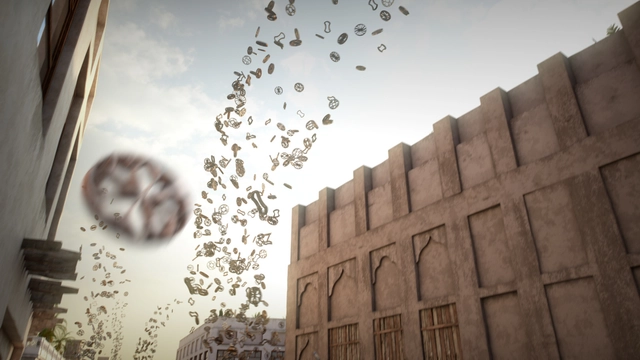
Increasingly, more architecture professionals are breaking into the world of film, learning digital animation and design skills to engage non-specialists, as well as their peers. Architect-trained Kibwe Tavares, co-founder of creative studio Factory Fifteen, will explore the ways architects and designers can use digital representation to encourage imaginative thinking through a combination of architecture and film.
























.jpg?1452261277 "Courtesy of Squire and Partners")
.jpg?1452263435 "Courtesy of Squire and Partners")
.jpg?1452261303 "Courtesy of Squire and Partners")
.jpg?1452261559 "Courtesy of Squire and Partners")
.jpg?1452262709)