Architect, urbanist, and Content Editor at ArchDaily, covering news and developments in architecture and the built environment. Editorial work focuses on the Gulf region and the Middle East, exploring contemporary regional architectural languages and their relationship to local contexts.
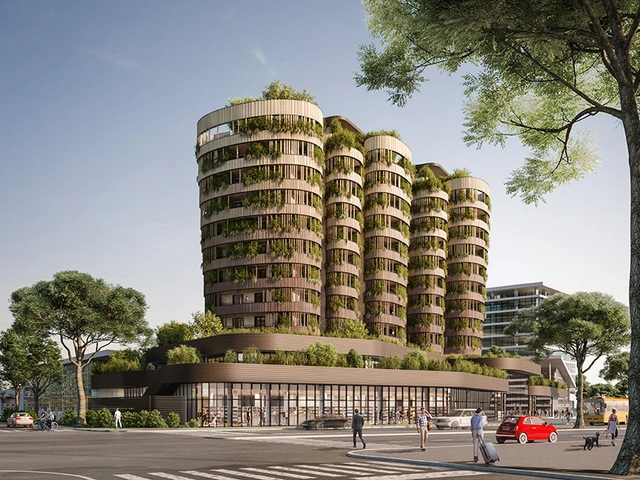
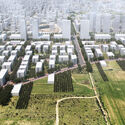
Mario Cucinella Architects has unveiled the design for the new Piazza dei Navigatori in Rome, Italy. Planned as a mixed-use development, the design is predominantly for residential spaces, with a retail and office component, parking, and "plant rooms". The development is located in an area rich in natural elements, which heavily inspires this urban agglomeration.
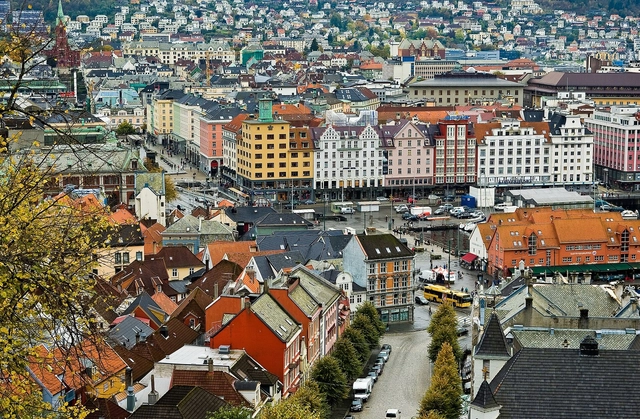
Five finalists have been shortlisted in the competition to design the new Griegkvartalet Theater in Bergen, Norway. The project is set to be a cultural powerhouse in Western Norway, hosting multidisciplinary forms of art, including opera, musical theater, ballet, dance, concerts, and conferences. The competition emphasizes integration with the surroundings, urban space, energy efficiency, and feasibility.
The shortlisted teams include Henning Larsen Architects, Snøhetta, Zaha Hadid Architects, MAD arkitekter and Kengo Kuma, and the Nordic Office of Architecture includes Arkkitehtitoimisto ALA in the architecture subjects. Each studio was selected from 32 participants worldwide and will be filtered into three winners in the coming stages in the fall of 2023. Ultimately, by March 2024, one winner will be selected and receive the official service contract to begin construction.
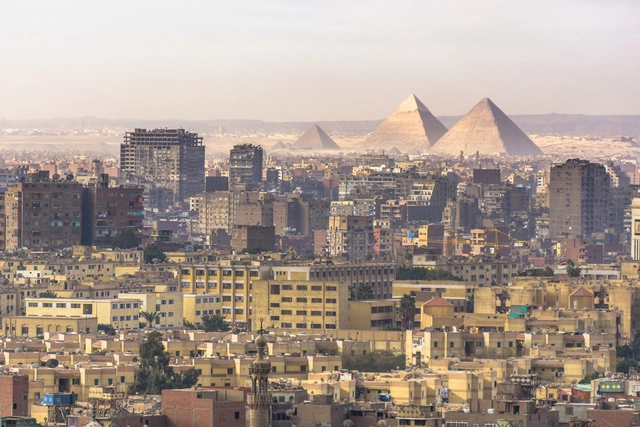
Cairo,Egypt's vibrant capital, is a unique synthesis of both historical and contemporary architecture. One of the most populated cities in Africa, this busy urban agglomeration has a long, rich history and is home to nearly 20 million people. Apart from the infamous Great Pyramids of Giza and the Sphinx, which have attracted tourists for ages, the city has been a melting pot of cultures, histories, and built environments alike.
The city of Cairo has witnessed many different eras, each characterized by unique architectural styles. After the Ancient Egyptians, the Islamic Period saw the birth of iconic buildings like the Mosque of Ibn Tulun and the Mosque of Sultan Hassan. These were followed by the Mamluk Period, during which structures such as the Al Rifai Mosque and the Mosque Madrassa of Sultan Barquq were constructed, boasting exquisite stone carvings, towering minarets, and intricate decorative motifs. The Ottoman era brought its own landmarks, including the Mosque of Muhammad Ali and the Citadel of AlQalaa. In the late 19th and 20th centuries, Cairo experienced an influx of European architectural styles due to colonial influences. This resulted in the construction of notable structures such as the Cairo Opera House and the Cairo Tower.
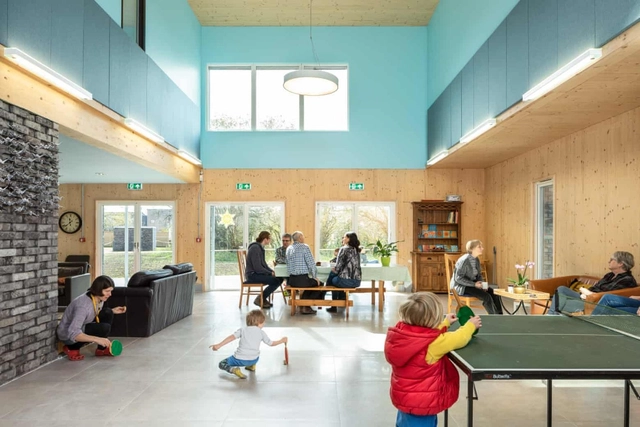
Courtesy of David Butler | Marmalade Lane Cohousing development
The International Day of Cooperatives is a celebration of the cooperative movement, which takes place annually on the first Saturday of July. In 1992, the United Nations General Assembly established it a national day, celebrating the cooperative movement worldwide with yearly themes. The cooperative movement is an association focused on achieving common goals and addressing collective communal needs. Cooperatives believe in community development at their core, prioritizing people and supporting local communities to improve their well-being. Moreover, the co-living models that have been adapted from it have become an enormous success over the past few decades, providing a form of cost-effective social housing. The cooperative structure redefines how people live, work, play, and collaborate. This year's theme is “Cooperatives: Partners for accelerated sustainable development.”
As cooperative principles continue to be injected into built environments today, the concept has created different models of co-op housing, leading to co-living. Over the past years, established European awards have celebrated co-living and architecture studios and developers worldwide have designed different models exploring co-living. The articles and projects selected in this article address what it means to live together, work together, and form healthy communities in this day and age.
Courtesy of Abeer Seikaly | Photo by Hussam Da’na.
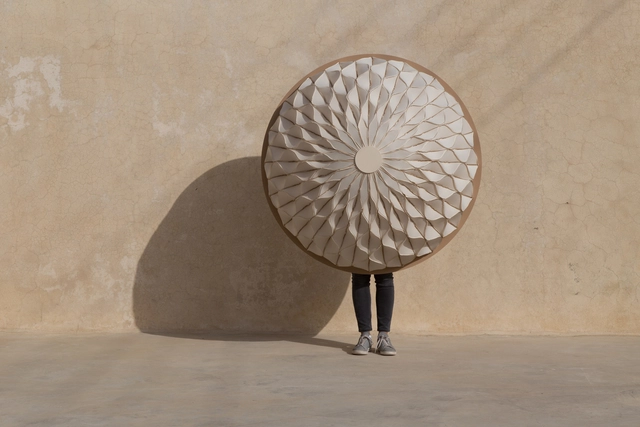
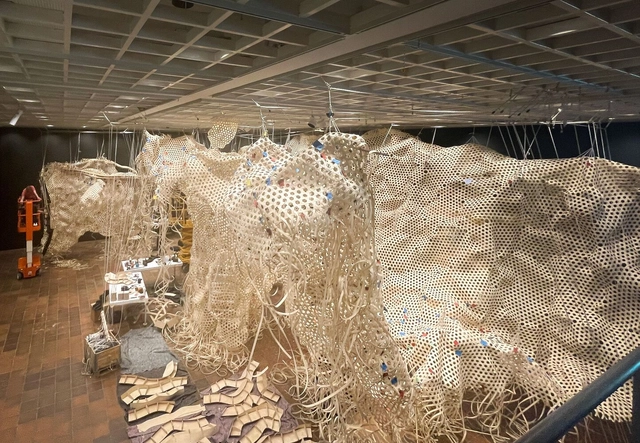
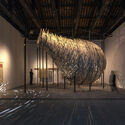
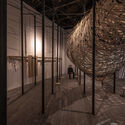
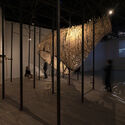
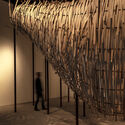
A group of 31 architects, studios, and designers have been invited to participate in the Sharjah Architecture Triennial from 11 November to 10 March 2024. For its second edition, the Triennial aims to explore innovative design solutions emerging from conditions of scarcity in the Global South. The participants, representing 27 countries, offer a diverse and international response to the theme, addressing its implications for the future of architecture. The Triennial is curated by Tosin Oshinowo and revolves around the theme "The Beauty of Impermanence: An Architecture of Adaptability."
The final installment of The Architect's Studio series at the Louisiana Museum of Modern Art showcases the works of Cave_bureau, an architectural studio from Kenya. The exhibition explores the volcanic caves of Kenya, emphasizing the concept of "reversed futurism." Cave_bureau believes that by studying the past, they can develop sustainable solutions for the future.
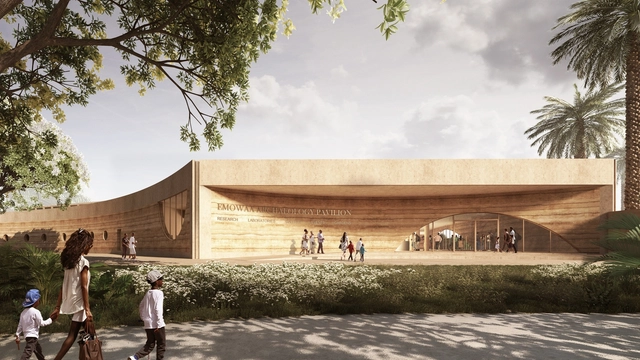
The Museum of West African Art (MOWAA) has just unveiled a 20-acre project for a Creative District in the historic center of Benin City in Edo State, Nigeria. MOWAA, in collaboration with Adjaye Associates, is planning to establish a comprehensive environment dedicated to the artistic and cultural realms of the past, present, and future. The space provides support and collaboration opportunities for young professionals in the creative and cultural fields while also fostering partnerships with institutions throughout West Africa. At the heart of the project is the Creative District’s role in contributing to economic growth and development.
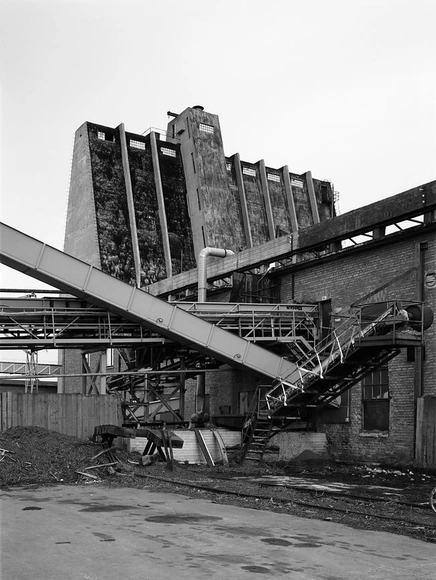
Oulu City Council has approved the AALTOSIILO restoration proposal by Skene Catling de la Peña. The concrete structure will be restored and reimagined as a multi-media performance, exhibition space, and “Tar Bar.” The 525 sqm Silo used to be used for storing woodchips and will now become a digitized communication point to connect the building with its surroundings. Now nearing its 100th anniversary, the proposal aims to at least double its lifespan.
Memorium Nürnberger Visitor Center. Image Courtesy of Sebastian Brunke
Public spaces are the beating heart of our cities. They act as the hubs of social and cultural activity where people congregate, interact, and escape the clamor of the city. These areas are crucial in determining a city's identity, character, and citizens' well-being and standard of living. Public spaces can define our communities and significantly impact how we live, work, and interact with one another through their architectural designs, facilities, and activities. Furthermore, they provide leisure, exercise, and recreation opportunities, allowing individuals to escape the confines of their daily routines and connect with nature.
This week's curated selection of Best Unbuilt Architecture highlights projects submitted by the ArchDaily community showcasing different proposals made to enhance public space. Ranging from reimagining central squares to placing massive land art in the urban epicenter, these public spaces enhance the quality of life for the city's locals. In Germany, the redesign of the entire Memorium Nürnberger Trials reimagines this as a place to come together, grounded in its history, while in Havana, the new Cuban Square reimagines the metaphor of unity in the city center. The design and accessibility of public spaces significantly impact our well-being and quality of life. Thoughtfully planned and inclusive spaces with seating, greenery, and pedestrian-friendly infrastructure can promote physical activity, mental health, and community engagement in a city.
Studio KO’s curation of the Uzbekistan Pavilion for the Venice Biennale is based on research, curiosity, workshopping, and experimenting with the senses. For over two years, the studio has worked alongside the Arts and Cultural Development Foundation, designing the Center for Contemporary Arts and their initiatives to restore and rehabilitate vernacular houses, transforming them into artist residencies. While exploring the 18th International Architecture Exhibition onsite in Venice, ArchDaily had the chance to speak with the founders of Studio KO, Karl Fournier, and Olivier Marty, curators of Uzbekistan National Pavilion. Their exhibition for this year’s theme, “The Laboratory of the Future,” focuses on the country’s rich heritage as a potential tool and inspiration for developing a more sustainable future.
Pihlmann Architects is a young Copenhagen-based architectural run by Søren Pihlmann. In this interview with Louisiana Channel, the rising architect elaborates on his unique practice, the values he holds, and what he finds fascinating about architecture. Most notably, Pihlmann explains that his view on the practice has transformed from being an architect into becoming a type of curator, selecting very few things with great sensitivity.
Videos
Courtesy of Atrium Ljungberg | White Arkitekter
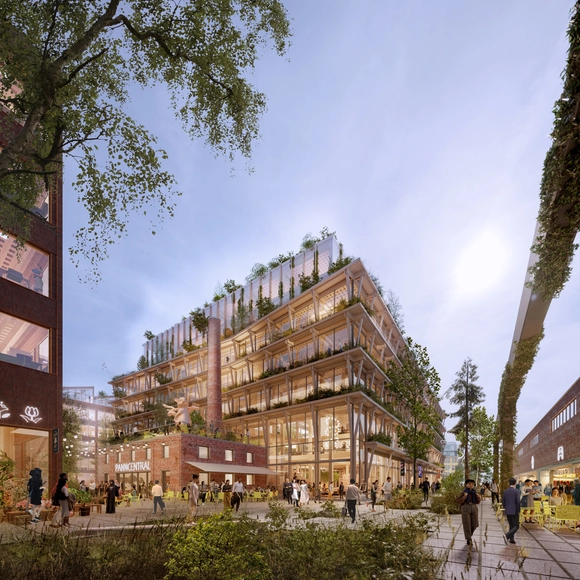
Atrium Ljungberg has just revealed Stockholm Wood City – the world's largest urban construction project in wood. Construction on the project is expected to begin in 2025, and the first buildings are expected to be completed in 2027. The initiative is a demonstration of Swedish sustainability.
The largest wood-building project in the world is now in progress, covering an impressive 250,000 square meters. The project sets a sustainable example for the real estate market, which is essential because built structures contribute a sizeable 40% of the world's CO2 emissions. Furthermore, Stockholm Wood City is set to become a turning point in sustainable architecture and urban planning. Situated in Sickla, southern Stockholm, this innovative neighborhood will offer an additional 2,000 houses and 7,000 business spaces. By merging workplaces, homes, neighborhoods, dining establishments, and retail spaces, it aims to create a vibrant and dynamic urban environment.
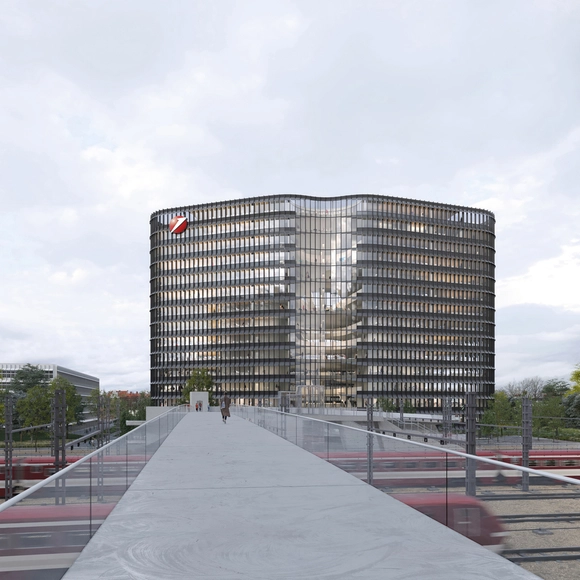
Sauerbruch Hutton has won the competition for Headquarters 2 (HQ2) for the Haidenauplatz Quarter in Munich. This high-rise building will be the focal point of the newly developing Haidenauplatz district in Eastern Munich. Serving as HypoVereinsbank's second central location, it will stand alongside the iconic Hypo high-rise from the 1970s in the neighboring Bogenhausen district. The design by Sauerbruch Hutton and landscape architect MDP Michel Desvigne Paysagiste was chosen from a pool of nine other international participants.
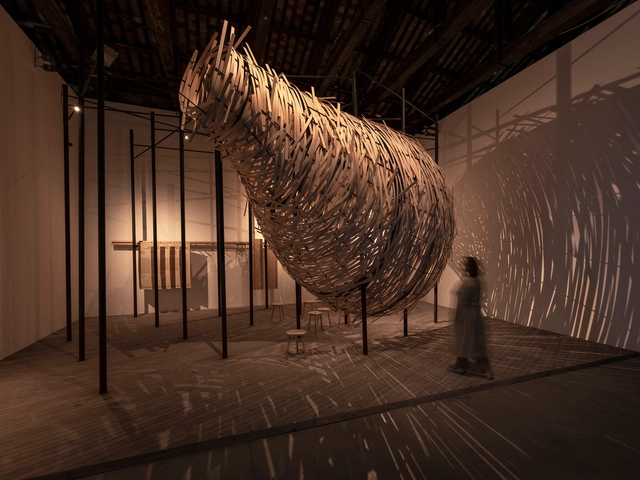
The Croatian Pavilion at the Venice Architecture Biennale 2023 celebrates the harmonious coexistence of the wild and domesticated, natural and man-made, and inanimate and living elements. Modeled after the Lonja Wetlands in Croatia, where communities that have adapted to the continuously shifting landscape have coexisted harmoniously for generations to create a dynamic habitat, the Pavilion is a hub for ongoing research into potential futures through educational experimentation and practice. The exhibition was curated by Mia Roth and Tonči Čerina, in collaboration with their design team: Luka Fatović, Vedran Kasap, Ozana Ursić, Niko Mihaljević, and Ivica Mitrović .“Same As It Ever Was” places a focus on the connections among actors from various backgrounds around the world.
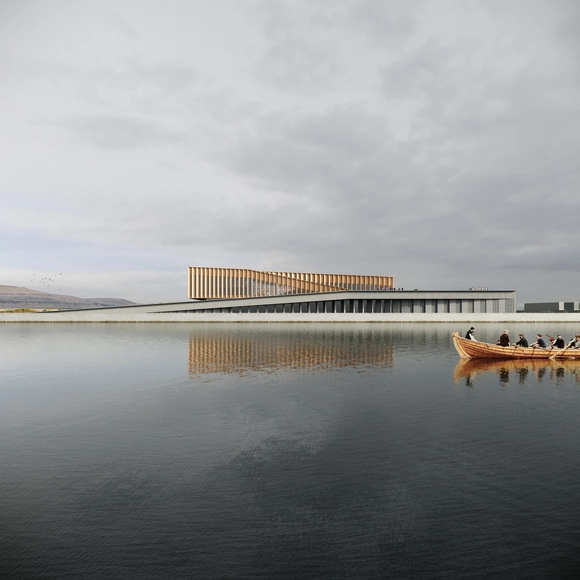
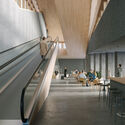
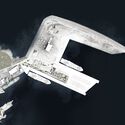
Henning Larsen has just revealed the design for Smyril Line's new headquarters and ferry terminal in Torshavn, the capital of the Faroe Islands. The building pays homage to traditional Faroese fishing boats and the historic Eastern harbor while embracing the picturesque backdrop of abundant landscapes and open seas. The new headquarters serves three functions: a ferry terminal, an office building, and a logistics center.
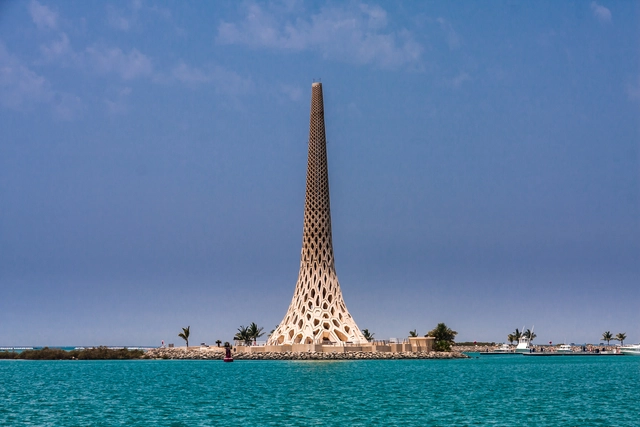
An arid environment refers to specific regions characterized by a severe lack of available water and extremely dry weather conditions. More specifically, arid regions by definition, receive less than 25 centimeters of rain per year. In the immense vastness of arid environments, where extreme climates present significant challenges, the role of water in architecture takes on a new dimension.
For centuries, architects and designers dealing with harsh desert landscapes and the vital necessity of water have invented techniques, technologies, and new structures. Moreover, many creative approaches have been created to harness, collect, and cool water in arid environments.
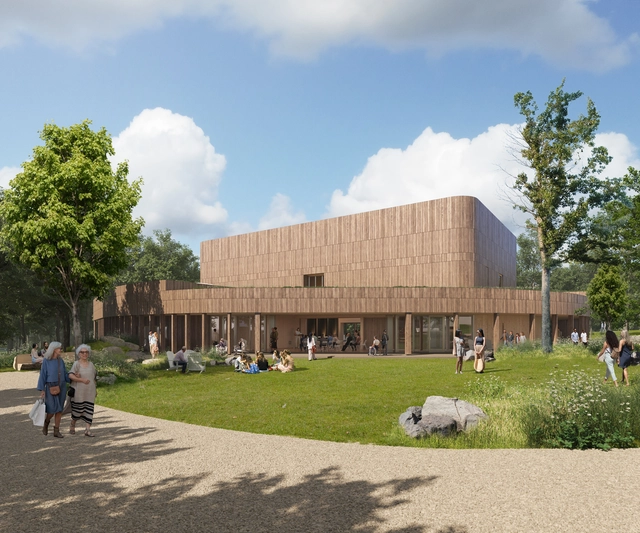
Rendering depicts a ground-level view of the planned new Doris Duke Theatre, viewed from a perspective right outside the Perles Family Studio. The new building will feature two lobbies with sliding doors, which will create multiple entrances and exits to the building. The lobby on the west side of the new Duke is visible in this image. Image Courtesy of Mecanoo Architects and Marvel
Jacob's Pillow has revealed its plans for the redesigned Doris Duke Theater, which will be built on the original site of the theater that was destroyed by a fire in November 2020. Mecanoo, based in the Netherlands and led by Creative Director and Founding Partner Francine Houben, has taken on the role of lead architect for the new building project, collaborating with Marvel, based in New York and led by Jonathan Marvel, who serves as the project's architect of record and landscape architects.