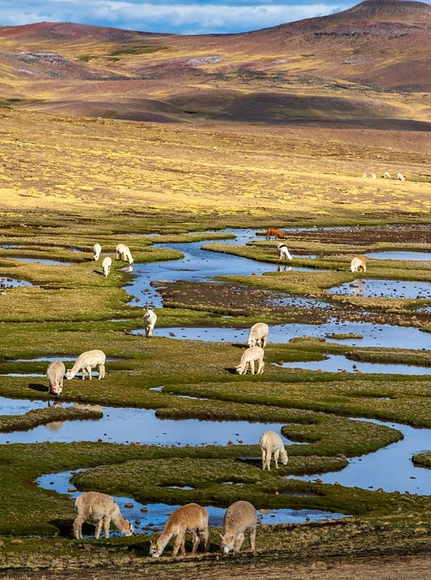
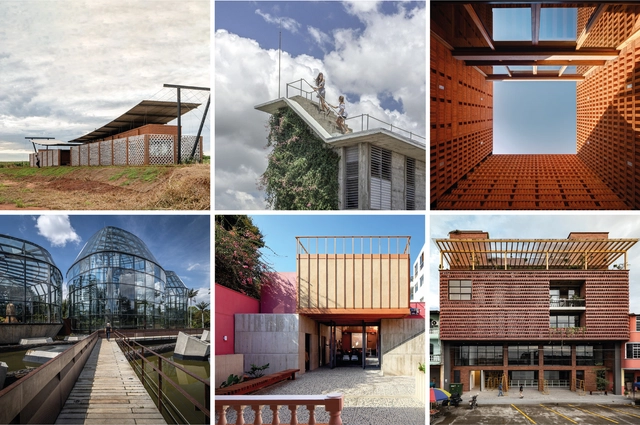
In the highlands of the Central Andes, one finds the "bofedales." Known by some as 'high Andean wetlands,' bofedales are ecosystems and landscapes crucial for water regulation and storage in the Andes. Moreover, they are natural infrastructures that constitute a material and immaterial heritage to address contemporary climate crises and to sustain local Andean communities, which have nurtured them for generations.
https://www.archdaily.com/1012952/bofedales-natural-infrastructures-and-andean-landscapesDiego Vivas
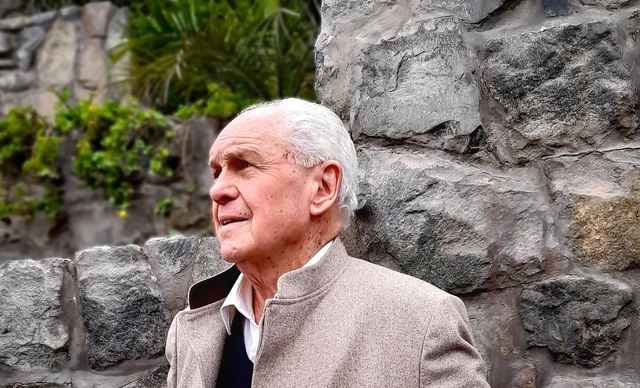
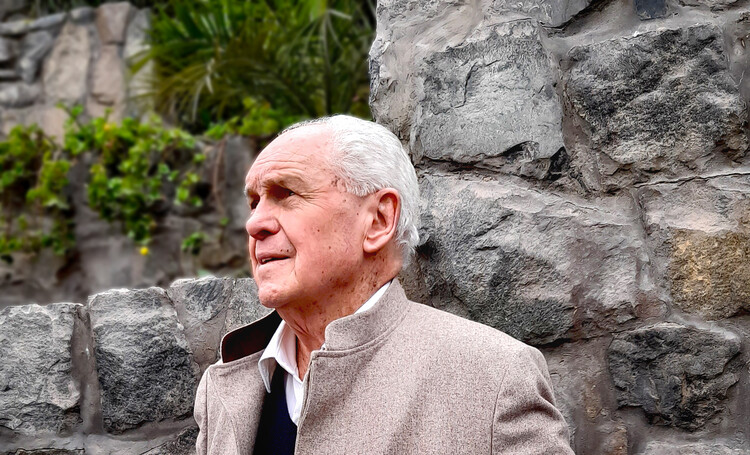
With an air of simplicity and wisdom, engineer Julio Vargas Neumann welcomes us. His two dogs accompany us as we descend after the necessary ascent to enter, and we are also accompanied by the stone walls defining the lot. We sit down and begin - or continue - the interview and conversation regarding the value of 'shicras', local materials, and earth construction. We also discuss criticisms of cement, aluminum, and steel, as well as perspectives on the future of materials in Peru and the world. Likewise, we delve into the long-neglected and recurrent rural problem in South America, discussing the inexorable need to change paradigms and priorities.
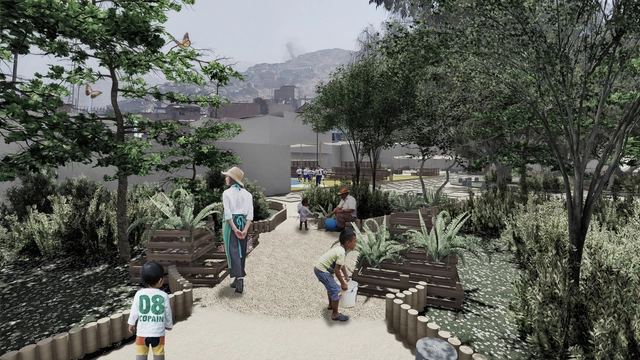
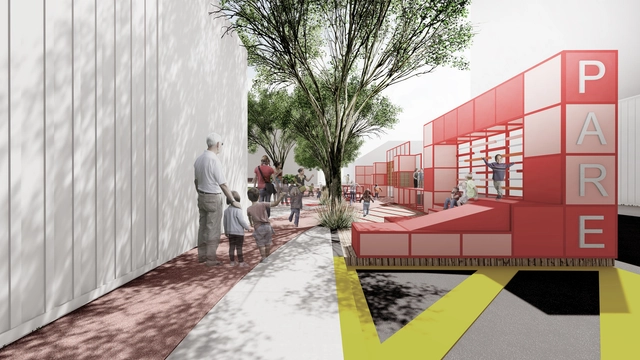
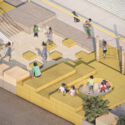
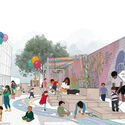
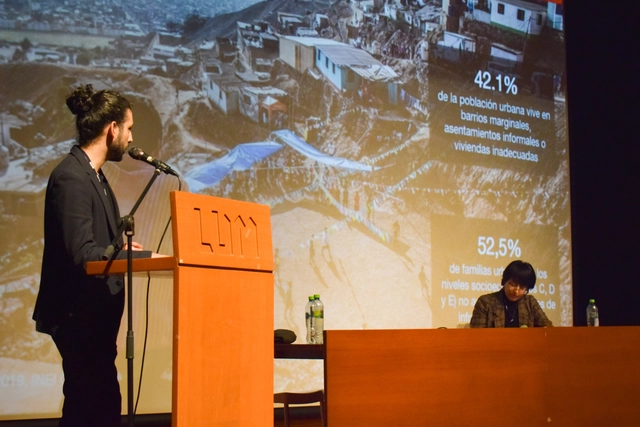
The "Public Spaces in the City of Hope" competition in José Carlos Mariátegui - San Juan de Lurigancho has announced its winners. Promoted by the CENCA Urban Development Institute in partnership with Ocupa tu Calle, the initiative is part of the project "Promoting sustainable, fair, and participatory social and environmental transformation processes on the hillsides of San Juan de Lurigancho, Lima, Peru," led by CENCA and supported by the German Ministry and the "City of Hope" institutional strategic proposal.
https://www.archdaily.com/1136031/2-public-space-projects-in-ciudad-de-la-esperanza-san-juan-de-lurigancho-limaDiego Vivas
Equipo Pilares, puntales y vigas. Image Cortesía de Colegio de Arquitectos del Perú - Regional Lima
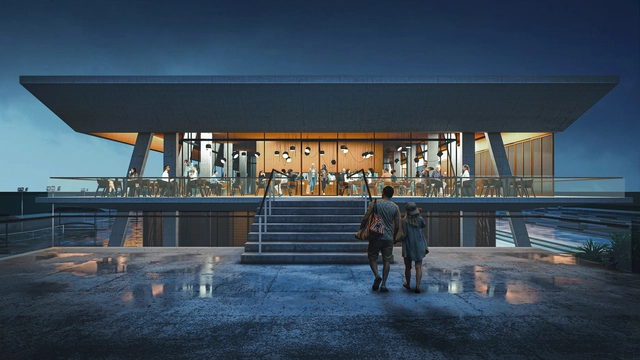
The awards ceremony for the Preliminary Design Competition for the expansion of the Country Club Villa – Chorrillos branch in Lima has taken place. The Lima Region of the Peruvian Association of Architects was invited by the institution to organize the competition, the first to be held following the guidelines of the National Competition Regulations. With 489 registered proposals, 48 formal submissions, 3 finalists, and 2 honorable mentions, the competition sought to provide the institution with design proposals for its new gym, restaurant, and service areas, in line with the club's requirements and high standards of architectural quality.
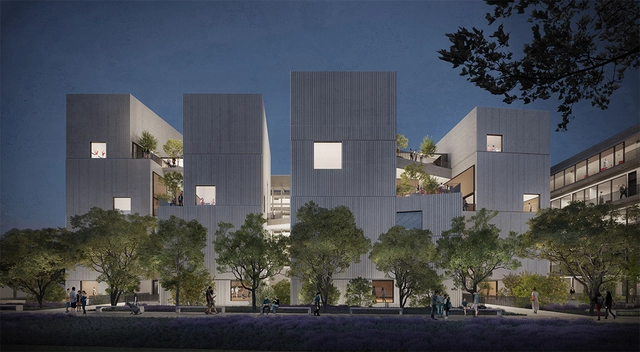
The winning proposal for the construction of the new infrastructure for the Faculty of Performing Arts at the Pontificia Universidad Católica del Perú (PUCP) has been announced. The project will be designed by the prestigious architecture firm Barclay & Crousse. The new building aims to centralize Performing Arts activities on the PUCP campus and strengthen a sense of community by bringing theater, performing arts creation and production, music, and dance together in an integrated space for learning where the architecture itself becomes a stage and a landscape for education.
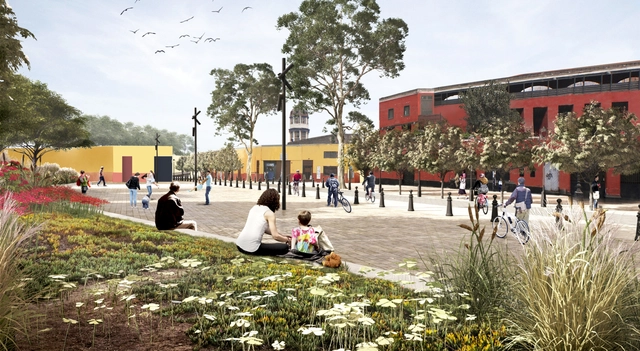
Vista de parterres inclinados y mobiliario urbano propuesto para la Plazuela de Acho, como antesala a la Plaza de Toros de Acho. Image Cortesía de Equipo Río Rímac, PROLIMA
Within the context of the comprehensive recovery of the Historic Center of Lima, the Rímac River Special Landscape Project (PEPRR) is developing a proposal for the regeneration of the iconic Alameda and Plazuela de Acho. This project—together with the other 50 interventions proposed in the PEPRR master plan—aims to spark a multidimensional recovery of the riverfront and heritage environment, while simultaneously defending and strengthening the civic qualities of Lima's public spaces through a systemic approach that coordinates mobility, the urban environment, heritage, and landscape.
https://www.archdaily.com/1132068/new-alameda-and-plazuela-de-acho-in-lima-other-futures-for-the-historic-landscape-of-rimacDiego Vivas
The Center for Architecture and City Research (CIAC) at the PUCP Architecture Unit announces the inauguration of the second edition of its annual research event, "Peru as a Project: From Territory to Housing," which aims to disseminate and discuss the research currently being developed by the Unit. The seminar seeks to bring together diverse stakeholders from civil society, the public and private sectors, and subject matter experts to strengthen collaborative ties, provide feedback on ongoing research, and promote future developments, applications, and partnerships, with the goal of ensuring that this research influences the development of our cities and territory.
https://www.archdaily.com/1051200/peru-as-a-project-from-territory-to-housingDiego Vivas
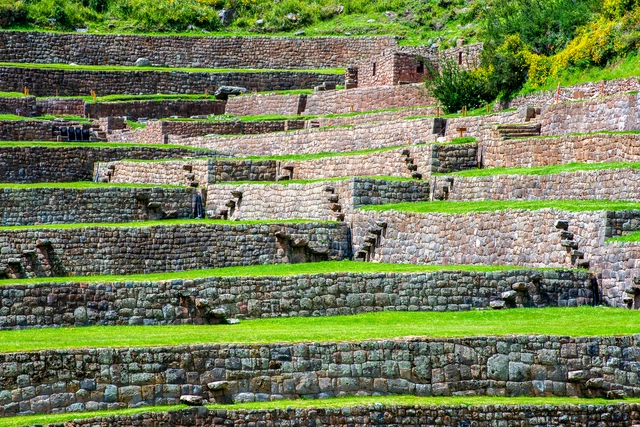
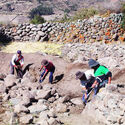
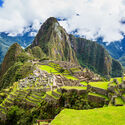
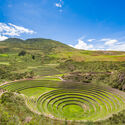
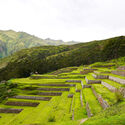
In sloped topographies, factors such as rainfall and excess water promote surface runoff, triggering a series of impacts that lead to the loss of soil, water, nutrients, and seeds, consequently reducing agricultural productivity (Posthumus, 2005). In Andean mountain environments, this is compounded by water scarcity and variability, alongside the challenges of water retention (Canziani, 2007). To address these challenges, territorial transformations and modifications known as terraces and andenes emerged, representing some of the oldest infrastructural practices for soil and hydrological conservation and management. Their physical presence, productive use, and cultural relevance remain vital in many parts of the world today.
Cortesía de Alejandro Merino Guerrero, Gianella S. Díaz Castañeda
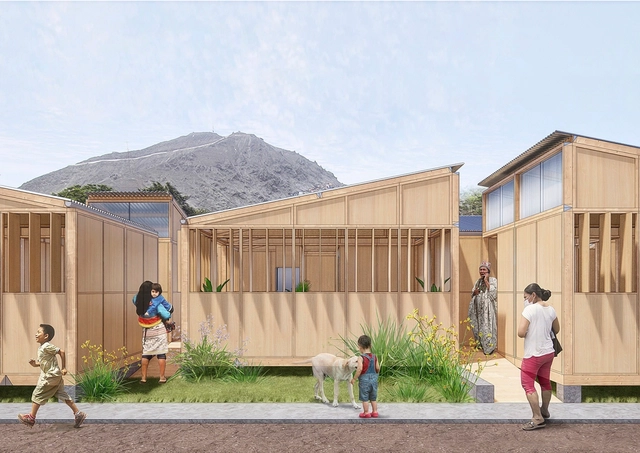
Within the framework of the project "Inclusive Preparation, Effective Response: Strengthening community preparedness and protection systems through an inclusive and gender-sensitive approach in the communities of the Cantagallo area in Lima," developed by the consortium of Plan International, COOPI - Cooperazione Internazionale, and Humanity Inclusion, the studio Arquitectura del Medio, led by Alejandro Merino and Gianella Díaz, seeks to implement a demonstration project in the Shipibo-Konibo Community of Cantagallo in the district of Rímac, Lima, taking environmental considerations and replicability into account.
https://www.archdaily.com/1131842/conibox-emergency-housing-module-for-the-shipibo-konibo-community-in-limaDiego Vivas
Yesterday marked the opening of the seventh International Festival of Urban Interventions in Lima, Peru. The opening day featured a series of events at the Lugar de la Memoria, aiming to shape the agenda, stimulate public debate, and highlight diverse efforts from multiple fronts striving to build a better city for everyone.
https://www.archdaily.com/1132137/fiiu-7-urban-intervention-festival-opens-in-limaDiego Vivas
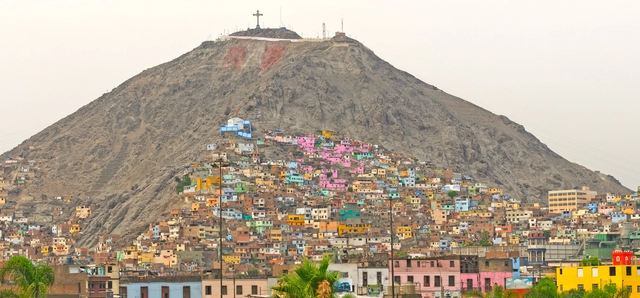
Cerro San Cristóbal, Lima - Peru. Via Shutterstock
"Lima La Impostergable" (Lima, Unpostponable) is an initiative by the Lima Regional Chapter of the College of Architects of Peru. It aims to establish a roadmap for priority issues to be addressed by the 2023–2026 municipal administration of Metropolitan Lima and Callao, built through a platform of citizen engagement.
https://www.archdaily.com/1132414/lima-the-unpostponable-a-roadmap-for-the-2023-2026-administrationDiego Vivas
This November, REDBAAL will mark its first decade of activity, a milestone celebrated alongside four editions of the Oscar Niemeyer Award for Latin American Architecture (ON Award). Over these years, more than 350 projects have been submitted, all of which share the distinction of having been previously recognized at the most prestigious architectural biennials across Latin America.
https://www.archdaily.com/1132501/discover-the-20-finalist-projects-of-the-2022-oscar-niemeyer-award-for-latin-american-architectureDiego Vivas
We are meeting again! After two years away from in-person events, we are thrilled to announce the seventh edition of our International Festival of Urban Interventions (FIIU). Presentations, discussions, and activities in various public spaces, along with exchanges on topics such as Neighborhoods & Culture, Active Mobility, Management and Planning, the Climate Crisis, and Care and Early Childhood, enrich this year's program. Through these talks, activations, and meeting spaces, we aim to reclaim our public spaces and embrace one another once again. Don't miss out! Spread the word!
https://www.archdaily.com/1108305/fiiu7-international-festival-of-urban-interventions-the-reunionDiego Vivas
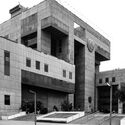
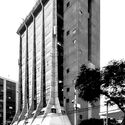
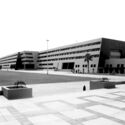
The origins of brutalism can be traced to the UK in the 1950s during the post-war period. However, there is no clear record of its initial boundaries or theoretical frameworks. Despite this, it is widely agreed that it sought to uphold constructive sincerity as its main value and that it had, in the execution of Le Corbusier's Marseille Housing Unit (1952), a turning point for its global diffusion (Casado, 2019). For authors such as Banham (1966) or Collins (1977), constructive sincerity in Brutalist buildings does not only refer to material or technical criteria, but also to moral, political or ethical ones. These variables, in nations such as Peru, were fundamental and built an aesthetic while trying, through and from architecture, to construct an idea of a country. This essay seeks to be an approximation to these ideas and experiences.
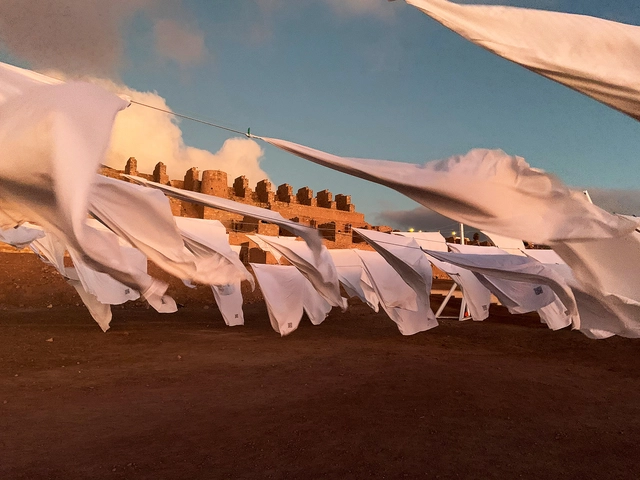
From April 11 to June 30, the Young Architects Festival (YAF), developed by Constructo, is taking place at the Ruinas de Huanchaca Park and Museum in Antofagasta, Chile. Within this space, Siglo 22 Arquitectos has created an immersive architectural installation activated by a series of events, including international lectures and a free public exhibition.
From April 21 to June 19, the PUCP Architecture Archive presents “José García Bryce: Recollections for a History of Peruvian Architecture” at the PUCP Cultural Center. This exhibition approaches the work of Peruvian architect José García Bryce through seven of his creations, arranged in a chronological narrative that offers insight into the evolution of his thought.