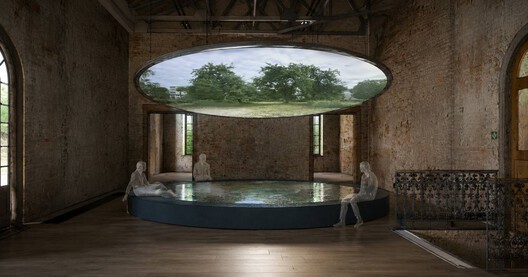
The Ukrainian pavilion at the 20th International Architecture Exhibition – La Biennale di Venezia is being designed by the team from CO-HATY, a local volunteer initiative restoring abandoned buildings in the country to transform them into stable homes for internally displaced people. The team is formed by METALAB and relocated members of the Ukrainian Urban Curators agency, who have been developing CO-HATY since 2022. Titled "Pool of Questions," the project poses a question the organization argues is rarely voiced in the context of survival: not simply where displaced people should live, but when they can begin to live. For Venice, the imagined installation extends the restoration and adaptive reuse work into a discourse on affordable housing, dignity and rest during an ongoing war.
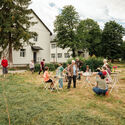
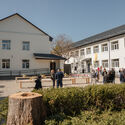
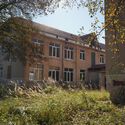
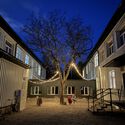
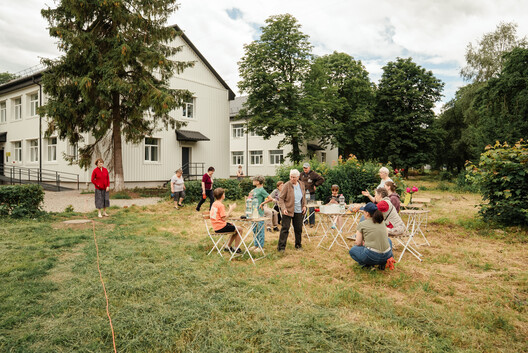
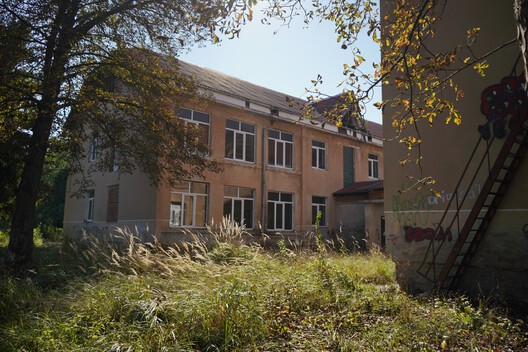
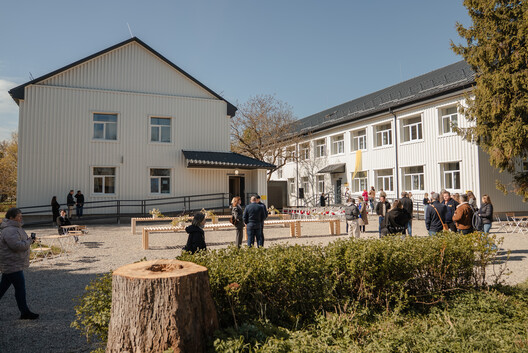
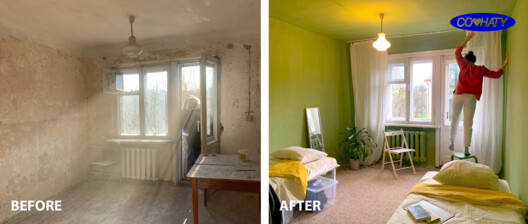
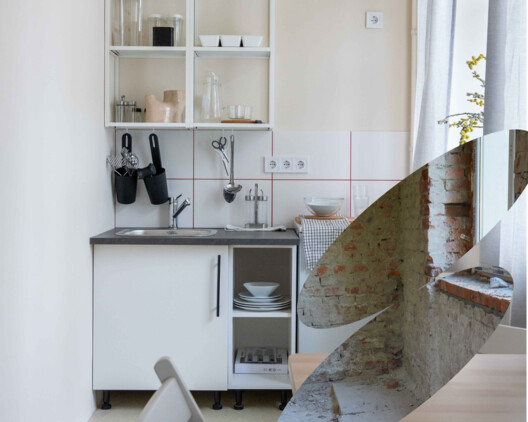
The exhibition takes on CO-HATY's tenth housing initiative, located in a former Soviet-era kindergarten in Kalush that the organization has transformed into affordable housing, now home to more than 100 displaced people. The process was carried out along with residents of different ages, backgrounds and experiences of displacement, and is used as a starting point to approach "architecture as action in a situation where every decision costs something, and none is without fault." The team moves the concept of architecture beyond form, object and square meters to give visibility to the relationships with residents and neighbors, contracts with municipalities, budgets, mistakes, partnerships, material sourcing, rules of use, trust, everyday life and a long-term operational model. They refer to these aspects of the process as "not architecture" and make it the primary material for creating and sustaining life.
"Pool of Questions" approaches the daily consequences of work through a direct inquiry: when can one start thinking not only about where to live, but begin to actually live? The curators present the problem of a long war beyond destruction and reconstruction, presenting it as "a daily practice of decisions between things that should not have to coexist: security and development, humanitarian aid and long-term policy, affordability and sustainability, one's own life and responsibility to others, necessity and desire, survival and the future." They ask the community of architects and visitors: when is it possible to think not just about a roof, but about a courtyard, shade, beauty, rest, shared space — in short, quiet and pleasure? When can one allow oneself joy? When can one build for life and enjoyment, if the war has no visible end?
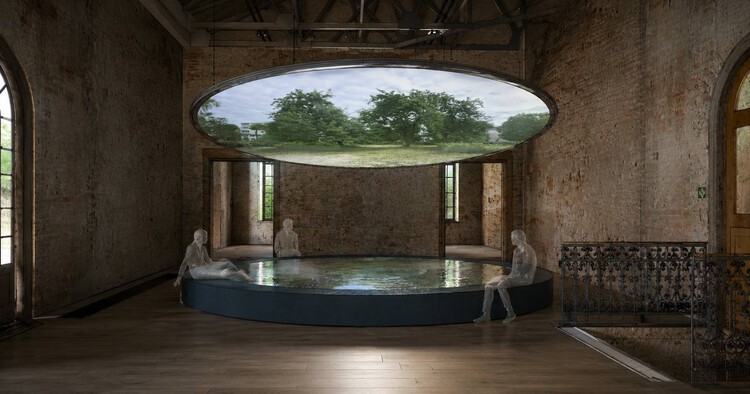
The idea of the "pool" stems from the distillation of this idea of living within a specific architectural element: whether a public swimming pool, not normally justified by a "necessity," could have a place in a context defined by displacement. The installation proposal takes the form of a dark, shallow basin of water that visitors can touch and step into. Around the basin, video installations are reflected in the water's surface, depicting CO-HATY's work in Kalush through the perspectives of the people involved: a child who sees a yard for play, a grandmother who sees a bench, shade, and her tomatoes, a gardener who sees soil and season, a cleaner who sees use and wear, an administrator who sees rules and conflict, and an architect who sees a spatial system and a design table.
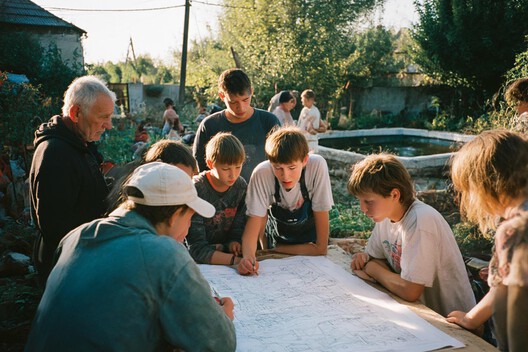
In the meantime, the process in Kalush is being documented by filmmaker Nadia Parfan, including community workshops, a toloka to prepare the site, and the first use of the completed space. The videos are intended to accumulate throughout the Biennale, so the pavilion develops in parallel with the ongoing work in Kalush. According to the curators, the pavilion is designed to place visitors in a state of rest before the central question, reflected in the water's surface, reaches them, disturbed each time a visitor approaches. The curators frame this moment as the pavilion's central provocation, an asymmetry between the visitor's ability to pause and the absence of any comparable pause within Ukraine's ongoing war. At the heart of the curatorial proposal is the exploration of the concept of shared space: what is a need, what is a desire, and what over time becomes a basic right.
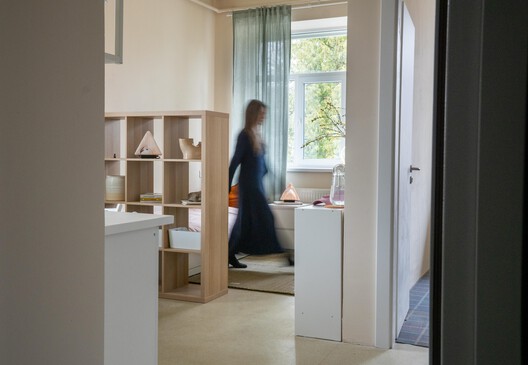
The Ukrainian pavilion for the Venice Biennale includes the installation, a book about CO-HATY titled Beyond Shelter, and a public program to place the topic in global dialogue. Other countries have announced the topics for their pavilions. Under the theme "Do Architecture" by Wang Shu and Lu Wenyu, the Türkiye pavilion is exploring the reuse of architectural elements and its link with memory in "Spolia Futures"; the Australian pavilion is exploring multi-dwelling housing in "Lived In"; Austria is examining questions of national representation, diplomacy and architectural exchange by responding to the absence of a Bosnian national pavilion; and Switzerland is exploring water as a territorial, ecological and political condition, taking Switzerland's role as "Europe's water tower" as its conceptual point of departure.


