Across architecture and the building industry, women contribute to a wide range of fields, from design practice and construction to research and leadership. Their work reflects different approaches to some of the profession's most pressing questions, including environmental performance, adaptive reuse, and the creation of healthier and more responsive spaces. However, disparities remain visible in areas that influence professional recognition. For example, women continue to be significantly underrepresented in architecture in the United Kingdom. According to the Architects Registration Board, only about 31% of registered architects are women.
At the same time, women-led practices are taking on more influential roles across architecture and construction, from research and housing to adaptive reuse and business leadership. Their work shows how questions such as climate performance, well-being, changing lifestyles, and the future of existing buildings are becoming part of everyday design and construction decisions.
The five women featured here approach these questions from different positions within the industry. Daylight, ventilation, material choices, and adaptability appear throughout their work, often closely tied to building performance and the way spaces are experienced. VELUX develops roof windows, skylights, and daylighting and ventilation solutions, and has supported the work of these professionals through projects, design tools, research, and other collaborations. These connections offer a closer look at how daylight and ventilation can support broader architectural priorities, while reflecting the different approaches and areas of expertise of each professional.
Aline Branders: Integrating Research and Practice in the Ecological Transition of the Construction Industry
As an architect and partner at A2M, an architecture and research practice specializing in regenerative, circular, and climate-responsive design, Aline Branders moves between professional practice, research, and education to address climate challenges and planetary boundaries. Her influence extends beyond individual projects through training, publications, lectures, and professional networks focused on the ecological transition of the construction sector. In 2019, she co-presented "Can Natural Lighting Shape Architecture?" at the VELUX Daylight Symposium.
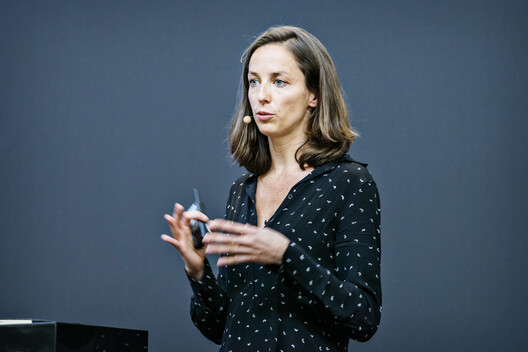
The regenerative approach of A2M is built around three fundamental pillars: designing with climate, nature, and people in mind. The practice combines climate-responsive design with digital analysis, using insulation, thermal mass, solar protection, and glazing to reduce energy demands while maintaining spatial and sensory quality. Projects such as Paradis Express use the VELUX Daylight Visualizer to assess daylight levels, solar gains, and shading. In the analyzed housing units, the project achieved average daylight factors of 4–6%. A2M applies an integrated environmental design workflow, alongside tools such as Rhino/Grasshopper, DIALux, VELUX Daylight Visualizer and LCA software. The team can conduct dynamic simulations to evaluate multiple design options and develop algorithms to build a balance between daylight access, outward views, and solar shading performance.
Ditte Maria Kollerup: Rethinking the Home, Well-Being, and the Design of Healthy Environments
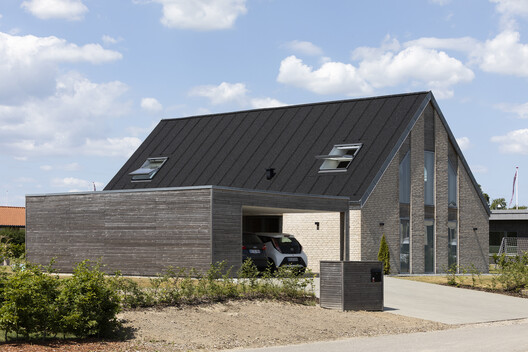
In housing, design priorities also depend on how they are carried through construction and delivery. Ditte Maria Kollerup is the CEO and owner of KFS Boligbyg A/S, a Danish construction company with its own architectural design studio. Under her leadership, KFS has promoted healthy living environments, responsible material choices, energy efficiency, and long-term relationships with clients.
"Today, it's not just about building big, but about delivering quality on every square meter, and daylight plays an important role here."—Ditte Maria Kollerup, Owner and CEO of KFS Boligbyg
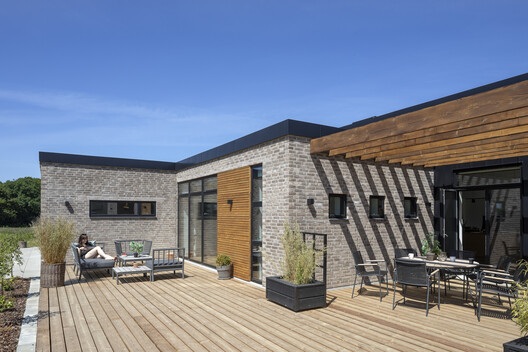
The Galten House reflects this approach, providing more usable floor area within a compact two-story volume while reducing energy consumption per square meter. Every KFS Boligbyg home is also backed by a ten-year warranty, extending the company's attention to quality beyond project completion. Its collaboration with VELUX dates back to the 2008 Active House project Bolig for livet, designed to produce more energy than it consumed.
Lotte Elkiær & Ane Ebbeskov: Creating Sensory, Experience-Driven Architecture Centered on People
For Lotte Elkiær and Ane Ebbeskov, performance and adaptability are closely tied to how architecture is experienced. Their practice, ELKIÆR + EBBESKOV architects, works across new construction, renovation, adaptive reuse, and master planning, with a particular interest in housing and changing patterns of domestic life.
"In each project, I focus on getting the most out of the site, discover the story it has to tell."—Lotte Elkiær
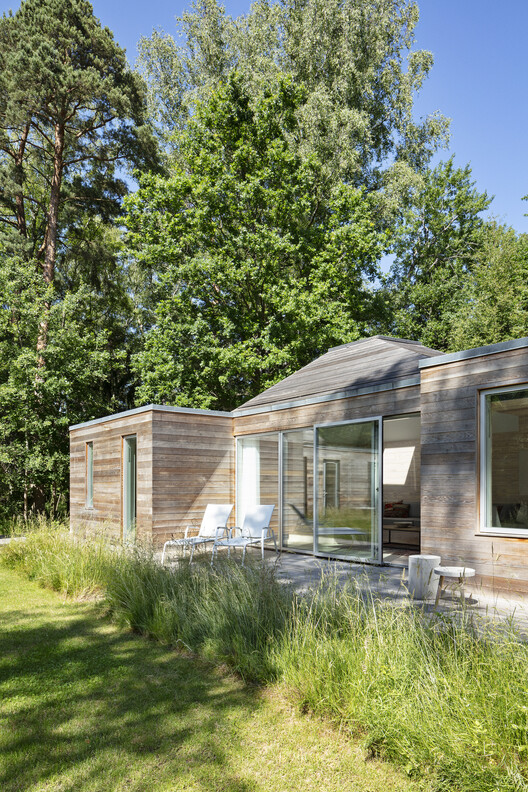
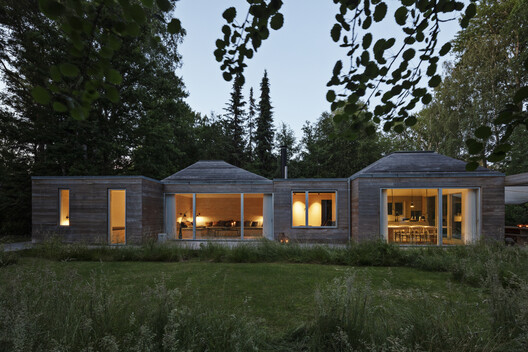
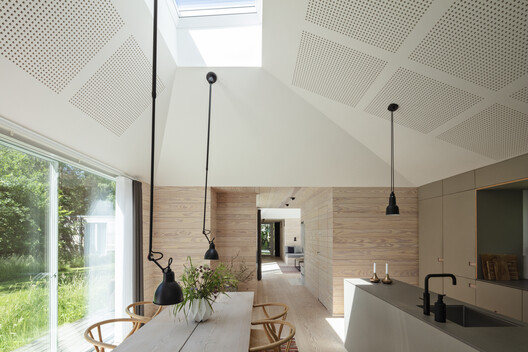
Research into model homes from the 1970s, for example, has informed projects that transform conventional houses for contemporary family life. Daylight is integrated into the spatial concept from the beginning. In "A Summer House in Rørvig", VELUX roof windows become a central element of the architectural concept. The sculptural ceiling, crowned with light from above, creates continuity between indoor and outdoor spaces while emphasizing the connection to the sky and surrounding landscape.
Madeleine Kivell: Designing to Support the Rhythms of Contemporary Life
A similar attention to changing patterns of living appears at a more intimate scale in the work of Madeleine Kivell. Founded in 2023, her London-based Sennen Studio focuses on residential renovations, extensions, and interiors shaped around everyday routines and the evolving needs of their occupants.
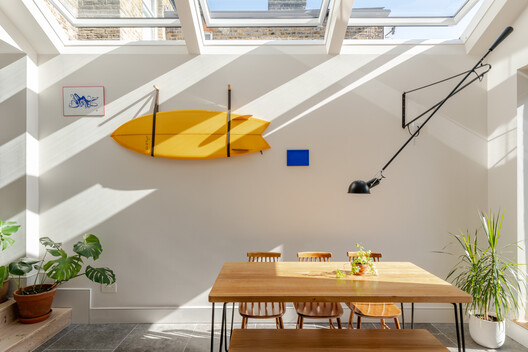
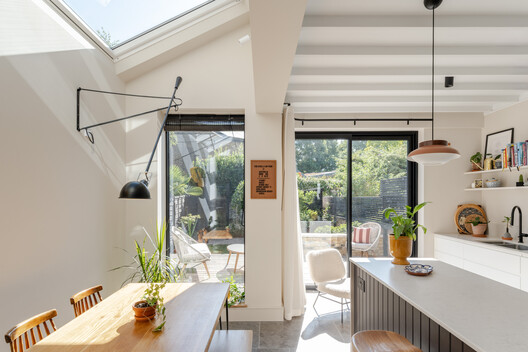
"For me, natural light is like water or air," says Kivell. Her own Edwardian home, Westwind, became a testing ground for this approach. Roof windows bring daylight into the center of the extension while maintaining privacy in a dense urban setting. Matching brickwork, tactile materials, and a careful dialogue between old and new allow the house to retain its character while adapting to family life. In this sense, Westwind brings together several concerns that guide Kivell's practice: preserving what already exists, supporting everyday routines, and creating spaces capable of changing over time.
Mette Tony: Preserving Architectural and Cultural Heritage Through Historical Value
At a larger scale, the question of adaptation extends to what existing buildings should retain and how they can continue to be used. Mette Tony founded Praksis Arkitekter with Mads Bjørn Hansen in 2006, developing a practice focused on conversions, transformations, and architectural heritage. Alongside her architectural work, Tony also holds professional and judging roles, extending her involvement in discussions around architectural quality, preservation, and reuse.
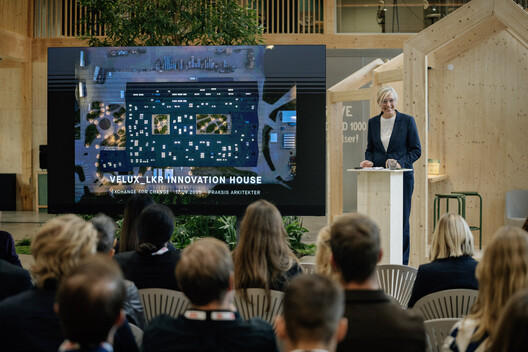
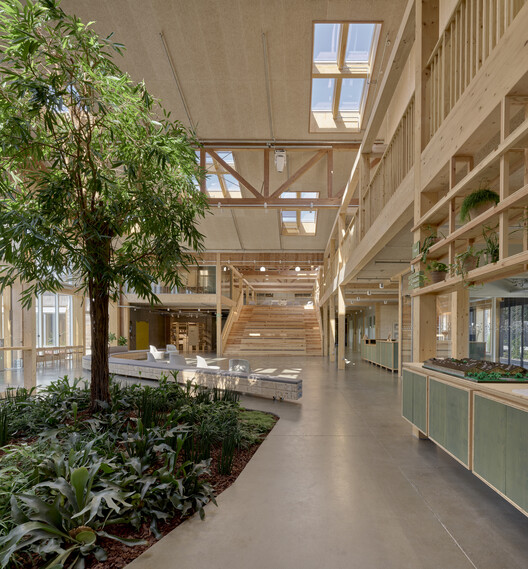
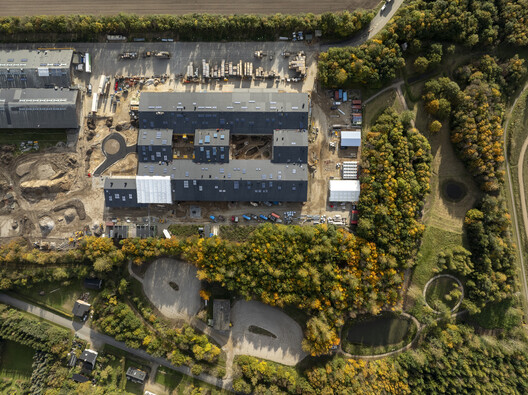
At the LKR Innovation House, Praksis retained much of the existing concrete, timber structure, roof, façades, and warehouse floor while introducing courtyards, glazing, and VELUX roof windows to bring daylight and fresh air into the building. Daylight performance was evaluated beyond mandatory illuminance levels, considering how changing light conditions affect vitality, comfort, and emotions.
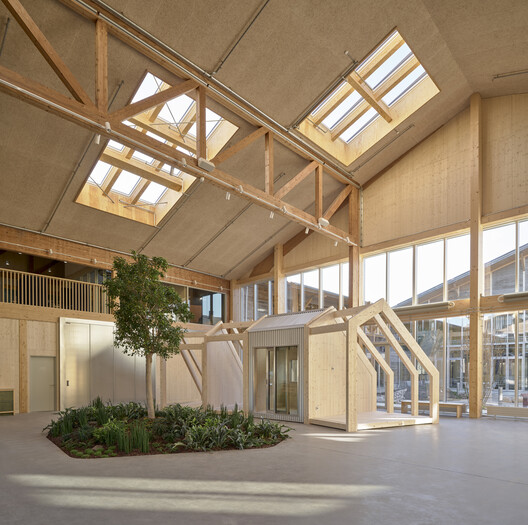
"Our reuse ambitions were high, and meeting them required genuine experimental work. I'm especially pleased that we could reuse so much of the original concrete, keep the warehouse floor as a high-quality surface for everyday life, as well as retain the roof, façades, and timber structure—so you can see and feel that the old building lives on."—Mette Tony
The five profiles show how influence can be exercised through research and education, housing delivery, architectural practice, domestic design, and the transformation of existing buildings. In each case, broader questions around climate, well-being, and changing ways of living become practical decisions about how buildings are designed, built, and adapted.
Daylight is one recurring part of that work, whether used to reduce energy demand, reshape an interior, improve everyday comfort, or bring new life to an existing structure. Across several of these projects, VELUX contributes through products, design tools, research, and collaboration, supporting approaches that originate in the priorities and working methods of the professionals themselves. Their work points to a building industry in which leadership is increasingly tied to the ability to combine design quality with environmental responsibility and the changing needs of the people who use these spaces.


