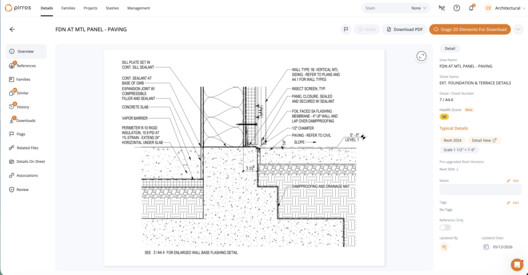
Moving from the drafting table to the computer screen, the digitization of drawings and documentation marked the first phase of digital transformation in architecture firms. The second introduced BIM, connecting project information through cloud platforms and collaborative workflows. Nowadays, a new phase is emerging, defined by artificial intelligence, automation, and more specialized software ecosystems. The paradox is that while previous phases were dominated by a small number of tools, today's landscape offers an abundance of highly specialized, AI-enabled, and often overlapping solutions competing for attention. While purchasing new software is often the easiest part of digital transformation, the greater challenge lies in changing established workflows and behaviors, which is why many new tools struggle to achieve lasting adoption.
AEC software ecosystem has become fragmented and for BIM Managers and Design Technology leaders, the main challenge is determining which tools can genuinely deliver value within the constraints of real projects and real budgets. At the same time, firms operate in an environment of growing uncertainty with project complexity, economic volatility, employee turnover, and the pace of technological change place additional pressure on the teams responsible for adopting new tools. Many firms also struggle to provide the training and support necessary to help teams incorporate new technologies into everyday practice. Large architecture and engineering firms also often function as collections of smaller studios, where teams across disciplines and locations develop their own habits, workflows, and preferences. Even when leadership supports a new platform, adoption can stall if project managers or end users fail to perceive immediate value in its use.
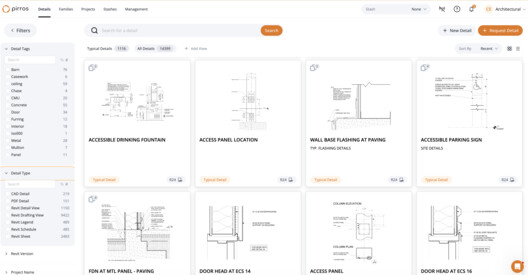
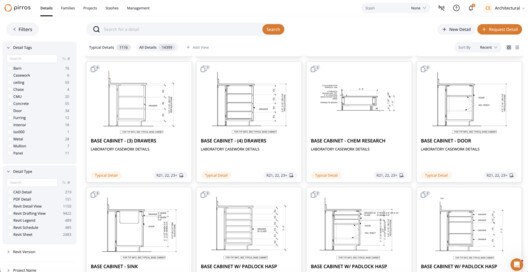
Pirros, the AI project hub for architecture and engineering firms, helps teams find, reuse, and manage Revit details, families, and standards accumulated over years of practice. The platform makes that knowledge searchable within everyday workflows, so designers spend less time digging through old project files and firm standards spread more consistently across teams, offices, and projects.
A Different Philosophy of Enablement

Drawing from years of software rollouts across AEC firms, Talar Grace, Head of Customer Success at Pirros, advocates a different approach to implementation of new platforms. The first principle is simple: prioritize momentum over perfection. Many organizations delay adoption while attempting to finalize standards, optimize workflows, and anticipate every possible scenario before launch. This approach often slows progress, and momentum disappears before users have an opportunity to experience the real value of the new platform. Successful implementations typically begin with a narrower focus: one team, one active project, and one clearly defined use case.
The second principle is that training alone is rarely enough. Adoption really succeeds when software is integrated into existing processes and connected to the everyday tasks teams already perform. For that reason, training should focus on practical tasks and real-world applications, helping solve everyday problems and making adoption more natural.
The third principle recognizes that enablement is never a one-time event. Workflows evolve, the teams always change and project requirements shift, and successful organizations treat enablement as an ongoing process built around evaluation, feedback, refinement, and continuous support.
What Does This Look Like in Practice?
Lake Flato Architects offers an interesting example of how this philosophy can be applied. They implemented Pirros with a specific question: how could decades of accumulated knowledge become more accessible, trustworthy, and reusable across projects? Designers working on active projects tested the platform during documentation-intensive phases, where its value could be evaluated under real project conditions and where the pressure to find reliable information was highest. Feedback channels were also established from the outset.
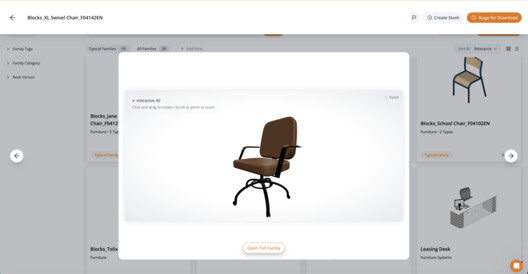
When teams began experiencing tangible benefits, broader adoption became more natural, and designers spent less time searching for content, comparing alternatives, and retrieving information from older project files. The Pirros team remained closely involved throughout the rollout, working alongside project teams to understand challenges, adapt workflows, and ensure the platform fit naturally into existing processes. Old models did not need to be opened or upgraded, and content search did not depend on manual tagging. Designers could compare options in seconds and move forward with confidence.
Lake Flato's experience illustrates a broader reality across the AEC industry. The value of new software rarely depends solely on its technical capabilities. Instead, it depends on how effectively organizations introduce it, support its use, and integrate it into everyday project workflows. The challenge facing firms today is turning technological potential into meaningful change in the way projects are delivered. In this third wave of digital transformation, the most successful organizations will probably be the ones that can make new tools part of everyday practice, helping teams use them consistently and confidently across projects.


