

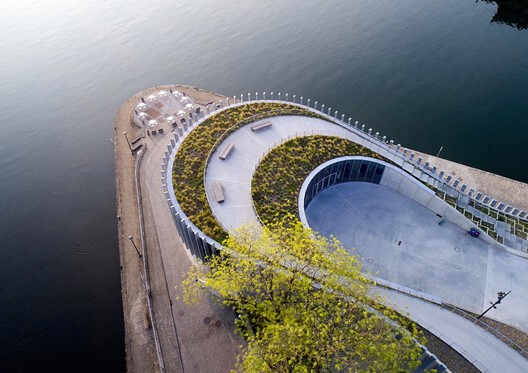
Building roofs are advancing through a multidimensional optimization process that encompasses technological innovations, new materials, energy-saving performance, and faster construction methods. From green roofs and rainwater harvesting systems to solar panels, contemporary architects are working to balance aesthetics, performance, durability, and environmental impact in their projects. Roof renovation not only extends the service life of buildings but also reflects an environmental commitment by improving efficiency and sustainability.
Designing a roof involves more than addressing technical requirements; it also entails social, environmental, and economic responsibilities. Just as the Sustainable Development Goals recognize that action in one area affects outcomes in others, renovations on existing buildings directly impact multiple aspects of occupant comfort. In response to external factors such as solar radiation, rain infiltration, and snow accumulation, thermal insulation, maintenance, waterproofing, and durability play a critical role in preserving the built environment.
Depending on the climate, site conditions, and surrounding context, roof renovation projects must address existing conditions, including slopes, junctions, drainage systems, and edge details. They must also comply with local regulations and recognize that every design and construction decision influences multiple environmental factors. While each roof type and construction system has its own structural, functional, and aesthetic characteristics, roof geometry, intended use, and load requirements demand the application of appropriate materials to ensure protection, watertightness, and long-term performance.
In this context, single-ply synthetic roofing membranes such as EPDM (Ethylene-Propylene-Diene-Terpolymer) and TPO (thermoplastic polyolefin) are increasingly used in renovation projects. While some waterproofing and roofing membranes are manufactured from thermoplastic materials, EPDM is a vulcanized synthetic rubber made from ethylene, propylene, and diene monomers that was developed in the 1960s. Thanks to its unique properties, it has a wide range of industrial and construction applications, including automotive manufacturing, equipment production, and the waterproofing of roofs, façades, reservoirs, and ponds. As part of Holcim's Building Envelope division, Elevate develops solutions that go beyond durability and waterproofing performance, contributing to waste reduction, lower carbon footprints, and the advancement of circular construction practices.
Discover six reasons why EPDM and TPO single-ply roofing membranes are selected for building renovations.
1. Waste Reduction
According to the European Environment Agency's report on resource efficiency and waste, construction and demolition waste represents the largest waste stream in the European Union. Analyses of waste management practices indicate that recovery efforts are still largely based on low-value applications, such as using recycled aggregates in road construction. Inspired by circular economy principles, the industry can help achieve waste policy goals by keeping materials, their value, and their quality in circulation for as long as possible while reducing hazardous substances in products and waste streams.
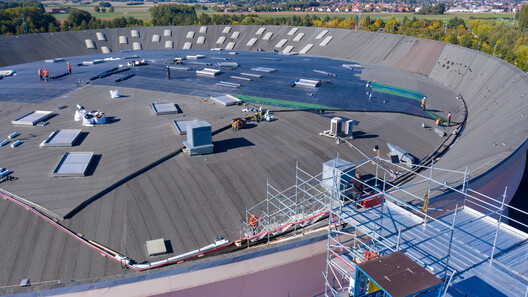
Combined with design strategies that prioritize durability, repairability, and circularity, low-impact materials such as long-lasting EPDM and TPO roofing membranes can significantly reduce the waste generated during roof renovation projects.
2. Longer Service Life and Fewer Tear-Offs
The latest study by the German Plastics Center (SKZ) states that EPDM membranes can achieve an expected service life exceeding 70 years. Samples of EPDM rubber membranes that had been in service for more than 30 years were subjected to accelerated aging tests at high temperatures to evaluate their performance and resistance. This longevity reduces the need for complete roof replacements and minimizes the large volumes of waste generated through demolition.
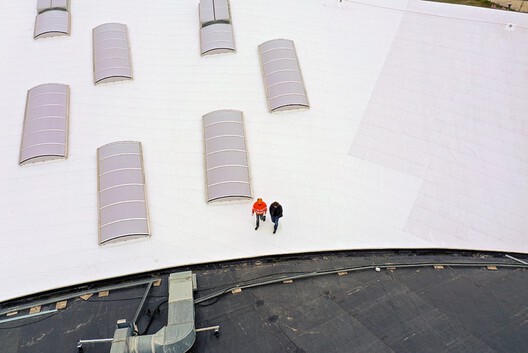
Although TPO roofing membranes have a shorter documented track record than EPDM, modern TPO formulations also offer long service lives and are frequently selected when reflectivity and durability are priorities. Both systems support a shift away from frequent full roof replacements toward a long-term maintenance strategy centered on repair and preservation.
3. Repairability and Targeted Interventions
Due to the chemical composition of EPDM rubber, EPDM roofing membranes demonstrate excellent resistance to UV radiation, heat, ozone, microorganisms, and extreme weather conditions. As severe weather events—including heavy rainfall, storms, and flooding—continue to increase globally, roofing systems face new waterproofing challenges.
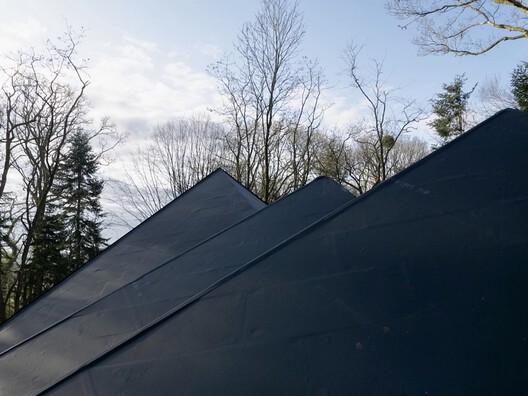
Material performance is often affected by temperature fluctuations, chemical exposure, mechanical stress, weathering, and other environmental factors. Once a waterproofing membrane becomes brittle, it can no longer fulfill its protective function and may require repair or replacement. EPDM and TPO roofing membranes excel in localized repair applications, reducing environmental impact while extending the service life of the roof. In the event of surface damage, EPDM's flexibility and TPO's weldable seams enable durable patching and seam repair techniques, even after years of exposure, allowing roofs to remain in service without full replacement.
4. Overlay Installation Options
When installing roofing membranes, accessories such as seam tapes, coatings, bonding adhesives, primers, and prefabricated components are used to seal details around penetrations, profiles, edge terminations, stormwater drainage systems, and emergency overflow assemblies.
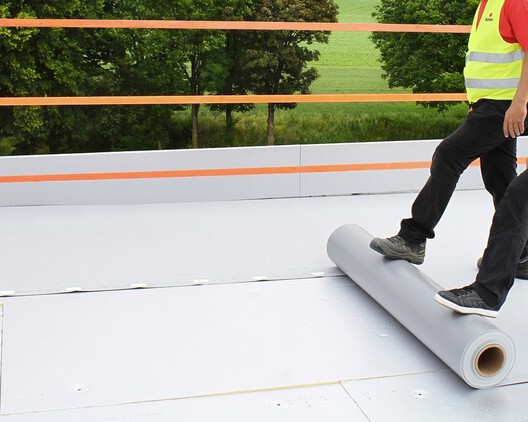
One of the key advantages of EPDM and TPO roofing systems is that they can often be installed over existing roof assemblies, eliminating the need to remove and dispose of the existing membrane and insulation. Installing a new roof over the existing substrate also reduces trucking requirements, container rentals, and on-site waste sorting activities.
5. Lightweight, Safe, and Fast Installation
Architects frequently work under tight schedules, with multiple tasks overlapping and depending on one another. For renovation projects that require rapid execution, roofing membranes such as RubberGard EPDM and UltraPly TPO help reduce labor time by utilizing large membrane sheets with fewer field seams than traditional roofing systems.
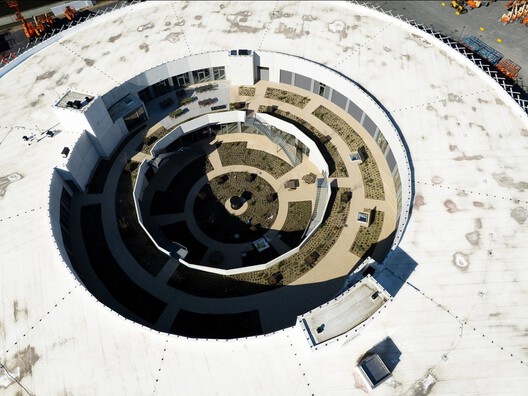
These systems do not require open-flame installation methods, improving jobsite safety and allowing building operations to continue during renovation work. EPDM and TPO membranes also add minimal weight to the existing roof structure.
6. Adaptability for Building Upgrades and Modernization
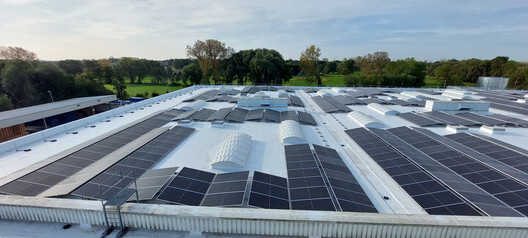
The integration of solar, green, and blue roofs into existing buildings continues to grow, driven by local building regulations and incentive programs. However, many existing roof systems are not suitable for these upgrades without significant modifications, often requiring the installation of a new roofing assembly.
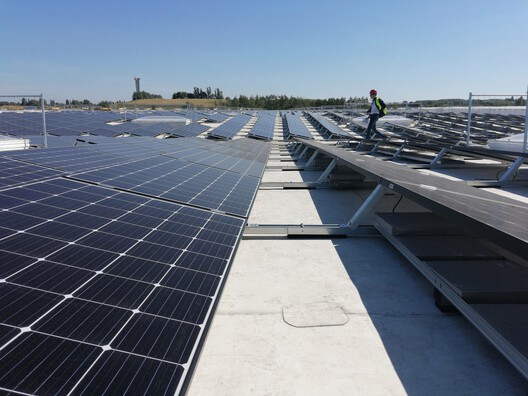
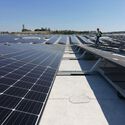
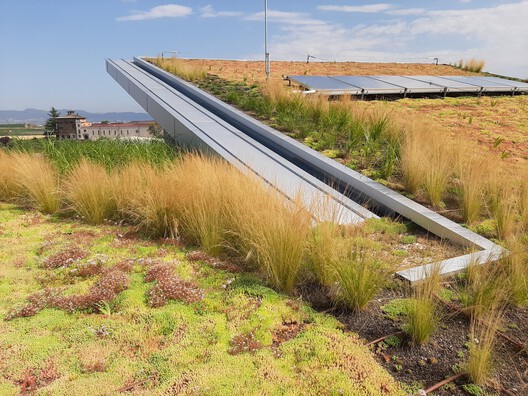
Virtually all solar panel systems can be installed on EPDM membranes used in low-slope roofing applications due to the material's lightweight nature, durability, and resilience. To facilitate routine maintenance, the roofing membrane must remain accessible, and special attention should be paid to waterproofing details around mounting systems. EPDM and TPO membranes are highly adaptable to retrofitting projects, providing a durable foundation for green, blue, and solar roof installations. Green roofs, in particular, offer not only economic, visual, and environmental benefits to buildings themselves but also improve local climate conditions and overall quality of life in surrounding communities.
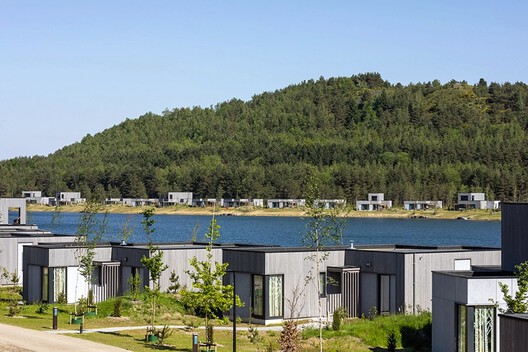
Structural capacity, material composition, and long-term performance are closely interconnected in roof design. From thermal efficiency and waterproofing to fire resistance and durability, high-performance materials provide effective responses to variable climate conditions. Whether in commercial, residential, or industrial applications, Elevate integrates waterproofing membranes, insulation solutions, and vapor barriers with a strong focus on environmental responsibility.
Although roof repair, maintenance, and renovation projects rarely follow the same pattern, design flexibility and resource efficiency continue to drive innovation in the sector. Preserving and upgrading existing structures offers a viable alternative to new construction while supporting environmentally friendly development practices.


