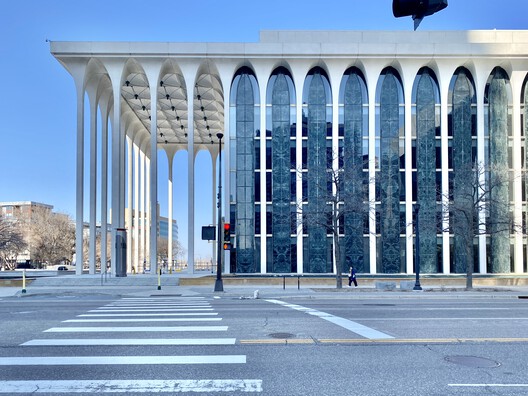
A building designed by Minoru Yamasaki in downtown Minneapolis is set to be converted into a hotel, marking a new phase in the life of the former headquarters of the Northwestern National Life Insurance Company, one of the architect's lesser-known yet formally distinctive works. Vacant since 2023, the building at 20 Washington Avenue South is now the subject of an adaptive reuse proposal that aims to introduce hospitality and public-facing functions. Initial plans were presented in April 2026, outlining a transformation of the structure while retaining its defining architectural features. The project is expected to move forward pending approvals, with a projected opening targeted for 2028.
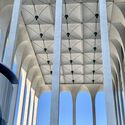
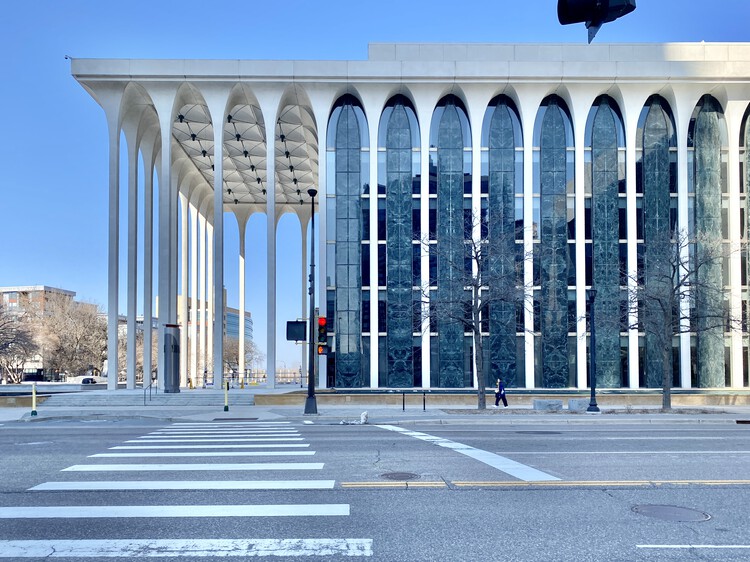
Completed in the early 1960s, the building was originally conceived as a corporate headquarters accommodating approximately 500 employees, including underwriters, actuaries, and medical staff. Its program reflected the operational model of a life insurance company at the time, incorporating office environments alongside in-house medical facilities. The commission followed an extensive selection process, during which multiple architects were considered before Yamasaki was appointed. Over the decades, the building remained in continuous use under several corporate identities.
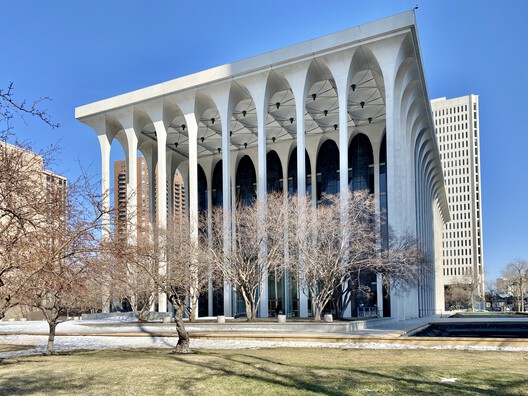
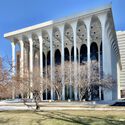
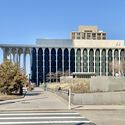
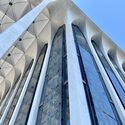
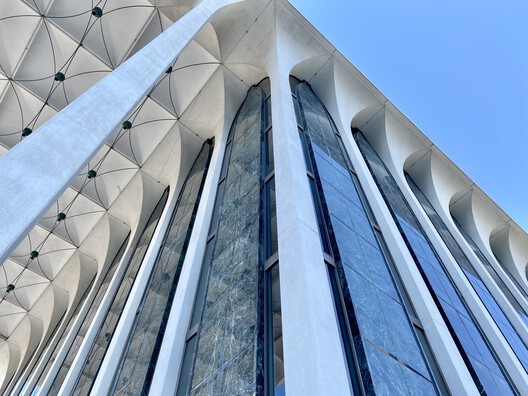
The structure is widely recognized for its distinctive architectural expression, characterized by a monumental portico composed of slender, pointed arches formed in white quartz concrete. Rising approximately 85 feet above ground, the colonnade frames a deep, elevated porch that has become one of the building's most identifiable spatial elements within the city. The facade is clad in marble, contributing to its material presence and visual identity within the urban fabric. Architectural interpretations of the building have varied over time, with critics and observers describing it in multiple ways, reflecting the ambiguity and symbolic qualities of its formal language.
Yamasaki described the project as "a park with a building in it," emphasizing a design approach that sought to balance monumentality with lightness and spatial permeability. Developed in dialogue with a pedestrian landscape framework by Lawrence Halprin, the portico was conceived as a visually open urban gesture, allowing views through the structure along a pedestrian axis toward the Hennepin Avenue Bridge. Despite this intention, the building historically functioned as a private corporate environment, and public access to its interior spaces remained limited.
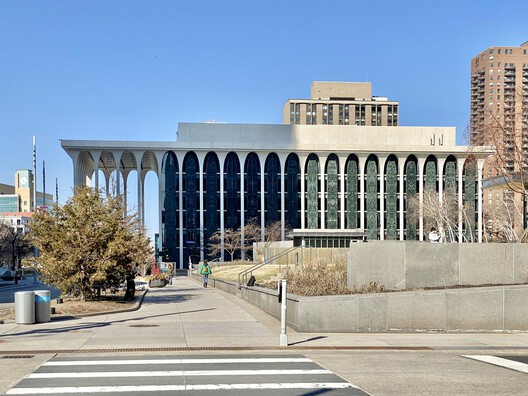
The proposed conversion introduces a hospitality program organized within the existing structure, adapting its spatial configuration to accommodate new uses. Plans include 165 hotel rooms distributed across the upper floors, as well as a range of amenities such as wellness and fitness areas, event spaces, and retail components. The intervention aims to reposition the building within the city as a more publicly accessible destination, expanding its use beyond its original corporate function. This transformation reflects broader patterns of adaptive reuse, particularly among mid-20th-century office buildings with strong architectural identities that are no longer aligned with contemporary workplace demands. By introducing hospitality and public-oriented programs, the project aims to activate spaces that were previously inaccessible while maintaining the building's formal and spatial characteristics.
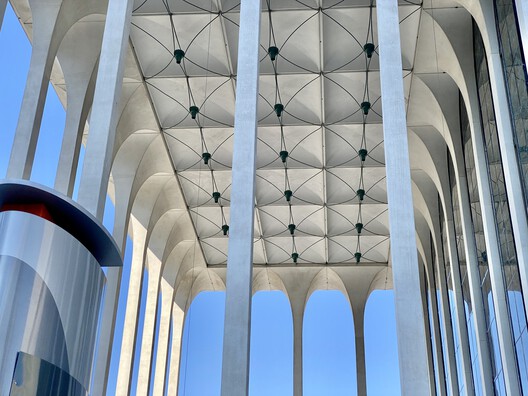
Yamasaki, also known for the original World Trade Center, developed an architectural language centered on repetition, verticality, and refined material expression. His work often sought to create environments that offer a sense of calm and a human-scaled experience within larger monumental forms. In the Minneapolis building, these qualities are expressed through the rhythm of the colonnade and the layered spatial sequences of the portico and surrounding landscape. As the project moves forward, these defining elements are expected to remain central to the building's identity while accommodating its new program. The timeline remains contingent on approvals and financing, with construction anticipated to begin following these processes.
In other recent adaptive reuse and renovation developments, the Getty Center has announced a major modernization program, marking its most significant update since 1997. In Rome, the Pantheon has been the subject of a recent intervention by STARTT as part of a broader initiative to expand public access to its archaeological areas. Meanwhile, the 2026 edition of the European Union Prize for Contemporary Architecture – Mies van der Rohe Awards recognized the renovation of the Charleroi Palais des Expositions by AgwA and architecten jan de vylder inge vinck, alongside the adaptive reuse of industrial halls for the Slovenian National Theatre Drama in Ljubljana by Vidic Grohar Arhitekti.