

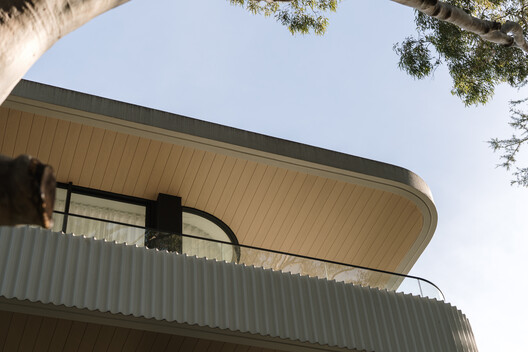
Between the moment a material is specified in a project and the moment it is installed, there is an invisible layer that plays a decisive role in the final outcome: fabrication, logistics, and coordination. These factors shape timelines and costs, but more critically, determine whether the original design intent is preserved or diluted in execution. Cladding systems, especially those that function as visible and expressive components of the building envelope, make this gap particularly evident, as they are the most outward-facing layer of a project.
Selecting a cladding system is never a purely aesthetic decision. It activates a chain of dependencies: profile availability, fixing systems, tolerances, sequencing, and compliance with local codes. When elements are misaligned, the fallout is rarely subtle. Integrated cladding systems—those that anticipate assembly as much as appearance—tend to close this gap, embedding coordination into their logic and reducing the need for on-site improvisation.


Facade outcomes are often shaped by how early manufacturers become involved in the design process, rather than only at the point of material supply. Systems that integrate profiles, fixings, accessories, and detailing strategies from the outset tend to simplify coordination between specification and construction. This also allows technical discussions around detailing, documentation, and assembly to happen before work begins on site, reducing the need for later adjustments and improvisation.
In Knotwood's case, this approach is supported by domestic manufacturing in the United States, which offers closer control over production timelines and communication between design and construction teams. This approach is grounded in three things. Local manufacturing, which gives greater control over lead times and quality. Customization flexibility, which allows the system to adapt to the specific demands of each project; and technical support throughout, from early design conversations through to construction completion.
Local Production as a Design Variable
Specifying materials from afar has long carried a familiar set of risks: extended lead times, reduced flexibility for adjustments, and communication gaps that can delay decisions, creating challenges that are external to the design itself but directly affect its realization.
By contrast, locally produced systems typically run on shorter production cycles, aligning more closely with the pace of construction. Proximity also accelerates feedback between architects, manufacturers, and builders. In Knotwood's case, domestic production in the United States allows for real-time communication and more predictable delivery—conditions that are increasingly critical in projects with compressed timelines. More importantly, local production simplifies regulatory compliance. Materials manufactured within the same regulatory context tend to meet code requirements with fewer adaptations, reducing risks during approvals and inspections.
Customization, Standardization, and Control
Standardized products are efficient, but they can flatten a project's specificity. Customized solutions, on the other hand, often come with added complexity, longer timelines, and higher costs. Systems that sit between these extremes, offering a solid base of standard options with room to adapt, begin to dissolve this tension.
In practice, this means variation can be introduced without compromising constructability. A range of finishes, profiles, and configurations, combined with selective customization, gives architects the freedom to shape a project's visual and material identity while still working with predictable, buildable parameters.
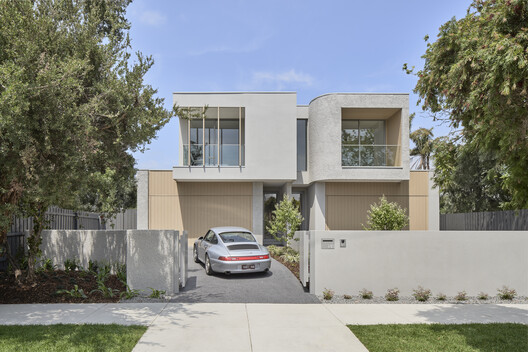
In the case of Knotwood, customization is not treated as an exception but embedded within the system itself. A wide range of standard finishes—over 75 options that replicate different wood tones and patterns—already covers most design directions. When needed, the development of custom profiles and finishes extends this repertoire, enabling adaptation without breaking the system's production logic.
What emerges from these considerations is a shift in how authorship is understood in the design process. When manufacturers are involved from the early stages, contributing to detailing and documentation, part of the project's intelligence is distributed across the team. It does not diminish the architect's role, but repositions it within a more integrated process, where technical resolution and material logic are developed collaboratively.

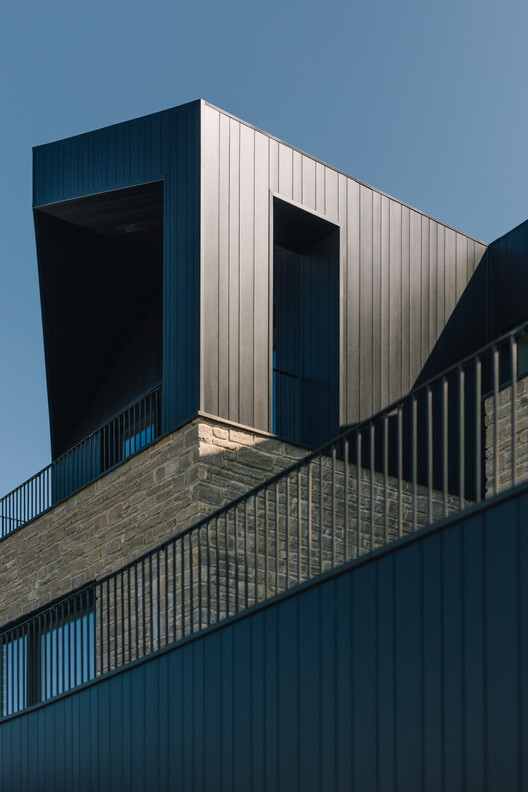
Tools such as design-assist programs, quantity takeoffs, and system-based documentation demonstrate how this integration can reduce friction during construction. Faster estimates, clearer detailing, and fewer uncertainties contribute to a more stable design development process, especially in procurement contexts where delays tend to accumulate.
Cladding systems make visible something often overlooked: architecture is defined not only by what is specified, but by what can be reliably produced, delivered, and assembled. Local production, integrated systems, and early-stage collaboration redefine the relationship between design intent and execution, turning material selection into a strategic decision that involves logistics, risk, and long-term performance. In this sense, the facade becomes a point of convergence between design, industry, and territory, revealing how architecture is ultimately built through the alignment of these multiple forces.


