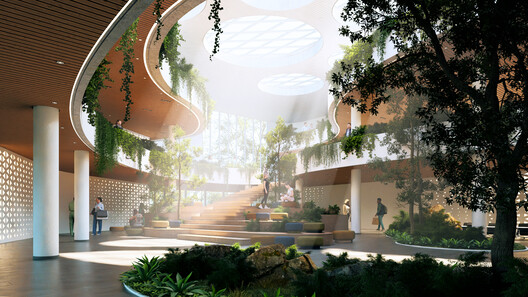
Architecture has always depended on systems of representation to make ideas visible before they exist. But where Filippo Brunelleschi's fifteenth-century linear perspective once organized space according to human perception, today's architects face an unprecedented saturation of imagery. AI generates atmospheres in seconds, and projects circulate continuously long before construction begins. But the abundance of images does not necessarily produce greater clarity and as architectural workflows become faster and more fragmented, visuals sometimes circulate detached from the decisions, constraints, and intentions that generated them. The real value of modern visualization is no longer just about rendering a final image—it is about how design and visual communication are understood collectively throughout the entire process.
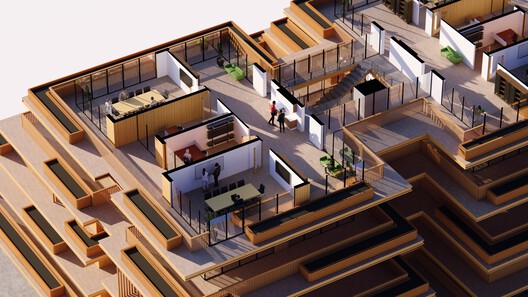
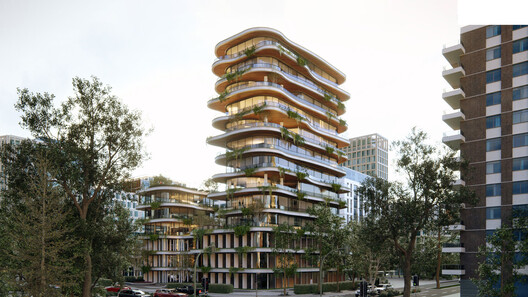
Visualization has shifted from a tool used primarily at the end of the process to present a resolved proposal and now sits directly within the workflow itself, while ideas are still being tested and revised. Images become part of the conversation, helping teams explain decisions, compare alternatives, coordinate feedback, and maintain clarity as projects evolve. A convincing image alone is not enough if the project behind it remains unclear.
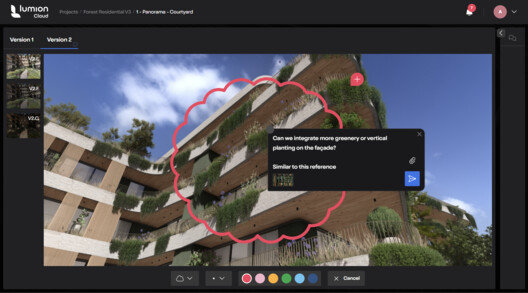
This transformation reflects broader changes in architectural practice itself. Design workflows have become more immediate and interconnected, requiring tools capable of supporting continuous exchanges between disciplines, consultants, and clients. Real-time visualization platforms such as Lumion Pro, alongside visual collaboration platforms such as Lumion Cloud, help integrate representation directly into the design process. By anchoring feedback directly to the model through real-time markups and version control, these spaces keep diverse stakeholders aligned.
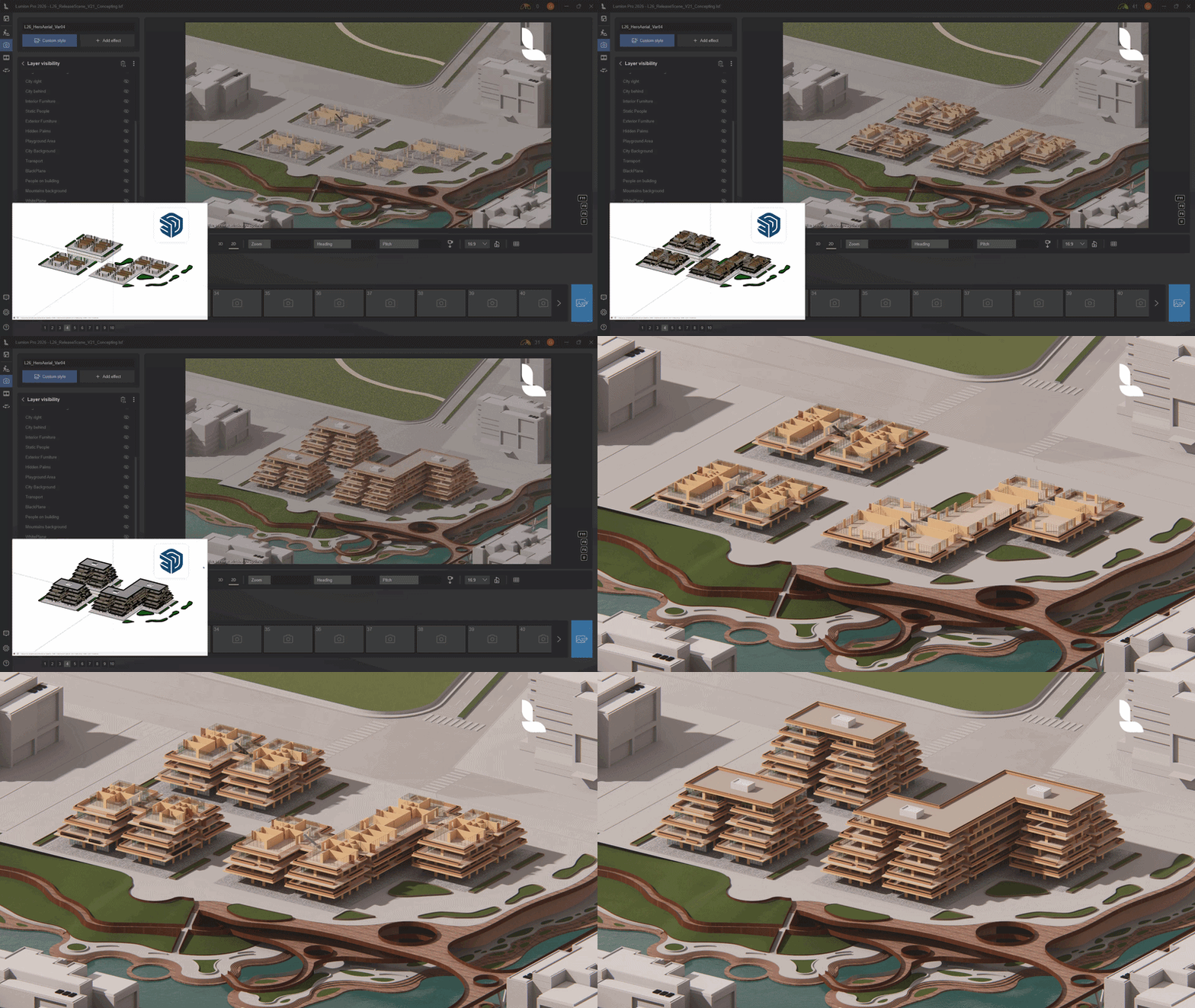
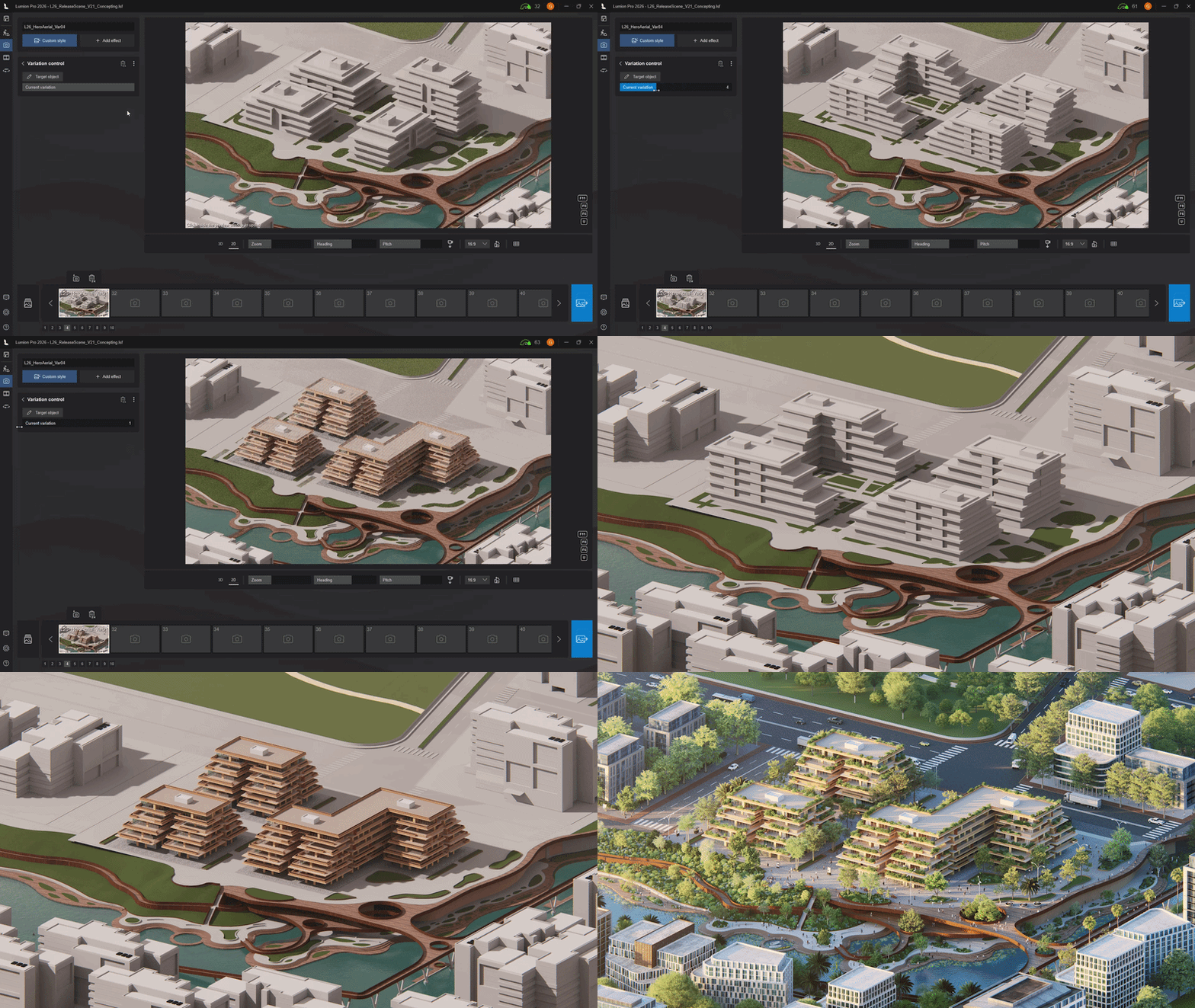
As the Head of Product at Lumion explains, this distinction becomes particularly important in relation to emerging AI tools:
Where AI has really helped evolve is in the early conceptual and ideation side of design. But where real-time visualization stands apart is in its connection to design tools and its ability to update live as models change. Where one is an idea generator, the other is a design tool, an extension of the artist's hands as they design. - David Weir-McCall
The growing importance of visualization can also be understood through the expanding role of visual communication within the AEC industry itself. Architects now work within a far more image-driven environment than previous generations, while clients and collaborators expect to engage with projects visually, often through interactive formats that allow alternatives to be explored collectively. "Real-time visualization is no longer just a supporting aid," Weir-McCall notes. "It is becoming a core part of how architectural information is interpreted, discussed, and understood."
Visualization begins to function more as a language capable of articulating design intent across different audiences and stages of a project. Architects do not produce visuals simply for the sake of image-making, but because visual communication has become one of the primary ways projects are explained, negotiated, and validated.
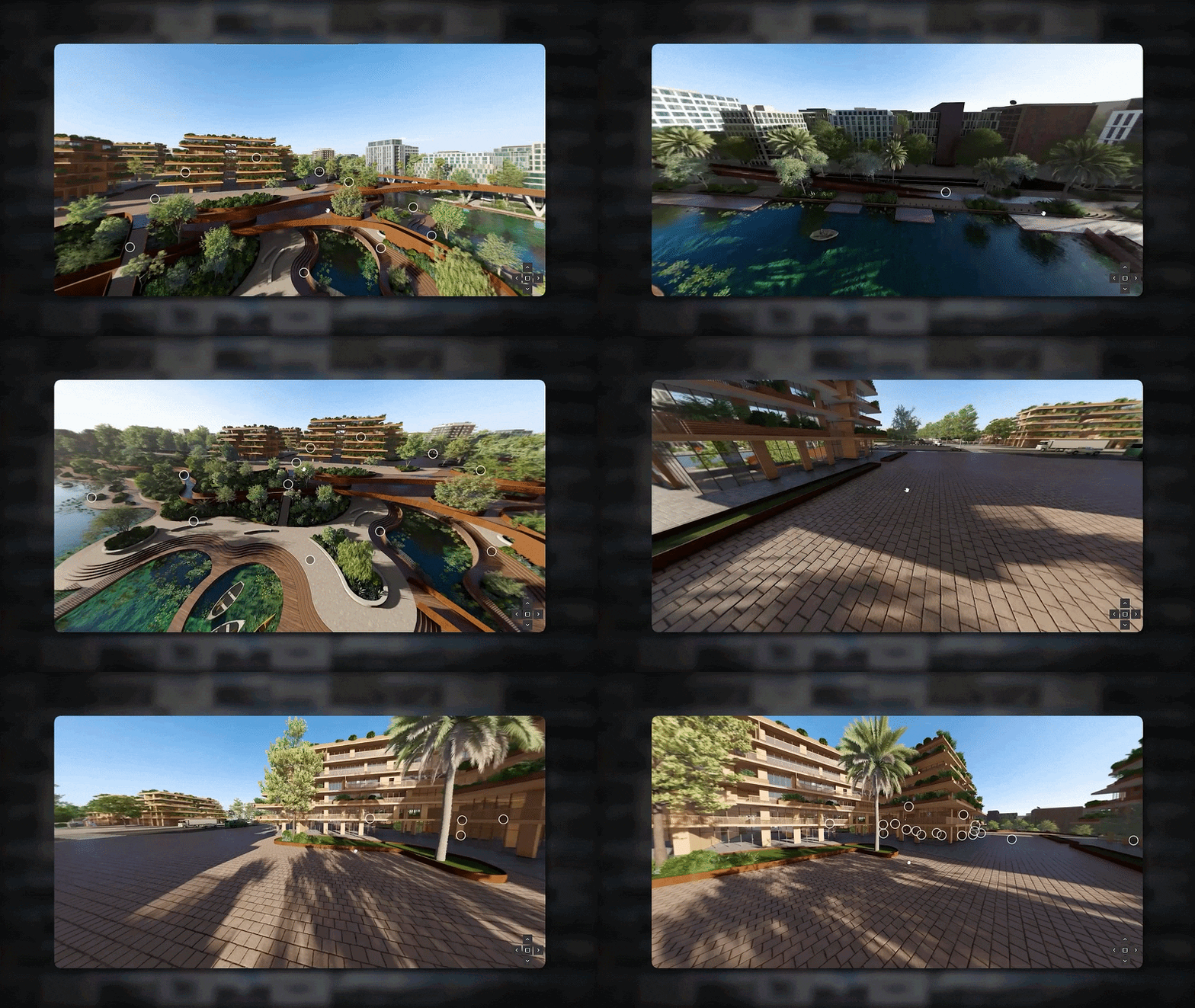
Collaborative environments such as Lumion Cloud emerge from this shift, where teams and clients can gather within the same workspace to review proposals, compare alternatives, organize iterations, leave comments, annotate images, and follow the evolution of decisions without separating discussions from the visual material itself. Different types of media can coexist within the same environment, including renders, panoramas, videos, and AI-assisted visual variations generated during exploratory phases of the project. Collaborators can be invited directly into these spaces through browser-based access, allowing feedback, approvals, and revisions to remain connected to the proposal as it develops instead of dispersing across fragmented email threads and disconnected files.
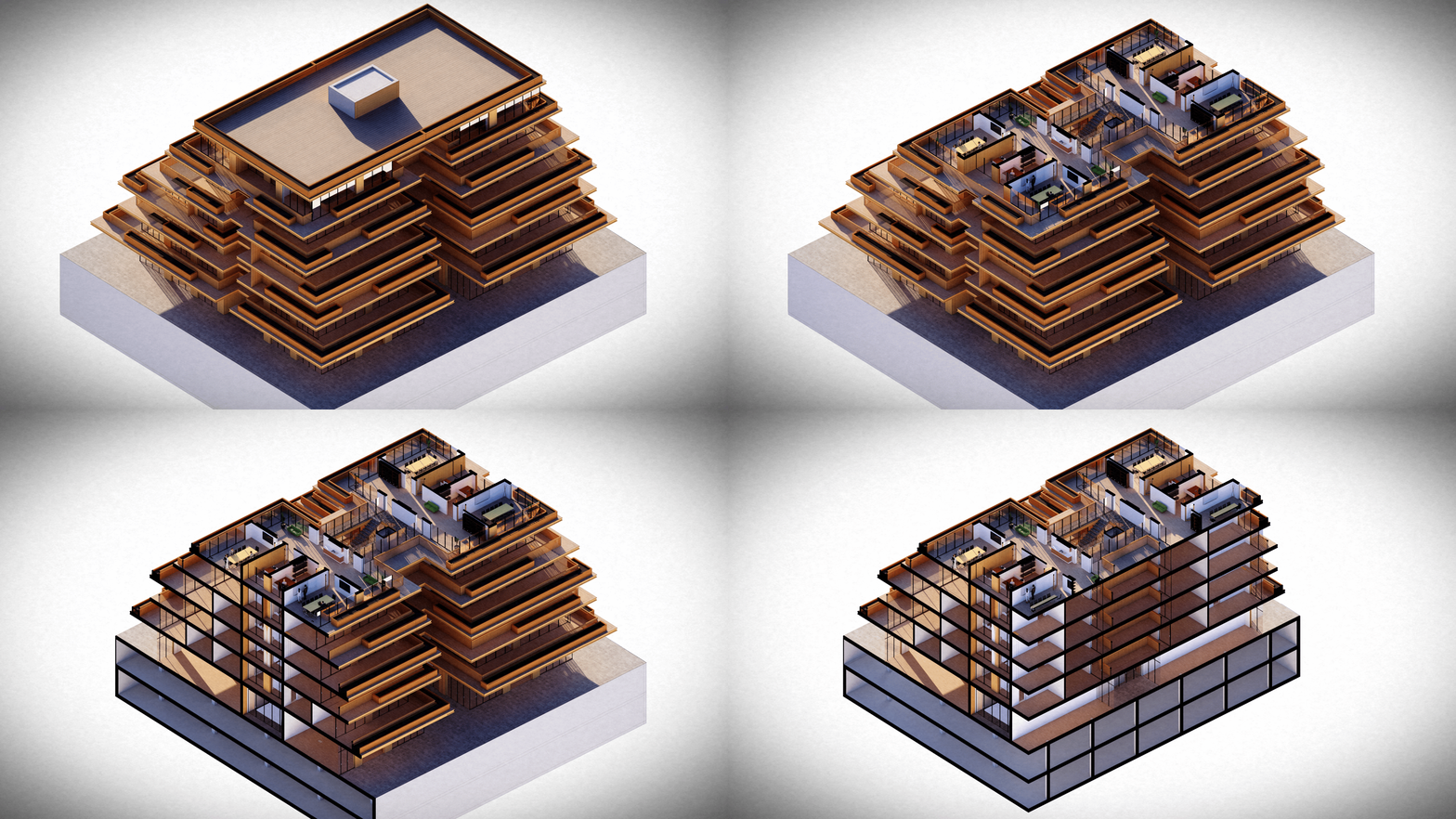
This continuity becomes important as projects move between architects, consultants, and stakeholders. The challenge is often less related to producing visual material and more connected to preserving the reasoning behind revisions, decisions, and successive changes throughout the process.
Visualization also continues to diversify beyond photorealistic rendering alone. Architects operate across multiple visual languages, including diagrams, stylized representations, animated sequences, conceptual imagery, and customized drawing formats capable of adjusting levels of abstraction depending on audience and project phase.
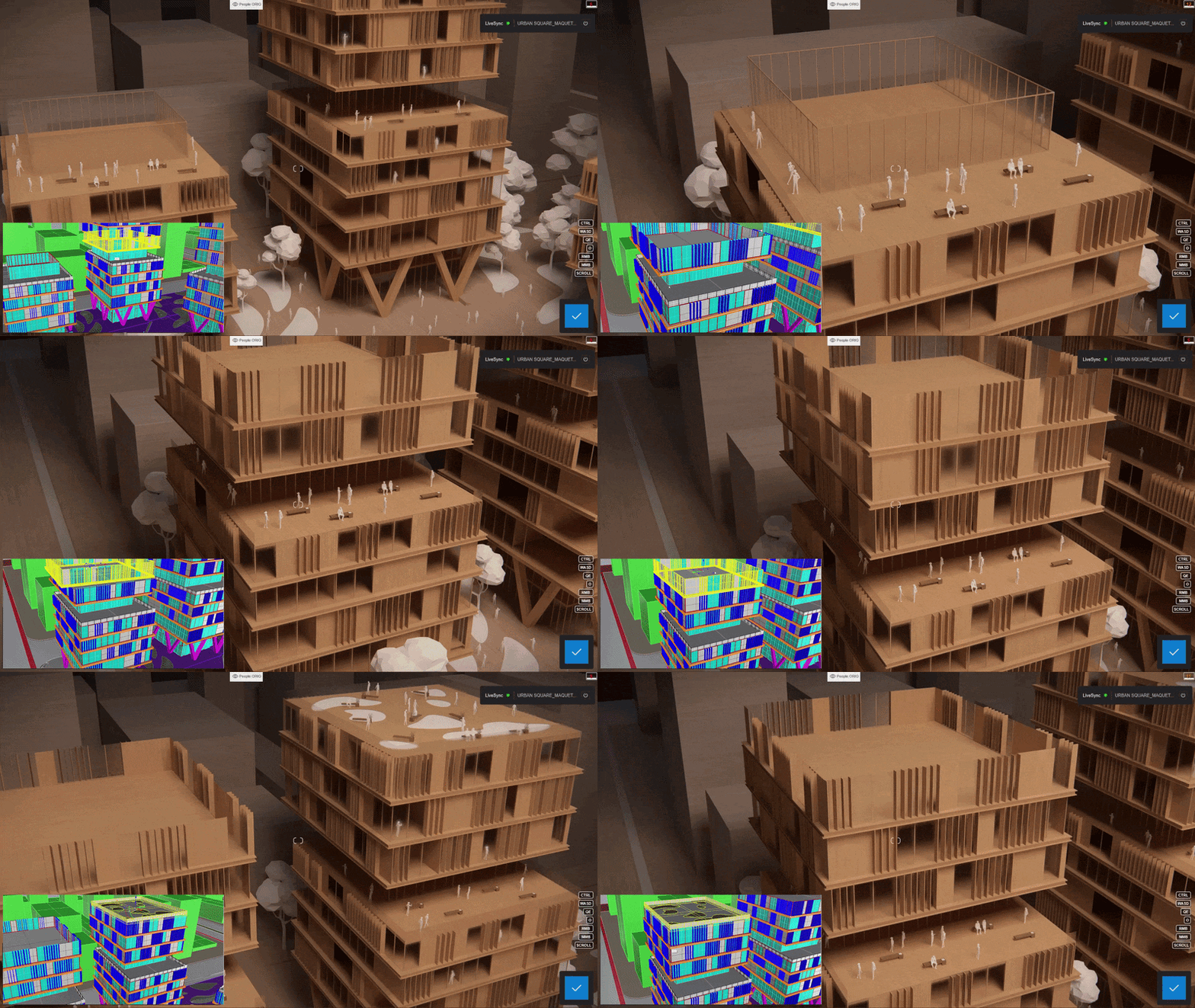
Artificial intelligence occupies an ambiguous but influential role within this landscape. AI-generated imagery can accelerate ideation and broaden the exploration of atmospheres, materials, and formal possibilities. Yet architectural communication rarely operates at the level of prompts alone. Projects remain tied to technical constraints, negotiations, evolving requirements, and decisions that demand continuous interpretation and coordination.
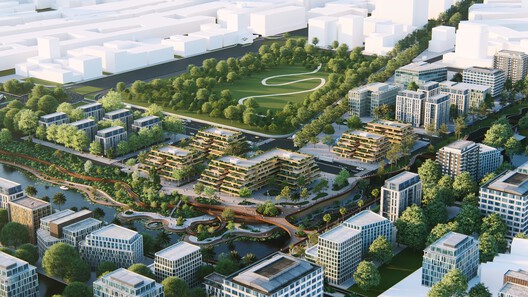
Rather than replacing visualization workflows, AI functions alongside them, supporting conceptual exploration while real-time environments remain essential for maintaining coherence between evolving design intent and collective decision-making. The challenge is no longer simply generating compelling images faster, but ensuring that visual information remains connected to the realities of the design process itself.
As Lumion expands its ecosystem through tools such as Lumion View, Lumion Pro, and Lumion Cloud, the company positions itself not only within rendering, but within the broader field of architectural communication. These platforms become less about image production alone and more about creating environments where architectural understanding can be constructed, discussed, and refined collectively.
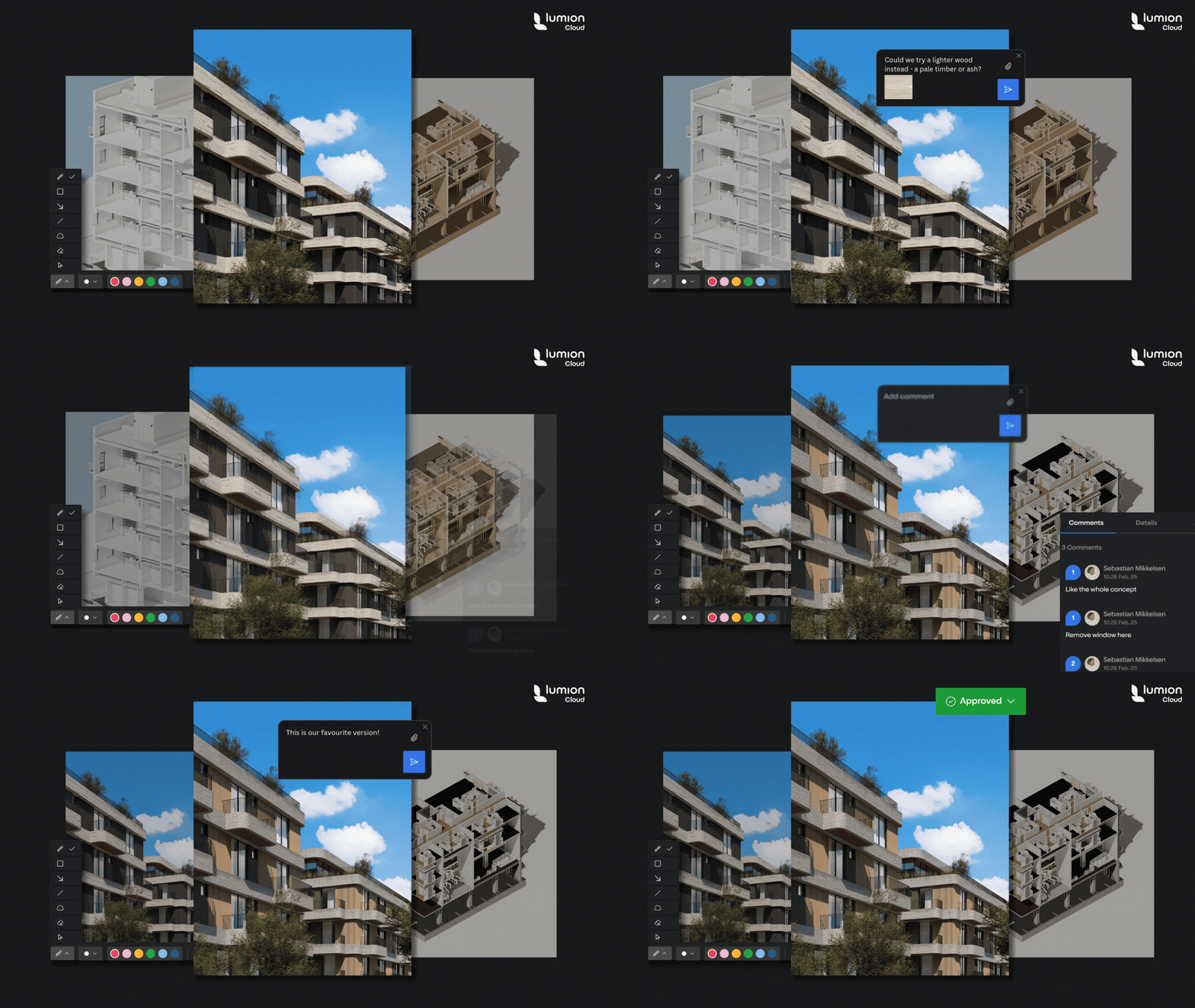
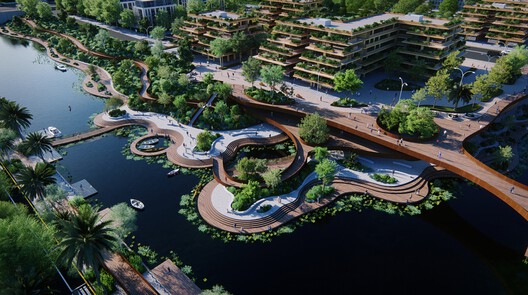
Visual communication becomes a form of authorship where clarity, timing, accessibility, and contextual understanding determine how effectively teams align, make decisions, and move projects forward. Rather than a final translation of architecture, visualization works as one of the primary spaces where architecture itself is negotiated, understood, and ultimately shaped.
Start your free 14-day trial of Lumion Pro today. Works seamlessly with all major CAD and BIM tools, with Lumion Cloud included in every subscription.


