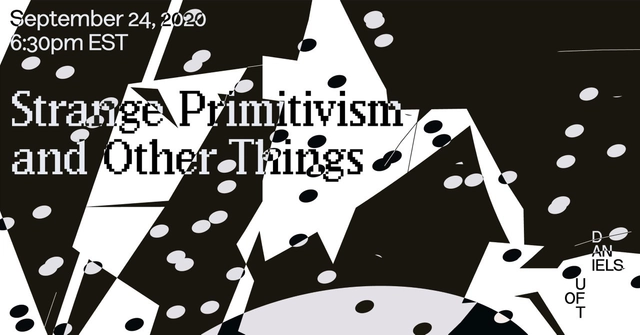
Strange Primitivism and Other Things’ is a conversation between Adrian Phiffer and Tei Carpenter, moderated by Hans Ibelings. It takes as its subject Phiffer’s new book ‘Strange Primitivism’, published by the Architecture Observer in June 2020.
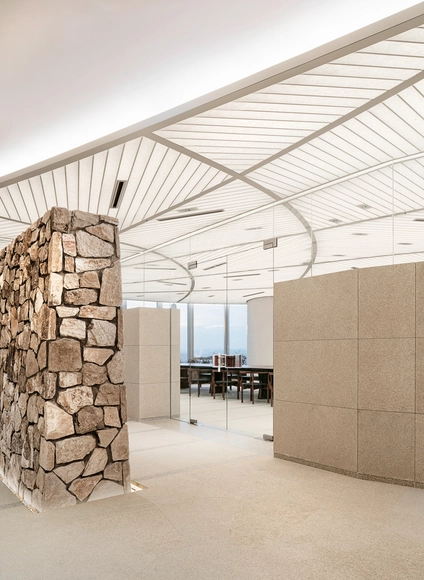
Junichiro Tanizaki, in his book In Praise of Shadows writes, “In darkness, immutable tranquility holds sway.” Designers integrate this interplay of light, color, and shadow in the spaces they imagine — navigating the clarity that light brings alongside the ephemeral mystery of the shadows.
YAF CON 2020: The Empathic Architect convenes a series of engaging conversations about designing with empathy and practicing with intentionality. Join your fellow emerging professionals the week of Oct. 26–Oct. 30 for a daily series of peer-led discussions over lunch and presentations by purposeful — sometimes unconventional — leaders each evening.
A virtual event for architects and designers seeking inspiration and insight. Breakthroughs in technologies, research, and thinking are dramatically transforming the industry at an unprecedented pace. Come together to envision what the future holds for the profession.
Carbon textile-reinforced concrete is a composite of high-performance materials that is corrosion-resistant, thin, light, resource-friendly and environmentally friendly. It provides a basis for long-term endurance in construction, both in new buildings and in renovation or repair. Longevity and economic viability are two essential factors at which the construction industry, as well as research, politics and environmental associations, have demonstrated a keen interest.
Call for international workshop Metaform is now officially open till October 1st, 2020. The event will take place from 19th till the 30th of October 2020 in Tbilisi, Georgia.
Big data, smart systems, machine learning – it is inevitable that these new technologies will change the way we study, build and manage our cities. At the same time resurgent interest in consensus and contributive action seems to oppose an exclusively data-driven urbanism. Is the opposition of machine intelligence and democracy inevitable, or are shared trajectories possible?



.jpg?1600183776&format=webp&width=640&height=580)










.jpg?1600182735 "© Parham Taghioff")
.jpg?1600182829 "© Parham Taghioff")
.jpg?1600183141 "© Parham Taghioff")
.jpg?1600182693 "© Parham Taghioff")
.jpg?1600183776)













.jpg?1600787331&format=webp&width=640&height=580)