
-
Architects: Bárbara Barbi Arquitetura, Murad Sarrià Arquitetura
- Year: 2019
-
Manufacturers: Amém Casa, Arcelor Mittal, Atelie Rodrigo Calixto, Divinal Vidros, Galeria Celma Albuquerque, +4


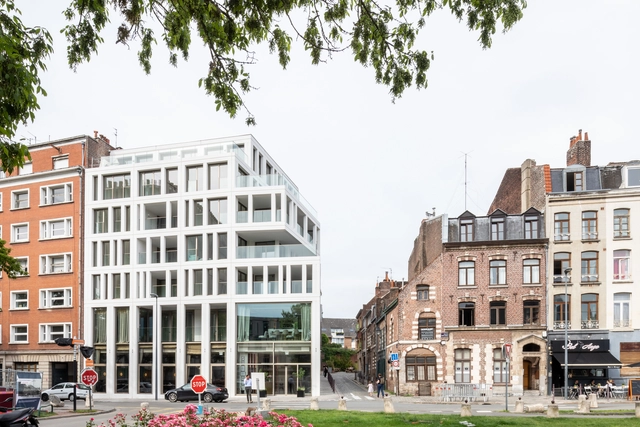


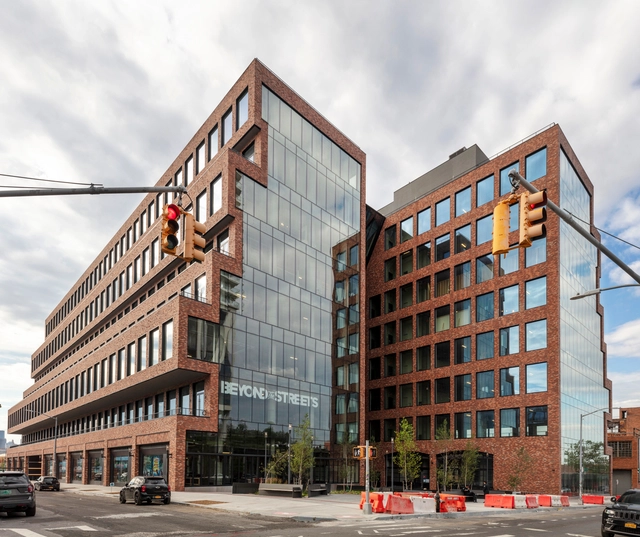
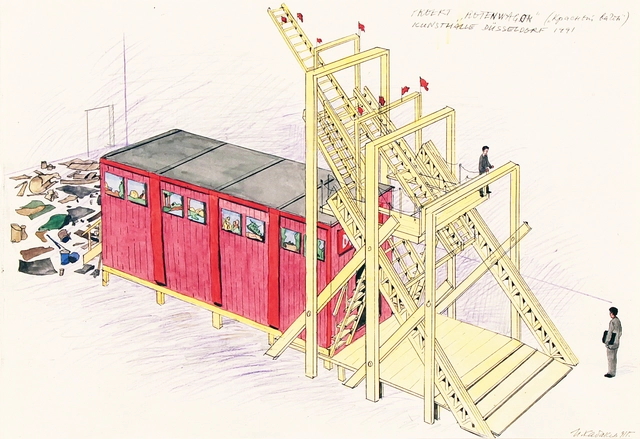
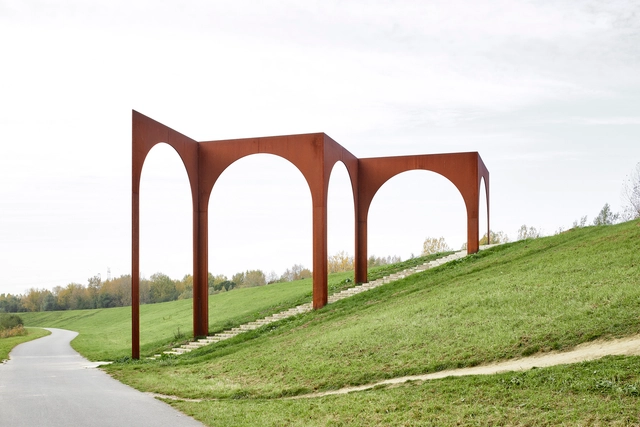
The nexus between architecture and installation art has long been a topic worthy of exploration. Installation transforms space and interacts with the audience; it must be designed, constructed and installed and therefore relies on architectural components.

The Center for Architecture is now accepting for applications for the 2019 Stewardson Keefe LeBrun Travel Grant. The grant provides single or multiple awards of up to $25,000 for early to mid-level architects who wish to further their personal and professional development through travel. Originally conceived as a fund to provide architects with the experience of a European Grand Tour, recipients now explore unique travel research topics around the world. Recent topics include the study of architecture in Siberia, post-revolutionary architecture in Cuba, and a survey of the art of topiary in Europe and the United States, among many others. The Stewardson Keefe LeBrun Travel Grant focuses on self-directed education through travel. Itineraries should be focused on a selected topic of interest to the individual, rather than a part of a larger humanitarian or institutional endeavor.
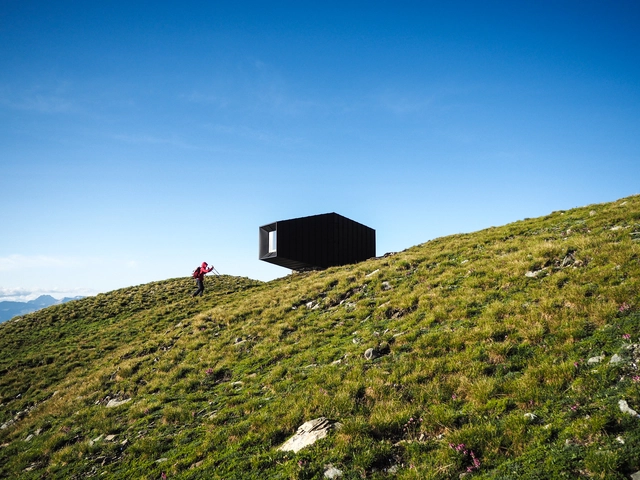

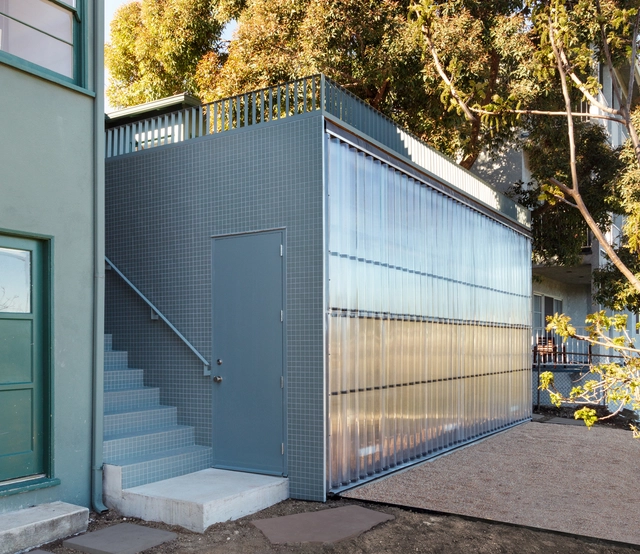

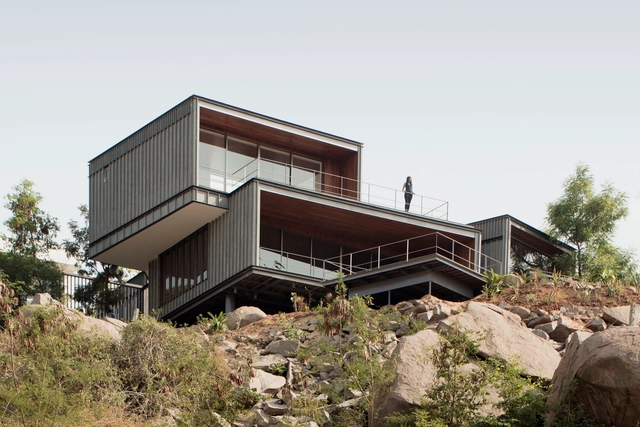
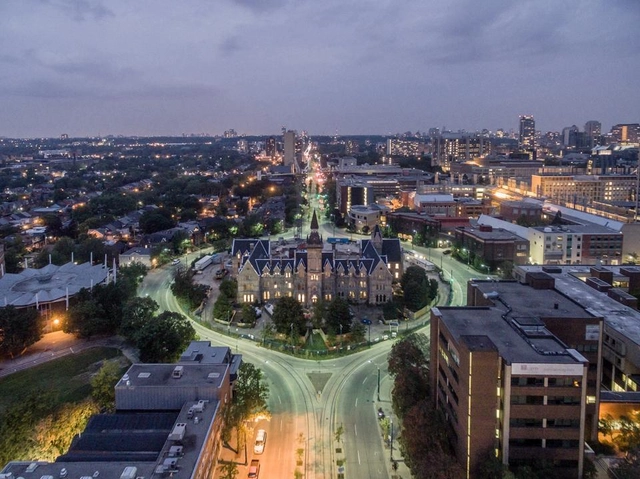
The lecture will briefly explore five questions that highlight the work of the architectural firm founded by George Baird in the late 60's. Renamed Baird Sampson Architects when Barry Sampson became a partner in 1981 and Baird Sampson Neuert architects, when Jon Neuert became a principal in 1998, the firm has been in continuous practice for half a century. Each question encapsulates concerns pertinent to the evolution of the firm's interests and challenges over the decades.
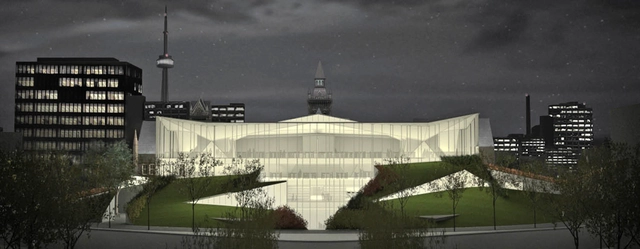
This lecture is being led by Adamo-Faiden which is an architectural firm established in Buenos Aires in 2005 by Sebastián Adamo and Marcelo Faiden. Whose practice extends to the field of teaching and research, and has been internationally recognized by different media and institutions, talk about how the realm of finance and risk management involves the identification, analysis, and mitigation of uncertainty, all of which are necessary for, and inseparable from financial return and performance. The speakers also go over and explore different topics/questions on How can architecture become an instrument of risk management, capable of wielding influence over economics and politics rather than being at the whim of both? And how a discipline that has traditionally been thought of in material and cultural terms be reconsidered in financial and socioeconomic ones?

Although the field of architecture likes to think it is cutting-edge, adamantly liberal, and on the forefront of history, we still look towards the compulsive tendencies of the glorified visionary, their revolutionary thoughts, illuminating process, and iconic vision. This historiography is, in and of itself, an obsession - fetishizing personas, establishing camps, crafting a storyline that awards persuasion and trend over quality and sincerity. In the longstanding tradition of self-made, winner-take-all fanaticism, now more than ever do we see a craving for attention that is pulling (or rather dragging) the field even further from its core values and closer to soulless squander.