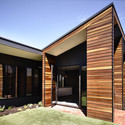
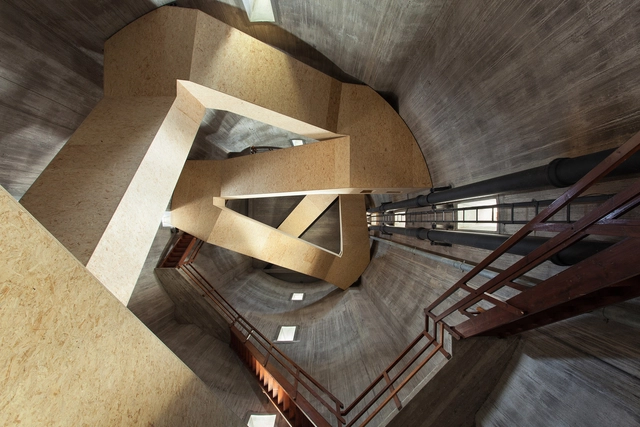
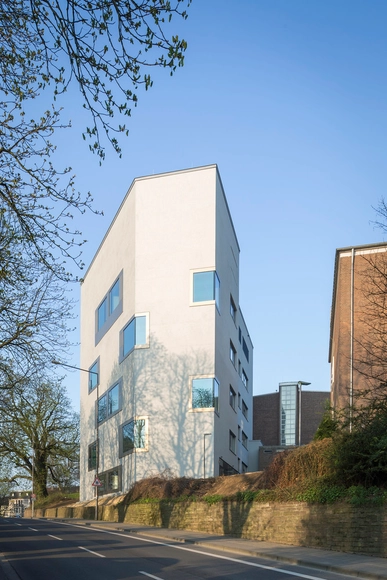
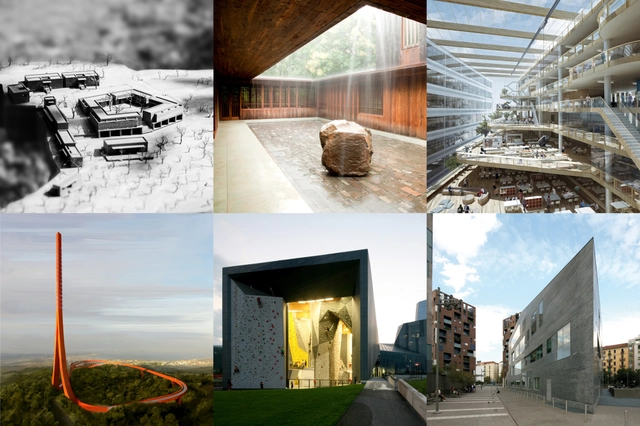
Recent work from panel members. Image Courtesy of Greenhouse Talks
Greenhouse Talks, an auxiliary public lecture series to the 2014 Venice Architecture Biennale, will take place on Thursday, June 5th and Friday, June 6th between 9:00 and 11:00am. During each session, an international panel of professionals - including the founder of MAD Architects, Ma Yansong, and the director of AMO, Reinier de Graaf - will discuss a topic pertaining to Rem Koolhaas' chosen theme for the Biennale: Fundamentals. The first day of discourse will focus on the future of the architectural profession, investigating the potential influence of the market crisis and the intersection of architecture with other disciplines. The second will reflect on the representation of architecture, considering the Western practice of exhibiting architecture projects in museums, institutes, and biennial events and what this practice's adoption might mean for the East. For the full list of panel members and event details, read on after the break.
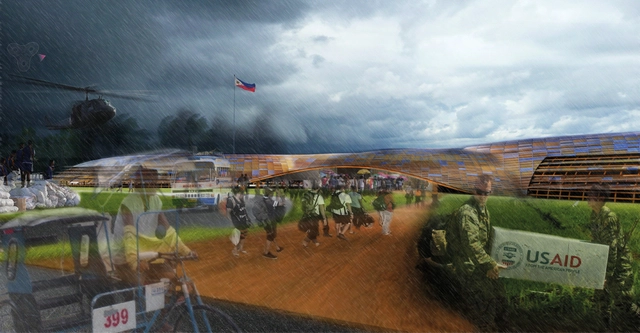
Major natural disasters caused by climate change are becoming an unfortunate certainty worldwide. Prevention of these events is something that no single architect can accomplish, but preparation for them can be. To that end, Open Online Academy (OOAc) has challenged architects worldwide to design disaster-resistant architecture with their online course "Designing Resilient Schools." Architecture firm MAT-TERhas responded to this challenge with a new design for Guiuan National High School in the Philippines, an area hit especially hard by last year’s Typhoon Haiyan. The design is a singular, compact structure designed to better withstand the forces of major storms, doubling as both a school and a community emergency shelter.
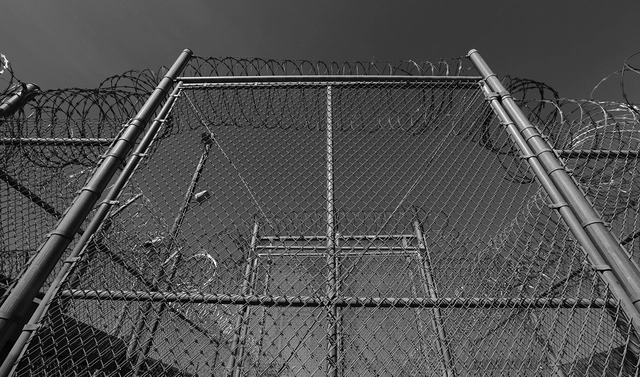
From CLOG. In many countries, architects assume that designing to meet the local building code assures that their buildings are safe for the public. But what if a building’s harm is not in the risk of the building falling down, but in the building performing as intended? If designed for the wrong purpose, can a building be a human rights violation, and if so, what should an architect do about it?
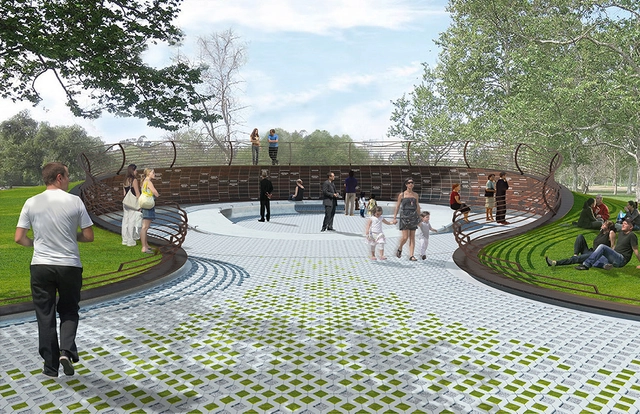
Manhattan-based Zerafa Architecture Studiohas been announced as winner of a competition to design a monument to Orange County’s crime victims. Placed between two natural mounds on axis with Irvine’s Mason Regional Park office, the winning scheme carves a subtle, circular void within the park’s forested landscape that offers a range of experiences to the community.




.jpg?1399039872 "© Spencer Lowell")



























.jpg?1398820300 "© Marco Alberi Auber")