


-
Architects: Verse Design
- Area: 5100 m²
- Year: 2015


.jpg?1559568786&format=webp&width=640&height=580)
.jpg?1544768630)
Either as singular outcroppings or as part of a bustling center, skyscrapers are neck-craning icons across major city centers in the world. A modern trope of extreme success and wealth, the skyscraper has become an architectural symbol for vibrant urban hubs and commercial powerhouses dominating cities like New York, Dubai, and Singapore.
While skyscrapers are omnipresent, 2018 introduced new approaches, technologies, and locations to the high-rise typology. From variations in materiality to form, designs for towers have started to address aspects beyond simply efficiency and height, proposing new ways for the repetitive form to bring unique qualities to city skylines. Below, a few examples of proposals and trends from 2018 that showcase the innovative ideas at work:
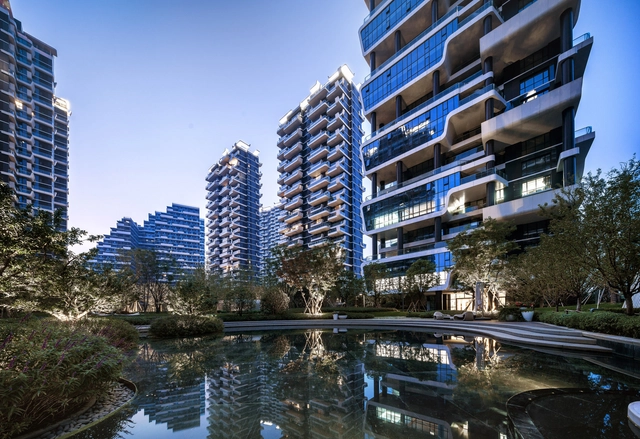
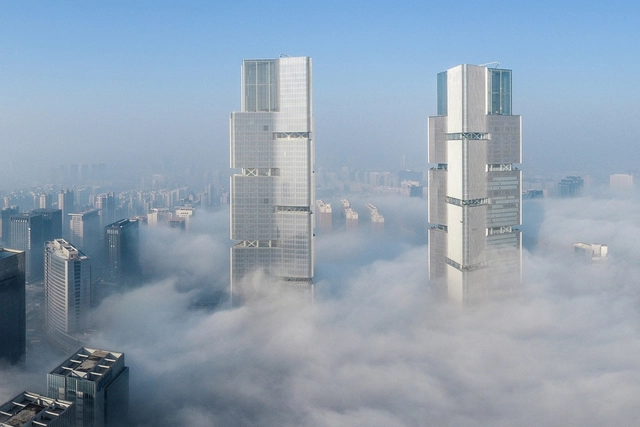
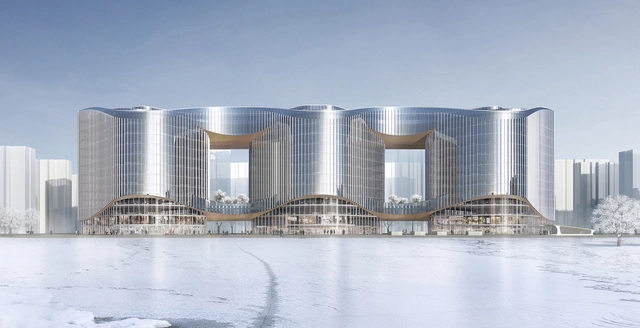
The internationally recognized architecture firm Aedas has unveiled their design for the Zhenghong Property Air Harbour Office Project. The sprawling and interconnected 196 foot-tall three-tower complex is proposed for the city of Zhengzhou, the capital of the Henan Province in central China—one of the regions' largest transportation hubs. Occupying a relatively narrow site, the towers are woven together by a rhythmic glass facade inspired by the formal qualities of the winding Yellow River.


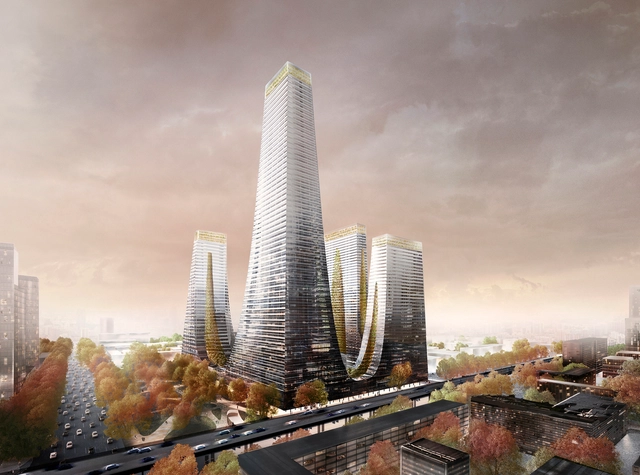
London-based firm Tonkin Liu has released images of its competition-winning Trade Centre in Zhengzhou, China. The Cradle Towers of Zhengzhou will comprise of five mixed-use towers swooping out of a ring-shaped podium. Inspired by the nearby Songshan mountainscape, the scheme aims to celebrate the city’s origins as it rockets into a high-tech future.
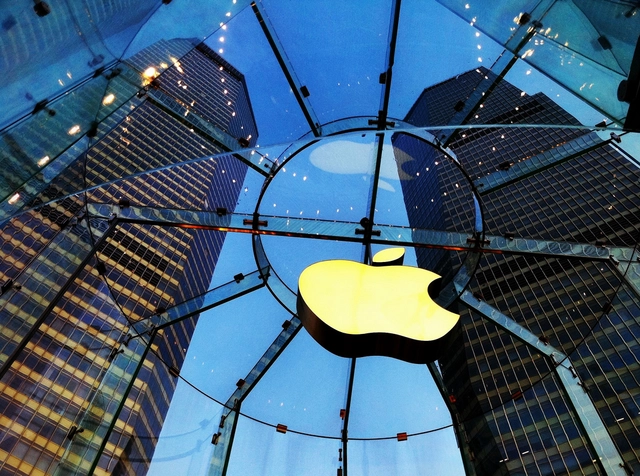
The New York Times has published an in-depth article entitled ‘How China Built iPhone City With Billions in Perks for Apple’s Partners’, revealing a treasure chest of public benefits for the world’s biggest iPhone factory in Zhengzhou, China. In a city of six million inhabitants in an impoverished region of China, the local government has contributed $1.5 billion to Foxconn, Apple’s supplier of iPhones. The money is used, in part, to improve local infrastructure, reduce Foxconn's export costs, and build housing for the factory’s 350,000-strong workforce (five times the number of people employed directly by Apple in the United States).


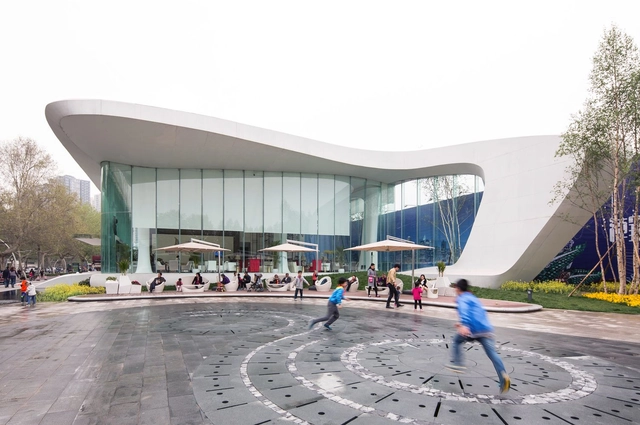
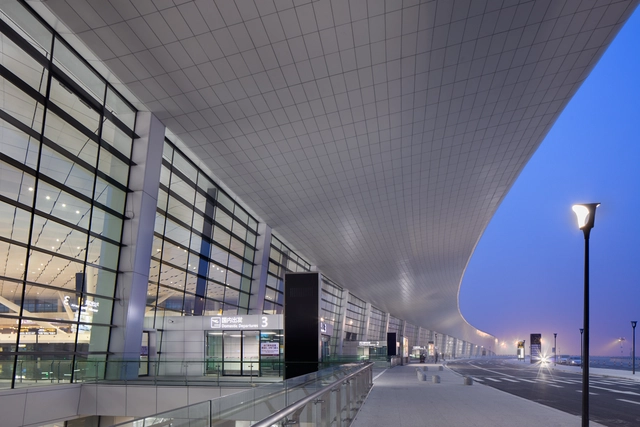
.jpg?1559568811 "© Yijie Hu")
.jpg?1559568665 "© Yijie Hu")
.jpg?1559568690 "© Yijie Hu")
.jpg?1559568760 "© Yijie Hu")
.jpg?1559568786)
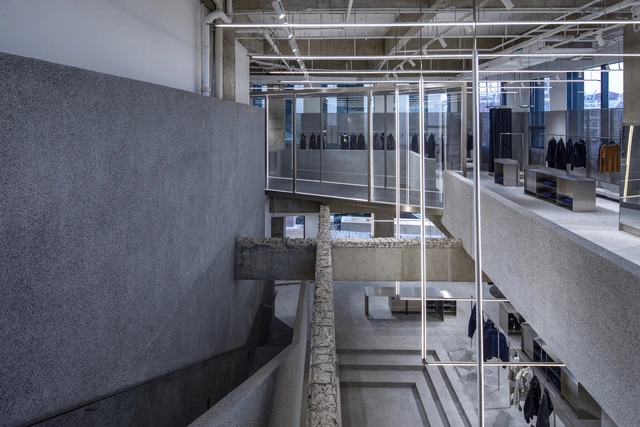





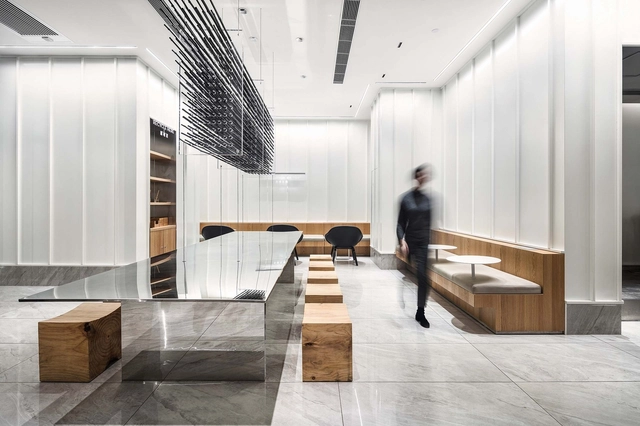











.jpg?1544768953)