1. ArchDaily
  2. Yale

Yale: The Latest Architecture and News

Willow Technologies Transforms Agricultural By-Products Into Building Materials in Ghana

Willow Technologies is a material research and building technology practice that has been selected as part of ArchDaily's 2023 Best New Practices. Founded by Ghanaian-Filipino designer and architectural scientist Mae-Ling Lokko, it operates in the gap between research, development, and diffusion of bio-based building materials. Working with agro-waste and bio-based materials usually incurs technical questions regarding scalability, industrial production, standardization, fireproofing, and mechanical strength. Exploring this data is where Willow Technologies situates itself, but peculiarly through the lens of developing regions in West Africa. Through comprehensive works with coconuts, moringa, rice, and other indigenous crops, Lokko’s practice has been able to investigate and catalog the material character of various crops, their possible by-products, local transformation techniques, and the prospect and challenges of scalability as building materials.


Willow Technologies Transforms Agricultural By-Products Into Building Materials in Ghana - Image 1 of 4Willow Technologies Transforms Agricultural By-Products Into Building Materials in Ghana - Image 2 of 4Willow Technologies Transforms Agricultural By-Products Into Building Materials in Ghana - Image 3 of 4Willow Technologies Transforms Agricultural By-Products Into Building Materials in Ghana - Image 4 of 4Willow Technologies Transforms Agricultural By-Products Into Building Materials in Ghana - More Images+ 9

Are School Rankings a Thing from the Past? 16 Architecture Deans Criticize these Surveys in Official Statement

In a letter published on MIT's School of Architecture and Planning’s website, 16 deans from prominent architecture schools in the U.S, explain their position to stop participating in the annual survey that ranks universities. "Design education is not a popularity contest. Although generally our schools have been highly ranked in past DesignIntelligence reports and benefitted from the attention, we believe that it is time to stop participating", declares the statement signed by scholars, deans, and department chairs of MIT, Harvard, Columbia, Princeton, Yale, Rice, and UCLA, to name a few.

Stating clearly their position to boycott future ranking, the decision came after two years of informal discussions where the methodologies used behind these academic surveys were questioned, as well as their consequences. In fact, the letter adds that "however well-intentioned they may be, we believe that the DI rankings have the potential to create a disservice to the public". 

From Architecture School to Practice: How Famous and Emerging Figures Made the Transition

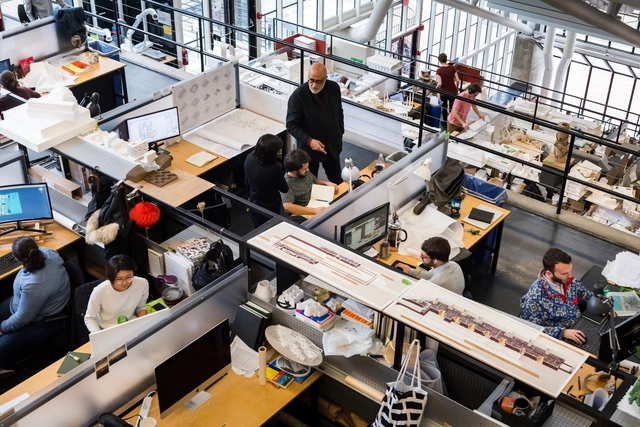
Architecture school is a place of experiment and a testing ground for innovative ideas. The academic work and student projects can bring to light the focus of an entire career, shape the backbone for an architectural theory, and crystalize values. How do their studies and formative years reflect on the later work of different architects? Taking a journey along decades, we explore the transition from architecture school to practice, the reverberance of academic explorations and early projects in the work of several architects and practices, highlighting the different pivotal steps that have shaped the beginning of their architectural journey.

From Architecture School to Practice: How Famous and Emerging Figures Made the Transition - Films & ArchitectureFrom Architecture School to Practice: How Famous and Emerging Figures Made the Transition - Films & ArchitectureFrom Architecture School to Practice: How Famous and Emerging Figures Made the Transition - Films & ArchitectureFrom Architecture School to Practice: How Famous and Emerging Figures Made the Transition - Films & ArchitectureFrom Architecture School to Practice: How Famous and Emerging Figures Made the Transition - More Images+ 3

Call for Submissions: Fetishes and Obsessions and Trends (Oh My!) — Paprika! Volume 5, Issue 7

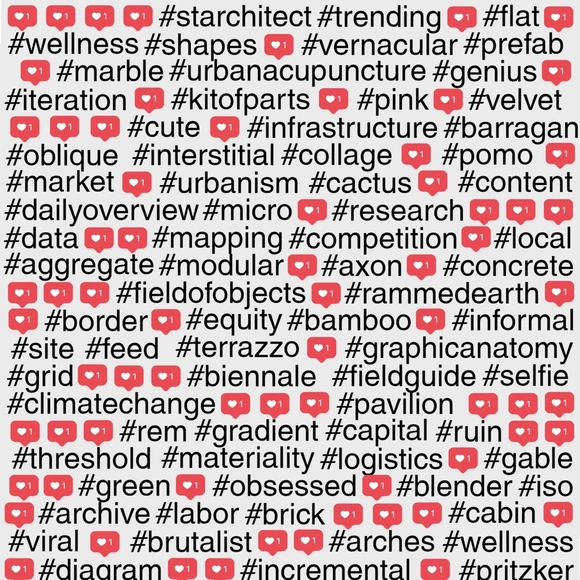
Although the field of architecture likes to think it is cutting-edge, adamantly liberal, and on the forefront of history, we still look towards the compulsive tendencies of the glorified visionary, their revolutionary thoughts, illuminating process, and iconic vision. This historiography is, in and of itself, an obsession - fetishizing personas, establishing camps, crafting a storyline that awards persuasion and trend over quality and sincerity. In the longstanding tradition of self-made, winner-take-all fanaticism, now more than ever do we see a craving for attention that is pulling (or rather dragging) the field even further from its core values and closer to soulless squander.