1. ArchDaily
  2. Workplace Design

Workplace Design: The Latest Architecture and News

Designing for Movement in a Workplace Built for Sitting

 | In Collaboration

For all the spatial experimentation of the contemporary workplace, one condition has remained largely unchanged: people are still sitting. Studies suggest that office workers spend up to 89% of their working day seated—close to 36 hours a week—despite decades of ergonomic awareness. As workplaces become more flexible, social, and design-led, this contradiction becomes harder to ignore.

The office is no longer organized around a single mode of operation, nor by a fixed spatial logic. Work has become multifunctional, shifting between collaboration and concentration, collective exchange and individual focus. In response, architecture and interior design are moving away from uniform, repetitive layouts towards environments that reflect the variability of human behavior.

Moving Beyond Metrics Toward Neuroinclusive Daylighting

 | In Collaboration

Loud noises, the continuous hum of equipment, abrupt changes in light, or intense reflections often go unnoticed. For neurodivergent individuals, these stimuli can provoke significant discomfort or even intense physical and cognitive reactions. The term "neurodivergent" refers to people whose neurological functioning differs from what is considered typical, encompassing conditions such as autism, ADHD, and dyslexia, as their brain  processes information differently, particularly in relation to sensory input, attention and emotional regulation. 

Yet light is not only visual, it is neurological. How it enters a space, moves across surfaces, and changes over time can profoundly affect cognitive comfort. Extreme contrasts, glare, direct beam penetration, and rapid variations in brightness require constant adjustment from the visual systems and, for individuals with greater sensory sensitivity, this effort can translate into fatigue, distraction, or discomfort.

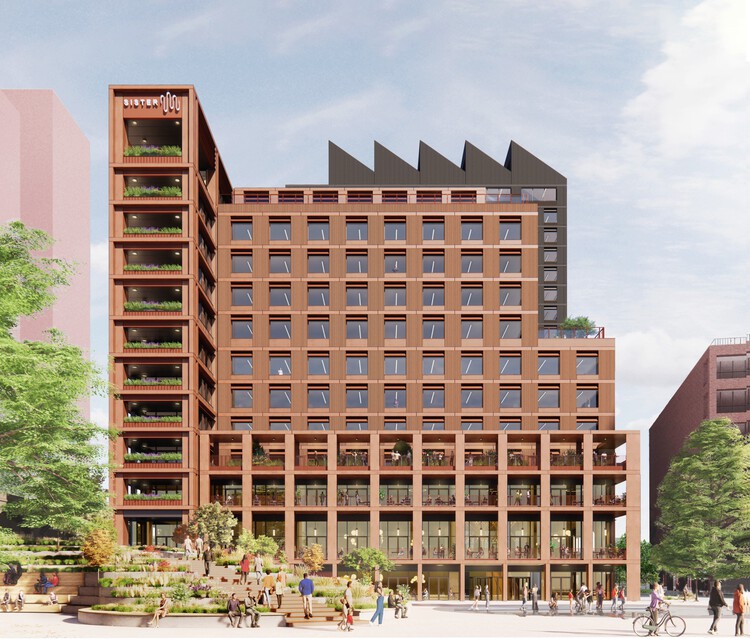
Allies and Morrison and SLA’s Plot C at Manchester’s Sister District Receives Planning Approval

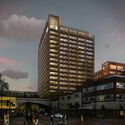
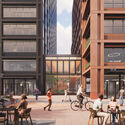
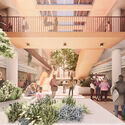
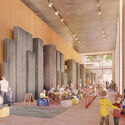
Plot C, Sister, Manchester, a pair of linked commercial buildings located on the north-east corner of the Sister campus, has received planning approval from Manchester City Council. Designed by Allies and Morrison and SLA for client Sister, a joint venture between the University of Manchester and Bruntwood SciTech, the scheme represents the first major new-build phase of the master plan for Manchester's emerging innovation district. With a total gross external area of approximately 81,000 square metres, the development is positioned as one of the city's largest new workplace-led projects, marking a key moment in the phased transformation of the site.

Allies and Morrison and SLA’s Plot C at Manchester’s Sister District Receives Planning Approval - Image 1 of 4Allies and Morrison and SLA’s Plot C at Manchester’s Sister District Receives Planning Approval - Image 2 of 4Allies and Morrison and SLA’s Plot C at Manchester’s Sister District Receives Planning Approval - Image 3 of 4Allies and Morrison and SLA’s Plot C at Manchester’s Sister District Receives Planning Approval - Image 4 of 4Allies and Morrison and SLA’s Plot C at Manchester’s Sister District Receives Planning Approval - More Images+ 3

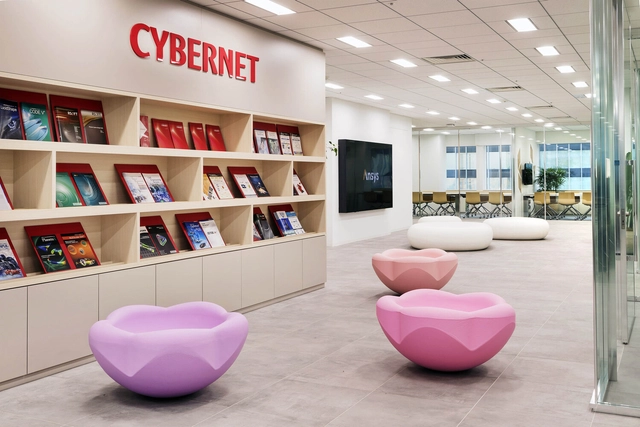
Light, Material, Reaction: How Active Surfaces® Transform Cybernet Systems’ Tokyo Headquarters

 | Sponsored Content

The new headquarters for Cybernet Systems was designed around the Japanese architectural concept of flexibility, promoting well-being, collaboration, and productivity. As a global leader in Computer-Aided Engineering, supporting industrial production through advanced digital solutions, the headquarters, located in the Fuji Soft Akihabara Building in Tokyo, embodies the company's commitment to creating a dynamic, technology-driven community.  

Developed by MB-AA (Matteo Belfiore Architect & Associates) and Shukoh, in collaboration with Cybernet Systems, the project translates corporate values into spatial design. Minimalism, natural light, and openness define the environment. Transparent partitions and adaptable layouts foster communication while allowing each employee to personalize their workspace. Well-being, creativity, flexibility, and technology form the core of the project.

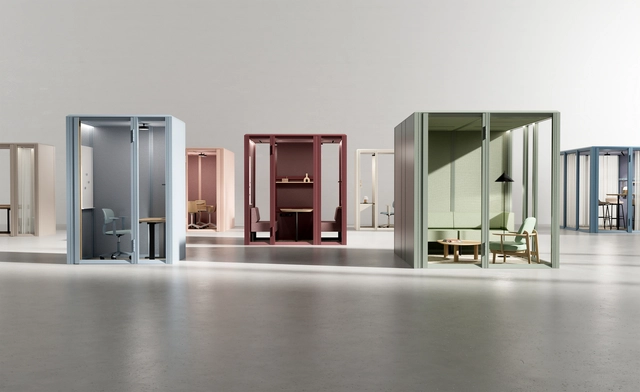
Mute Redefines Office Pods With the Largest Collection Ever Presented

 | Sponsored Content

Mute, a pioneer in adaptable office architecture, has introduced Modular Pods—the largest and first truly adaptable pod collection on the market. Offering an unparalleled variety in sizes, unlimited customization options, and leading accessibility solutions, Mute'Modular Pods set new benchmarks for the entire product category.

Shared Silence, Vibrant Dialogues: Design Strategies for Overlooked Spaces in the Workplace

 | Sponsored Content

What is the meaning of architectural space if it is not used and enjoyed? This big picture question drills down to the essential purpose and sustainability of building architecture in the first place. It's a question that is perhaps most relevant today for offices that risk lying empty in an era of remote and hybrid work. An important challenge for design today is therefore to enhance the workplace environment to encourage attendance.

Investing in Wellbeing: How Healthy Workspaces Drive Productivity and Profit

Subscriber Access | 

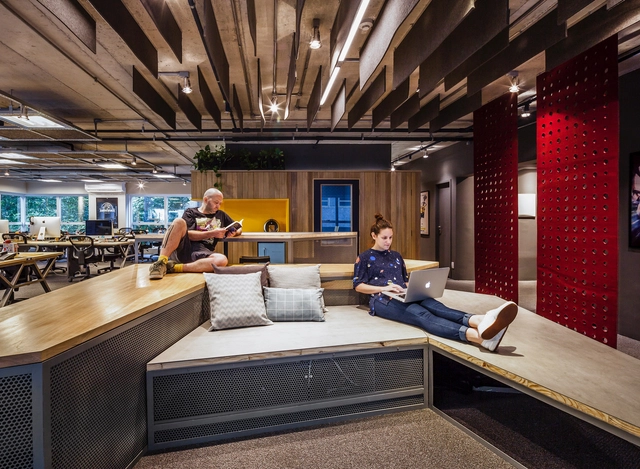
Beyond aesthetics, the design of our workplaces directly impacts our health. Studies reveal a clear link between poor light quality and limited access to natural views with increased sick leave. Smoke-free policies have been demonstrably effective, reducing smoking prevalence by 3.8% and lowering tobacco consumption by a significant 3.1 cigarettes per day for continuing smokers. Workplaces can either support wellbeing or be a detriment to it. Conscious office design can blend aspects of health in spaces to cultivate physical, mental, and social well-being.

Investing in Wellbeing: How Healthy Workspaces Drive Productivity and Profit  - Image 1 of 4Investing in Wellbeing: How Healthy Workspaces Drive Productivity and Profit  - Image 2 of 4Investing in Wellbeing: How Healthy Workspaces Drive Productivity and Profit  - Image 3 of 4Investing in Wellbeing: How Healthy Workspaces Drive Productivity and Profit  - Image 4 of 4Investing in Wellbeing: How Healthy Workspaces Drive Productivity and Profit  - More Images+ 2

Third Places in the United States: Commercialized or Community-Centered?

Subscriber Access | 

The modern world is disconnected. Online interactions dominate the daily lives of people across the world. This shift is not just a result of the rise of the internet, but also a stark reflection of the decline of public spaces, particularly third places. Third places, once essential for promoting community and social cohesion, have evolved drastically over the past few decades. In today's commercialized landscape, third places face plenty of demands from users and designers alike, calling for a need to reconsider their accessibility and purpose.

Third Places in the United States: Commercialized or Community-Centered? - Image 1 of 4Third Places in the United States: Commercialized or Community-Centered? - Image 2 of 4Third Places in the United States: Commercialized or Community-Centered? - Image 3 of 4Third Places in the United States: Commercialized or Community-Centered? - Image 4 of 4Third Places in the United States: Commercialized or Community-Centered? - More Images+ 3

Architecture for Neurodiversity: Designing for Control, Choice, and the Senses

Publicly occupied spaces can be overwhelming. Airports, schools, stadiums, and workplaces all feature environments with visual chaos that can be disorienting and stressful for individuals, especially those who are neurodiverse. The bombardment of stimuli, unpredictable movements, and competing visual information can create barriers to occupant comfort. Architects are regularly encouraged to create spaces that recognize and honor individual differences. Designing for neurodiversity is one way of championing inclusivity and extending principles of universal design.

Architecture for Neurodiversity: Designing for Control, Choice, and the Senses - Image 1 of 4Architecture for Neurodiversity: Designing for Control, Choice, and the Senses - Image 2 of 4Architecture for Neurodiversity: Designing for Control, Choice, and the Senses - Image 3 of 4Architecture for Neurodiversity: Designing for Control, Choice, and the Senses - Image 4 of 4Architecture for Neurodiversity: Designing for Control, Choice, and the Senses - More Images+ 3

How Architecture Drives Scientific Discovery: Lab and Research Facility Design Across Scales

Subscriber Access | 

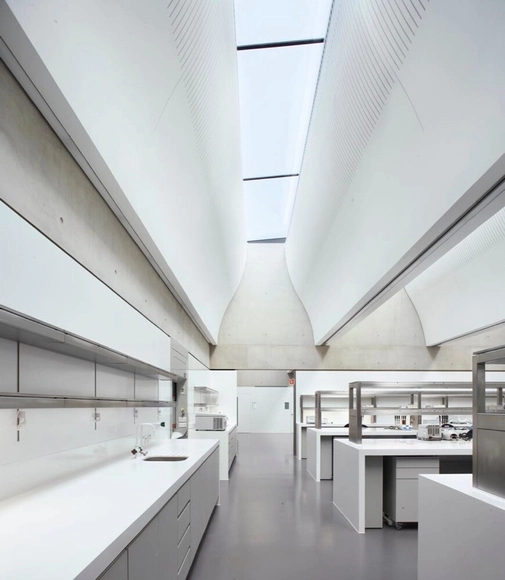
The synergetic relationship between architectural design and scientific discovery tends to be rarely addressed, yet a lucrative proposition. The built environment holds immense potential in supporting research breakthroughs and innovation and the scientific community. The influence extends beyond physical spaces to include both internal dynamics and external engagement through strategic design interventions that connect various caches of impact, from individual researchers to the broader community.

How Architecture Drives Scientific Discovery: Lab and Research Facility Design Across Scales  - Image 1 of 4How Architecture Drives Scientific Discovery: Lab and Research Facility Design Across Scales  - Image 2 of 4How Architecture Drives Scientific Discovery: Lab and Research Facility Design Across Scales  - Image 3 of 4How Architecture Drives Scientific Discovery: Lab and Research Facility Design Across Scales  - Image 4 of 4How Architecture Drives Scientific Discovery: Lab and Research Facility Design Across Scales  - More Images+ 3

An Eden within the Workplace: Flexible Pods with Biophilic and Human-Centered Design

 | Sponsored Content

Winston Churchill once wisely stated, "We shape our buildings, and in turn, our buildings shape us," a reflection that highlights how architecture, in its dynamic nature, responds to functional needs and molds the experiences of its users. Workplaces have been no exception, evolving with the social and technological changes that have redefined our understanding of organizational interactions. Almost in the blink of an eye, the once-restrictive cubicles and closed offices have made way for open layouts, while hybrid models have transformed offices into destination spaces. Furniture elements like office pods are at the forefront of this change—balancing collaboration and privacy. Designed to adapt, they have continually evolved alongside the shifting demands of modern workspaces and their inhabitants.

How Tech Parks Are Replacing Central Business Districts in India

Subscriber Access | 

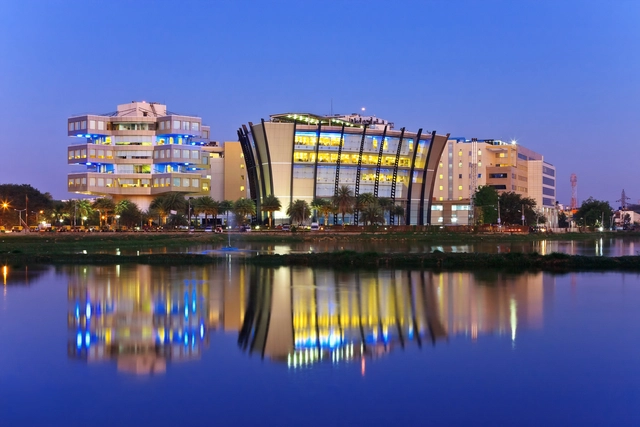
India is often recognized for its thriving technology industry, with a reputation for producing a substantial number of skilled tech professionals each year. This has attracted a dynamic technology ecosystem that increasingly draws global companies to establish operations in the country. The rise of tech parks has become a key strategy for harnessing this talent and resources, cultivating an environment conducive to innovation. What impact do these tech parks have on the urban landscape of Indian cities?

How Tech Parks Are Replacing Central Business Districts in India - Image 1 of 4How Tech Parks Are Replacing Central Business Districts in India - Image 2 of 4How Tech Parks Are Replacing Central Business Districts in India - Image 3 of 4How Tech Parks Are Replacing Central Business Districts in India - Image 4 of 4How Tech Parks Are Replacing Central Business Districts in India - More Images+ 3

The Future of Work: Sentient Workplaces for Employee Wellbeing 

Subscriber Access | 

Imagine stepping into an environment that fully understands you, knows your habits, and actively works to support your wellbeing as an occupant. Air quality might be monitored and managed, and occupant circadian rhythms might be tracked to suggest ideal states of productivity. Workplace designers have been considering occupant wellbeing and health in their designs for offices of the future. Hypothesizing what time ahead may contain, there is a strong case to be made for sentient architecture and interior design being disruptive forces in how we interact with our work environments.

The Future of Work: Sentient Workplaces for Employee Wellbeing  - Image 1 of 4The Future of Work: Sentient Workplaces for Employee Wellbeing  - Image 2 of 4The Future of Work: Sentient Workplaces for Employee Wellbeing  - Image 3 of 4The Future of Work: Sentient Workplaces for Employee Wellbeing  - Image 4 of 4The Future of Work: Sentient Workplaces for Employee Wellbeing  - More Images+ 2

MVRDV Unveils Design for a Colorful Office Building Clad in Pretty Plastic Shingles in Germany

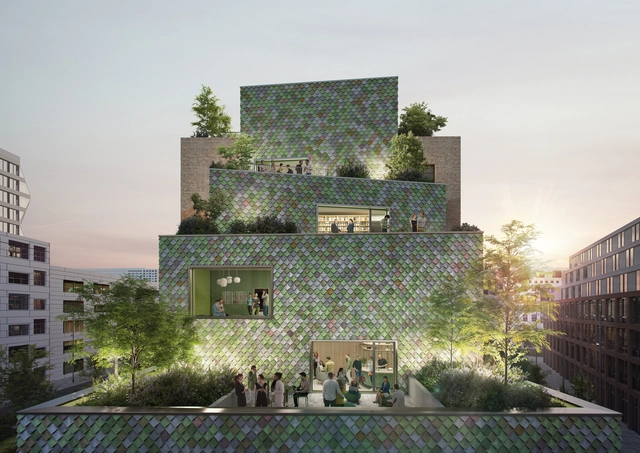
MVRDV has revealed its design for Monaco, a six-story office building situated in Munich's transforming Werksviertel neighborhood. This region, previously known for its industrial past and later as a cultural hotspot, has been evolving into a dynamic work-and-leisure district since 2016. Positioned near MVRDV's earlier project, WERK12, the Monaco building uses recycled materials and distinctive shapes to create a balanced "work and play" office environment, inspired by the color and creative spirit of the Kultfabrik era.

MVRDV Unveils Design for a Colorful Office Building Clad in Pretty Plastic Shingles in  Germany - Image 1 of 4MVRDV Unveils Design for a Colorful Office Building Clad in Pretty Plastic Shingles in  Germany - Image 2 of 4MVRDV Unveils Design for a Colorful Office Building Clad in Pretty Plastic Shingles in  Germany - Image 3 of 4MVRDV Unveils Design for a Colorful Office Building Clad in Pretty Plastic Shingles in  Germany - Image 4 of 4MVRDV Unveils Design for a Colorful Office Building Clad in Pretty Plastic Shingles in  Germany - More Images+ 2

A Skyscraper in China and Headquarters in France: 8 Unbuilt Offices Submitted by the ArchDaily Community

Subscriber Access | 

In the evolving landscape of workplace design and office architecture, the boundaries of creativity and functionality are constantly being pushed. From futuristic skyscrapers to co-working spaces, the future of work environments respond to the dynamic needs of modern businesses and their employees. This week's curated selection of Unbuilt Architecture focuses on office, workplace, and administrative buildings submitted by the ArchDaily Community.

The realm of office architecture is a chance for designers to innovate and influence work cultures. From the Sinuating Flow High-Rise in Chongqing, China, drawing inspiration from the surrounding mountains and valleys to the Parisian GRDF Headquarters reimagining urban offices as small city districts. The ABS Workspace integrates maritime elements into its workplace design, while the FUTURA tower in Kyiv breaks conventional norms with artistic and sculptural forms and the use of black. Together, these projects showcase the diversity in office architecture, each working within a context to offer unique solutions to sustainable work environments.

A Skyscraper in China and Headquarters in France: 8 Unbuilt Offices Submitted by the ArchDaily Community - Image 13 of 4A Skyscraper in China and Headquarters in France: 8 Unbuilt Offices Submitted by the ArchDaily Community - Image 23 of 4A Skyscraper in China and Headquarters in France: 8 Unbuilt Offices Submitted by the ArchDaily Community - Image 35 of 4A Skyscraper in China and Headquarters in France: 8 Unbuilt Offices Submitted by the ArchDaily Community - Image 42 of 4A Skyscraper in China and Headquarters in France: 8 Unbuilt Offices Submitted by the ArchDaily Community - More Images+ 44

The Employee Experience: Designing Workplaces from User Research

Subscriber Access | 

The average person spends approximately 90,000 hours, equivalent to one-third of a lifetime, at work. The workplace can be a second home to adults, and spending multiple hours has fueled a longstanding desire for change within the workplace. Over the decades, various factors, including pandemics, economic crises, and changing generational preferences, have impacted the nature of work and the places people work in. The recent phenomena of the Great Resignation and the widespread adoption of remote and hybrid work arrangements have accelerated the transformation of workplaces. In response, organizations are increasingly prioritizing the overall employee experience, recognizing the need to create environments that accommodate evolving work structures while fostering satisfaction, engagement, and well-being among their workforce.

The Employee Experience: Designing Workplaces from User Research  - Image 1 of 4The Employee Experience: Designing Workplaces from User Research  - Image 2 of 4The Employee Experience: Designing Workplaces from User Research  - Image 3 of 4The Employee Experience: Designing Workplaces from User Research  - Image 4 of 4The Employee Experience: Designing Workplaces from User Research  - More Images

A Production Facility in Bulgaria and a Bank Headquarters in Iran: 7 Unbuilt Work Environments Submitted by the ArchDaily Community

Subscriber Access | 

Office spaces in design and architecture play a crucial role in shaping the way we work and interact in professional environments. They are thoughtfully designed to promote healthy output, encourage teamwork, and give workers a welcoming and motivating environment. After the Covid-10 pandemic, work lifestyles underwent a significant transformation. As a result, companies have been adapting and redesigning new ways of working, implementing flexible schedules and hybrid work policies.

This evolution in work lifestyles has father influenced office design, now more focused on prioritizing health, safety, personal space, and collaboration. Office spaces in design and architecture have been adapting to the changing work landscape for decades. As they evolve to meet the changing needs of the workforce, various design iterations are explored, promoting different values.

This week’s curated selection of Best Unbuilt Architecture showcases projects submitted by the ArchDaily community highlighting different office spaces. Ranging from a more formal bank headquarters in Switzerland to a mixed-use business center in Ukraine, these designs heavily influence the way in which people work in the spaces.

A Production Facility in Bulgaria and a Bank Headquarters in Iran: 7 Unbuilt Work Environments Submitted by the ArchDaily Community - Image 1 of 4A Production Facility in Bulgaria and a Bank Headquarters in Iran: 7 Unbuilt Work Environments Submitted by the ArchDaily Community - Image 2 of 4A Production Facility in Bulgaria and a Bank Headquarters in Iran: 7 Unbuilt Work Environments Submitted by the ArchDaily Community - Image 16 of 4A Production Facility in Bulgaria and a Bank Headquarters in Iran: 7 Unbuilt Work Environments Submitted by the ArchDaily Community - Image 23 of 4A Production Facility in Bulgaria and a Bank Headquarters in Iran: 7 Unbuilt Work Environments Submitted by the ArchDaily Community - More Images+ 33

Sustainable Seating Solutions for Well-Being in the Workplace

 | Sponsored Content

Choosing the appropriate working elements –such as furniture, lighting, flooring, and other equipment– is key for creating an optimal workplace environment. With a positive impact on productivity, as well as the comfort and well-being of team members, designing workplace elements that integrate sustainable, wellness and aesthetic qualities implies a deep understanding of the interactions between these three areas. Minimizing the environmental impact and prioritizing well-being throughout the design process, while also considering the resulting aesthetics, Boss Design’s Sia Task Chair defines a new standard for workplace design.