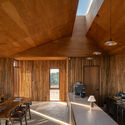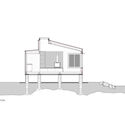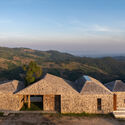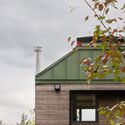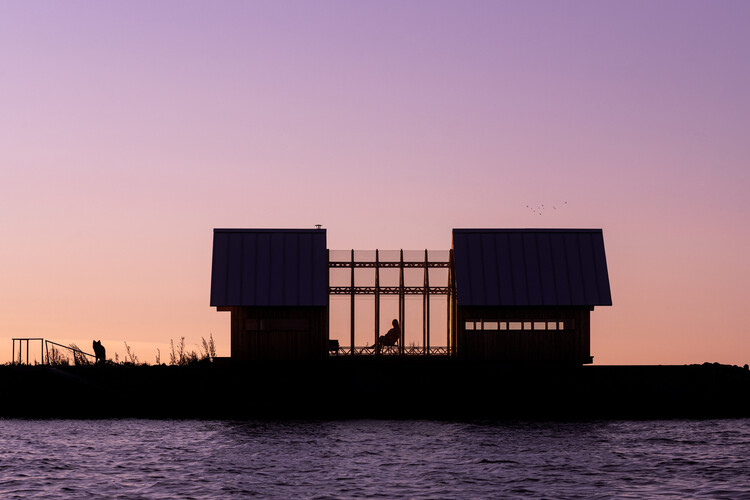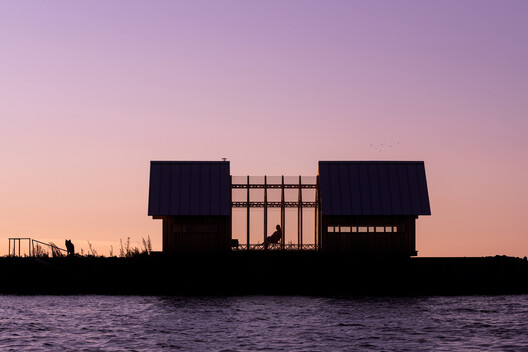
Cabins offer architects opportunities to experiment playfully with architectural form, materials, landscaping, and spatial configurations. Their compact footprints, relatively simple programs, and close proximity to the natural surroundings allow for unconventional design approaches and the ability to test experiential, architectural ideas. Often constructed as spaces of rest, cabin architecture encourages architects to prioritize the experience of inhabiting a space, exploring how individual design elements contribute to the character and atmosphere of the interior.
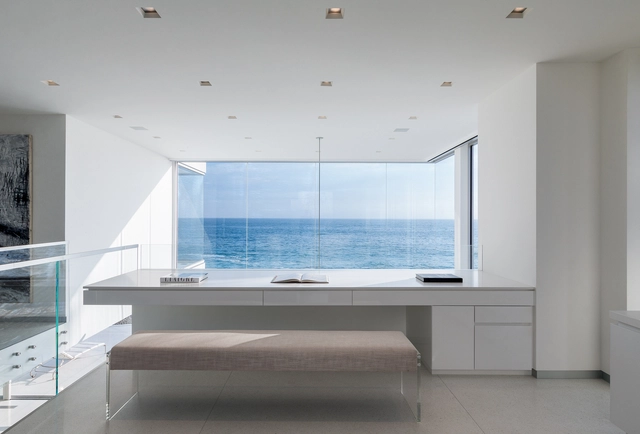
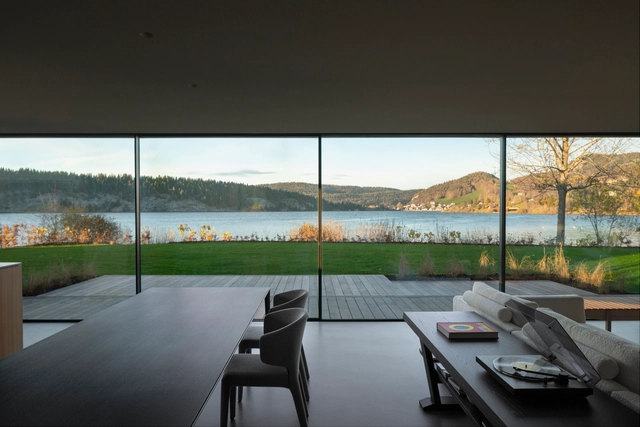
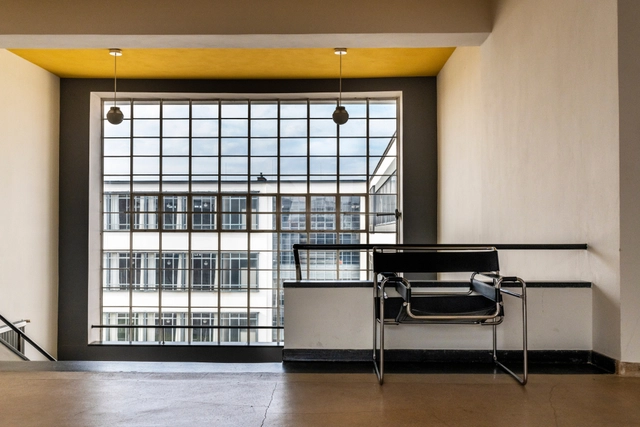
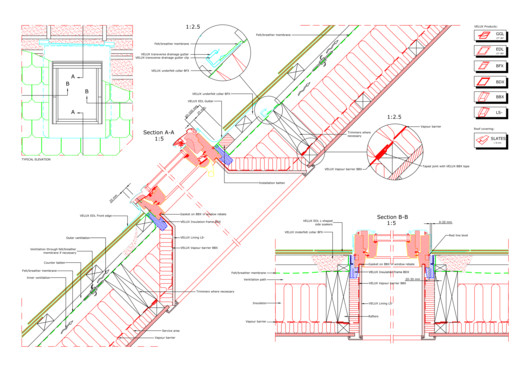
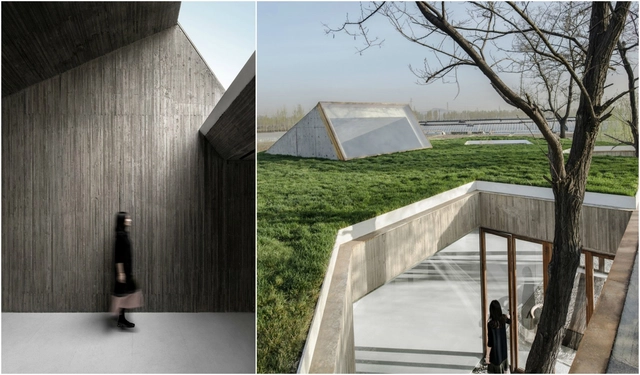
Natural light plays an important role in shaping this experience, particularly in compact spaces where the placement of openings will significantly influence spatial perception. While conventional window openings establish visual connections with the surrounding landscape, skylights introduce daylighting from above and create a unique opportunity to observe seasonal variations and the movement of shadows during the day. Beyond providing natural light for the inhabitants, well-designed skylights create a dynamic relationship with natural light and establish a closer connection to the surrounding environment and day.