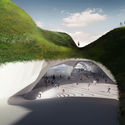
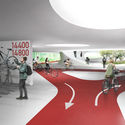
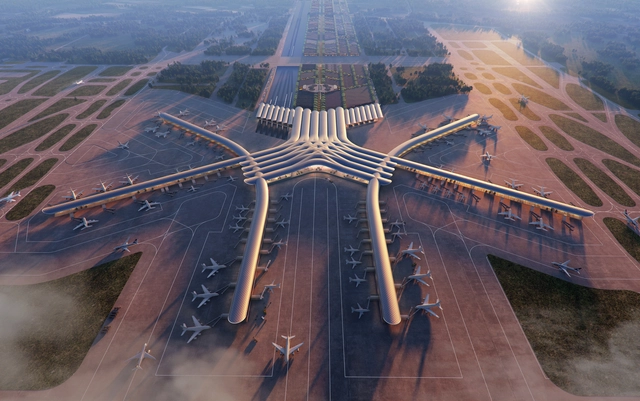
A Foster + Partners and Buro Happold consortium has been announced as the winners of the competition to design the new CPK airport, situated between Warsaw and Łódź, in Poland. The project is envisioned as a 21st-century transport interchange, bringing together air, rail, and road. The design seeks to strike a balance between operational efficiency, environmental responsibility, and a symbolic expression that reflects the country’s national identity. Initially, the airport will serve up to 40 million passengers but is planned to easily expand to meet the 65 million passengers target in 2060.
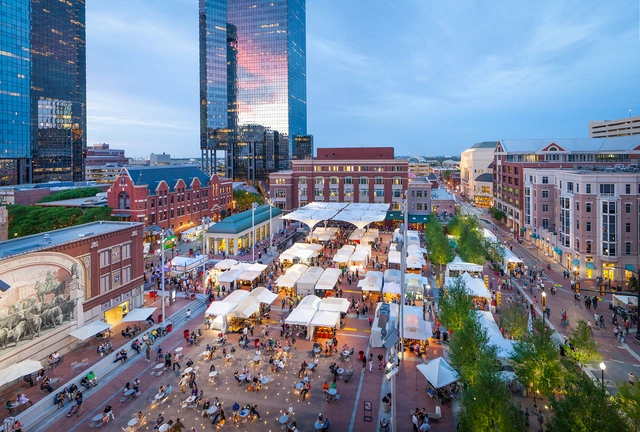
Sundance Square, a new central place for the city of Fort Worth, TX, USA. Image Courtesy of PPS
Public spaces play a significant role in organizing the life of every community but defining what differentiates them from other spaces within the city is not an easy task. Once these spaces start to settle into the collective memory of the local communities, they become key elements that concentrate the mental image of a city. While this process usually happens with urban spaces, monuments and isolated architectural elements can also become markers for the urban life of an area. So, what happens when dramatic events like fires, war, or even the pandemic alter that image?
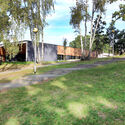
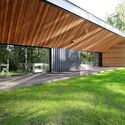
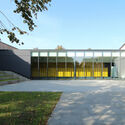
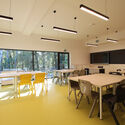
Titled "Trouble in Paradise", the Polish pavilion at the 17th International Architecture Exhibition – La Biennale di Venezia, will explore the countryside and observe how rural areas are an important element of building sustainable human environments, given the crises the world is surrounded with today. Curated by PROLOG +1 along with an international group of architects and artists, the national pavilion will be on physical display at the Giardini di Venezia, and online from May 22nd to November 21st, 2021.
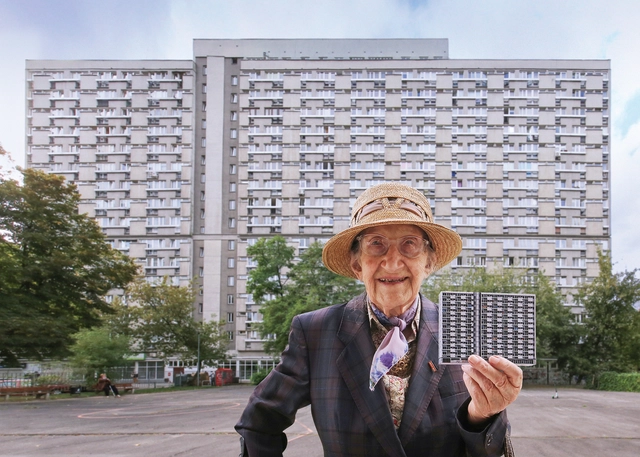
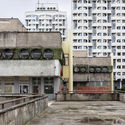
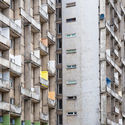
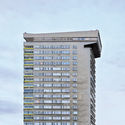
Recent years have prompted a rediscovery and a re-framing of some of the more controversial architectural phenomenons of the past century, with Brutalist architecture coagulating significant interest through its sheer scale, powerful expression and purist forms. Brutalist architecture across the former Eastern Bloc is inextricably associated with the totalitarian regimes that marked the history of this part of Europe during the last half of the 20th century. Following in line with the architecture of the Eastern Bloc, Poland’s urban landscape is dotted with large-scale prefab housing estates and stark brutalist public buildings constructed during the country’s Communist rule.
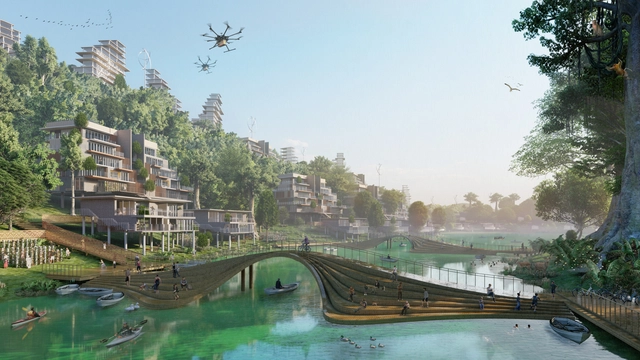
“The Infinite City” smart city design for Indonesia New Capital. Image Courtesy of AntiStatics Architecture
Presented part of international competitions, this week’s best-unbuilt architecture gathers award-winning projects submitted by our readers. Highlighting as usual diverse approaches from across the globe, ArchDaily is rounding up in this article, a curated selection of cultural, civic, and urban proposals.
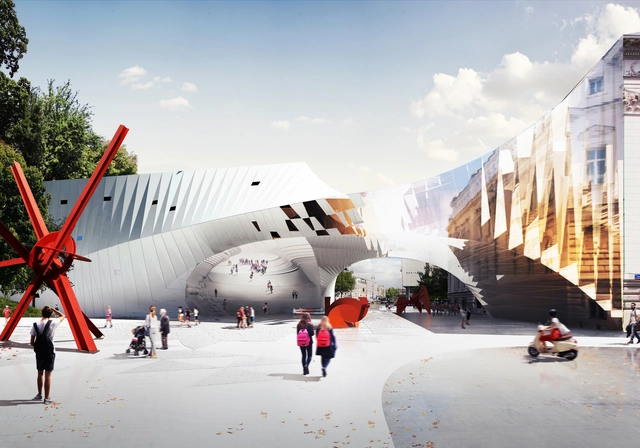
In Singapore, an adaptive reuse project transforms a power station into a creative industrial hub, while in Indonesia, a smart city design for the new capital generates an ecologically responsible environment. Moreover, Kjellander Sjöberg designs and develops an original city block in Stockholm, and TheeAe imagines a city hall for China. Other proposals include an entire reflective surface for a public square in Italy, a new city district in Tampere Finland, a University building in Warsaw, and a school for contemporary art in Vienna.
FAAB Architektura has unveiled their design that reimagines Warsaw's Piłsudski Square in Poland. Made to bring together the humanities, arts and sciences with nature, the proposal aims to inspire interactions between disciplines. As the team state, the proposal was formed as an intermingling of history and art, literature and music, film and design, science and innovation. The project is made to promote the creation of urban ecosystems.
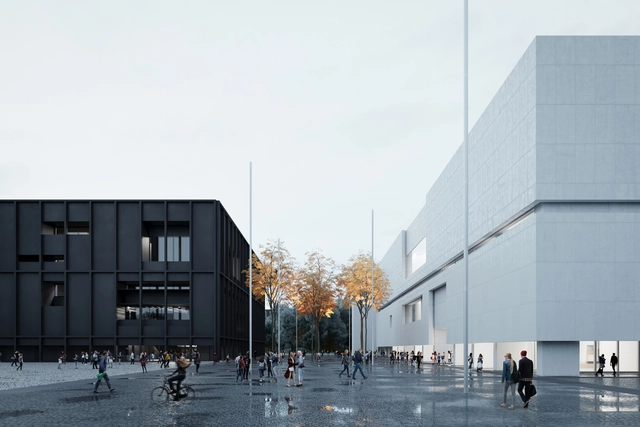
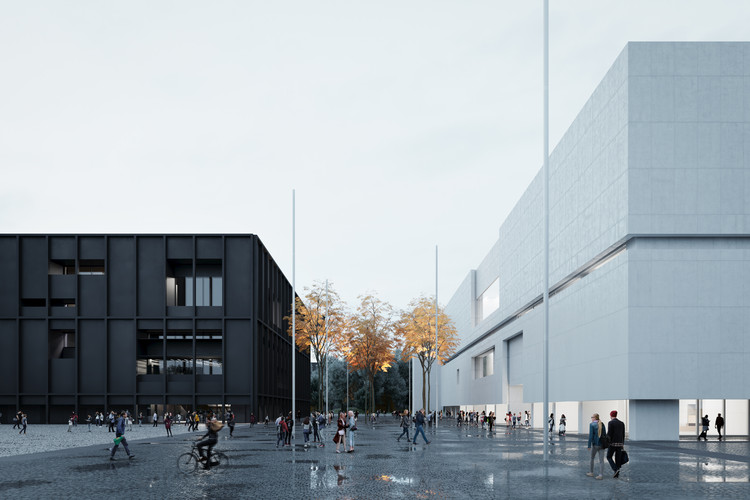
Expected to be completed by 2022, The Museum of Modern Art Warsaw and the TR Warszawa Theatre will put in place a new art hub for Warsaw, Poland. The two new cultural entities will add a modern vibe to the rich heritage of the city. Designed by the New York-based studio Thomas Phifer and Partners, the new center of the arts will occupy a 22-acre site.
Pawiak Prison Museum of Warsaw. Image Courtesy of FAAB Architektura
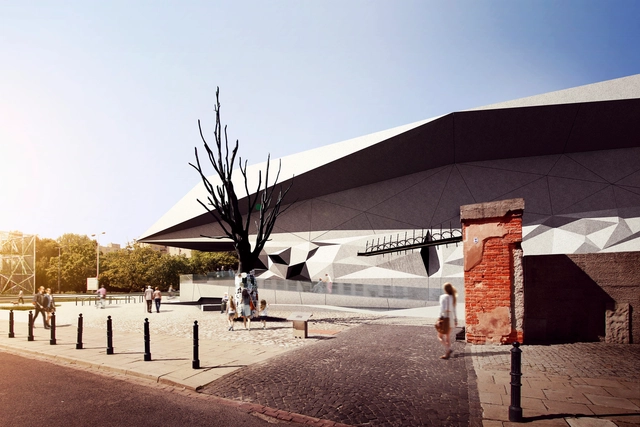
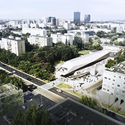
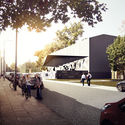
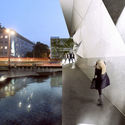
Polish practice FAAB Architektura have created a new building for the Pawiak Prison Museum in Warsaw. Formed with a multi-level vertical park, the project is designed on the historic site of the former "Serbia" prison. FAAB's plan utilizes landscape architecture strategies to integrate and mark the layout of the complex within the city. The new structure was made to challenge the consciousness of visitors as they confront history itself.
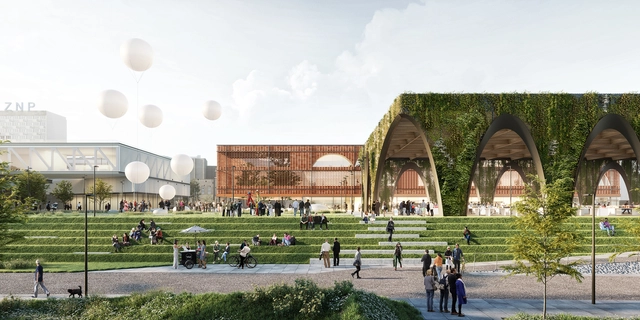
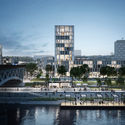
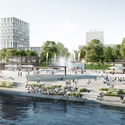
In Warsaw, Poland architecture firm WXCA wins the masterplan proposal for a stretch of riverfront along the Vistula River. The Vistula River Boulevards are among the most frequented public spaces in the city, and gaining popularity as entertainment and cultural offerings become available. WXCA’s winning design for Kahla Square aims to resolve the disconnect between the river banks and to provide amenities to support waterfront activities.













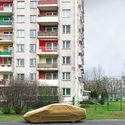
._Image_by_Zupagrafika.jpg?1653259487 "Orła Białego prefab panel estate in Poznań (Brutal Poland). . Image © Zupagrafika")



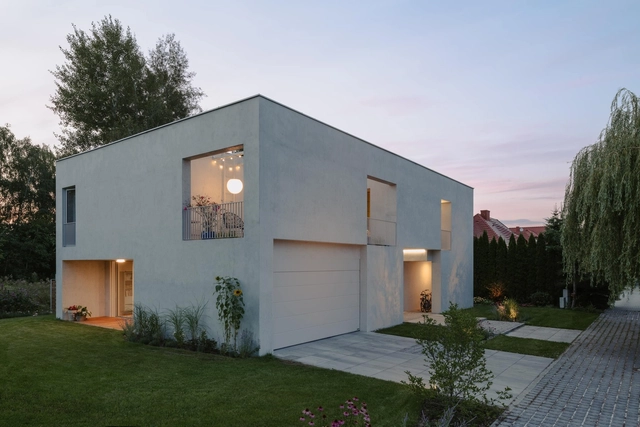


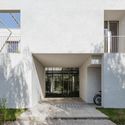
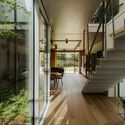

.jpg?1618821691&format=webp&width=640&height=580)
.jpg?1618821707 "© Wiktoria Wojciechowska")
.jpg?1618821715 "© Patrycja Wojtas")
.jpg?1618821737 "© Patrycja Wojtas")
.jpg?1618821691 "© Michał Sierakowski")
.jpg?1618821691)