1. ArchDaily
  2. Vitra

Vitra: The Latest Architecture and News

Khudi Bari: Architecture for Climate Displacement

Subscriber Access | 

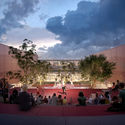
In the low-lying deltas of Bangladesh, water defines both life and loss. Every year, millions are forced to rebuild after floods wash away their homes, crops, and livelihoods. In these precarious territories, the act of building has become an act of resilience. It is here that Khudi Bari emerges as a modest yet radical proposal. Designed by Marina Tabassum Architects, the project provides a lightweight, modular, and affordable dwelling for communities displaced by climate change. Recognized as one of the winners of the 2025 Aga Khan Award for Architecture, it represents a form of architecture that empowers rather than imposes.
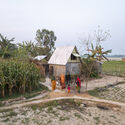
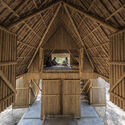
Khudi Bari: Architecture for Climate Displacement - Image 1 of 4Khudi Bari: Architecture for Climate Displacement - Image 2 of 4Khudi Bari: Architecture for Climate Displacement - Image 3 of 4Khudi Bari: Architecture for Climate Displacement - Image 4 of 4Khudi Bari: Architecture for Climate Displacement - More Images+ 27

Every Second Counts, Every Space Matters: 15 Contemporary Fire Stations

Subscriber Access | 

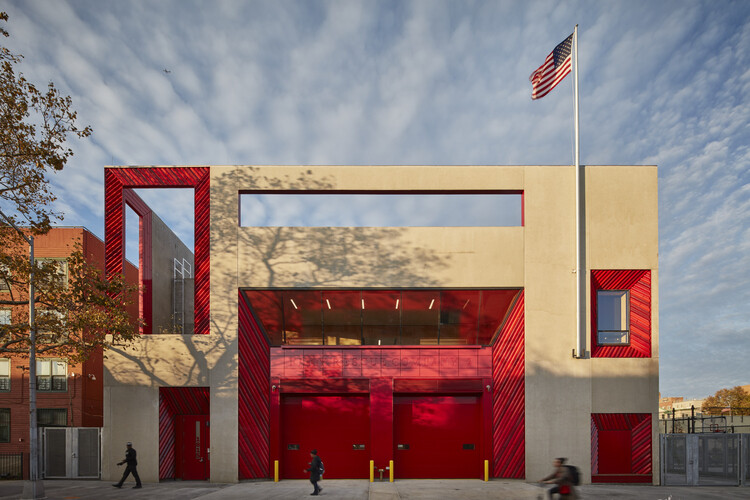
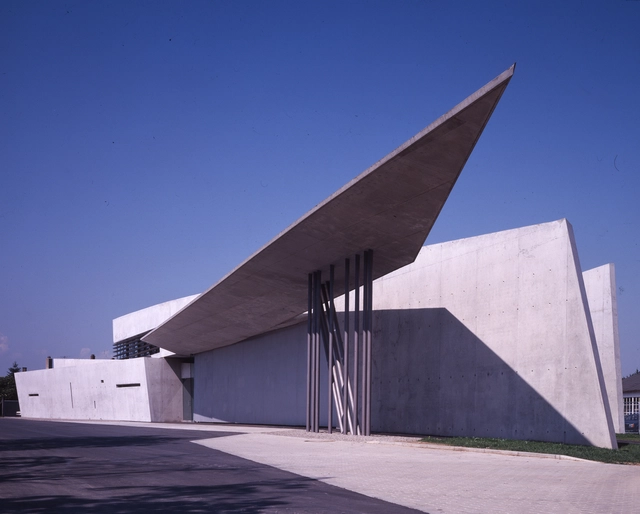
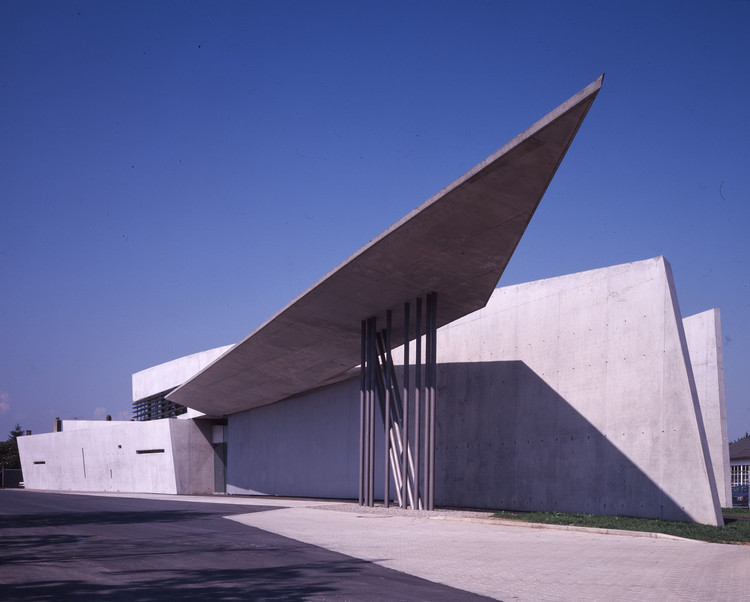
What should be taken into account when designing a fire station? The answer may seem obvious: functionality and efficiency. After all, every second counts in an emergency. But can a building designed for urgent operations also be aesthetically compelling, welcoming, and connected to its community? In recent decades, architects such as Zaha Hadid and Álvaro Siza have demonstrated that it can. By rethinking this building type, they have created spaces that go beyond emergency response—spaces that strengthen social ties, support the well-being of firefighters, and become urban landmarks.

Every Second Counts, Every Space Matters: 15 Contemporary Fire Stations - Image 1 of 4Every Second Counts, Every Space Matters: 15 Contemporary Fire Stations - Image 2 of 4Every Second Counts, Every Space Matters: 15 Contemporary Fire Stations - Image 3 of 4Every Second Counts, Every Space Matters: 15 Contemporary Fire Stations - Image 4 of 4Every Second Counts, Every Space Matters: 15 Contemporary Fire Stations - More Images+ 19

A New Building by Kazuo Shinohara will be Added to the Vitra Campus

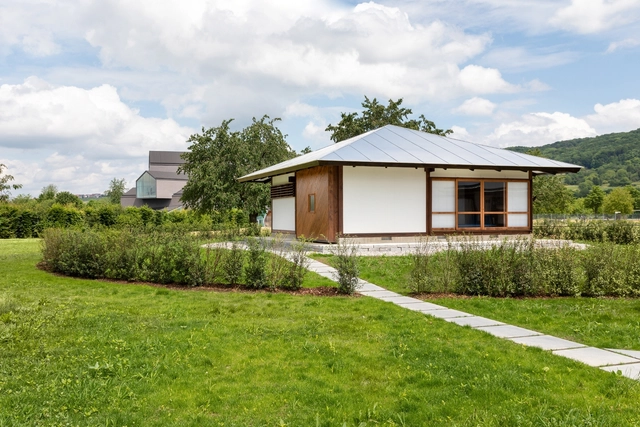
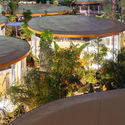
One of Japanese architect Kazuo Shinohara’s iconic architectures, designed under the so-called "First Style" has now been reconstructed on the Vitra Campus in Weil am Rhein. The Umbrella House, originally built in Tokyo in 1961, will serve as a venue for small gatherings on the campus, offering visitors insights on modern Japanese architecture. After the geodesic dome by Buckminster Fuller/George Howard in 1975, and a petrol station by Jean Prouvé in 1953, the project is the third historic building to be reconstructed on the Vitra Campus.

A New Building by Kazuo Shinohara will be Added to the Vitra Campus - Image 1 of 4A New Building by Kazuo Shinohara will be Added to the Vitra Campus - Image 2 of 4A New Building by Kazuo Shinohara will be Added to the Vitra Campus - Image 3 of 4A New Building by Kazuo Shinohara will be Added to the Vitra Campus - Image 4 of 4A New Building by Kazuo Shinohara will be Added to the Vitra Campus - More Images+ 2

NYCxDESIGN Celebrates its 10th Anniversary with Architectural Installations and Interventions across the City

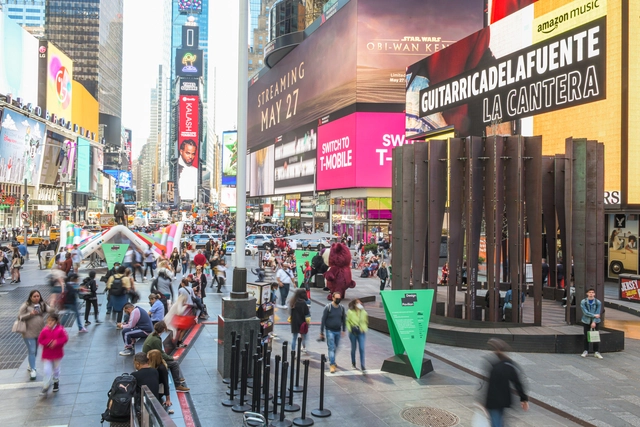
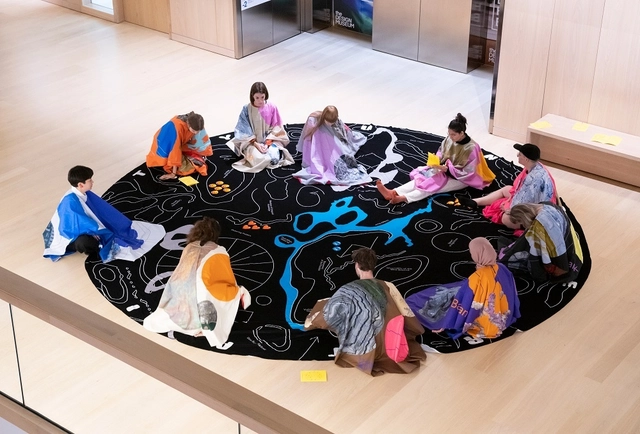
With a mission to support, empower, and grow the city's design sector, New York's annual design festival, the NYCxDESIGN presented a selection of architectural installations, talks, and events to celebrate global creative accomplishments, share new ideas, and inspire through design. This year, the festival returned for its tenth edition, running from May 10th - 20th. Having been a special anniversary, this year showcased New York's creative diversity and talent, putting on display its designers, makers, manufacturers, innovative design businesses, as well as world-class cultural and academic design institutions.

NYCxDESIGN Celebrates its 10th Anniversary with Architectural Installations and Interventions across the City - Image 1 of 4NYCxDESIGN Celebrates its 10th Anniversary with Architectural Installations and Interventions across the City - Image 2 of 4NYCxDESIGN Celebrates its 10th Anniversary with Architectural Installations and Interventions across the City - Image 3 of 4NYCxDESIGN Celebrates its 10th Anniversary with Architectural Installations and Interventions across the City - Image 4 of 4NYCxDESIGN Celebrates its 10th Anniversary with Architectural Installations and Interventions across the City - More Images+ 35

“Expanding the Biennial in Time and Space”: In Conversation With Mariana Pestana, Curator of the 5th Istanbul Design Biennial 

Subscriber Access | 

With an on-going digital and physical evolution, the 5th Istanbul Design Biennial took a new approach. “Rather than focusing on the presentation of final results in a compressed period of time and space”, the global circumstances created the opportunity to present new projects on a longer period of time and in expanded spaces, offering not an exhibition but “a digital and research program with a series of permanent interventions in the city.”

Launched on October 15, 2020, the event brought together, with its new structure, different formats under the theme of Empathy Revisited. As the first part of the physical display has ended, ArchDaily had the chance to discuss with Mariana Pestana, architect and curator of the 5th Istanbul Design Biennial, the event and choice behind this year’s theme, the programs and the participants as well as the evolution of her approach due to the global circumstances.

“Expanding the Biennial in Time and Space”: In Conversation With Mariana Pestana, Curator of the 5th Istanbul Design Biennial  - Image 1 of 4“Expanding the Biennial in Time and Space”: In Conversation With Mariana Pestana, Curator of the 5th Istanbul Design Biennial  - Image 2 of 4“Expanding the Biennial in Time and Space”: In Conversation With Mariana Pestana, Curator of the 5th Istanbul Design Biennial  - Image 3 of 4“Expanding the Biennial in Time and Space”: In Conversation With Mariana Pestana, Curator of the 5th Istanbul Design Biennial  - Image 4 of 4“Expanding the Biennial in Time and Space”: In Conversation With Mariana Pestana, Curator of the 5th Istanbul Design Biennial  - More Images+ 16

5th Istanbul Design Biennial Opens to the Public

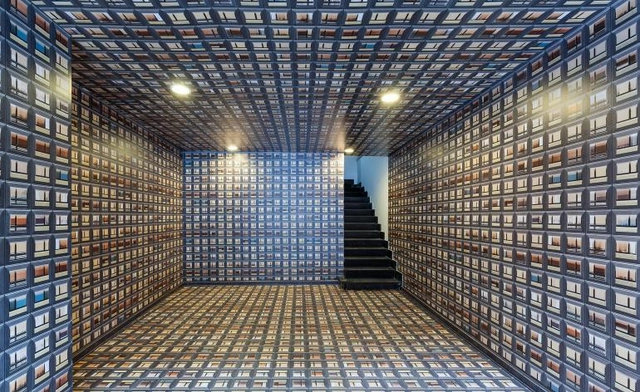
The 5th Istanbul Design Biennial has opened to the public, both digitally and physically. Curated by Mariana Pestana with Sumitra Upham and Billie Muraben, the Biennial brings together different formats of display under the theme Empathy Revisited. The biennial launches with interventions in a range of exhibition venues, outdoor spaces in Istanbul and digital platforms.

5th Istanbul Design Biennial Opens to the Public - Image 1 of 45th Istanbul Design Biennial Opens to the Public - Image 2 of 45th Istanbul Design Biennial Opens to the Public - Image 3 of 45th Istanbul Design Biennial Opens to the Public - Image 4 of 45th Istanbul Design Biennial Opens to the Public - More Images+ 1

From Housing to Retail: Redefining Programs and Spatial Typologies

With society's needs and aspirations shifting, spatial typologies and architectural programs are continually being questioned, and this re-evaluation creates the premises for innovation. The following is an exploration of how architecture is metabolizing society's fundamental changes throughout several aspects of everyday life, challenging the existing assumptions regarding program and space.

From Housing to Retail: Redefining Programs and Spatial Typologies - Films & ArchitectureFrom Housing to Retail: Redefining Programs and Spatial Typologies - Films & ArchitectureFrom Housing to Retail: Redefining Programs and Spatial Typologies - Films & ArchitectureFrom Housing to Retail: Redefining Programs and Spatial Typologies - Films & ArchitectureFrom Housing to Retail: Redefining Programs and Spatial Typologies - More Images+ 6

5th Istanbul Design Biennial Announces Participants and New Dates

New details have been released on the 5th Istanbul Design Biennial. Curated by Mariana Pestana with Sumitra Upham and Billie Muraben, the Biennial aims to open on October 15, 2020. A new structure will bring together different formats of display under the theme Empathy Revisited, and the designs will include interventions in a range of exhibition venues, outdoor spaces and digital platforms.

Vitra Design Museum Explores 200 Years of Chair Design

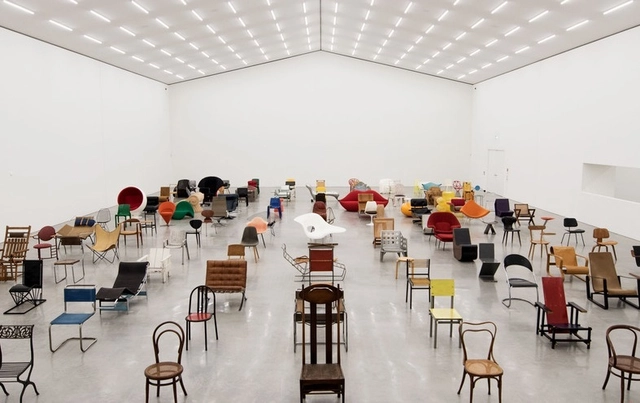
Vitra Design Museum has debuted Chair Times, a 90-minute film that describes the history of seating furniture. Focusing on 125 objects from the collection of the Museum, the film explores the development of chairs over centuries, examining them as “portraits of their users.” Arranged according to their year of production, they are organized to form a timeline of modern seating design.

Vitra Campus Adds A Viewing Tower With a Slide

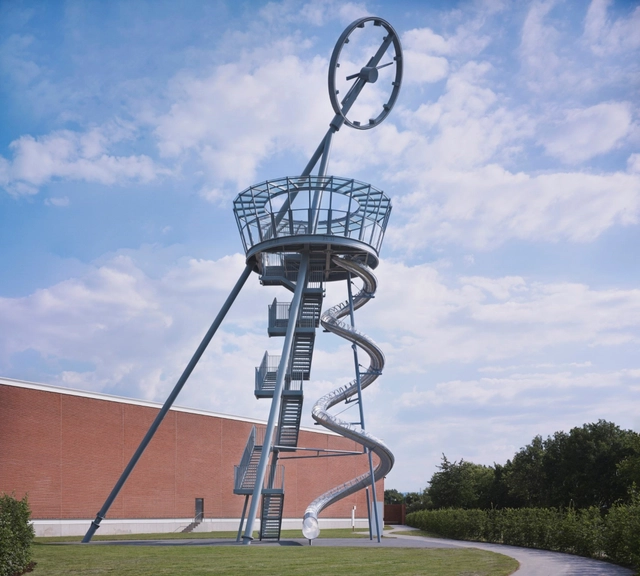
Adding to the world-famous collection of buildings and structures at its campus in Weil am Rhein, Vitra has just unveiled its latest project, a viewing tower and slide designed by Carsten Höller. Located on the Alvaro Siza-designed promenade linking Herzog & de Meuron's Vitrahaus with Zaha Hadid's Fire Station, the new tower offers two ways to see the Vitra Campus as never before: from above, looking out over the other buildings at the tower's viewing platform; and on the dizzying descent, as the transparent roof to the slide gives fleeting views of the buildings around you.

More on the Vitra Slide Tower after the break

Vitra Campus Adds A Viewing Tower With a Slide - Image 1 of 4Vitra Campus Adds A Viewing Tower With a Slide - Image 2 of 4Vitra Campus Adds A Viewing Tower With a Slide - Image 3 of 4Vitra Campus Adds A Viewing Tower With a Slide - Image 4 of 4Vitra Campus Adds A Viewing Tower With a Slide - More Images+ 3

Material Inspiration: 10 Projects Inspired by Concrete

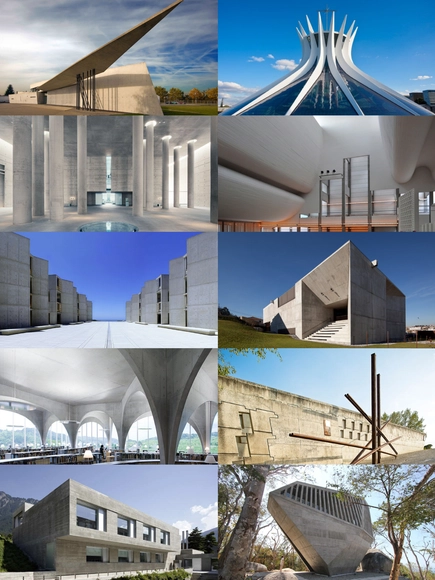
To celebrate the launch of ArchDaily Materials, our new product catalog, we've rounded up 10 awesome projects from around the world that were inspired by one material: concrete. Check out the projects after the break...

Mexico & Swizterland in Tug-of-War Over Luis Barragán Archive

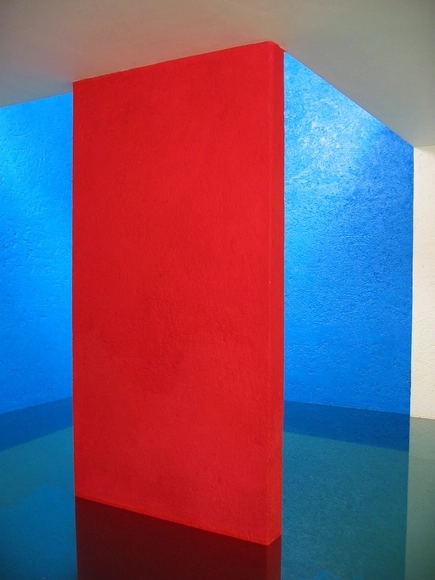
Mexico, Switzerland and their constituent art collectors are in a tug-of-war over the coveted professional archive of late, famed hero Luis Barragán - considered one of Mexico's greatest architects. After his death, the heads of the Swiss furniture company, Vitra, bought a collection of Barragán's personal designs and images, leaving those in Mexico puzzled as to why the archive ever left the country from which his work is rooted. "It would be as if the ‘rights’ for Frank Lloyd Wright or Louis Kahn were held and managed from another country, ruling over their work and limiting access to the American public." Read the full article here, "Tug of War Stretches Architect’s Legacy".

Diogene / Renzo Piano

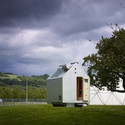
Text description provided by the architects. Over the years, furniture company Vitra has made a name for itself as one of the most architecturally-enlightened companies in the world, with their renowned campus featuring buildings by Nicholas Grimshaw, Frank Gehry, Alvaro Siza, Tadao Ando, Zaha Hadid, Herzog & de Meuron and SANAA.

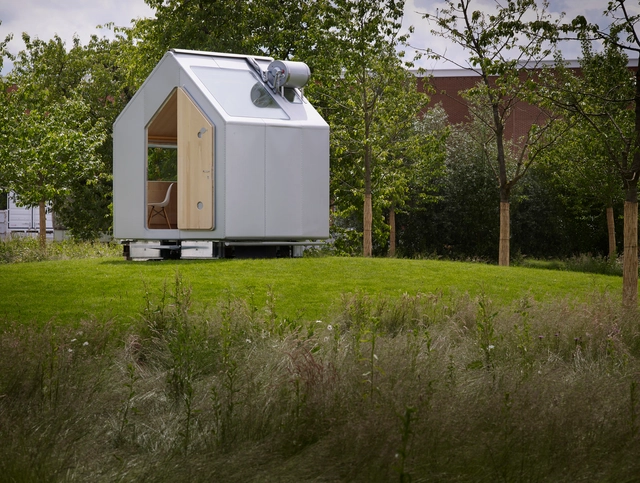
Now, Vitra has announced a collaboration with Renzo Piano that will bridge the gap between their sought-after furniture and their bespoke campus. Diogene, a self contained minimal living space with a floor area of just 2.5 x 3.0 meters, is billed as "Vitra's smallest building - but largest product".

More about the design of Diogene after the break

Diogene / Renzo Piano - Small Scale, FacadeDiogene / Renzo Piano - Small ScaleDiogene / Renzo Piano - Small Scale, Facade, DoorDiogene / Renzo Piano - Small ScaleDiogene / Renzo Piano - More Images+ 4

Vitra Showroom

Subscriber Access | 
Vitra Showroom - Image 1 of 4

This past weekend, we were invited to celebrate the 50th anniversary of the Panton chair and other Vitra creations at their showroom in the Meatpacking District in Manhattan. The showroom was buzzing with people socializing and viewing the different designs on the showroom’s staggered levels. We were especially excited to see Alejandro Aravena’s novel “Chairless“, a strap of fabric that is a way to eliminate the need for the traditional chair, and yet allows the person to become the integral part of the furniture. Inspired by the Ayoreo Indians who sit on the ground with a tight strap around their back, Aravena developed this concept to produce a seating device that relieves the spine and legs. “It is obvious that many things have evolved since the beginning of time and that progress has accumulated in our lives in the form of sophisticated needs and desires. But it is also true that there are many things and needs that haven’t changed much since our origins and they can still be satisfied in an extremely simple way: sitting comfortably on the ground is one of them,” explained Aravena.

More about Vitra after the break.