

-
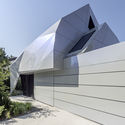
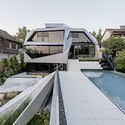
Architects: ad2 architekten ZT KG
- Area: 400 m²
- Year: 2016
-
Professionals: RWT plus ZT GmbH


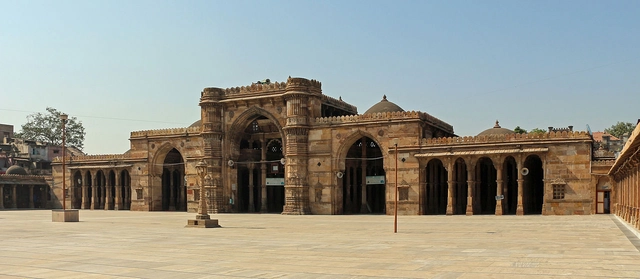
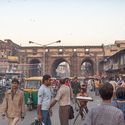
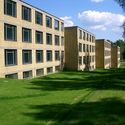
UNESCO’s World Heritage Committee, currently holding its forty-first annual session in the Polish city of Krakow, inscribed twenty new cultural sites on its World Heritage List, including the historic city of Ahmedabad in India, archaeological sites in Cambodia and Brazil, and a “cultural landscape” in South Africa. The Committee also added extensions to two sites already on the list: Strasbourg in France, and the Bauhaus in Germany. On the other hand, the historic center of Vienna was inscribed on the List of World Heritage in Danger as the Committee examined the state of conservation of one-hundred-and-fifty-four of its listed sites.

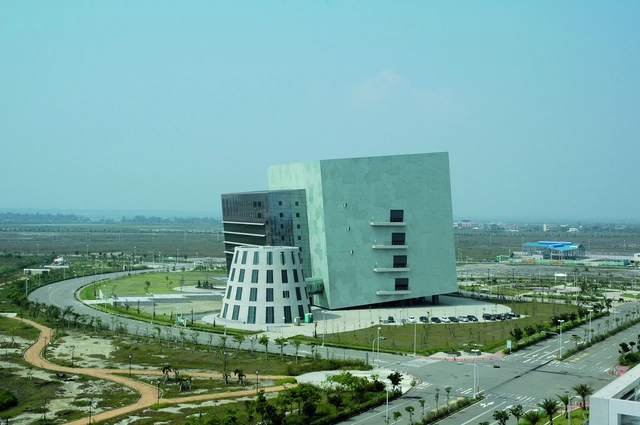
Described by Richard Meier as an architect whose "groundbreaking ideas" have "had a major impact on the thinking of designers and architects," Austrian artist, architect, designer, theoretician and Pritzker Prize laureate Hans Hollein worked in all aspects of design, from architecture to furniture, jewelry, glasses, lamps—even door handles. Known in particular for his museum designs, from the Abteiberg Museum in Mönchengladbach to the Museum of Modern Art in Frankfurt to Vienna's Modernism.
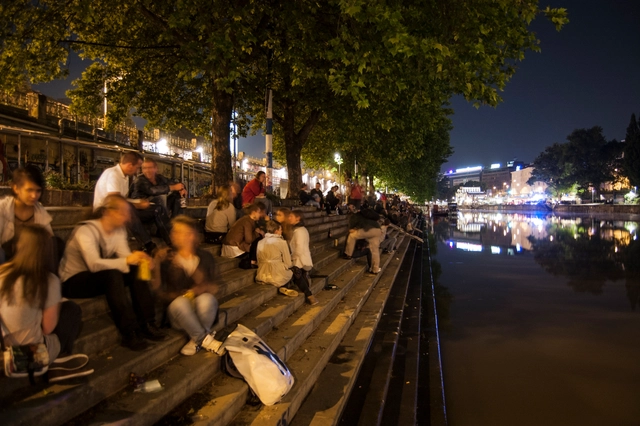
This article by Gabu Heindl, an Austrian architect and urbanist, was first published by Volume in their 50th issue, Beyond Beyond, the editorial of which is available to read here. Here, Heindl introduces the concept of "powerfully (precariously) positioned planning propositions" (PPPP) based on the Donaukanal project in Vienna.
In a certain sense, looking at the beyond is something that we cannot do today, other than from the vantage point of a beyond the ‘beyond’. Looking at the connections between progressive political movements and planning/building practices in modernity and their ways of departing into ever new ‘beyonds’, beyond the boundaries of historically given urban and social formations – today, we are certainly beyond these dynamics. And it is not so much postmodernism that needs to be invoked here, but rather two reflections on politics, planning/building related and otherwise, that are bound for the beyond. One reflection concerns how progressive, modernist, avant-garde politics, even at their height, were compromised by, or even complicit in, affinities with paternalistic, top-down governance (Red Vienna) or even with totalitarian rule (fascism). The second reflection, more pertinent to our present moment, concerns the extent to which the dynamics of going beyond have, since the late 1970s, shifted to a regime of (self-)government and accumulation which is addressed and theorized under labels such as neoliberalism, Post-Fordism or new spirit of capitalism.


Walk21 Vienna has launched its Walking Visionaries Awards, a challenge that invites people from around the globe to explore the many ways walking can be implemented into our daily lives to support sustainable and livable cities. Submit a solution now through April 30, 2015 for a chance to participate in the Walk21 Conference in Vienna, Austria in October 2015. 30 winners will receive a free ticket to the conference and given the chance to meet leading professionals and share their ideas with other visionaries through mediums such as lectures, round table discussions, and workshops. Additionally, the winners' solutions will be published in the conference documentation. Selected by both public opinion and a jury vote, winning submissions will be announced in June 2015. For more information or to submit an idea, visit walk21vienna.com.

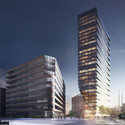
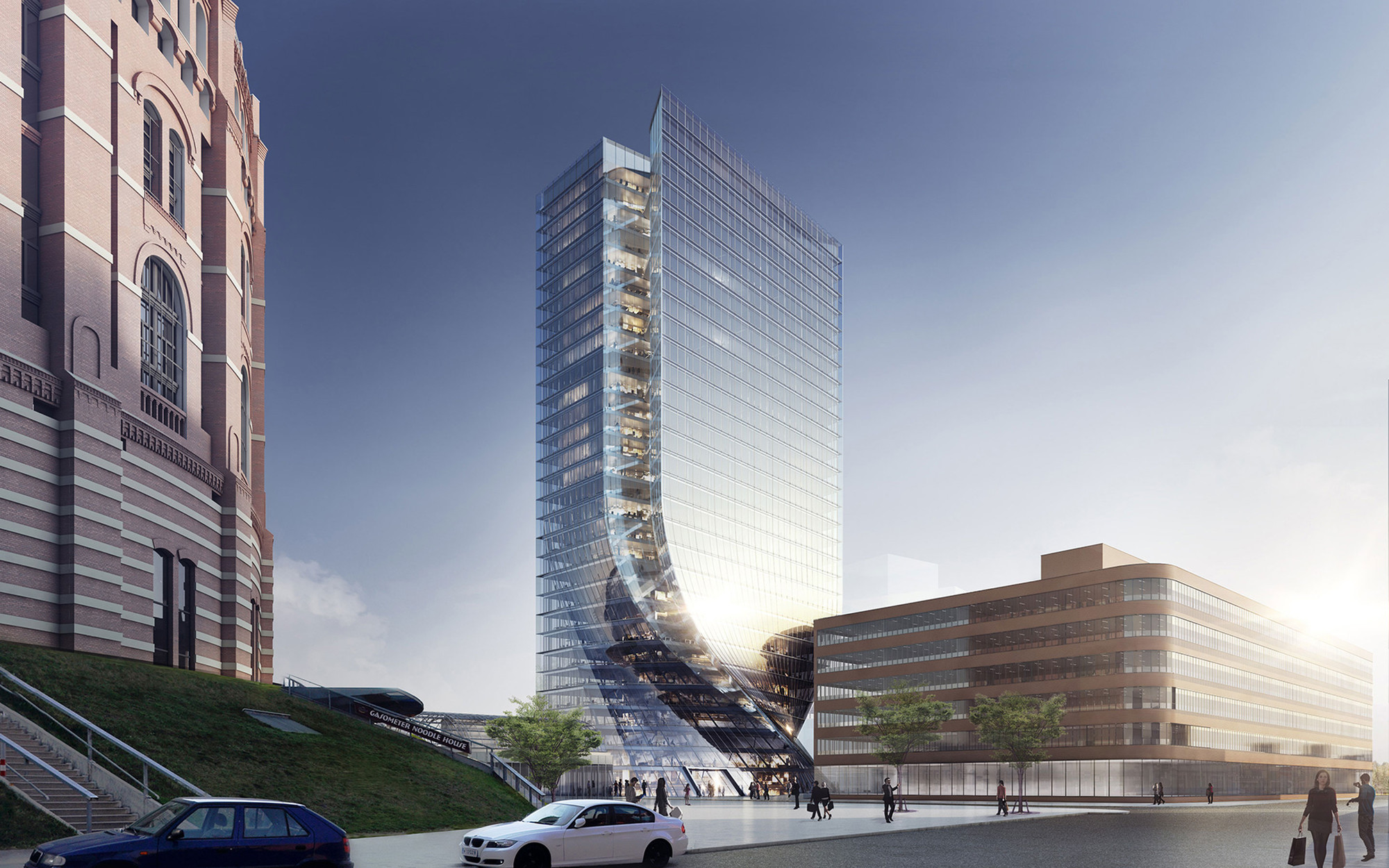
AZPML and SHARE architects have won a competition to the design a new prominent office tower in Vienna. The building, Schnirchgasse 11 “aims to strike a balance between a distinctive identity for the complex and an efficient operation, both in terms of flexibility of use and environmental performance,” by taking on a rhomboidal shape derived from the site’s geometry and shade conditions.
More about the competition-winning scheme, after the break.
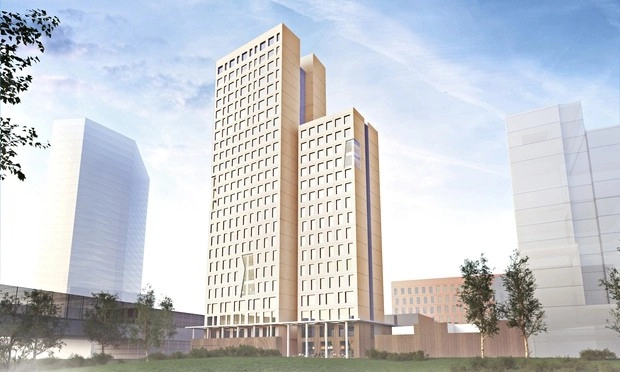
Rüdiger Lainer and Partner plans to construct the world’s tallest wooden skyscraper next year in Vienna’s Seestadt Aspern area. 76 percent of the 84-meter tower is expected to be made from wood rather than concrete, saving approximately 2,800 tonnes of CO2 emissions (equivalent to driving a car 25 miles a day for 1,300 years).
“I think it is important everyone now in 2014 thinks in different ways. We have wood, which is a perfect construction material for building,” she said. “It was used 200 years ago and it was perfect then and is perfect now,” says Kerbler project developer Caroline Palfy, commenting on the architects’ decision to use wood due to its environmental benefits.
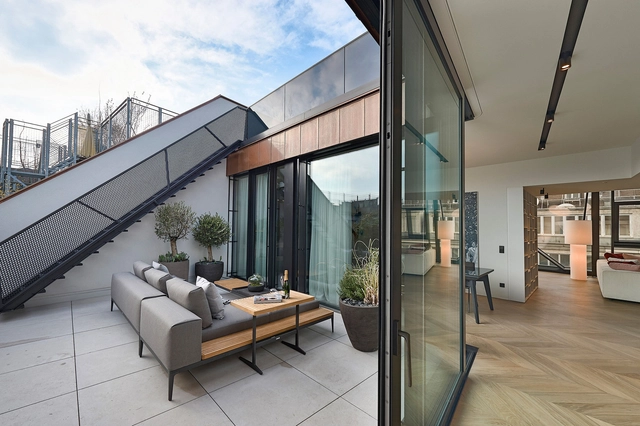
An interior loft view and more details, after the break.
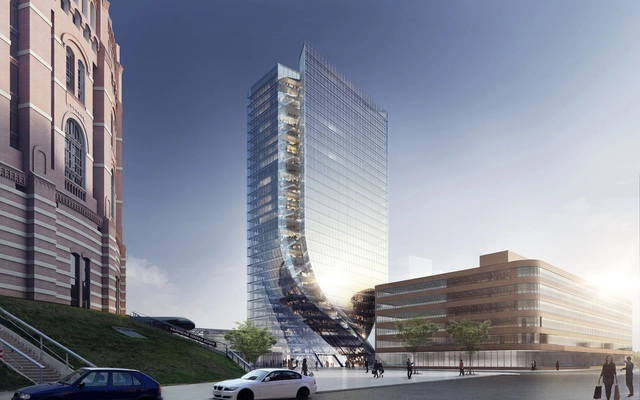
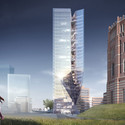
The latest competition entry, "Gate 2 Tower" from Pichler & Traupmann Architekten examines the relationship formed between a high-rise building and its local and global surroundings to create a cohesive design that bridges the problematic gap between these different scales. Employing unconventional methods, Gate 2 Tower features geometries that not only create unique interactions, but also inform each other.
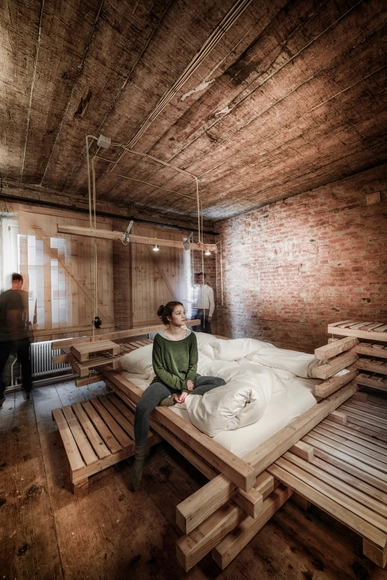

A 176-pound (80 kilograms) chunk of concrete cladding has fallen from year-old Library and Learning Centre at the University of Economics Vienna. This, unfortunately, isn’t the first time the Zaha Hadid-designed structure has malfunctioned; last year, an “assembly error” was deemed the reason why a large piece of fiberglass-reinforced concrete crashed down in front of the building’s entrance.
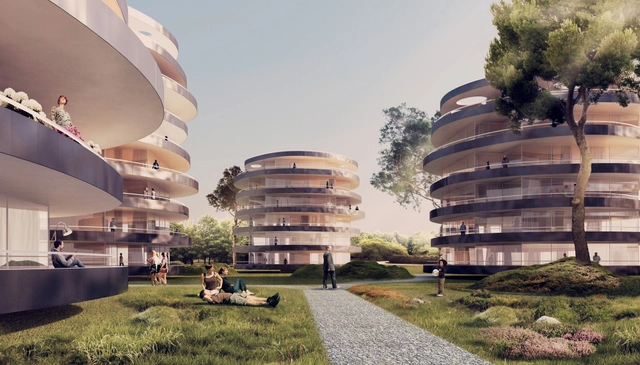
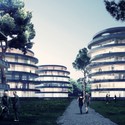
Atelier Thomas Pucher has won first prize in an invited competition to realize a cluster of “Urban Terraces” in Vienna. Described as a product of the “modern patchwork city,” the project is designed to connect its residents to the surrounding districts and open space through the “countless sight lines” preserved by the circular nature of the mid-rise buildings. This is intended to achieve a sense of “urban porosity” within a stacked residential landscape.

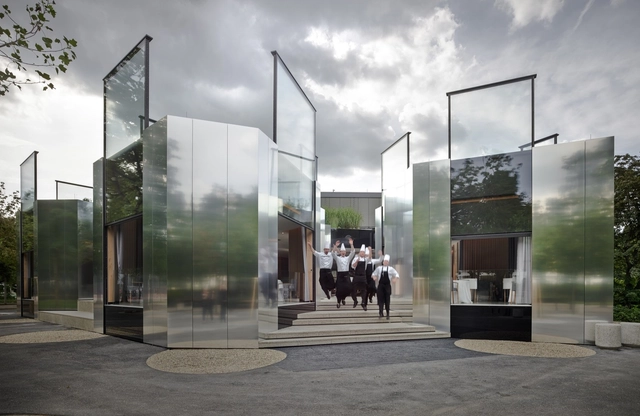
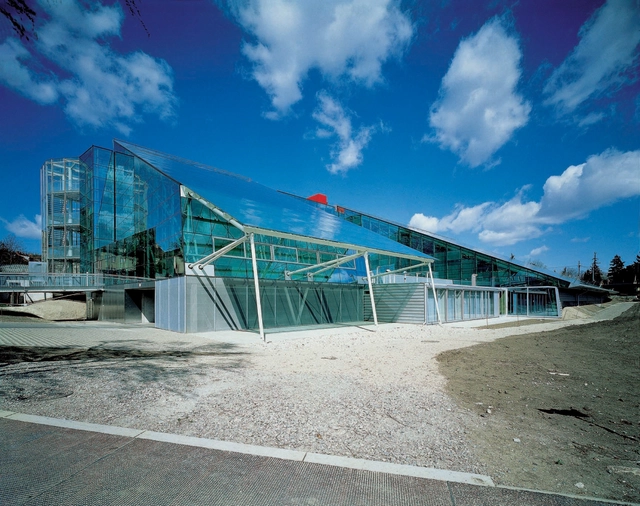
The Science Secondary School in Kinkplatz, Vienna is the work of late Modernist architect Helmut Richter. Considered to be his most iconic and enduring work, Richter’s school is now faced with partial demolition to make way for a conversion of the building’s use and architects from around the world are making an effort to prevent that demolition from happening. Influential individuals, from Zaha Hadid to Bernard Tschumi, have signed a petition voicing their dissent and demanding that Richter’s legacy be protected. See the details, and sign the petition, after the break.
.jpg?1499781753 "Asmara. Image© <a href='https://commons.wikimedia.org/wiki/File:Asmara_(8351468351).jpg'>Wikimedia user David Stanley</a> licensed under <a href='https://creativecommons.org/licenses/by/2.0/deed.en'>CC BY 2.0</a>")