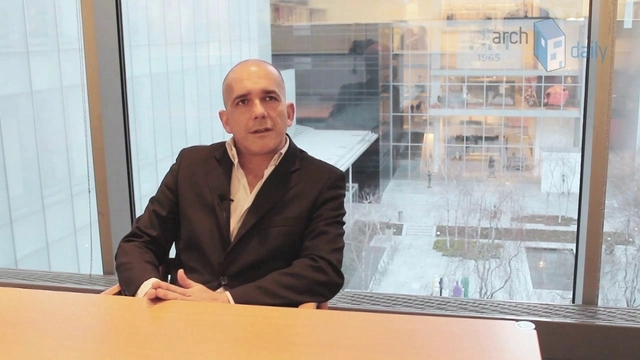
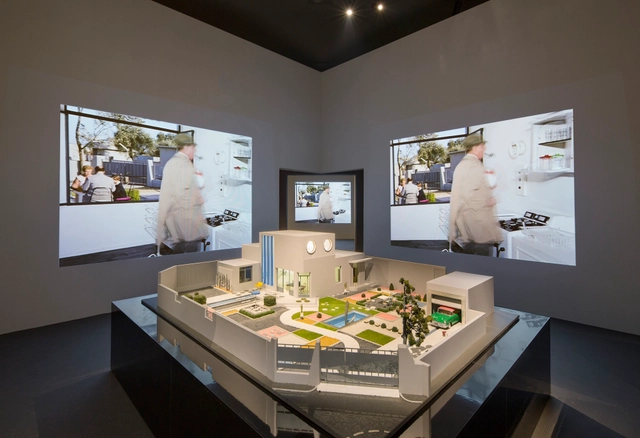
One of the 100 architects and offices taking part in the "Time Space Existence" exhibition, running parallel to the Venice Biennale, Studio MK27's Marcio Kogan has contributed to the exhibition with five videos that, often comedically and/or dramatically, portray the daily lives of the residents of his works.
From the Curators. The exposition with the project title Unwritten highlights issues regarding the perception, research, and conservation of Latvian post-War architecture. Unwritten chronicles, in fact, inexistent research on this.
Between 1931 and 1981, the Soviet Union exported a prefab concrete panel system for housing - whose development and exportation embodied the ideals of the modern movement - to countries around the world, creating more than 170 million apartments. In 1972, during the socialist government of Salvador Allende, the USSR donated a panel factory to Chile. The Chile KPD (an acronym derived from the Russian words for “large concrete panel”) produced a total of 153 buildings during its operation, before being shut down and forgotten during the military dictatorship.
We're just coming back from the 14th Venice Architecture Biennale, so you can expect a few more posts as part of our complete coverage. Our friends from Crane.tv were also there, and shared with us this video with an overview of this incredible event on this amazing city. Enjoy!
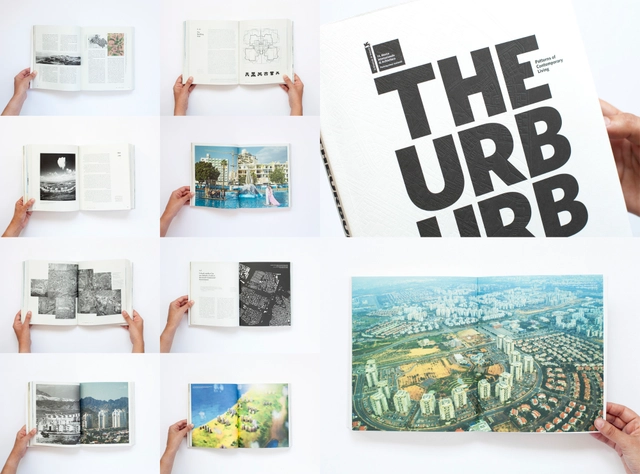
Written to accompany the minimal exhibition of the Israeli Pavilion at the Venice Biennale, “The Urburb - Patterns of Contemporary Living” tells the story of the Urburb, a built condition which is neither urban nor suburban, that dominates the contemporary Israeli landscape. Edited by Architect Ori Scialom and Dr. Roy Brand, the book brings together architectural photography and photographs of the installation interspersed amongst theoretical texts and short stories which address the cultural, political, and social aspects of the “Urburban” way of life. Learn more about the book, published by Sternthal Books,here.
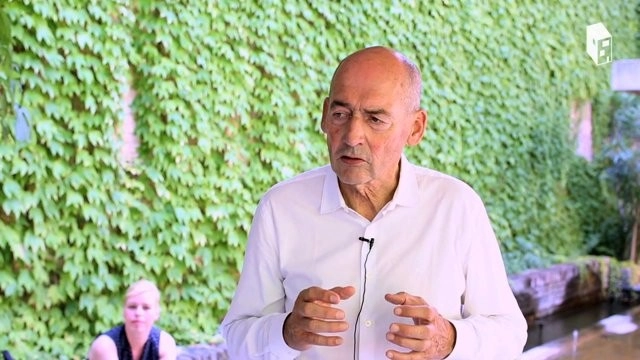
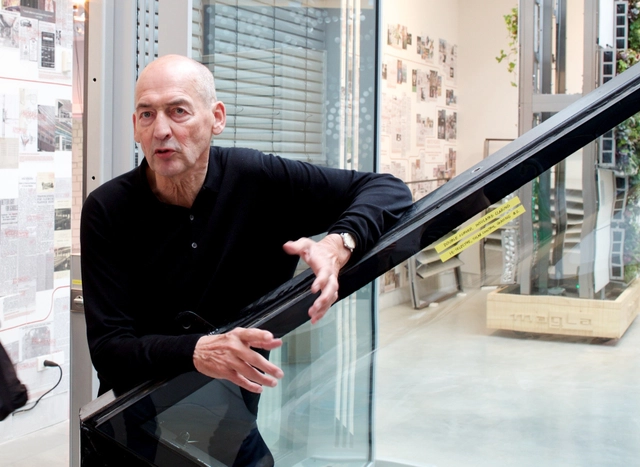
Curated by Rem Koolhaas, this year’s Biennale set high expectations in the architecture world, a fact reflected in the massive attendance during the preview. As Koolhaas stated at the awards ceremony, he took on the hard task of reinventing the Biennale, recognizing its influence in how architecture is exhibited around the world.
Today, the Korean Peninsula provides a striking example of a post-war polarization: two opposite political and economical systems, constantly presented in contrast/conflict by the global media, that still maintain an intricate, complicated relationship. Architecture’s role in this polarization was instrumental. North Korea sought to represent the aspirations of a new communist nation within a context devastated after the war -- a tabula-rasa from which adaptations of modernism could appear. In South Korea, fast economic growth bred a form of modernization that represented the ideals of a globalized world.
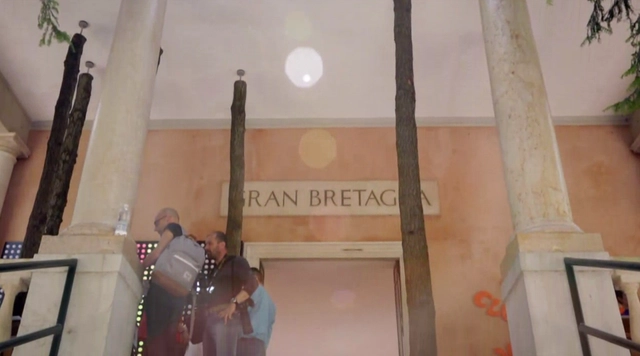
This year's French Pavilion stood out as one of the best pavilions in the Giardini, communicating a clear, engaging thesis and receiving a Special Mention from the jury.
With the first weekend of the Venice Biennale in the books, over the past few days reviews from critics have been flooding in. Each is eager to dispense their opinions on what has been one of the most highly anticipated Biennales in recent memory, and it seems that the event has not disappointed. From reviews of the festival as a whole to individual takes on the National Pavilions, read on after the break as we take a look at some of the most intriguing reviews so far.
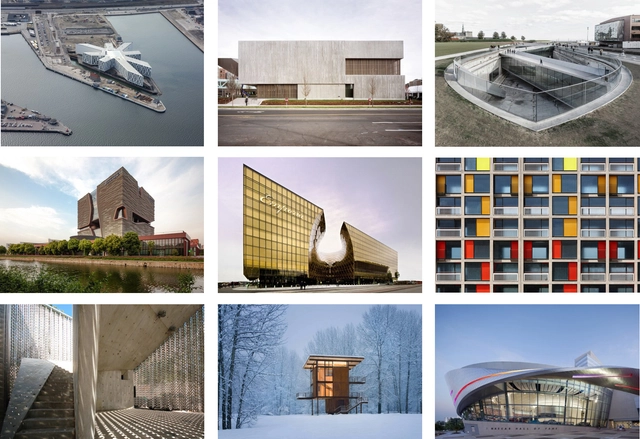
Works (from upper left to right) by 3XN, Allied Works Architecture, BIG, (mid left to right) Aedas, Windgardhs, Studio Egret West, (bottom left to right) 5468796 Architecture, Olson Kundig Architects, and Pei Cobb Freed & Partners. All firms involved in the Van Alen Institute's International Council
The Van Alen Institute, an organization dedicated to advancing innovation in architecture and urban design, has announced the launch of an International Council of leading architects, planners and designers who will meet bi-annually to "identify and investigate issues facing cities internationally." The thirteen firms chosen — who represent over 17 cities and 10 countries— include firms as renowned asAedas, BIG, and Jan Gehl Architects. See all 13, after the break.
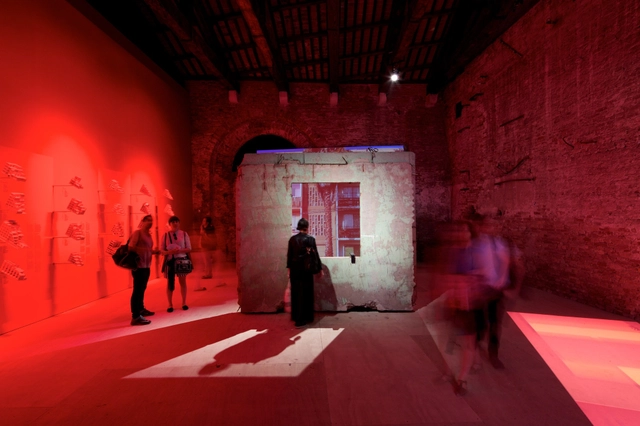
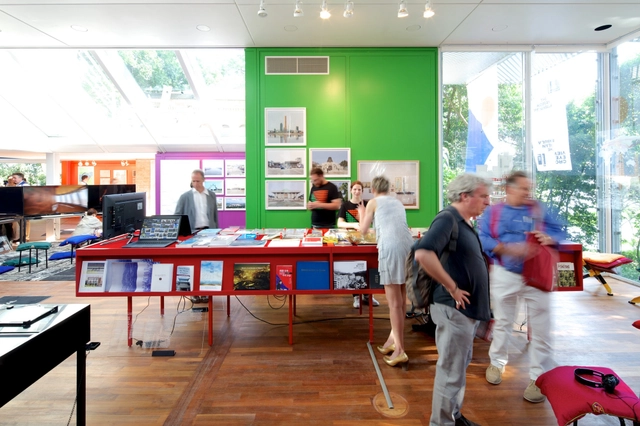
House Housing is the first public presentation of a multi-year research project conducted by the Temple Hoyne Buell Center for the Study of American Architecture at Columbia University. Situated in the Casa Muraro in Venice and staged as an open house, the exhibition responds unsolicited to the proposal by Rem Koolhaas, curator of the 14th International Architecture Exhibition, that architecture focus on its "fundamentals."
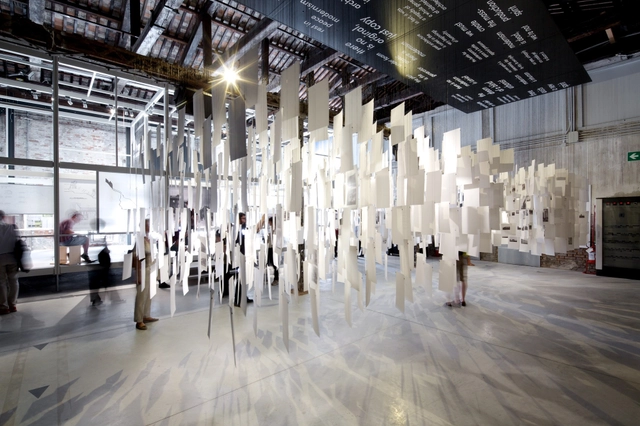
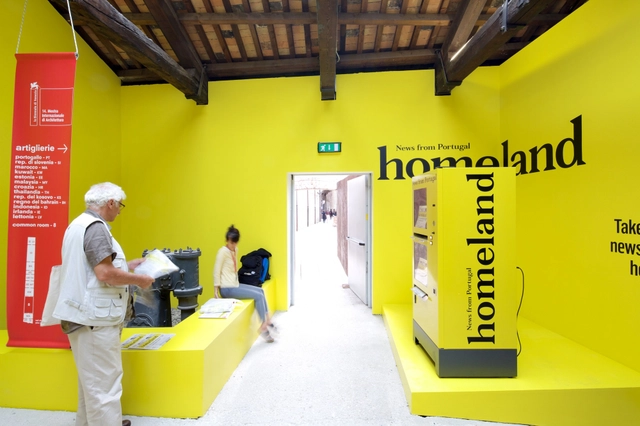
The Portuguese Pavilion at the 14th edition of the Venice Biennale has created a newspaper, “Homeland, News from Portugal,” which covers the last 100 years of architectural, social and economic news from Portugal.
Israel is a country that was built with modernism as its guide. It flourished in a particular way and resulted in a unique architectural landscape, not only in terms of singular buildings, but also in the way in which the territory itself was planned. Anti-urban in essence, the Sharon Plan from 1951 gave birth to more than 400 new towns scattered across the territory.
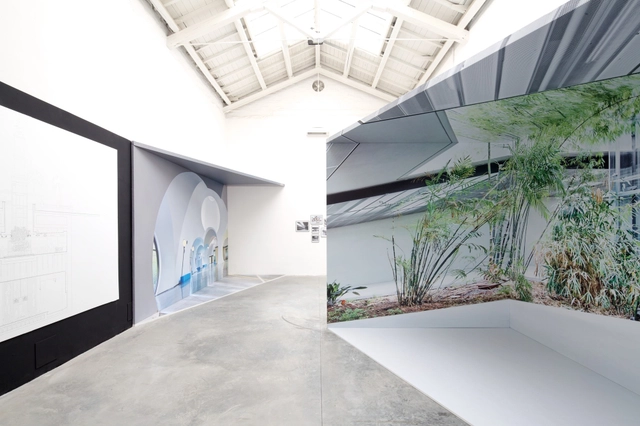
By focusing on the architecture of interiors, Inaki Ábalos, the curator of this year's Spanish Pavilion, highlights the spaces within 12 Spanish buildings. These projects, mostly completed within the past three years, serve as specifically important instances of refurbishment and regeneration of Spain's built heritage. The exhibition is a study not only of the architecture itself, but of the cultural material that gave rise to the specific forms. Through large-scale photographs and sections of each of the presented spaces, Interior seeks "the place where life unfolds, the central theme of architecture." Read on to find the rest of the curator's statement.
https://www.archdaily.com/513482/inaki-abalos-spanish-pavilion-at-the-venice-biennale-interiorPola Mora







.jpg?1401991463&format=webp&width=640&height=580)