1. ArchDaily
  2. Venice Art Biennale

Venice Art Biennale: The Latest Architecture and News

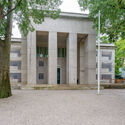
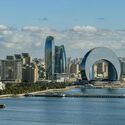
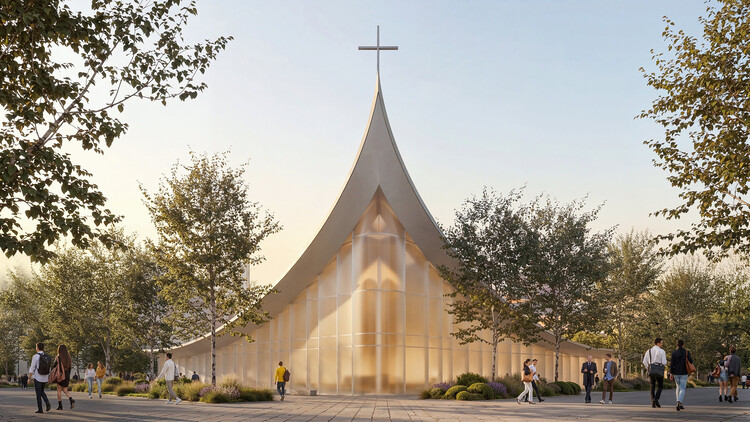
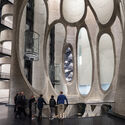
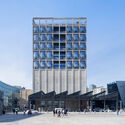
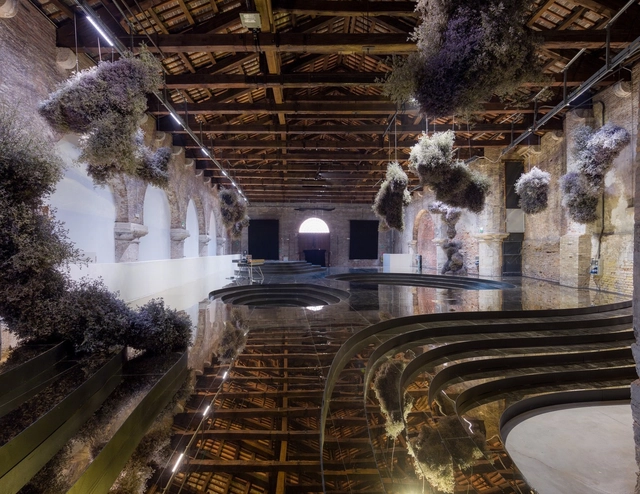
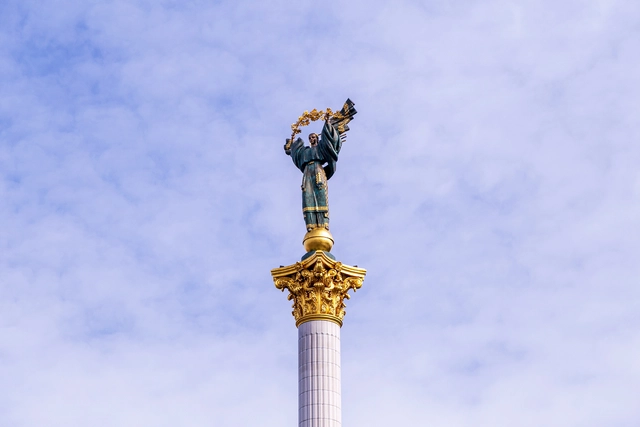
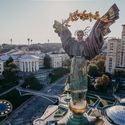
WUF13 in Baku and Stefano Boeri’s Ambrosian Monastery in Milan: This Week’s Review

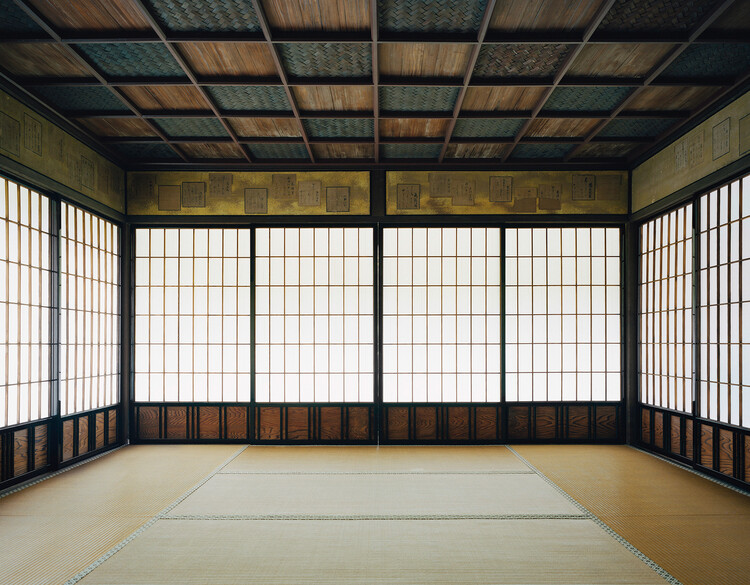
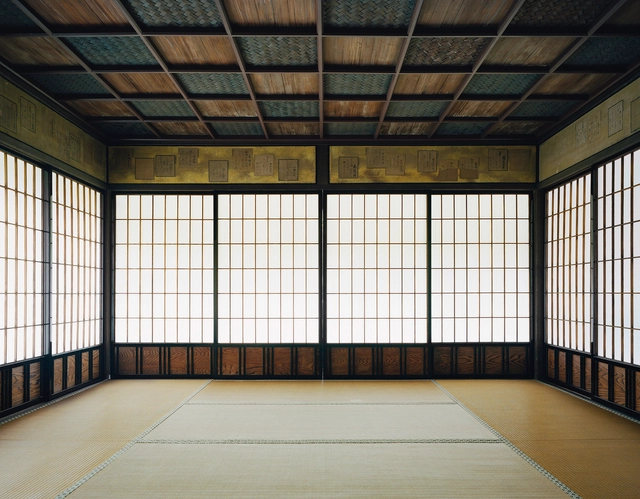
As global urban challenges intensify alongside growing environmental, social, and cultural pressures, this week's news reflects how institutions, exhibitions, and restoration projects are highlighting the relationship between the built environment and collective experience. From international forums addressing housing insecurity and urban resilience to cultural events examining memory, identity, and spatial perception, positioning architecture as both a framework for policy and a medium for critical reflection. At the same time, major restoration and redevelopment initiatives highlight a renewed focus on preserving historical continuity while adapting heritage sites and cultural institutions to contemporary forms of use, accessibility, and public engagement.
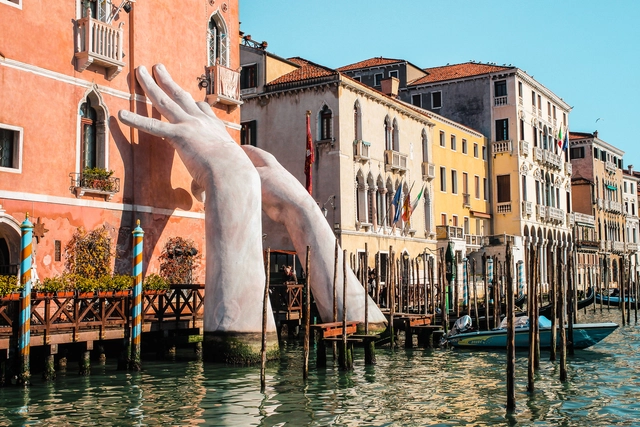
WUF13 in Baku and Stefano Boeri’s Ambrosian Monastery in Milan: This Week’s Review - Image 1 of 4WUF13 in Baku and Stefano Boeri’s Ambrosian Monastery in Milan: This Week’s Review - Image 2 of 4WUF13 in Baku and Stefano Boeri’s Ambrosian Monastery in Milan: This Week’s Review - Image 3 of 4WUF13 in Baku and Stefano Boeri’s Ambrosian Monastery in Milan: This Week’s Review - Image 4 of 4WUF13 in Baku and Stefano Boeri’s Ambrosian Monastery in Milan: This Week’s Review - More Images+ 5

8 National Pavilion Highlights from the 2026 Venice Art Biennale

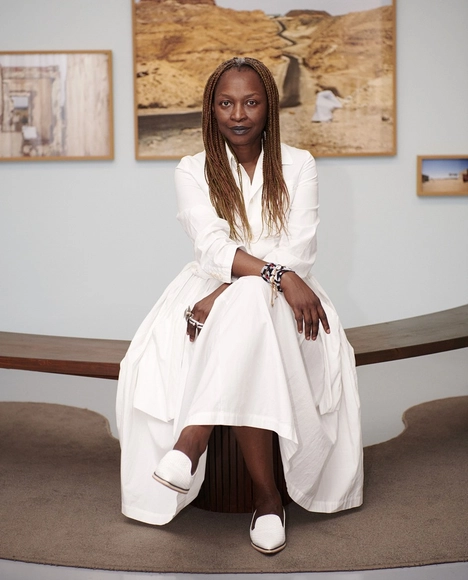
In December 2024, art curator Koyo Kouoh became the first African woman selected to curate the 61st International Art Exhibition of La Biennale di Venezia. She proposed an introspective and sensitive approach to the exhibition, shaped by themes of grief, memory, spirituality, and global exhaustion. Following her premature passing in May 2025, the Biennale decided to continue with the same curatorial project, titled In Minor Keys. Wolff Architects was appointed by Kouoh in early 2025 to realize the exhibition design and scenography, focused on "the transformative spatial power of the threshold as a portal to alternative comprehension and experiences." The event was inaugurated on Saturday, May 9, and will run until Sunday, November 22, 2026, across the Giardini della Biennale, the Arsenale di Venezia, and other locations throughout Venice.

8 National Pavilion Highlights from the 2026 Venice Art Biennale - Image 1 of 48 National Pavilion Highlights from the 2026 Venice Art Biennale - Image 2 of 48 National Pavilion Highlights from the 2026 Venice Art Biennale - Image 3 of 48 National Pavilion Highlights from the 2026 Venice Art Biennale - Image 4 of 48 National Pavilion Highlights from the 2026 Venice Art Biennale - More Images+ 80

La Biennale di Venezia Unveils Renovated Central Pavilion at the Giardini

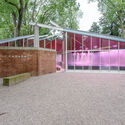
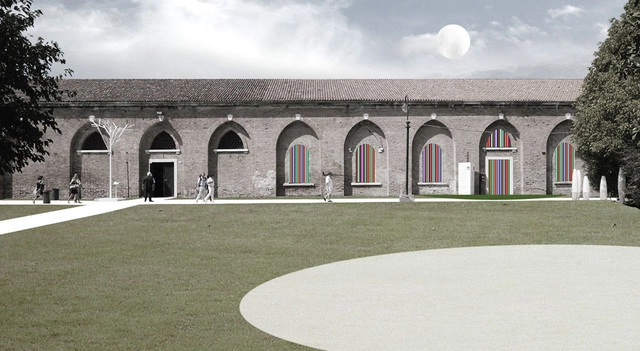
La Biennale di Venezia has unveiled the renovated Central Pavilion at the Giardini, completing a comprehensive intervention delivered between December 2024 and March 2026 as part of a broader national program to enhance cultural infrastructure. Funded by the Italian Ministry of Culture under the National Recovery and Resilience Plan (PNRR) and its complementary investment program (PNC), the project contributes to the development of a permanent hub for cultural production and exchange in Venice. The works form part of a wider initiative involving multiple sites associated with the Biennale, including the Giardini, the Arsenale, and other locations across the city, developed in coordination with local authorities and heritage institutions.

La Biennale di Venezia Unveils Renovated Central Pavilion at the Giardini - Image 1 of 4La Biennale di Venezia Unveils Renovated Central Pavilion at the Giardini - Image 2 of 4La Biennale di Venezia Unveils Renovated Central Pavilion at the Giardini - Image 3 of 4La Biennale di Venezia Unveils Renovated Central Pavilion at the Giardini - Image 4 of 4La Biennale di Venezia Unveils Renovated Central Pavilion at the Giardini - More Images+ 19

The Venice Biennale Over Time: Classic Projects and Stories from Architecture’s Most Iconic Exhibition

Since 1895, the Venice Biennale has invited the world to witness the evolving landscape of contemporary art. In 1980, the event expanded its reach with the launch of the Architecture Biennale, which quickly became one of the discipline’s most influential global platforms. Today, alternating annually between contemporary art and architecture, the Biennale affirms itself as a space where disciplines and ideas intersect. Always timely and provocative, it fuels essential debates on the role of art and architecture in the contemporary world. Among its most recent editions are the 17th Architecture Biennale, themed How Will We Live Together? (2021), curated by Hashim Sarkis; The Laboratory of the Future (2023), by Lesley Lokko; and Intelligens. Natural. Artificial. Collective (2025), curated by Carlo Ratti and open to the public until the end of November.

The Venice Biennale Over Time: Classic Projects and Stories from Architecture’s Most Iconic Exhibition - Image 1 of 4The Venice Biennale Over Time: Classic Projects and Stories from Architecture’s Most Iconic Exhibition - Image 2 of 4The Venice Biennale Over Time: Classic Projects and Stories from Architecture’s Most Iconic Exhibition - Image 3 of 4The Venice Biennale Over Time: Classic Projects and Stories from Architecture’s Most Iconic Exhibition - Image 4 of 4The Venice Biennale Over Time: Classic Projects and Stories from Architecture’s Most Iconic Exhibition - More Images+ 10

Re‑Situating Modernity: Bruno Giacometti’s Swiss Pavilion at the Venice Biennale

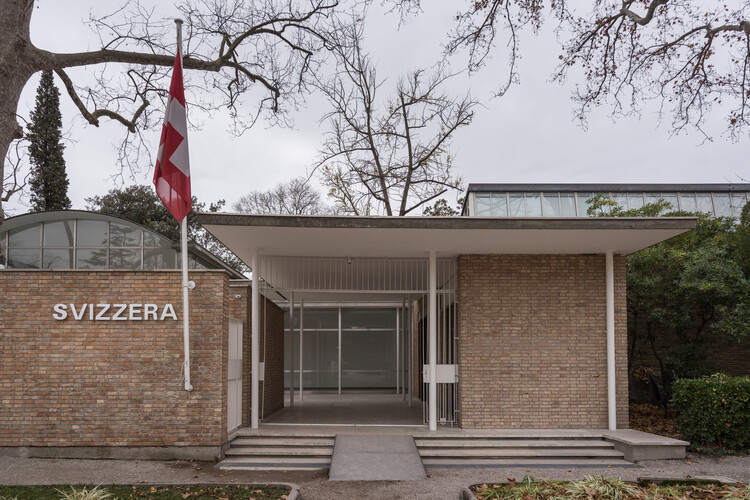
Amid the orderly grid of the Giardini della Biennale, the Swiss Pavilion appears almost reticent. Its low white volumes, completed in 1952 by Bruno Giacometti, seem to withdraw from the surrounding display of national pride. The building embodies a form of modernism that resists monumentality, where precision and restraint replace spectacle, and architecture becomes less an object than a framework for encounter.
Emerging from a Europe rebuilding itself, the pavilion reflects a time when nations were reimagining how to appear in the world. For Switzerland, neutrality had long been both a political stance and a cultural condition, and Giacometti translated this identity into a sequence of measured rooms arranged around an open courtyard, defined not by what they contain but by how they hold light, movement, and pause. The result is an architecture that does not speak loudly of belonging but invites attention through balance and care.

Re‑Situating Modernity: Bruno Giacometti’s Swiss Pavilion at the Venice Biennale - Image 1 of 4Re‑Situating Modernity: Bruno Giacometti’s Swiss Pavilion at the Venice Biennale - Image 2 of 4Re‑Situating Modernity: Bruno Giacometti’s Swiss Pavilion at the Venice Biennale - Image 3 of 4Re‑Situating Modernity: Bruno Giacometti’s Swiss Pavilion at the Venice Biennale - Image 4 of 4Re‑Situating Modernity: Bruno Giacometti’s Swiss Pavilion at the Venice Biennale - More Images+ 88

Architecture as Soft Power: Cultural Diplomacy and Its Role in Shaping Architectural Production

Cultural diplomacy refers to the use of cultural expression and creative exchange to foster understanding and build relationships between nations. In this context, architecture has long played a distinctive role. Beyond its functional and aesthetic dimensions, it serves as a medium of communication, a language through which countries express identity, values, and ambition on the global stage.

Architecture operates as a form of soft power — persuasive rather than coercive — enabling nations to project influence through material presence. From modernist embassies in the post-war era to monumental pavilions at world expositions, governments and institutions have recognized the built environment's potential to shape perception. By commissioning prominent architects and adopting specific design languages, countries have used architecture to signal modernity, tradition, innovation, or stability.

Architecture as Soft Power: Cultural Diplomacy and Its Role in Shaping Architectural Production - Image 1 of 4Architecture as Soft Power: Cultural Diplomacy and Its Role in Shaping Architectural Production - Image 2 of 4Architecture as Soft Power: Cultural Diplomacy and Its Role in Shaping Architectural Production - Image 3 of 4Architecture as Soft Power: Cultural Diplomacy and Its Role in Shaping Architectural Production - Image 4 of 4Architecture as Soft Power: Cultural Diplomacy and Its Role in Shaping Architectural Production - More Images+ 20

Venice Art Biennale Appoints Koyo Kouoh as Director of the 61st International Art Exhibition

The Board of La Biennale di Venezia has just announced the appointment of Koyo Kouoh as the Director of the Visual Arts Department. Kouoh will lead the curation of the 61st International Art Exhibition, scheduled for 2026. This announcement follows a recommendation by Pietrangelo Buttafuoco, President of La Biennale, who emphasized Kouoh's extensive experience in the global art world and her ability to engage with contemporary artistic and cultural discourse. Born in Cameroon, Koyo Kouoh will become the first African woman to curate the Venice Art Biennale.

Venice Art Biennale Appoints Koyo Kouoh as Director of the 61st International Art Exhibition - Image 1 of 4Venice Art Biennale Appoints Koyo Kouoh as Director of the 61st International Art Exhibition - Image 2 of 4Venice Art Biennale Appoints Koyo Kouoh as Director of the 61st International Art Exhibition - Image 3 of 4Venice Art Biennale Appoints Koyo Kouoh as Director of the 61st International Art Exhibition - Image 4 of 4Venice Art Biennale Appoints Koyo Kouoh as Director of the 61st International Art Exhibition - More Images+ 1

First Look at the Architectural Installations of the 2022 Venice Art Biennale

The 59th International Art Exhibition - La Biennale di Venezia has officially opened its doors to the public on the 23rd of April, 2022. Titled "The Milk of Dreams”. the exhibition is welcoming more than 210 artists from 58 countries, to showcase over a thousand artworks and installations that promote art, science, research, and ecological transition from the environmental humanities. 

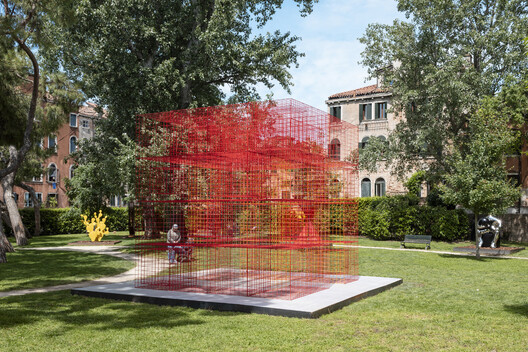
First Look at the Architectural Installations of the 2022 Venice Art Biennale  - Image 2 of 4First Look at the Architectural Installations of the 2022 Venice Art Biennale  - Image 4 of 4First Look at the Architectural Installations of the 2022 Venice Art Biennale  - Image 9 of 4First Look at the Architectural Installations of the 2022 Venice Art Biennale  - Image 11 of 4First Look at the Architectural Installations of the 2022 Venice Art Biennale  - More Images+ 10

On the Ongoing Hostilities: Architectural Institutions Rally in Support of Ukraine

Subscriber Access | 

On the 24th of February 2022, Russia launched a large-scale invasion of Ukraine. Set to become Europe’s largest refugee crisis and armed conflict in this century, so far, this war has mobilized people across the world in order to exert pressure on authorities and put a stop to the armed hostilities. Individuals, as well as institutions in the architectural field, have taken part in these acts of solidarity, issuing statements, condemning actions, and even halting their work in Russia. From the UIA to MVRDV to Russian Institutions such as Strelka, the architecture world is denouncing the acts of violence and supporting an immediate cease of fire.

On the Ongoing Hostilities: Architectural Institutions Rally in Support of Ukraine - Image 1 of 4On the Ongoing Hostilities: Architectural Institutions Rally in Support of Ukraine - Image 2 of 4On the Ongoing Hostilities: Architectural Institutions Rally in Support of Ukraine - Image 3 of 4On the Ongoing Hostilities: Architectural Institutions Rally in Support of Ukraine - Image 4 of 4On the Ongoing Hostilities: Architectural Institutions Rally in Support of Ukraine - More Images

Cecilia Alemani Selected to Curate the 59th Art Venice Biennale

For its 2021 edition, the Venice Biennale appointed the chief curator of the High Line’s art program in New York, Cecilia Alemani as artistic director. Alemani will become the first Italian woman to organize the festival, running in Italy starting May of next year.

David Adjaye to Design Ghana's First Ever Pavilion at the 2019 Venice Art Biennale

Subscriber Access | 

While the next edition of the Venice Biennale for Architecture is still more than a year away, the Art Biennale sister event is right around the corner. Ghana, for whom this will be their first ever foray into the major art event, has announced their pavilion lineup and designer - none other than Sir David Adjaye.

Pop-In, Pop-Out, Pop-Up: Collapsible Street Cinema Uses Film to Reflect on Soviet Russia in Venice

Subscriber Access | 

Designed for the V-A-C Foundation, Venice-Based Israeli architect Omri Revesz’s adjustable Street Cinema rests lightly next to a canal in Venice, Italy, expanding, contracting, opening, and closing as its program changes.

Acting as a social gathering point during the day and an open-air cinema at night, the structure was open for the 74th Venice Film Festival as part of the V-A-C’s Venice Art Biennale 2017 exhibition Space Force Construction – a reflection on the centenary of the Soviet Revolution.

Pop-In, Pop-Out, Pop-Up: Collapsible Street Cinema Uses Film to Reflect on Soviet Russia in Venice - Image 1 of 4Pop-In, Pop-Out, Pop-Up: Collapsible Street Cinema Uses Film to Reflect on Soviet Russia in Venice - Image 2 of 4Pop-In, Pop-Out, Pop-Up: Collapsible Street Cinema Uses Film to Reflect on Soviet Russia in Venice - Image 3 of 4Pop-In, Pop-Out, Pop-Up: Collapsible Street Cinema Uses Film to Reflect on Soviet Russia in Venice - Image 4 of 4Pop-In, Pop-Out, Pop-Up: Collapsible Street Cinema Uses Film to Reflect on Soviet Russia in Venice - More Images+ 17

OMA Designs Chinese Pavilion for 2015 Venice Art Biennale

The Beijing Contemporary Art Foundation has commissioned OMA to design the Chinese Pavilion at the 56th Venice Art Biennale, just a year after Rem Koolhaas served as director of the 14th Venice Architecture Biennale. The exhibition, "Other Future" will feature the work of composer Tan Dun, architect Liu Jiakun, artist Lu Yang, filmmaker Wu Wenguang / Caochangdi Work Station and choreographer Wen Hui / Living Dance Studio in an "immersive environment where artworks are juxtaposed in a field of projections and stages connecting the interior and exterior works."