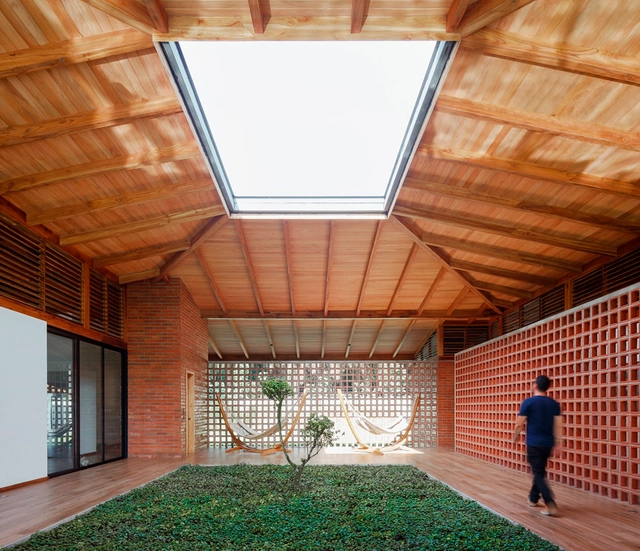
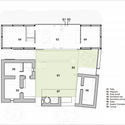
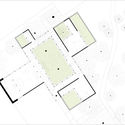
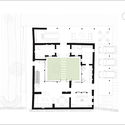
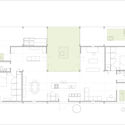
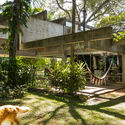
Today is the premiere of the first episode of a new documentary series that explores the projects of Al Borde. Titled "Building with Living Trees", this first instalment highlights the stories behind Casa Jardín (Garden House), a single-family home located in the suburban area of Quito, Ecuador.
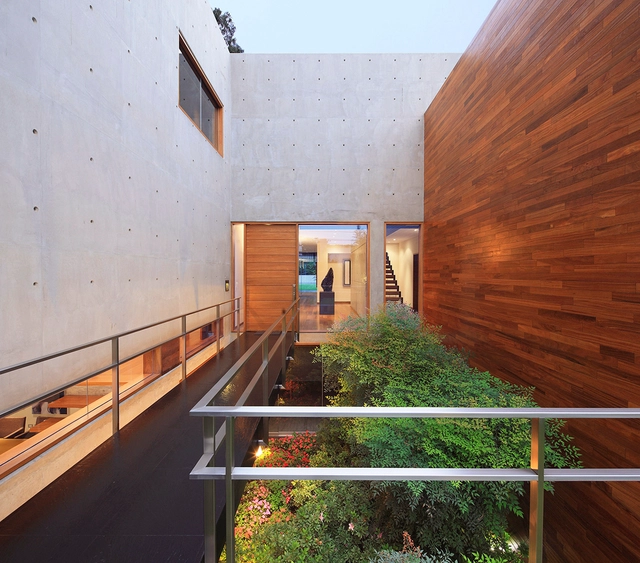
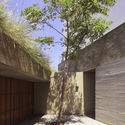
Designed for an ecologist named José, the residence is developed into three small independent pavilions with hybrid structures that combine living trees with various construction systems. These structures utilize a vernacular technique of living fences that has been employed in the Andes since ancient times, showcasing a genuine pursuit of coexistence between architecture and nature.
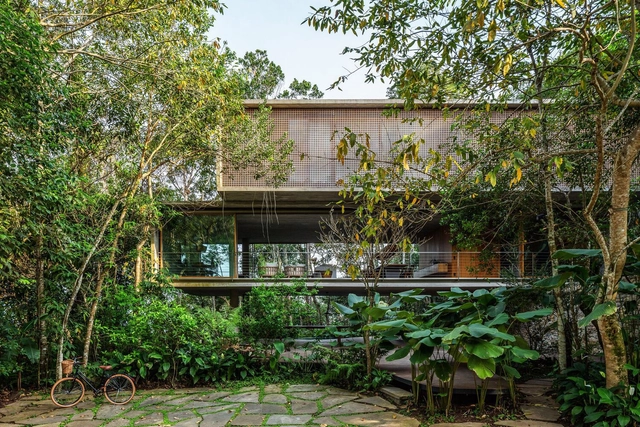
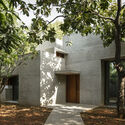
There is something very attractive about the combination of lush vegetation and exposed concrete roughness. This is what the book Concrete Jungle: Tropical Architecture and Its Surprising Origins, published by Gestalten, proposes to investigate. The publication offers a reading on modern "tropical architecture", presenting houses located between the Tropics of Cancer and Capricorn and their relationships with their cultural, constructive, and environmental origins. It features several projects and architects, from the 1950s to the present day, tracing a multifaceted panorama that includes residential buildings located in regions as distinct as Brazil, Mexico, India, and Kenya.
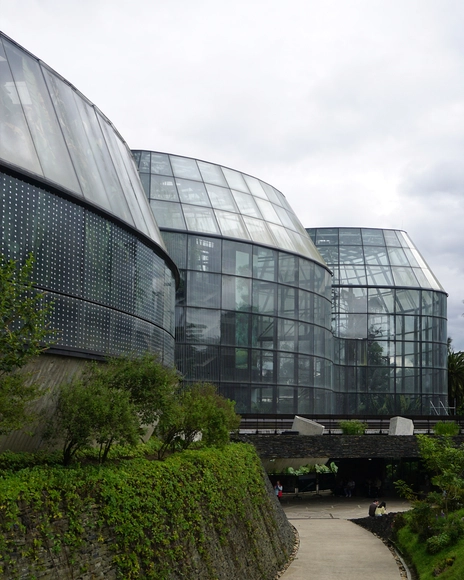
Almost a decade ago, news flooded Colombian media: the announcement of the winning project for the Tropicario of the Bogotá Botanical Garden. Today, we want to bring you all the information we have compiled since then, both about the competition won by DARP and the construction process - up to its inauguration in 2021 and its evolution in recent times.
We hope this architectural journey helps you to know every step, every decision, and every detail that contributed to its realization. Understanding that its true legacy lies in how it transforms lives, inspires communities, and endures over time.
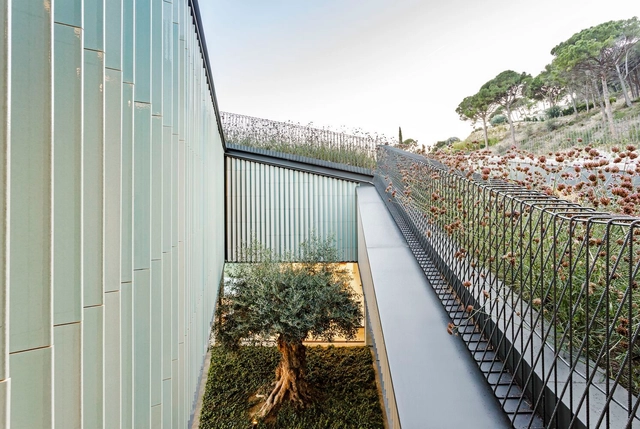
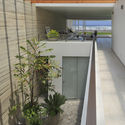
The origin of interior courtyards dates back several years, serving as a means of shelter, security, and protection, while also aiming to achieve comfort and well-being through exterior elements. In contemporary housing, a wide range of possibilities is deployed, capable of accommodating various uses and activities that foster the relationship between the interior and exterior environment. Furthermore, notions of energy efficiency, thermal regulation, ventilation, and natural lighting are incorporated, among others.
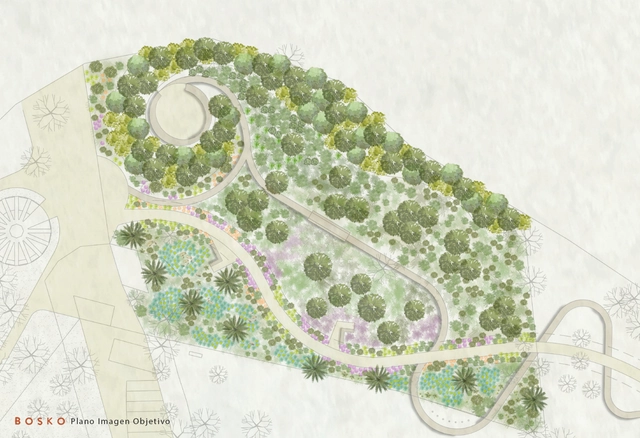
Jardín Nativo Adriana Hoffmann, Museo Interactivo Mirador (MIM) en Santiago de Chile. Image Cortesía de Bosko
During the 19th century, efforts to improve the quality of urban life focused on creating gardens and parks, marking the beginning of the evolution of landscaping as a modern discipline. However, despite remarkable examples worldwide, excessive structure and artificiality in urban parks have gone against the motivations that gave rise to them. In many cases, their design has resulted in decontextualized and inefficient public spaces that are highly demanding on resources and far from being truly sustainable.
The strict use of geometry and the imposition of species that are difficult to adapt and care for are gradually giving way to a more organic approach to landscaping, tailored to local ecosystems and more efficient in its development and conservation. Native forests embody all these positive aspects. They not only ecologically restore degraded areas but also improve air quality and retain rainwater, creating biodiverse green spaces that deeply connect people with nature. We spoke with Magdalena Valdés, founder and director of Bosko, who explains why native forests are the right path towards conscious and truly ecological landscaping.
With the exception of some areas, within the three principal regions of Peru--coastal, mountain, and rainforest--the climate is characterized as tropical or subtropical and the differences in summer and winter temperatures is minimal, rarely reaching beyond 15 °C and 27 °C. This mild climate has thinned the line between exterior and interior spaces, a fact evident in the region's architecture.
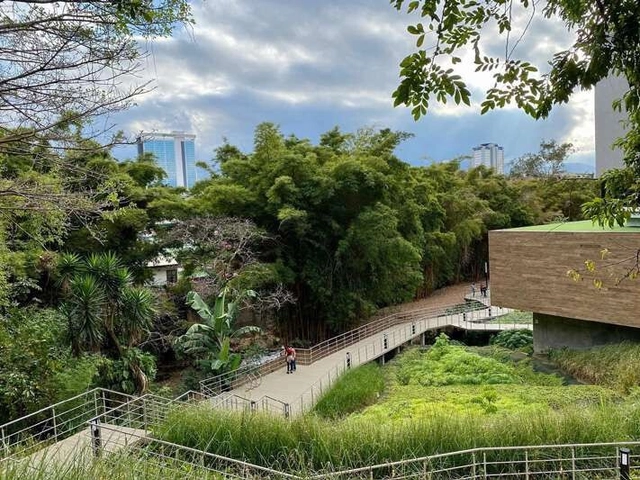
Rutas Naturbanas (San José, Costa Rica. 2015 – 2020). Fundación Rutas Naturbanas - Federico Cartín. Image Courtesy of Jeannette Sordi
Green corridors, or biodiversity corridors, are large portions of land that receive coordinated actions to protect biological diversity. According to Brazil’s National System of Nature Conservation Units, they strengthen and connect protected areas, encouraging low-impact use by implementing a more comprehensive, decentralized and participatory conservation alternative.
Whether it is for a break, relaxation, or even free wifi, coffee shops tend to host a series of situations that involve more than just enjoying a cup of coffee. A quiet and pleasant place, which in addition to everything else offers a good hot drink, is a great attraction for those looking for a coffee shop to spend a few hours.
In this sense, a landscape project that integrates greenery into these environments can significantly increase the comfort of customers, by easing temperatures and offering a barrier against atmospheric, noise and visual pollution. In addition, after the restrictions imposed by the Covid-19 pandemic, open spaces, with natural ventilation and gardens became priorities for many projects, including coffee shops.
Being a region characterized by its wide variety of landscapes, biodiversity and thermal floors, the design of interior patios in Colombian homes accompanies the living, resting, access, and circulation spaces, being, on many occasions, protagonists and a source of contact with the surrounding nature.
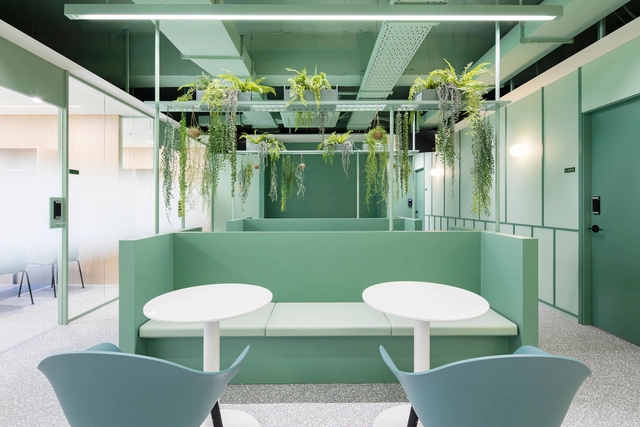
Offices have evolved tremendously in recent years. They are becoming more and more like a domestic space, incorporating new color palettes, flexible furnishings, warm textures, and even greenery as part of the design. In the latter case, it is not simply an aesthetic addition, but the greenery is integrated in such a way that it completely transforms and enhances the work experience of the people inside. How can plants become protagonists of the workspace? Let's review 7 cases that creatively integrate them in favor of the well-being of users.
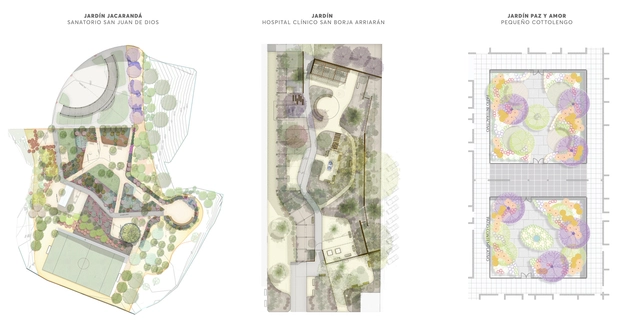
For the Cosmos Foundation, environmental conscience, ecological conservation, and community focus form the foundations of land planning and landscape design within public infrastructure projects. We sat down with the foundation's project director, Felipe Correa, as well as foundation architects Valentina Schmidt and Consuelo Roldán, as they went in depth on the benefits, objectives, and motivations behind the Healing Gardens initiative.
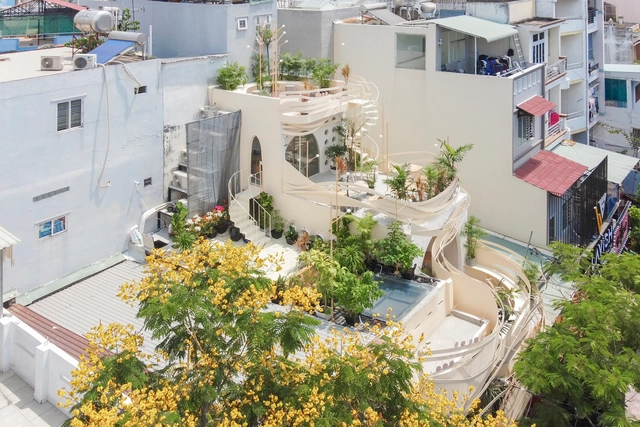
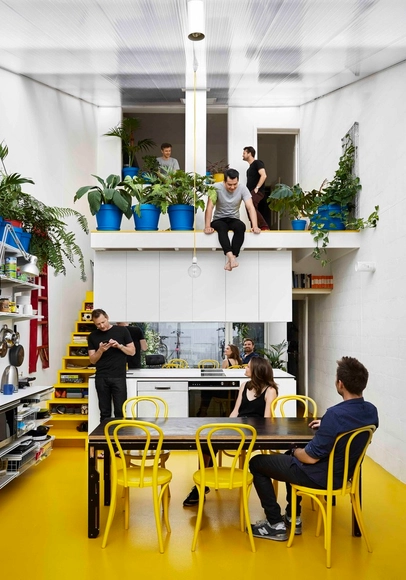
Not every architectural project can incorporate a landscaping project, consider a garden or access to ample green space. Smaller spaces need more creative strategies to incorporate vegetation. Regardless of the context, plants offer benefits in all types of spaces, such as indoor temperature regulation, an option for sustainable production on a smaller scale than a greenhouse, in addition to their aesthetic qualities. In this article, we present 4 simple strategies and a selection of examples for incorporating plants in small-scale spaces, all of which can be found in Architonic's Planting section.
Humans possess an innate tendency to seek connections with nature, regardless of the physical or geographical conditions in which we find ourselves. As we become increasingly detached from the wilderness, we develop means and strategies to bring nature back into our daily lives, even if only for a few moments.
There are many ways of domesticating nature, as seen throughout the history of mankind, through fascinating structures that challenge technical limitations, such as vertical indoor gardens.
As urban dwellers become more aware of the environmental impacts of food production and transportation, as well as the origin and security of what they consume, urban agriculture is bound to grow and attract public and political eyes. Bringing food production closer, in addition to being sustainable, is pedagogical. However, generally with small size and other restrictions, the concerns of growing food in cities differ somewhat from traditional farming.
Urban gardens can occupy a multitude of places and have varied scales - window sills and balconies, slabs and vacant lots, courtyards of schools, public parks and even unlikely places, such as subway tunnels. They can also be communitarian or private. Whatever the case, it is important to consider some variables:
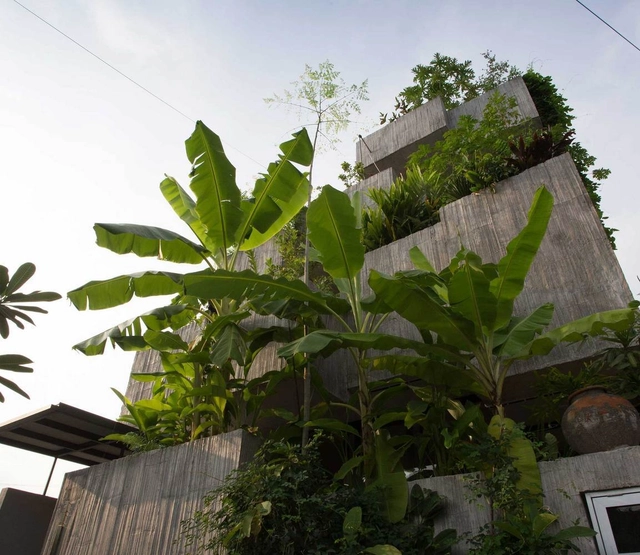
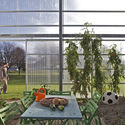
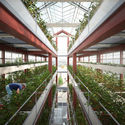
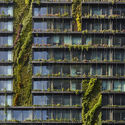
With the increase of urban density and the decrease in the availability of land, the verticalization phenomenon has intensified in cities all over the world. Similar to the vertical growth of buildings — which is often a divisive issue for architects and urban planners — many initiatives have sought in the vertical dimension a possibility to foster the use of vegetation in urban areas. Vertical gardens, farms and forests, rooftop vegetable gardens, and elevated structures for urban agriculture are some of the many possibilities of verticalization in plant cultivation, each with its unique characteristics and specific impacts on the city and its inhabitants.
But is verticalization the ideal solution to make cities greener? And what are the impacts of this action in urban areas? Furthermore, what benefits of urban plants are lost when adopting vertical solutions instead of promoting its cultivation directly on the ground?
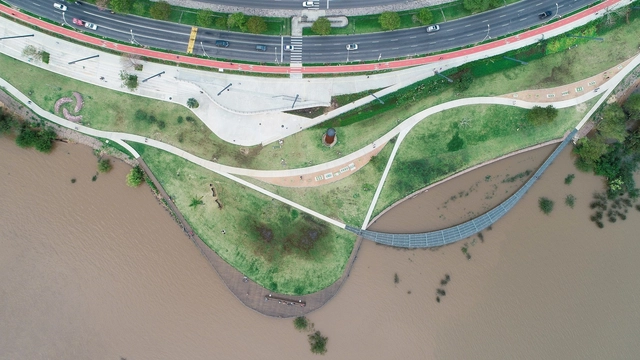
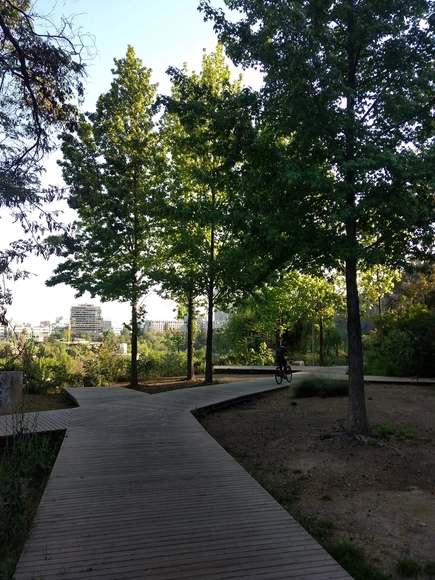
Linear parks exist in many different contexts - along riversides, coastal areas, or inserted in the urban fabric - and represent a very particular type of public space that evokes the idea of a vector and, consequently, the sense of movement. However, they can provide more than just activities and programs associated with mobility, proving to be an appealing solution to the lack of spaces for leisure, contemplation, and relaxation in the most varied urban situations.
Below, we have gathered 12 examples of linear parks built in different parts of the world, illustrated by photographs and floor plans.
Inner courtyards and gardens can provide many benefits, such as natural light, better ventilation, and increased contact with nature without losing privacy.
In the early modern period, Taoist monks cultivated Bonsai trees seeking to bring their beauty from the outside to the inside, considering them a link between the human and the divine. Likewise, in the 18th century, different tree-lined walks and avenues arose on the outskirts of some European cities, generating spaces for rest and socialization that were previously non-existent in cities at that time.
In cities today, trees are essential elements in the urbanization process and act as irreplaceable counterpoints to manmade constructions for spatial harmony. Choosing appropriate tree species and maintaining them correctly generates countless benefits, such as acoustic and visual insulation, temperature regulation, the generation of biological corridors, and control of wind speeds. The main mistake planners can make when choosing tree species is forgetting that they are living beings and have specific needs.



















_Paolo_Rosselli_DSC_8101.jpg?1612525106&format=webp&width=640&height=580)

_Paolo_Rosselli_DSC295s0.jpg?1612525069 "Bosco Verticale / Boeri Studio. Image: © Paolo Rosselli")
_Paolo_Rosselli_DSC_8101.jpg?1612525106)