1. ArchDaily
  2. Vacant lots

Vacant lots: The Latest Architecture and News

The Korean Pavilion to Explore Urban Shrinkage Through "Catabolism" at the 2027 Venice Architecture Biennale

Audio available

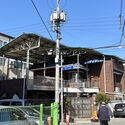
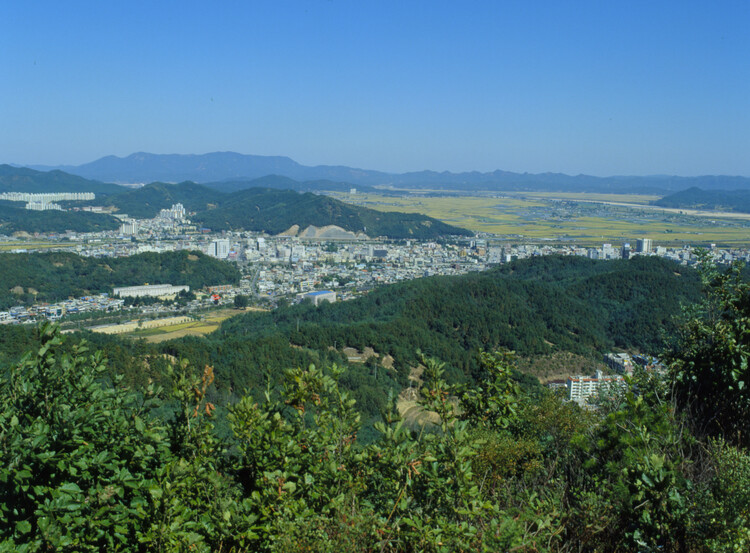
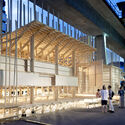
The Korean contribution at the 2027 International Architecture Exhibition – La Biennale di Venezia will focus on the country's condition of hyper-shrinkage, the accelerated stage of population contraction and societal aging, within the context of global demographic change. Commissioned by the Arts Council Korea (ARKO) and led by curator Janghwan Lee, the exhibition will feature contributions by architects Bae Yoonkyung, Kyo Suk Lee and Jaehyub Ko. The curatorial project is named "Catabolism," after the metabolic process through which complex molecules break down into simpler units and release energy. Moving away from an expansion-focused view of cities and architecture, the team uses the concept as a lens to understand urban shrinkage as a reconfiguration of existing relationships and the emergence of new uses and ways of living.
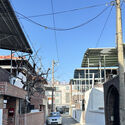
The Korean Pavilion to Explore Urban Shrinkage Through "Catabolism" at the 2027 Venice Architecture Biennale - Imagem 1 de 4The Korean Pavilion to Explore Urban Shrinkage Through "Catabolism" at the 2027 Venice Architecture Biennale - Imagem 2 de 4The Korean Pavilion to Explore Urban Shrinkage Through "Catabolism" at the 2027 Venice Architecture Biennale - Imagem 3 de 4The Korean Pavilion to Explore Urban Shrinkage Through "Catabolism" at the 2027 Venice Architecture Biennale - Imagem 4 de 4The Korean Pavilion to Explore Urban Shrinkage Through Catabolism at the 2027 Venice Architecture Biennale - More Images

Subscriber Access

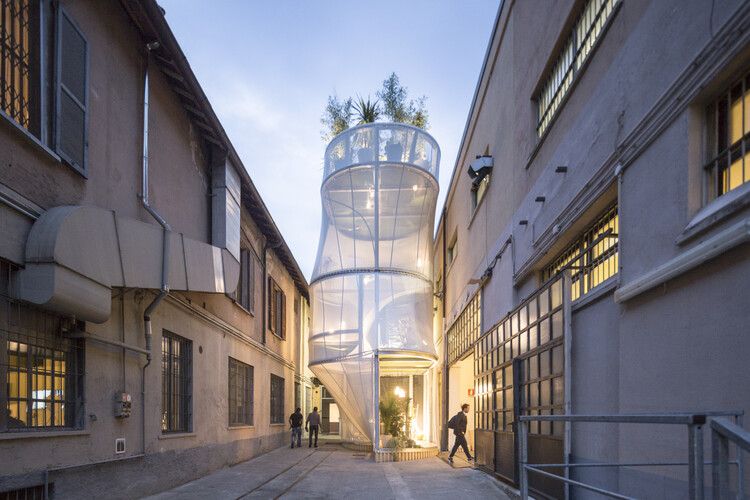
What Fits in the Void? Terrain Vague and Cities That Resist Planning

Every city carries, woven into its fabric, fissures that resist capture: ruins, vacant lots, leftover infrastructures, and gaps that persist at the margins of the official narrative. These are places that slip through the logics of planning, emerging as unexpected counter-scenes within a territory that seeks to present itself as coherent.

In the rush to organize and predict, we rarely pause to notice what emerges from such unforeseen conditions. Yet it is precisely in them that new forms of urban life begin to take shape. Free from pragmatic control or predetermined codes of conduct, these spaces reveal another layer of the city — one that, in its continual state of latency, opens room for new modes of appropriation.

What Fits in the Void? Terrain Vague and Cities That Resist Planning - Image 1 of 4What Fits in the Void? Terrain Vague and Cities That Resist Planning - Image 2 of 4What Fits in the Void? Terrain Vague and Cities That Resist Planning - Image 3 of 4What Fits in the Void? Terrain Vague and Cities That Resist Planning - Image 4 of 4What Fits in the Void? Terrain Vague and Cities That Resist Planning - More Images+ 8

Subscriber Access

What Cities Can Do with Vacant Lots

What Cities Can Do with Vacant Lots - Featured Image
Glenwood Green Acres; © Tony Fischer Photography

The bursting of the housing bubble wreaked havoc on cities across the United States causing widespread blight in once-thriving community economies. Foreclosed, abandoned and condemned homes continue to pockmark neighborhoods and communities, adding to the vacant lots of populous but affected cities like Philadelphia. The Mayor's Office of Philadelphia approximates that there are nearly 40,000 vacant lots throughout the city of brotherly love, about 74% of which are privately owned, making them virtually inaccessible to rehabilitation. But the city has a strong drive to amend these conditions. With organizations like DesignPhiladelphia's "Not a Vacant Lot" and the city's Redevelopment Authority, some of this land is being put to good use.