In the 19th century, many Americans living in up-and-coming cities and towns oftentimes found themselves strolling through the winding paths of curated gardens, stopping to rest under the shade of a tree and share a picnic with family and friends. Dotted across the grassy areas were headstones, marking the burial locations of those who were laid to rest. While the concept of relaxing in a graveyard seems a bit taboo in the present day, it was sometimes the only option for people to find space for recreation and leisure and was one of the earliest examples of a public park. Many of the parks we have today were actually caused by the evolution and planning of historic cemeteries.
2022 has again resulted in diverse coverage on ArchDaily in an eventful year, from speculating on building materials of the future to analyzing the narrative role that architecture plays in literature. A selection of articles from this year is found below, organized into four over-arching topics.
There are significant deficiencies in how our cities worldwide operate and serve the people who live in them. Bureaucracies, red tape, and other limiting processes that publicly drive our cities towards their futures are often the aspects that cause change to happen at such a slow pace that by the time an issue is addressed, five more have popped up in its place. Over time, society has come to accept that when the systems we have in place don’t do much to serve our needs, it forces us to turn to alternatives to advocate for change. Some urban issues have found the best solutions after initiating social movements and the formation of grassroots groups.
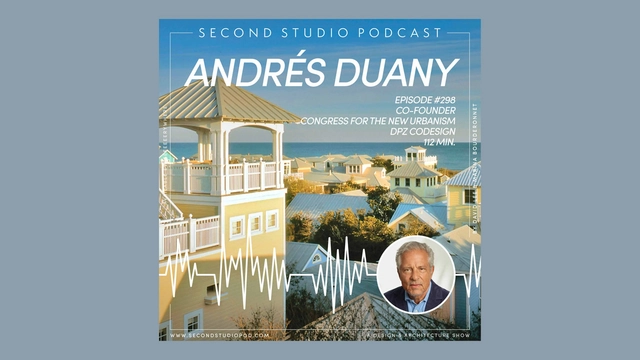
The Second Studio (formerly The Midnight Charette) is an explicit podcast about design, architecture, and the everyday. Hosted by Architects David Lee and Marina Bourderonnet, it features different creative professionals in unscripted conversations that allow for thoughtful takes and personal discussions.
A variety of subjects are covered with honesty and humor: some episodes are interviews, while others are tips for fellow designers, reviews of buildings and other projects, or casual explorations of everyday life and design. The Second Studio is also available on iTunes, Spotify, and YouTube.
This week David and Marina are joined by Architect Andrés Duany, FAIA, CNU, one of the founders of the Congress for the New Urbanism to discuss new urbanism; his appearance on the Tucker Carlson Fox show; the importance of understanding an audience; Seaside, Florida and how it embodies principles of new urbanism; the current state of architecture; and more.
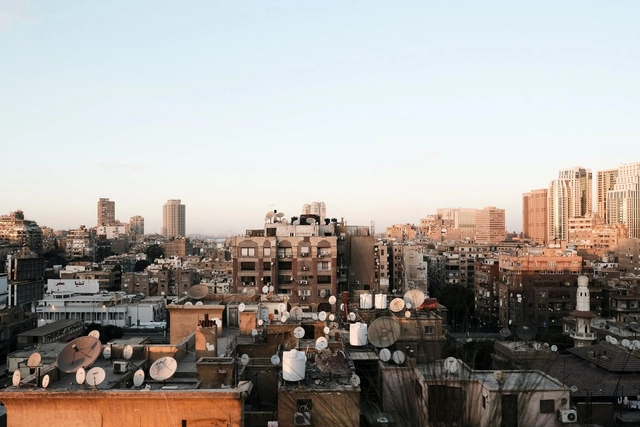
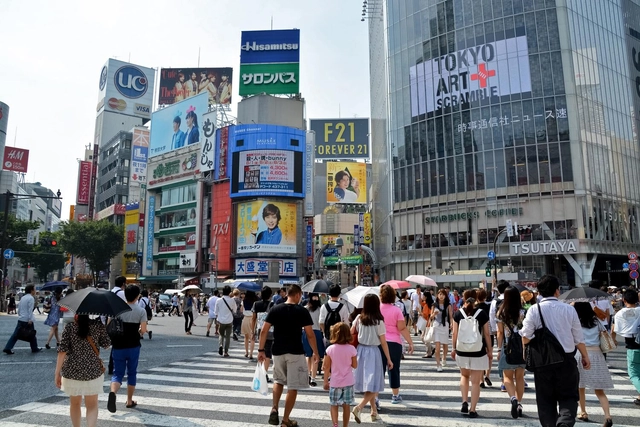
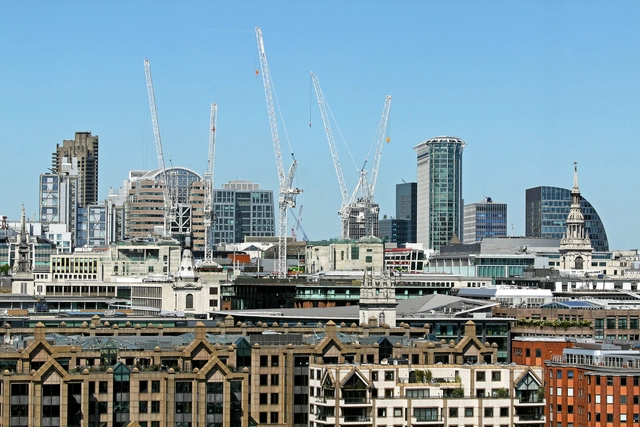
As of today, over 50% of the world’s population lives in urban areas, and by 2050, this urban population will almost double in size, and 7 of 10 people in the world will live in cities. As cities have continued to grow and expand throughout history, a new vocabulary has also emerged, often to better communicate the scale of urban living in a relatively contemporary context. One such example is the term megalopolis – typically defined as a network of large cities that have been interconnected with surrounding metropolitan areas by infrastructure or transportation. In effect, it’s a region perceived as an encompassing urban area, within which there is a constant flow of commerce and migration.
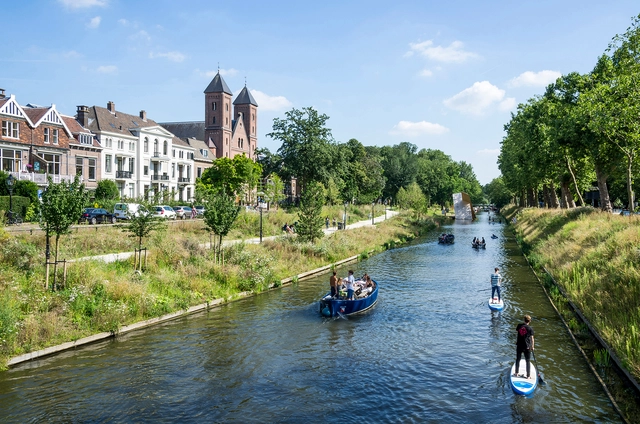
The Dutch firm OKRA landschapsarchitecten has been awarded the European Prize for Urban Public Space 2022 for its project to restore the Catharijnesingel canal in the city of Utrecht in the Netherlands. Being an initiative of the Center of Contemporary Culture of Barcelona (CCCB), this eleventh edition received 326 projects from 35 different countries showing those problems that European cities must face and proposing some solutions in the framework of a post-pandemic context focused on climate change and how to make cities more livable.
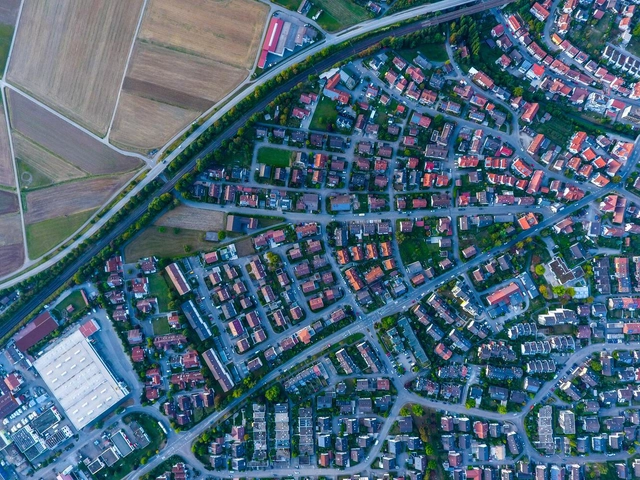
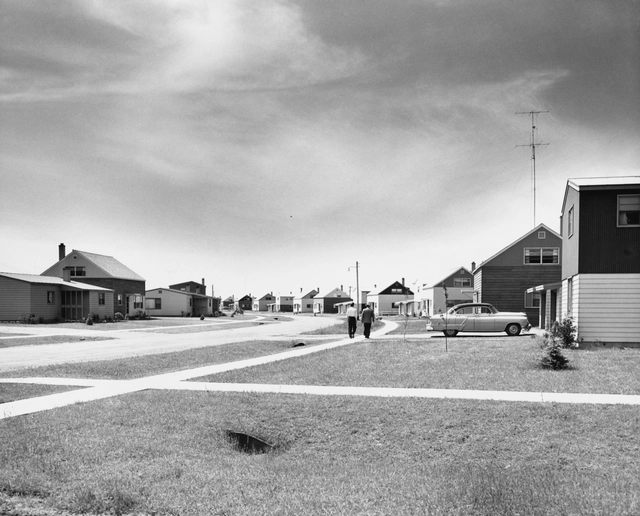
How we plan our cities, suburbs, and rural communities is a constantly evolving set of goals essential for creating sustainable cities. Not only do we need to consider what lies within these areas, but we also need to effectively design the boundaries between each, where urban meets suburban, and where suburban meets the small town. In recent years, urbanists have paid close attention to urban sprawl, or what sometimes happens when towns rapidly grow outwardly from city centers. What happens when cities seem to “sprawl” out of control, and are the design principals behind New Urbanism able to turn urban sprawl into equitable communities?
Sensory urbanism is a form of investigation of how non-visual information defines a city's character and affects its livability. Using methods that range from sound tracks and smell maps, wearables and virtual reality, researchers in this area have introduced other senses to urban centers.
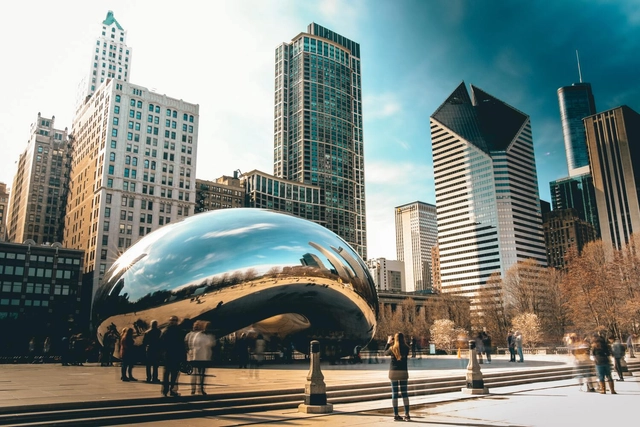
Chicago, The Windy City, Chi-Town, or The Second City. It’s a place that is known by many names, but to architects and urban planners alike, it’s famous for its history which has given us some of the best-known buildings and important advancements that have helped to shape other cities across the United States. From its inception, Chicago has long served as an architectural hub for innovation.
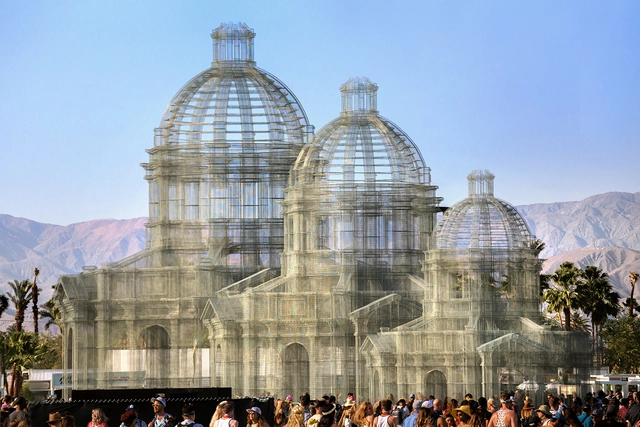
Multi-day stretches of camping in tents and sweltering under the hot summer sun to be 100 rows back at your favorite musical artist’s set? It must be music festival season. As the year comes to a close, with music festivals returning in full swing after a COVID-19 hiatus, it’s important to understand the socio-economic impact that they have on the cities that host them, long after the final set performs. Do the short-term entertainment and monetary benefits outweigh the long-term urban inequities that they might exacerbate?
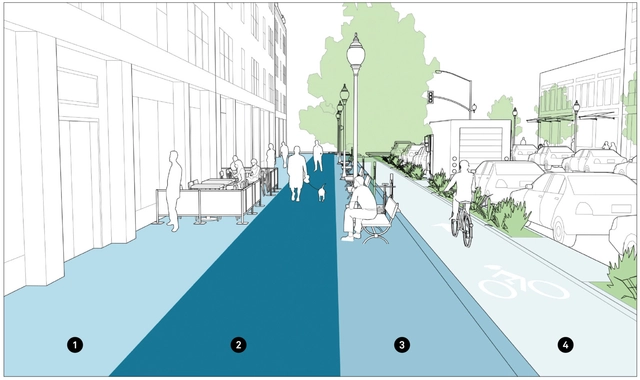
Future planning methods for sidewalks and public transit space. Image via Global Designing Cities Initiative
Whether you live in an urban, suburban, or rural area, there’s a good chance that using a sidewalk, in some capacity, is part of your everyday routine. Whether crossing over a sidewalk to get to your car in a parking lot or walking several blocks on your commute to your office downtown, sidewalks are critical for creating safe places for pedestrians away from the streets. But what happens when cities don’t take ownership over sidewalk maintenance, and they’re left to be protected by the people who just use them?
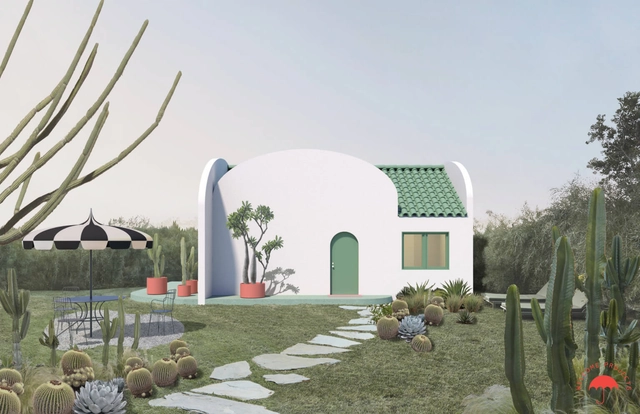
The Breadbox ADU . Image Courtesy of Los Angeles Department of Building and Safety and WELCOME PROJECTS
In a time where housing prices are unattainable and residents are looking to downsize their homes more than ever, enter the concept of Accessory Dwelling Units (ADUs). These small and highly customizable homes are taking backyards across the United States by storm, enabling homeowners to build homes on their land, and rent them out to tenants.
The great debate wages on: how do we design and build a modern city in a way that everyone will benefit? Traditionally, you’re on one side of the urban war. You’re either a NIMBY, which stands for “Not In My Backyard”, meaning you oppose new development in your neighborhood, or you’re a YIMBY, who says “Yes In My Backyard”, and are pro-development, for one reason or another. But these blanket acronyms don’t describe the real issues that cause people to position themselves on one side of the never-ending tug-of-war between “No! Don’t build that!” and “Yes! Build that!”
The National Building Museum has announced that Dolores Hayden, professor emerita of architecture, urbanism, and American studies at Yale University, is this year’s recipient of the Vincent Scully Prize. As an urban historian and architect, Dolores Hayden has focused throughout her career on the politics of place and the stereotypes of gender and race embedded in American-built environments. As the 24th recipient of the Vincent Scully Prize, Dolores Hayden joins esteemed past recipients, including Mabel O. Wilson, Elizabeth Meyer, Robert Campbell, and Inga Saffron.
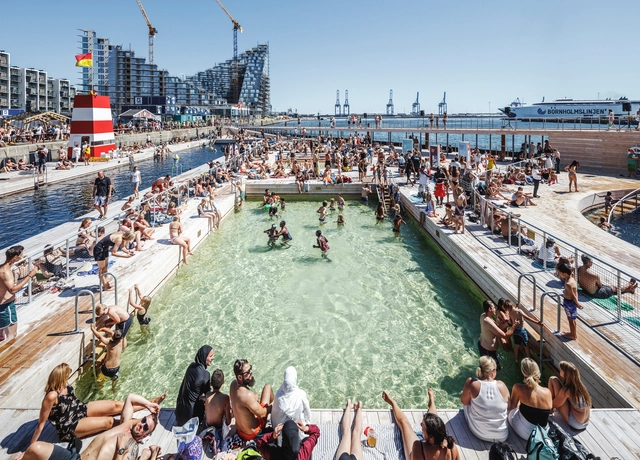
The end of the summer season is usually marked by crowds rushing to public pools to enjoy their final days splashing around the water. Public pools are much more complex than the fenced-in, chlorinated, and noisy bodies of water that they may seem to be. A delicate history and many socio-economic influences lie beneath the surface and dictate who gets to go for a swim. What happens when pools shift towards becoming private property and a sort of status symbol, and when these public spaces aren’t intended for everyone?
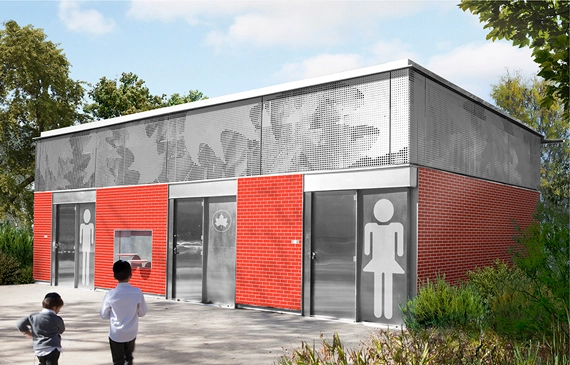
Fairview Park Comfort Station, Staten Island. Image via NYC Parks, Design by Sage and Coombe Architects
In the realm of design, we often talk about ensuring that there are enough public spaces to serve a community. We discuss the need for public parks so that people have access to outdoor spaces. We think about public transportation, and how our dwindling reliance on cars will help to ensure that we have a healthier planet. But what about the public spaces we lack? What happens when we don’t have enough public restrooms?
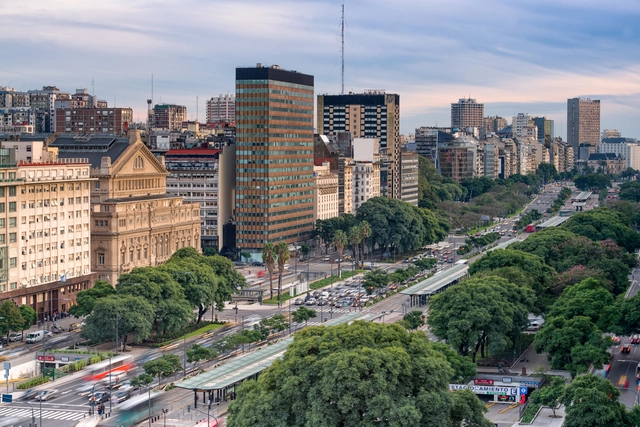
Buenos Aires, Argentina. Image from sharptoyou. Image via Shutterstock
Understanding the diversity and plurality of people who inhabit and pass through cities on a daily basis, gender-responsive urban planning aims to incorporate all those identities, perspectives and activities that have been invisible for years. Understanding the complexities that surround cities and getting involved in the urban experiences of their inhabitants, public spaces turn out to be the scenario for the development of urban life and, as such, should bring together a series of guidelines and considerations in accordance with this new paradigm that act as planning tools, composing this network of spaces and contemplating all the users of the city.