1. ArchDaily
  2. Urban Plants

Urban Plants: The Latest Architecture and News

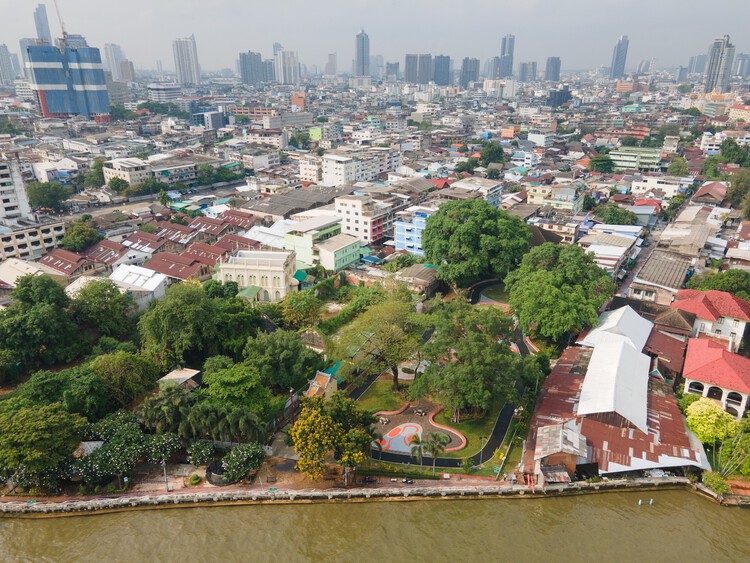
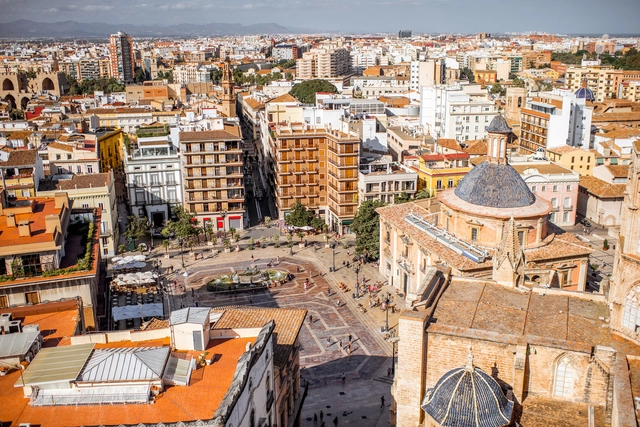
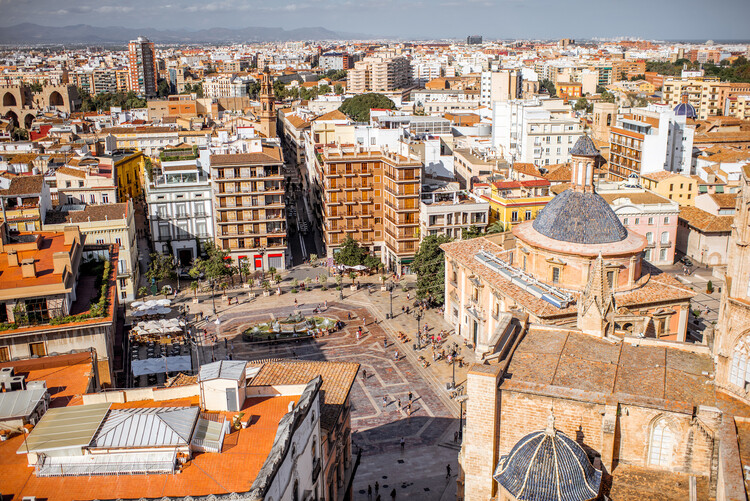
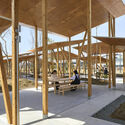
Cooling the City: How European Cities are Adapting to Extreme Heat

The summer of 2025 has brought extreme heat across Europe and beyond, with record-breaking temperatures and widespread climate-related impacts. Red alert warnings have been issued in France, Italy, and Spain as temperatures exceeded 46°C in parts of the Iberian Peninsula. These conditions have led to school closures, restrictions on outdoor work, and pressure on urban infrastructure, including power grids and public transport systems. The heatwave has simultaneously intensified wildfire risk across the Mediterranean. In western Turkey, ferocious wildfires near Izmir forced the evacuation of over 50,000 people as high winds and low humidity fueled rapidly spreading flames. In Spain's Catalonia region, two people died in a wildfire that raced across farmland and old structures in Torrefeta on July 1. Similar disasters have occurred in Greece, France, and Italy, with evacuations throughout southern Europe as widespread heat‑induced drought exacerbates fire season intensity.

 Cooling the City: How European Cities are Adapting to Extreme Heat - Image 1 of 4 Cooling the City: How European Cities are Adapting to Extreme Heat - Image 2 of 4 Cooling the City: How European Cities are Adapting to Extreme Heat - Image 3 of 4 Cooling the City: How European Cities are Adapting to Extreme Heat - Image 4 of 4 Cooling the City: How European Cities are Adapting to Extreme Heat - More Images+ 6

Biophilic Architecture without Plants: Invisible Design for Wellbeing

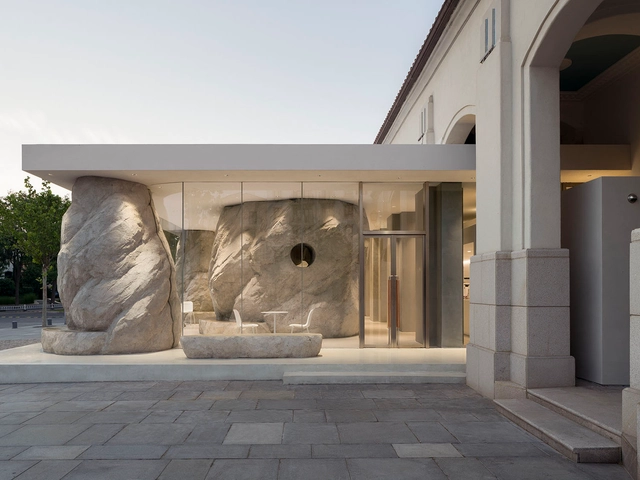
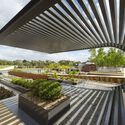
The term "biophilia" understandably conjures images of buildings engulfed by vegetation and integrated into natural landscapes. In modern architectural discourse, the concept has come to be associated with the incorporation of greenery into built environments, yet such applications represent only a sliver of biophilic design's true scope. Inarguably, nature plays a central role in biophilic design. However, its influence stretches to often-overlooked strategies that involve spatial configuration and environmental patterning. "Invisible" biophilia frequently leads to positive health outcomes for occupants, working impactfully beneath the surface.

Biophilic Architecture without Plants: Invisible Design for Wellbeing - Image 1 of 4Biophilic Architecture without Plants: Invisible Design for Wellbeing - Image 2 of 4Biophilic Architecture without Plants: Invisible Design for Wellbeing - Image 3 of 4Biophilic Architecture without Plants: Invisible Design for Wellbeing - Image 4 of 4Biophilic Architecture without Plants: Invisible Design for Wellbeing - More Images+ 4

Harvard GSD Inaugurates Polinature, a Plug-In Public Space to Transform Urban Climates

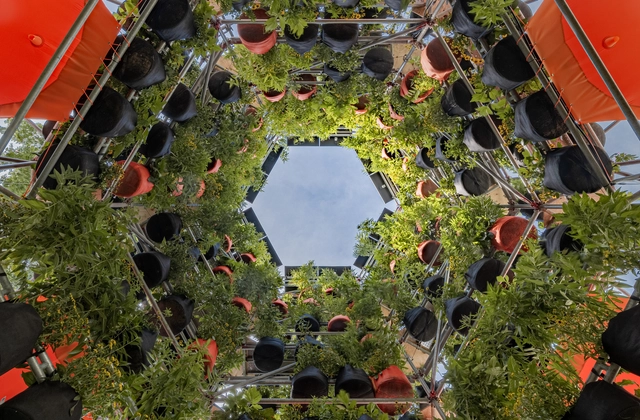
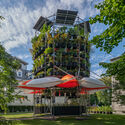
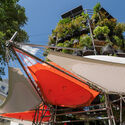
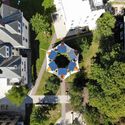
Architects Belinda Tato and Jose Luis Vallejo of Ecosistema Urbano have designed a plug-in public space designed to address the effects of climate change in ill-equipped urban environments. Titled Polinature, the installation has been funded by the Salata Institute for Climate and Sustainability at Harvard, and is now installed in the backyard of the Harvard Center for Green Buildings and Cities. The pavilion, featuring native plans set into a scaffolding, with an inflatable bioclimatic canopy, aims to demonstrate how small-scale interventions can create compound positive effects for the local micro-climate and biodiversity.

Harvard GSD Inaugurates Polinature, a Plug-In Public Space to Transform Urban Climates - Featured ImageHarvard GSD Inaugurates Polinature, a Plug-In Public Space to Transform Urban Climates - Image 1 of 4Harvard GSD Inaugurates Polinature, a Plug-In Public Space to Transform Urban Climates - Image 2 of 4Harvard GSD Inaugurates Polinature, a Plug-In Public Space to Transform Urban Climates - Image 3 of 4Harvard GSD Inaugurates Polinature, a Plug-In Public Space to Transform Urban Climates - More Images+ 14

Urban Spaces for an Overheated Planet: 12 Projects that tackle this Global Challenge

Subscriber Access | 

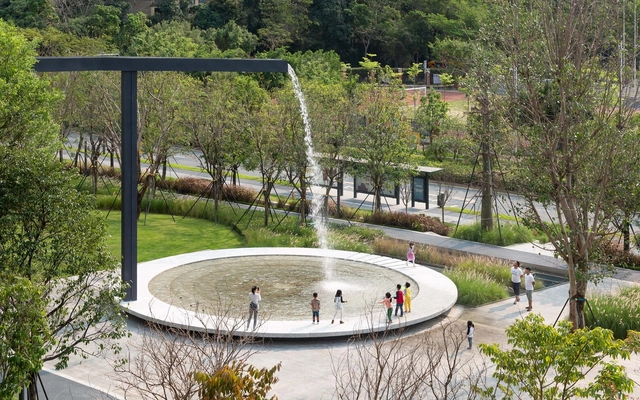
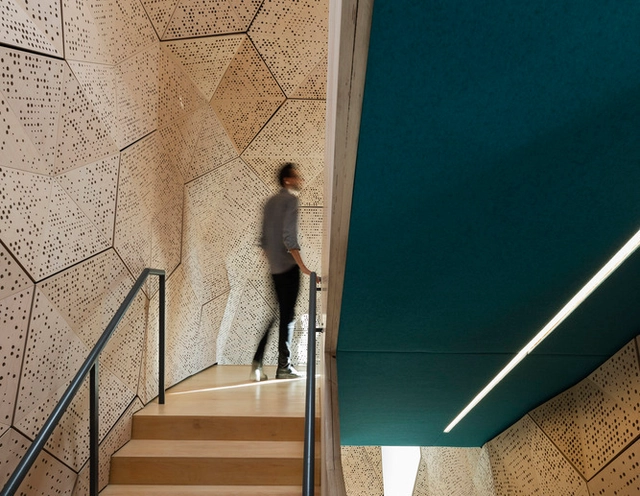
Due to climate change, heat waves are becoming increasingly frequent and intense, and they present a critical challenge for the design of urban spaces. Elevated temperatures exacerbate public health issues, increase energy consumption, and diminish cities' overall quality of life. Urban design must adopt strategies that promote resilience to mitigate these effects rather than merely replicating traditional formats that do not address the thermal stress experienced by many.

For quite some time, we have recognized the positive effects of urban green spaces, interaction with nature, water, and soil, and the associated health and well-being benefits for residents living next to parks. The significance of this matter has been further underscored, particularly in the aftermath of the panic induced by the Covid-19 pandemic. However, the present moment once again highlights the influence of our urban models on modern life, now grappling with unprecedented extreme temperatures.

Urban Spaces for an Overheated Planet: 12 Projects that tackle this Global Challenge - Image 1 of 4Urban Spaces for an Overheated Planet: 12 Projects that tackle this Global Challenge - Image 2 of 4Urban Spaces for an Overheated Planet: 12 Projects that tackle this Global Challenge - Image 3 of 4Urban Spaces for an Overheated Planet: 12 Projects that tackle this Global Challenge - Image 4 of 4Urban Spaces for an Overheated Planet: 12 Projects that tackle this Global Challenge - More Images+ 14

Exploring the Interconnectedness of Human and Environmental Health: In Conversation with Dr. Arta Yazdanseta

In the evolving landscape of architecture and urban design, bioclimatic and biogenic envelopes present a compelling vision for future cities. Dr. Arta Yazdanseta, a Doctor of Design focused on energy and environments, dives into the intersection of design, building performance, and plant biophysical ecology. With a focus on bioclimatic and biogenic envelopes, Dr. Yazdanseta examines how these typologies can enhance socio-natural systems by leveraging their self-organizing potential. Dr. Yazdanseta’s academic journey includes earning a Doctor of Design and a Master of Design in Energy and Environments from the Harvard Graduate School of Design.

Her contributions as a researcher at the Harvard Center for Green Buildings and Cities include developing environmental design strategies and performance analyses for the HouseZero carbon retrofit project. In this interview, Dr. Yazdanseta explores the concept of bioclimatic envelopes and their interaction with passive architectural design principles. With a potential to revolutionize urban environments, the interview reveals insights into her research, the benefits of plant-based materials, and the future of sustainable architecture, emphasizing the critical connection between human and environmental health.

Exploring the Interconnectedness of Human and Environmental Health: In Conversation with Dr. Arta Yazdanseta - Image 1 of 4Exploring the Interconnectedness of Human and Environmental Health: In Conversation with Dr. Arta Yazdanseta - Image 2 of 4Exploring the Interconnectedness of Human and Environmental Health: In Conversation with Dr. Arta Yazdanseta - Image 3 of 4Exploring the Interconnectedness of Human and Environmental Health: In Conversation with Dr. Arta Yazdanseta - Image 4 of 4Exploring the Interconnectedness of Human and Environmental Health: In Conversation with Dr. Arta Yazdanseta - More Images+ 9

Cooking Sections and AKT II Design Water-less Garden for Cities

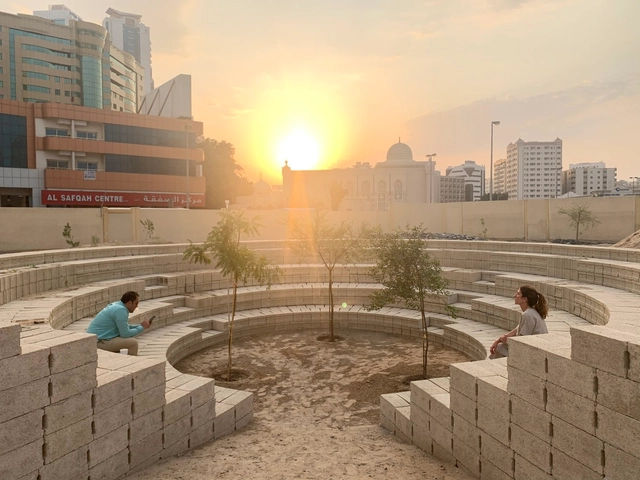
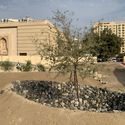
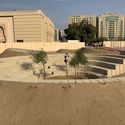
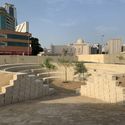
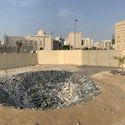
Entitled Becoming Xerophile, Cooking Sections and AKT II have developed a zero-water desert garden, part of the first Sharjah Architecture Triennial in UAE, curated by Adrian Lahoud. The installation explores the introduction of desert landscapes in the urban fabric of the city and everyday life.

Cooking Sections and AKT II Design Water-less Garden for Cities - Image 1 of 4Cooking Sections and AKT II Design Water-less Garden for Cities - Image 2 of 4Cooking Sections and AKT II Design Water-less Garden for Cities - Image 3 of 4Cooking Sections and AKT II Design Water-less Garden for Cities - Image 4 of 4Cooking Sections and AKT II Design Water-less Garden for Cities - More Images+ 5

Cities Should Think of Trees as Public Health Infrastructure

Subscriber Access | 

Did you know that tree-lined streets are proven to be beneficial to physical and mental health? So why not include them in health funding? The Nature Conservancy's new research demonstrates the number of reasons why this should be done.