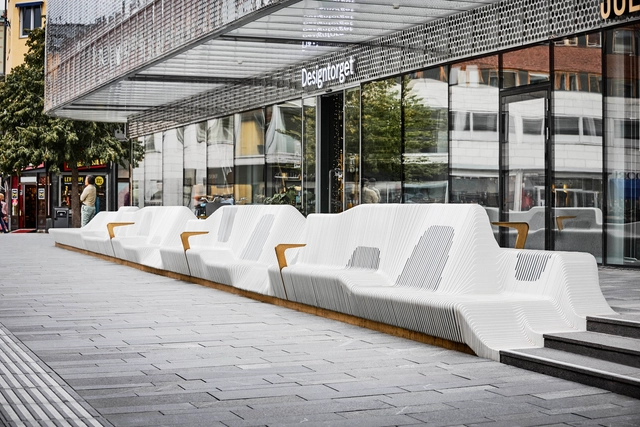
Design practice White Arkitekter has created a 65 meter-long ‘sofa’ for Forumtorget Square in Uppsala, Sweden. Designed to provide space for rest and social interaction, the linear outdoor seating is the centerpiece of wider improvements to the large square. The project aims to attract more visitors to Forumtorget and its surrounding shopping area by building on the area’s character as a gathering place.
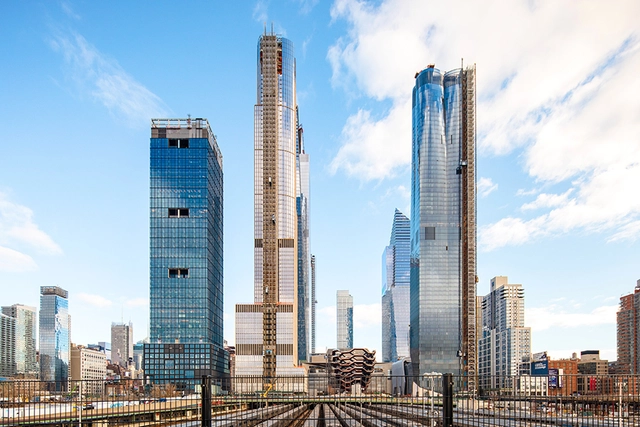
There’s something striking about the command center of America’s largest private real estate development, Hudson Yards, in that it’s actually pretty boring. The room—technically known as the Energy Control Center, or ECC for short—contains two long desks crammed with desktop computers, a few TV monitors plastered to the wall, and a corkboard lined with employee badges. The ceiling is paneled; the lighting, fluorescent. However, New York’s Hudson Yards was once billed as the country’s first “quantified community”: A network of sensors would collect data on air quality, noise levels, temperature, and pedestrian traffic. This would create a feedback loop for the developers, helping them monitor and improve quality of life. So where is the NASA-like mission control? Data collection and advanced infrastructure will still drive parts of Hudson Yards’ operations, but not (yet) as first advertised.
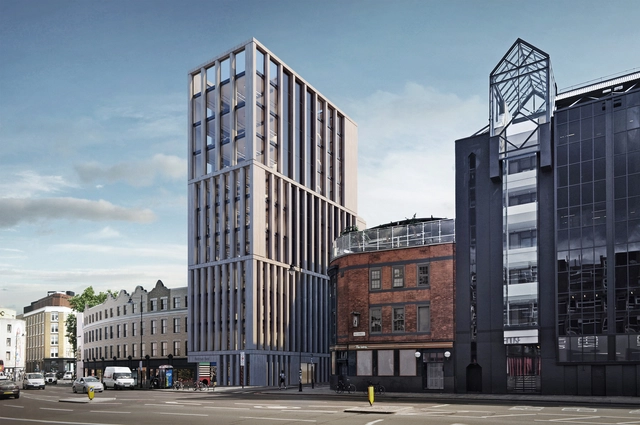
Douglas and King Architectsmaster plan to reinvigorate Shoreditch takes on a complex dual challenge. Broadly, there is the challenge at the core of any masterplanning project: creating a set of elements that flow together seamlessly with one another and their overall context. But more specifically, the project grapples with a tight triangular site and an already-lively urban context.
Artistic expression is often undisciplined. Sometimes, the riot of colors and explosion of lines and forms help unleash a 2D illustration out of its medium, which is precisely what Drawing Architecture Studio (DAS) managed to create in Ucommune’s new branch in Dajiang Hutong, Beijing.
In late 2018, Li Han, co-founder of Drawing Architecture Studio, won the 2018 Drawing Prize for her digital drawing of The Samsara of Building No.42 on Dirty Street, which also illustrates a visual narrative of the city of Beijing and its residential chronology throughout the 21st century. This year, DAS took Qianmen area, co-working brand Ucommune’s location as a subject, transforming its road network, architecture, and urban composition into a dynamic, meticulously detailed panorama titled Under the Zhengyangmen.
Architecture is powerful, and like nuclear energy, it all depends on how it is used. While it can create uninhabitable municipalities, it can also create safer cities that improve quality of life.
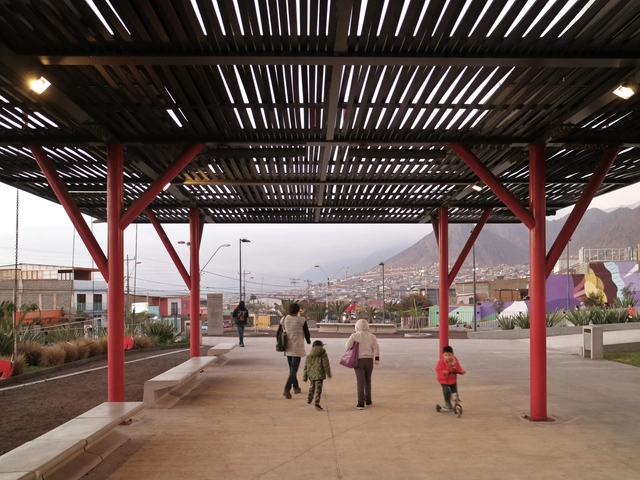
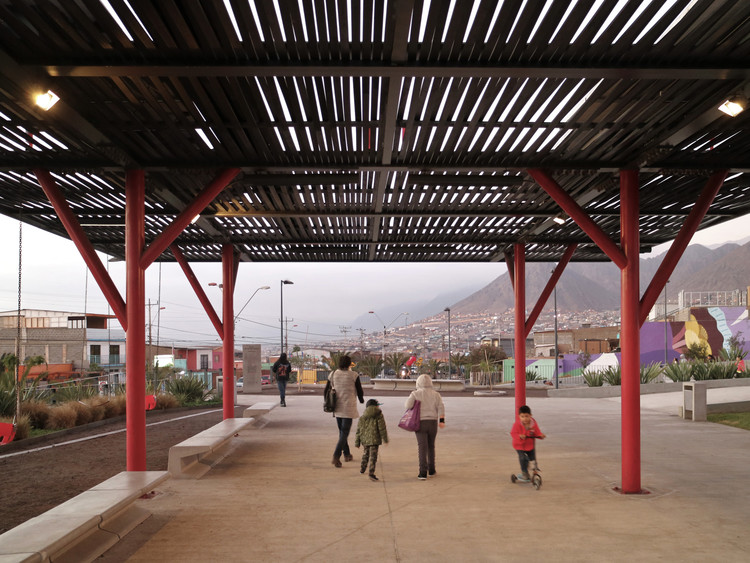
In various examples, urban design has provided a response to deteriorated or abandoned public spaces. It has shown that distribution and lighting are essential, but that it is also necessary to consider who will be using the space and how to make it an environment that generates community.
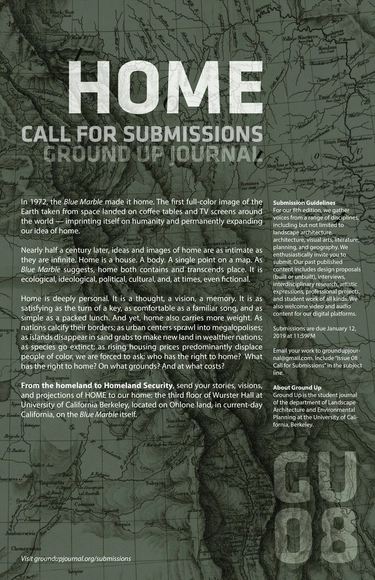
Ground Up, the journal of the Department of Landscape Architecture and Environmental Planning at UC Berkeley, Issue 08 seeks entries that address the idea of HOME.
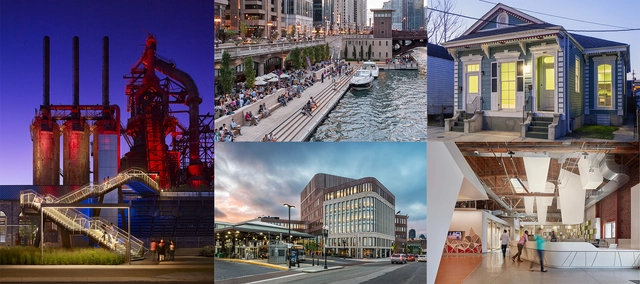
2017 Rudy Bruner Award Medalists (Photo Credits on RBA Website)
The Rudy Bruner Award for Urban Excellence (RBA) is an urban design award that seeks to promote innovative thinking about the built environment and advance conversation about making cities better. The award discovers and celebrates urban places in the United States that are distinguished by quality design along with their social and economic contributions to American cities.
Last week I wrote about the anti-urban legacy of architect and developer John Portman. I think it’s worth going into a bit more detail about these projects, since we seem to have learned so little from their failures.
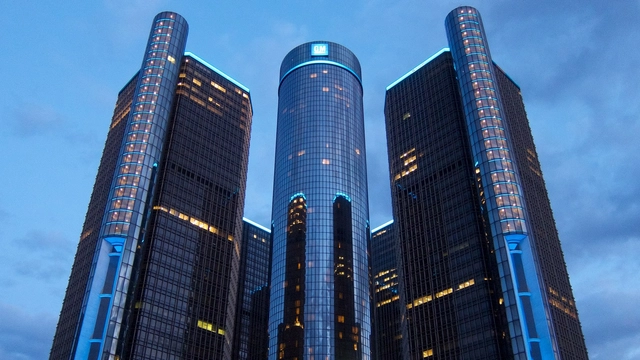
Let’s start with Detroit. The Renaissance Center was one of his largest and most celebrated projects. But this sprawling complex of seven-interconnected skyscrapers poses some difficult questions for urban planners today: can downtown Detroit ever fully recover from this mammoth and ill considered development? And, more importantly, why haven’t other cities learned from its clear and stark lessons?
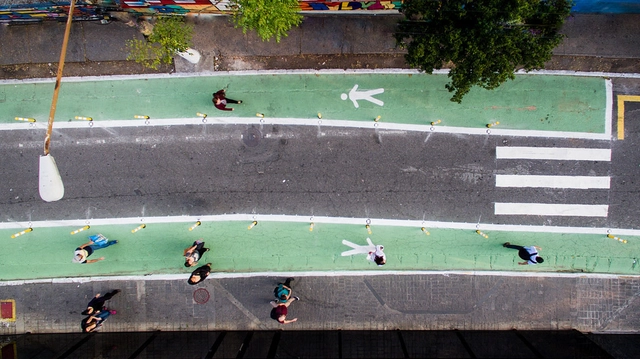
Joel Carlos Borges Street, in São Paulo, was transformed overnight to improve road safety, including enlarging the pedestrian area.
In 2015, the world community pledged to decrease half the number of deaths and grave injuries caused by traffic accidents by 2020. However, more than 3,200 deaths caused by collisions occur every day, and with the growing number of vehicles, that number can triple by 2030.
https://www.archdaily.com/901685/from-china-to-colombia-5-cities-that-made-their-streets-safer-with-urban-designNikita Luke e Ben Welle
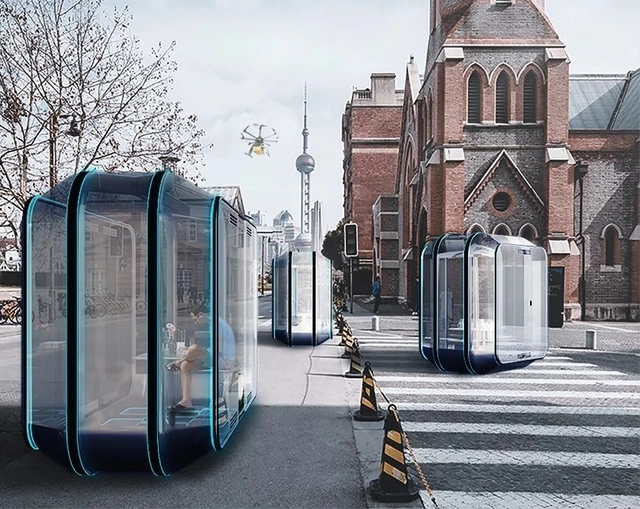
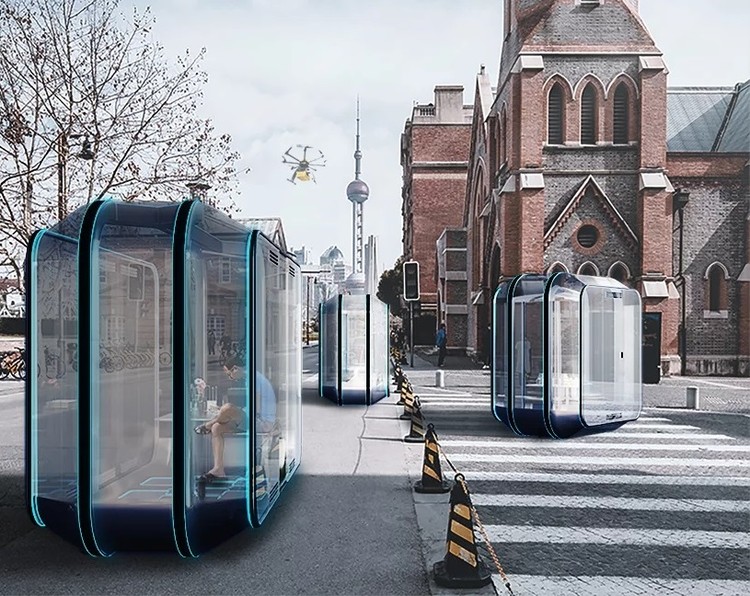
Florian Marquet, an architect based in Shanghai, recently released a proposal to rethink urban life through autonomous mobile living spaces. Dubbed 'the org’, his project aims to reconsider the housing market's status quo and provide a more balanced model for urban living across ages. The modular system would respond to user needs with a range of programs, from green farming and kitchen units to flexible work areas and sleeping quarters. Made for easy fabrication, the units could be ordered instantly via an app.
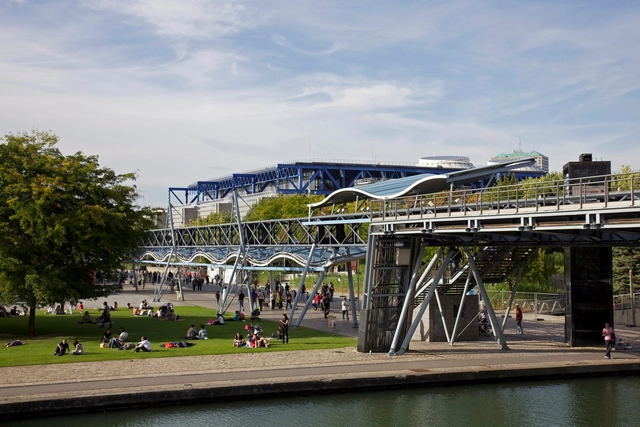
What does the Parisian park look like? For many, the answer to that question comes in the form of a painting: Georges Seurat’s ASunday Afternoon on the Island of La Grande Jatte, in which the well-dressed bourgeoisie leisurely enjoy a natural oasis on a verdant island within their industrializing city.
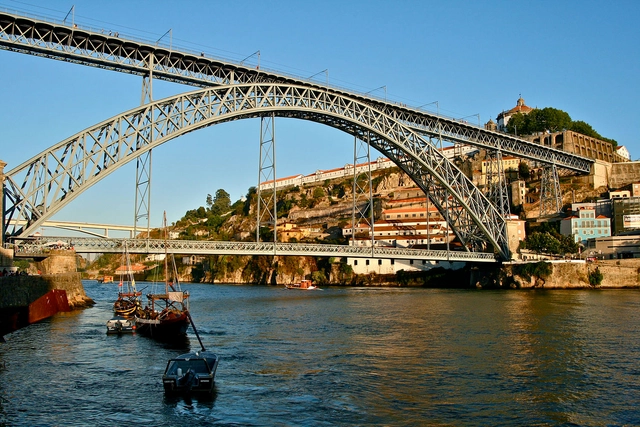
via Wikimedia. ImageDom Luis Bridge / Porto, Portugal
An unfortunate fact of the AEC (architecture, engineering, and construction) industry is that, between every stage of the process—from planning and design to construction and operations—critical data is lost.
The reality is, when you move data between phases of, say, the usable lifecycle of a bridge, you end up shuttling that data back and forth between software systems that recognize only their own data sets. The minute you translate that data, you reduce its richness and value. When a project stakeholder needs data from an earlier phase of the process, planners, designers, and engineers often have to manually re-create that information, resulting in unnecessary rework.
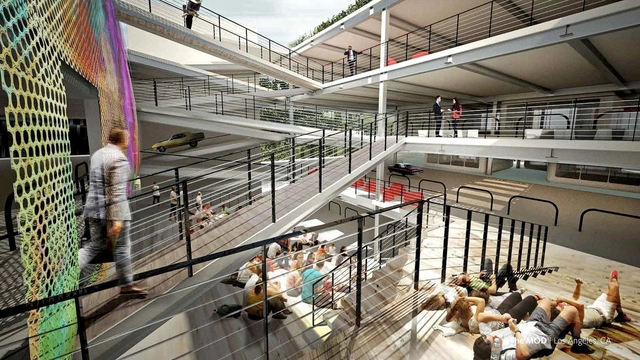
Are you in the market for a new home? If so, you may want to consider looking at a former parking garage, because they just might be the next place where developers are looking to build. In the United States alone, there are more than 500 million parking spots for 326 million citizens, covering approximately 2,500 square miles of land. Despite the push for a "car-free" future, more of these structures keep springing up across the country. If cities are building parking garages to support the need for the cars of today, how might we rethink their design so they can outfit the autonomous vehicle ambitions of tomorrow?
1. Abstract: Food is one of the most fundamental elements of human existence. Looking back, the way we produce, store and consume food has evolved greatly. Humans have thrived because our ancestors learnt how to gather, produce and consume food, all with their bare hands. And mankind has sustained due to these crucial elements of knowledge passed through generations. With industrialization came mass production, and with mass production came an influx of consumers - who started paying instead. Skills and crafts related to agriculture and food production are now mostly obsolete in the urbane environment. Mass consumerism through supermarkets and even online mediums is slowly changing how we perceive, acquire and consume food. This has raised issues like overconsumption, poor quality, high wastage and an over-dependence on manufacturing agencies. In the long run our perception of fresh foods/fruits will be completely eroded by advertisements and fancy packaging, which can have irreversible impacts on health, and hence, the human evolution cycle. The time to intervene is now. As a designer how can you bring farming to the cities where people can see, participate or celebrate cultivation - and understand what they eat, much better? Where not only awareness related to food is available, but as a community we become more responsible for our actions. How can you change the image of cities as the ones that only consume, to ones that contribute too? Or make farming so easy for people using technologies of today that makes it easy for people to grow it in their homes? Urban meal mine1(n), is a place where people can generate/learn/contribute to grow food for their city. This is usually located in the heart of the city where skilled labour + abundant transport + short distance logistics + faster production technologies can break even revenue over the high cost land it occupies. Learn more on http://unfuse.uni.xyz 2. Site: The site for this intervention is the New Covent Market located in the Nine Elms District, London opposite to historic Battersea power station. The site is close to the river Thames and is a part of Nine Elms regeneration plan. It consists of a 4 decade old market structure which houses a wide variety of wholeseller’s of foods, fruits, vegetables and flowers. The site is surrounded by residential and commercial developments of various scales, and is expected to invite people from around the city. It also has two brand new tube stations proposed in attempt to rejuvenate transport links to the Nine Elms district. 3. Eligibility The competition is open to all students and professionals (Worldwide). Minimum eligible age for participation is 18 years. This competition is open for both students and professionals. Team size is maximum of 4 members per team. All disciplines are eligible. Team: Teams with all student participants (with valid id’s required) will be categorized under student teams. Teams with even one professional participant will be categorized under professional team. 4. Submission A maximum 6 – A3 sheets in digital format (JPEG) (120ppi). Minimum requisites in the sheets (For a complete submission): Site plan (Compulsory), Key conceptual sections x 2 (Minimum), 3D views x 3 (Minimum / Should include 1 aerial view), Elevation x 1 Cover image of size 1500 x 600 px or larger in aspect ratio 1 : 2.5. Floor plans, images, sketches (if any) can be added to support the entry in the form of additional images. 5. Prizes A total of 4000$ worth rewards to be won. Winner: 1500$ in cash + Trophy + Certificate + Publication Runner up: 550$ in cash + Trophy + Certificate + Publication People's Choice (Students): 500$ - Trophy + Certificate + Publication People's Choice (Professionals): 500$ - Trophy + Certificate + Publication Honorable Mention (Students x 4): Medal + E - certificate + Bi-Annual Digest of Unfuse + Publication Online presentation: 30 Shortlisted Entries - E- certificate - Entries promoted through partner websites.
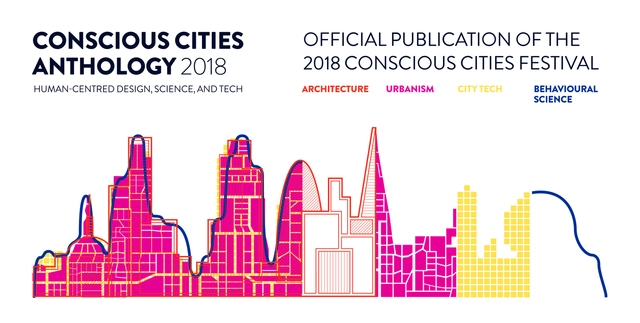
In anticipation of the 2018 Conscious Cities Festival this October, we are delighted to announce an open call for submissions to its official publication - showcasing the diverse and impactful thinking by Conscious Cities practitioners.
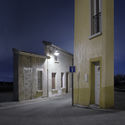
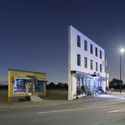
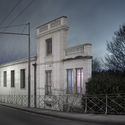
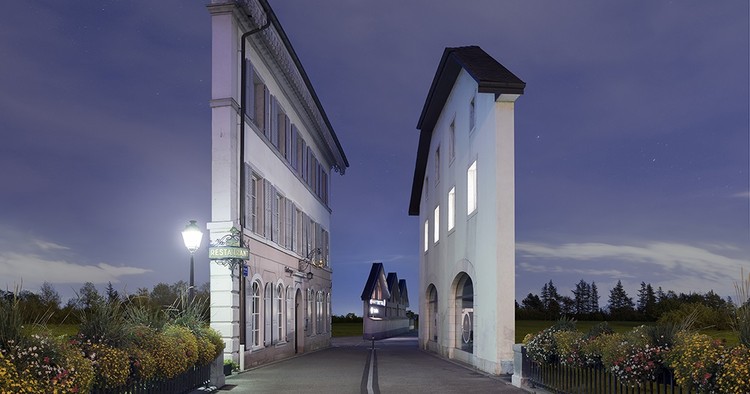
In his ongoing photo-series "Façades," French photographer Zacharie Gaudrillot-Roy a series of images in which he removes the mass and depth of buildings, and leaves behind the mere fragments of exterior skin. The photos, which resemble deserted Hollywood sets, illustrate roadways, towns, apartment complexes, and other environments without giving away the ideas of anything beyond the superficial image of the facade—leaving much to the imagination.
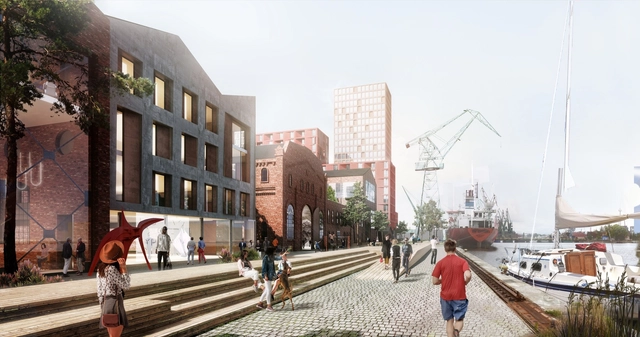
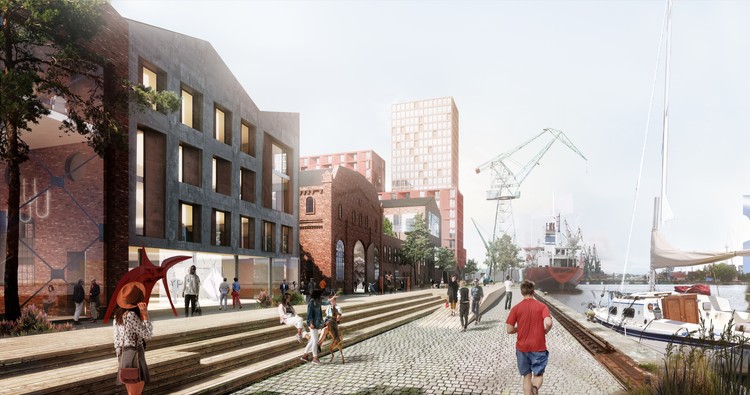
Henning Larsen has released images of their proposed urban development for the historic Imperial Shipyard at Gdansk, Poland. The 4.3million-square foot (400,000-square-meter) development seeks to transform the shipyard, built in 1844, into a “powerful financial and social engine building a thriving, mixed-use, inner-city neighborhood by the waterfront that is alive around the clock.”
The old industrial site has played a central role in the economic development of both Gdansk and Poland, serving as a key shipbuilding hub on the Baltic Coast. Through creating spines of public life centered on pedestrian/bicycle-friendly streets, Henning Larsen seeks to maintain the shipyard’s strong presence through waterfront living, work, and recreation.

















.jpg?1533397440 "© <a href='https://upload.wikimedia.org/wikipedia/commons/f/f6/Parc_de_La_Villette_%40_Paris_%2828926264776%29.jpg'> Creative Commons User Guilhem Vellut</a> licensed under <a href=’https://creativecommons.org/licenses/by/2.0/'>CC BY 2.0</a>")
.jpg?1533397475 "© <a href='https://upload.wikimedia.org/wikipedia/commons/d/d2/Folie_N8_%40_La_Villette_%40_Paris_%2833893431256%29.jpg'> Creative Commons User Guilhem Vellut</a> licensed under <a href=’https://creativecommons.org/licenses/by/2.0/'>CC BY 2.0</a>")
.jpg?1533397559 "© <a href='https://upload.wikimedia.org/wikipedia/commons/b/b4/Canal_%40_La_Villette_%40_Paris_%2833091237904%29.jpg'> Creative Commons User Guilhem Vellut</a> licensed under <a href=’https://creativecommons.org/licenses/by/2.0/'>CC BY 2.0</a>")