1. ArchDaily
  2. Upcycle

Upcycle: The Latest Architecture and News

From Overlooked Waste to Circular Opportunity: Plastics in Construction

Subscriber Access | 

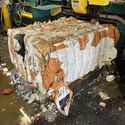
Like the famous Russian Matryoshka doll, opening a package often feels like uncovering endless layers. Inside a cardboard box, there might be molded Styrofoam, then several plastic air pillows, and finally, individual plastic wrapping around each piece. Even a small product can leave behind a trail of plastic waste far larger than its size. Now imagine this logic applied to a construction site where every component, every delivery of materials, often arrives wrapped in multiple layers of protection. What already seems excessive in retail becomes monumental when repeated daily on large construction projects.

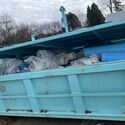
From Overlooked Waste to Circular Opportunity: Plastics in Construction - Image 1 of 4From Overlooked Waste to Circular Opportunity: Plastics in Construction - Image 2 of 4From Overlooked Waste to Circular Opportunity: Plastics in Construction - Image 3 of 4From Overlooked Waste to Circular Opportunity: Plastics in Construction - Image 4 of 4From Overlooked Waste to Circular Opportunity: Plastics in Construction - More Images+ 3

A Pavilion That Unites Upcycling Materials, Automated Manufacturing and Virtual Reality

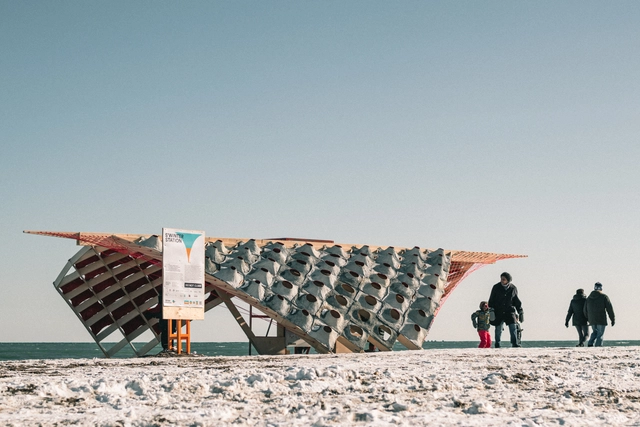
The construction industry has experienced severe changes in recent decades. Historically, it counted on abundant labor and a false notion that natural resources were infinite, but nowadays the sector has struggled to find innovations that will allow it to become more sustainable, especially considering its enormous impact and importance in the world. In addition, the recent Covid-19 pandemic changed several factors and dynamics, demanding creativity from designers to overcome challenges. In some cases, the design process itself became subject to changes. The S'Winter Station project, developed by students and teachers of Ryerson University's Department of Architectural Science, is one of these examples which relied on existing visualization and manufacturing technology for its completion.

Towards a Common Practice of Material Recycling

Making material recycling commonplace within the architectural field would require a top-down approach in adapting the industry’s processes and standards to create a suitable framework for the task. However, individual endeavours are bringing about change within the profession, pushing for a reconsideration of architecture’s relationship to waste. This article looks at some of the initiatives that are spearheading the transition towards a common practice of material recycling.

Towards a Common Practice of Material Recycling - Films & ArchitectureTowards a Common Practice of Material Recycling - Films & ArchitectureTowards a Common Practice of Material Recycling - Films & ArchitectureTowards a Common Practice of Material Recycling - Films & ArchitectureTowards a Common Practice of Material Recycling - More Images+ 4

Third Nature and Lendager Group Design Upcycled High-Rise for Copenhagen

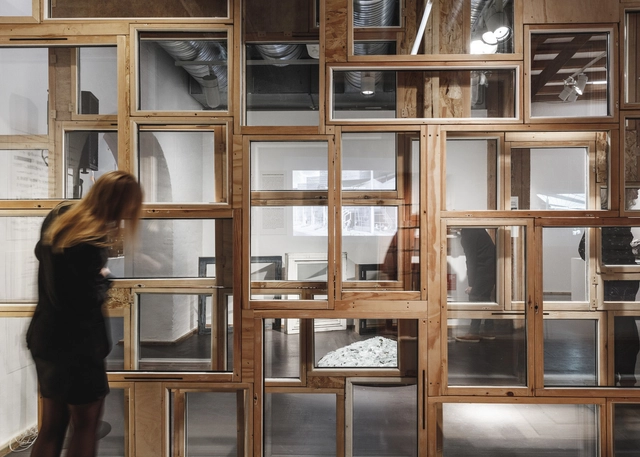
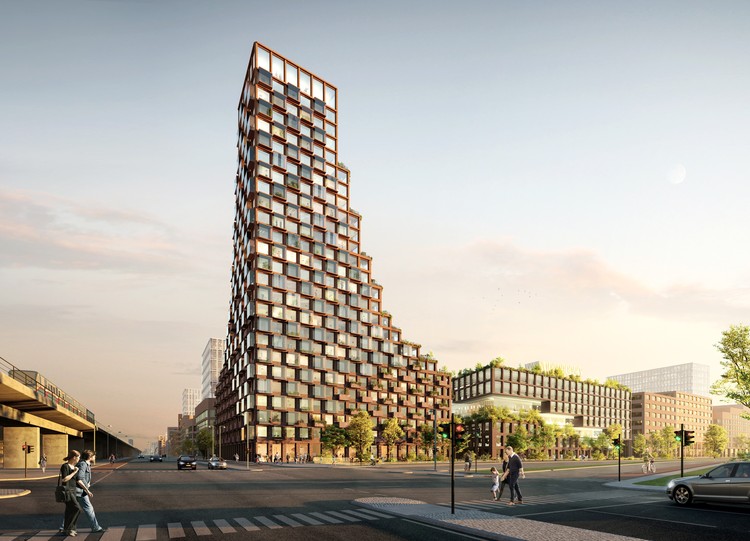
Danish architecture firms Lendager Group and TREDJE NATUR designed the CPH Common House to be a new residential and commercial building in the Ørestad area of Copenhagen. The high-rise would feature recycled tiles and concrete with brick fractures, paneling constructed from recycled window frames and reclaimed wood flooring. In total, the design team estimates the Common House would make use of 17,577 tons of recycled waste material. The project was designed to be “the world’s first upcycled high rise” for its use of upcycled post-consumer material.

Third Nature and Lendager Group Design Upcycled High-Rise for Copenhagen - Image 1 of 4Third Nature and Lendager Group Design Upcycled High-Rise for Copenhagen - Image 2 of 4Third Nature and Lendager Group Design Upcycled High-Rise for Copenhagen - Image 3 of 4Third Nature and Lendager Group Design Upcycled High-Rise for Copenhagen - Image 4 of 4Third Nature and Lendager Group Design Upcycled High-Rise for Copenhagen - More Images+ 7