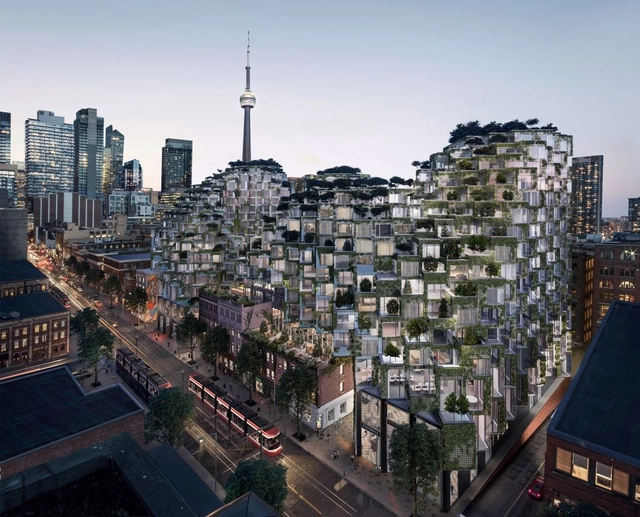
King Street West. Image Courtesy of Bjarke Ingels Group
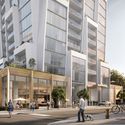
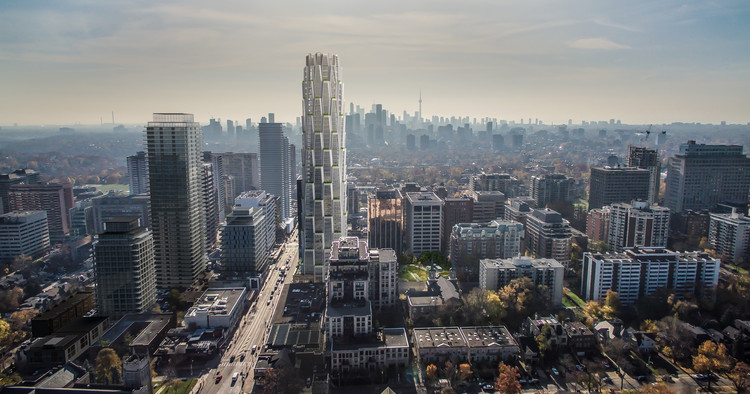
Bjarke Ingels Group has received approval for their King Street West condo community in Toronto. Originally proposed in 2016, the development was made as sets of pixels extruded upwards to create space for housing, retail and boutique offices. The concept was formed to avoid the footprints of heritage buildings that already exist on site. Alex Bozikovic, architecture critic of The Globe and Mail, reports that the development is about to start sales as King Street West pushes past its latest development hurdle.
Sidewalk Labs has unveiled a new proposal for Toronto's eastern waterfront and a neighborhood development called Quayside. After announcing plans to create a model smart city in Toronto last fall, Sidewalk Labs has been working to pioneer a new approach to future urban developments. Plans for Quayside were revealed during a roundtable discussion on August 14, 2018. As the subsidiary of Google's parent company Alphabet, the team responded to an open call from Waterfront Toronto with a design that features heated pavements, large public spaces and mass timber buildings.
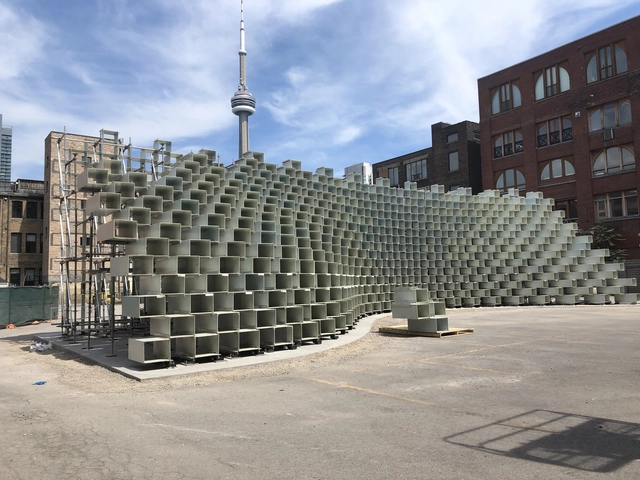
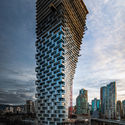
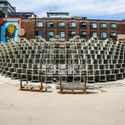
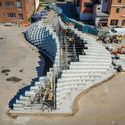
The two BIG-designed structures, located on opposite coasts, have both been recognized for their architectural innovation. The LEED-Platinum Vancouver House was awarded the World Architecture Festival’s Future Building of the Year in 2015, while the “unzipped wall” is the first Serpentine Pavilionto embark on a multi-city tour of this kind, before ultimately landing in a permanent home on the Vancouver waterfront.
https://www.archdaily.com/899563/bigs-relocated-serpentine-pavilion-nears-completion-in-toronto-as-landmark-tower-tops-out-in-vancouverNiall Patrick Walsh
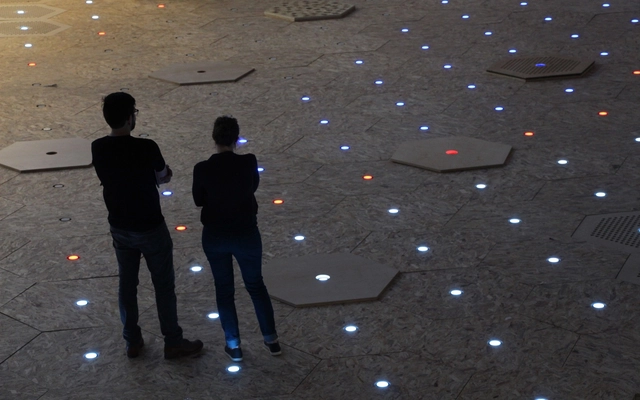
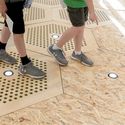
Carlo Ratti Associati, working in collaboration with Alphabet’s Sidewalk Labs, has unveiled their design for a modular paving system named “The Dynamic Street.” Intended to make streets “reconfigurable, safer, and more accessible to pedestrians, cyclists, and tomorrow’s self-driving vehicles,” the project will be on display at Sidewalk Lab’s office and experimentation space in Toronto throughout the summer of 2018.
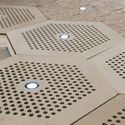
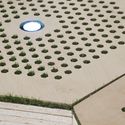
Manifesting as a series of hexagonal modular pavers, the project explores the various patterns which can be created by reconfiguring modules, with a potential future “allowing a street to create an extra car lane during rush hour before then turning it into a pedestrian-only plaza in the evening.”
Studio Gang has released images of its first project in Canada, a mixed-use residential and retail tower at the southwest corner of Yonge and Delisle in Toronto. Intended as a “new model for sustainable urban growth,” One Delisle seeks to establish the Yonge and St. Clair district as a “vibrant, pedestrian-friendly neighborhood with thriving retail, welcoming open spaces, and world-class architecture.”
The scheme, which was designed in collaboration with WZMH Architects, is driven by a desire to integrate with the local urban context through adherence to existing grid patterns and retention of existing elements, and to provide extensive outdoor space at an important transit node in midtown Toronto.
https://www.archdaily.com/897743/studio-gangs-first-canadian-project-will-be-a-mixed-use-tower-in-torontoNiall Patrick Walsh
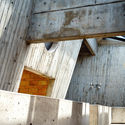
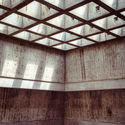
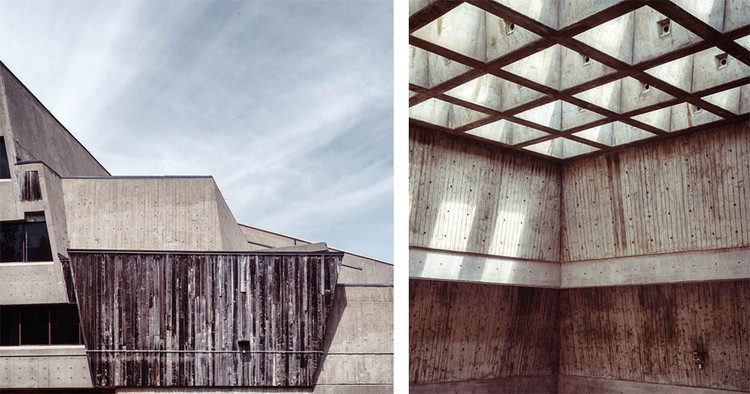
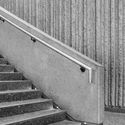
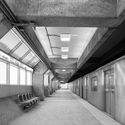
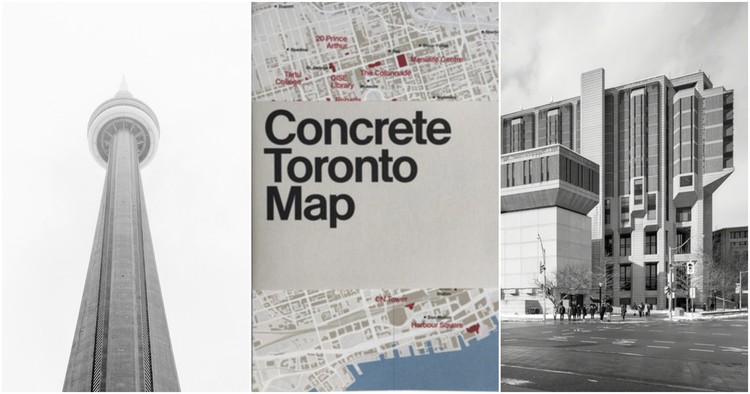
Toronto-based photographer Ruta Krau has captured stunning photographs of the Andrews Building, one of Canada’s most noted brutalist buildings, and a celebrated part of Toronto's concrete architecture. Designed by John Andrews, architect of Toronto’s iconic CN Tower, the Andrews Building embodies the Modernist ethos of connecting with the surrounding environment, balanced above a ravine and emerging as a stepped pyramid from a natural ridge.
Krau’s photographs capture the rough, natural aesthetic of the Modernist building, with béton brut concrete stamped with the patterns of the timber used to mold the poured-concrete structure. Visible on both the interior and exterior, this texture compliments terra-cotta-colored floor tiles and wood-paneled feature walls.
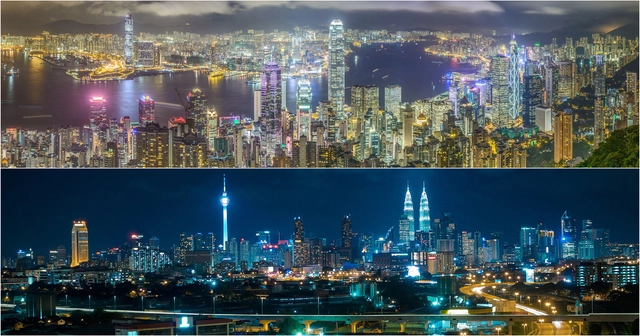
The downtown skyline of a city is perhaps its most symbolic feature. The iconic cityscapes that we know and love are typically formed by skyscrapers, but much of the surrounding context is made up of other high-rise buildings. Yes, there is a difference between a skyscraper and a high-rise. Research company Emporis defines a high-rise as a building at least 35 meters (115 feet) or 12 stories tall. These high-rise buildings play a major role in the more sprawled urban context of larger cities today.
Read on for Emporis' list of the 20 cities in the world with the most high-rises. You might be surprised by which cities made the cut.
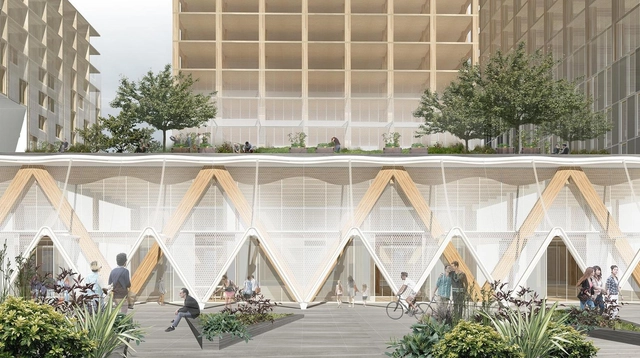
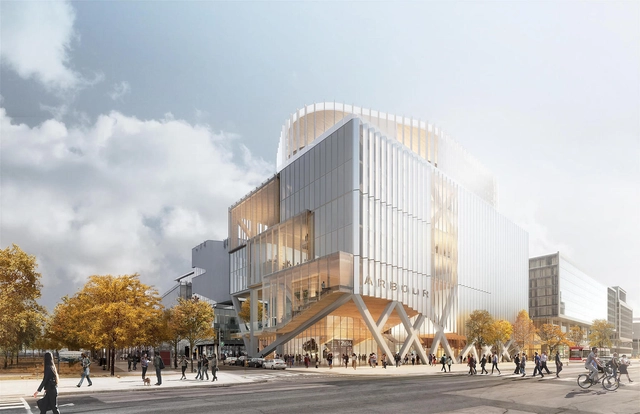
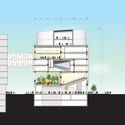
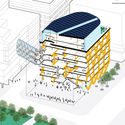
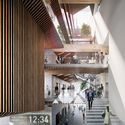
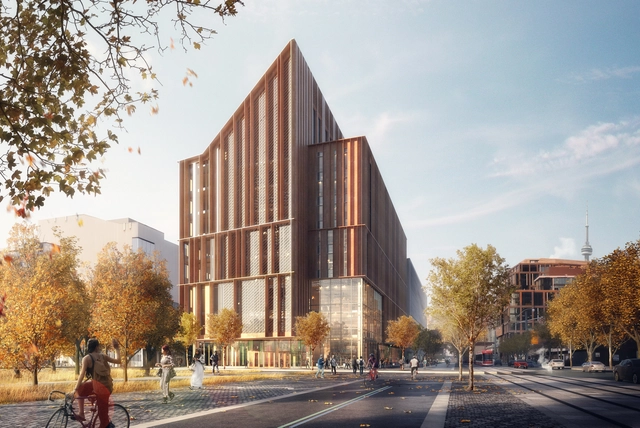
As their entry in a competition for The Arbour, a new academic building for the campus of George Brown College on Toronto’s Lake Ontario waterfront, Montreal-based firm Provencher_Roy have revealed their design for an adaptable mass timber building that could grow and change in time.
Using a staggered truss structural system that divides the building into modular cells measuring 8.4 meters tall, 17.4 meters wide and 40 meters long, the firm explains that the stacked program elements can be reorganized as necessary, with classrooms and double-height auditorium spaces able to be converted to basketball courts or column-free open offices by adjusting the cross-laminated timber flooring, which can be adjusted without compromising the rest of the structure.
A collaboration between Moriyama & Teshima Architects and Acton Ostry Architects have been announced as the winner of the competition for a new timber building in Toronto. Their proposal beat out several other notable firms including Shigeru Ban, who is known for his timber constructions, Patkau Architects who worked with MJMA, and Provencher_Roy who partnered with Turner Fleisher. The winning design scheme, called The Arbour, will be a net-zero tower to house a new school of computer technology as part of an expansion at George Brown College.
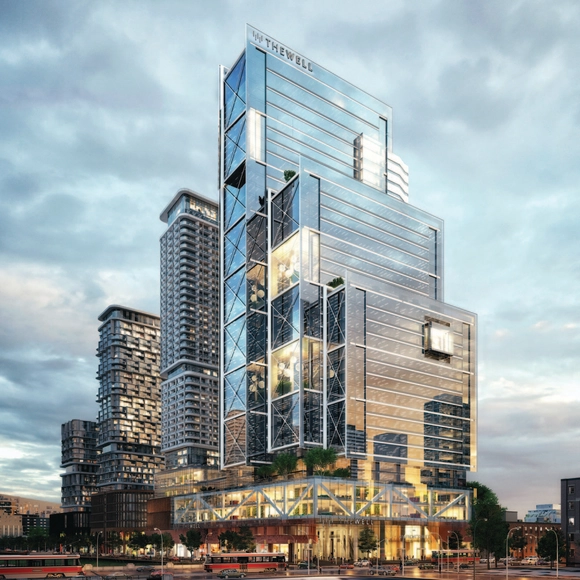
Courtesy of RioCan REIT and Allied Properties REIT
"The Well" is set to be one of the most ambitious urban developments Toronto has seen. Estimated to host nearly 10,000 people living and working daily, "The Well" includes over 1.5 million square feet of retail, office space and food services, as well as 1,800 residential units all spread throughout seven buildings flanked by Front, Spadina and Wellington in downtown Toronto.
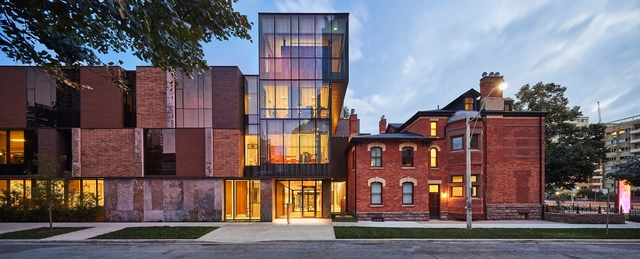
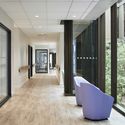
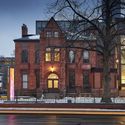
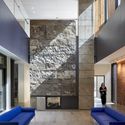
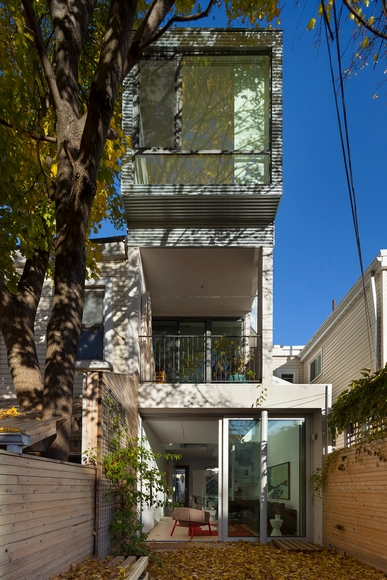
Toronto based architecture studio, Rounthwaite Dick and Hadley Architects (RDHA) have been selected as the recipient of the 2018 Royal Architectural Institute of Canada’s Firm Award. The annual award recognizes firms that demonstrate architectural excellence and design for a better quality of life by addressing the important issues in society. This year’s winner, RDHA, is one of Canada’s oldest practices, established in 1919, that has recently undergone a successful renewal to produce the highest caliber of architecture.





























.jpg?1520519551&format=webp&width=640&height=580)


_Modified.jpg?1520518029 "Courtesy of Tom Arban")
.jpg?1520519551)