1. ArchDaily
  2. Tokyo

Tokyo: The Latest Architecture and News

OMA/Shohei Shigematsu Designs Ethereal Miss Dior Exhibition in Tokyo’s Roppongi Museum

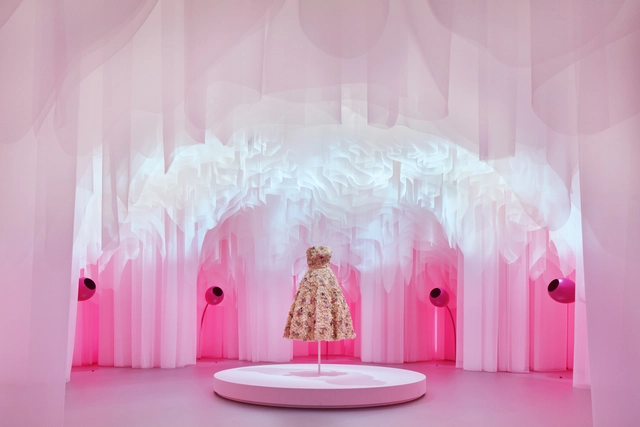
This June, the Roppongi Museum in Tokyo is hosting an exhibition titled "Miss Dior: Stories of a Miss." Designed by OMA/Shohei Shigematsu, the display presents the 78-year legacy of the renowned Miss Dior perfume, which was launched alongside Dior's revolutionary "The New Look" in 1946. Organized as a journey through seven rooms, the exhibition design features not only the perfume and related memorabilia but also explores the various inspirations and collaborations that have shaped its cultural significance.

OMA/Shohei Shigematsu Designs Ethereal Miss Dior Exhibition in Tokyo’s Roppongi Museum - Image 1 of 4OMA/Shohei Shigematsu Designs Ethereal Miss Dior Exhibition in Tokyo’s Roppongi Museum - Image 2 of 4OMA/Shohei Shigematsu Designs Ethereal Miss Dior Exhibition in Tokyo’s Roppongi Museum - Image 3 of 4OMA/Shohei Shigematsu Designs Ethereal Miss Dior Exhibition in Tokyo’s Roppongi Museum - Image 4 of 4OMA/Shohei Shigematsu Designs Ethereal Miss Dior Exhibition in Tokyo’s Roppongi Museum - More Images+ 12

From White Elephants to Sustainable Venues: The Evolving Story of Olympic Architecture

Subscriber Access | 

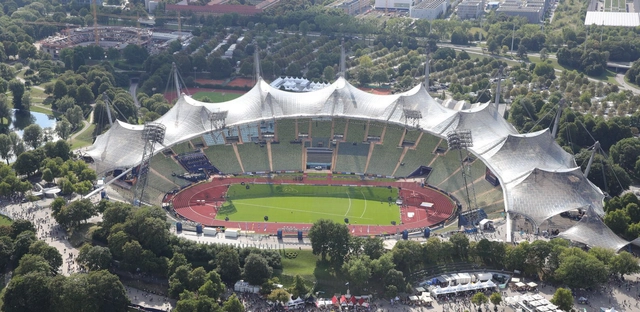
For cities, hosting an Olympic event represents both an honor, an important opportunity for growth, and a significant challenge. With over 200 nations taking part in the Games, the Olympics are the largest sporting competition in the world. Adapting the public and sporting infrastructure to accommodate this sudden influx of people and the scale of these events runs the risk of misunderstanding the cities’ needs after the closing ceremony, often producing “white elephants” that struggle to adapt to the rhythm and necessities of everyday urban life. Urban transformations are often cited as an advantage of hosting the Olympic Games, as cities are incentivized to invest in their traffic infrastructure, housing, and public spaces. One such example is the city of Paris, which introduced its first metro line on the occasion of hosting the second edition of the Olympic Games in 1900.

When it comes to the venues, however, the issue of adaptive reuse becomes a pressing one, as the architecture is challenged to find solutions to transform, accommodating thousands of people during the Olympics, then scaling down to become a financially sustainable part of a city’s sporting offering. Across the world, several Olympic venues have managed to extend their usability after the closing of the games, opening themselves to the local communities and welcoming a more diverse programming of sports and leisure events. While the high construction costs are often difficult to justify, these venues have become markers of local identity and attractive tourist attractions, extending their use decades after welcoming the Olympic crowds.

From White Elephants to Sustainable Venues: The Evolving Story of Olympic Architecture - Image 1 of 4From White Elephants to Sustainable Venues: The Evolving Story of Olympic Architecture - Image 2 of 4From White Elephants to Sustainable Venues: The Evolving Story of Olympic Architecture - Image 3 of 4From White Elephants to Sustainable Venues: The Evolving Story of Olympic Architecture - Image 4 of 4From White Elephants to Sustainable Venues: The Evolving Story of Olympic Architecture - More Images+ 16

Japanese Architecture Offices Through the Lens of Marc Goodwin

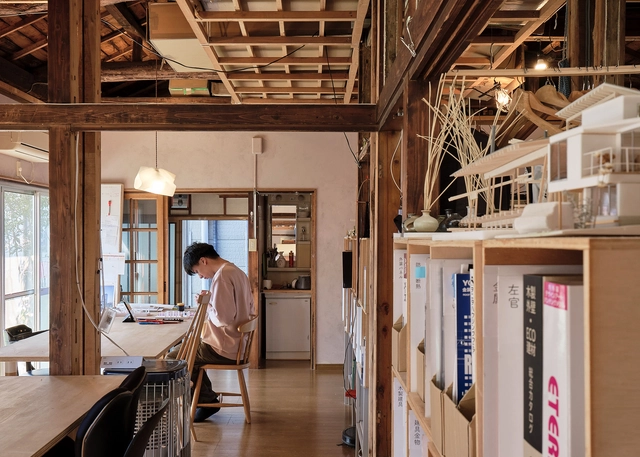
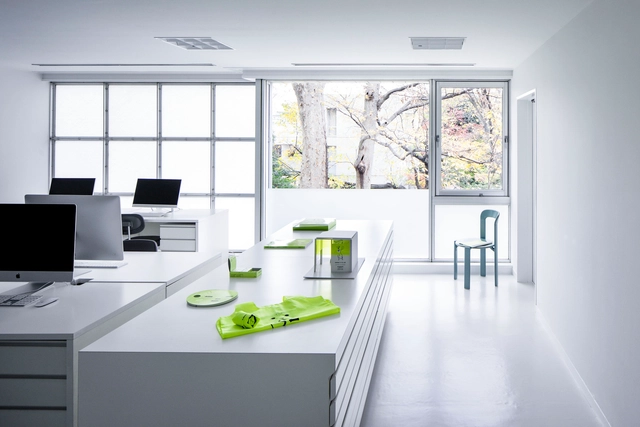
Continuing his work exploring the office spaces of architecture studios from around the world, Archmospheres photographer Marc Goodwin has reached Japan, where he captured the workspace of architecture studios such as Kengo Kuma & Associates, Tato Architects, Akihisa Hirata, and Nori Architects. Collaborating with Marc Goodwin, architect, and writer Samuel Michaëlsson traveled to Japan in the autumn of 2019 to interview the participants, resulting in a series of videos that further developed the exploration.

The photographs reveal snippets of everyday life in these studios. While not all of the buildings were designed by their occupying architecture studios, each office has added a personal touch to their space, aligning them with their internal culture and traditions. One such example is Tato Architects, for whom the kitchen has become an important gathering space, as they take turns preparing lunch for each other and eating together is a significant part of their office story.

Japanese Architecture Offices Through the Lens of Marc Goodwin - Image 1 of 4Japanese Architecture Offices Through the Lens of Marc Goodwin - Image 2 of 4Japanese Architecture Offices Through the Lens of Marc Goodwin - Image 3 of 4Japanese Architecture Offices Through the Lens of Marc Goodwin - Image 4 of 4Japanese Architecture Offices Through the Lens of Marc Goodwin - More Images+ 36

Tokyo Blue Apartment Renovation / ROOVICE

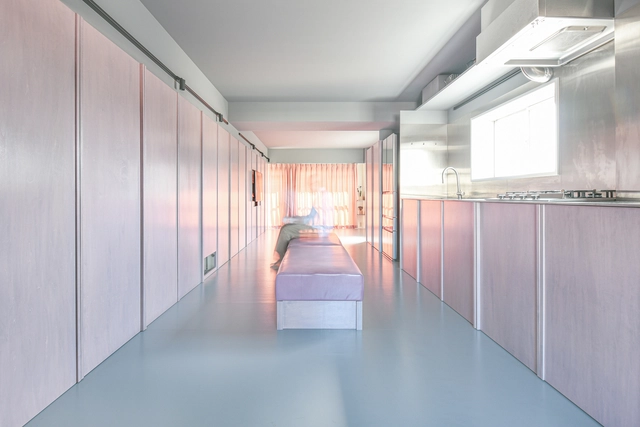
Tokyo Blue Apartment Renovation / ROOVICE - Interior Photography, Renovation, Kitchen, Chair, TableTokyo Blue Apartment Renovation / ROOVICE - Interior Photography, Renovation, BedroomTokyo Blue Apartment Renovation / ROOVICE - Interior Photography, Renovation, Kitchen, Table, ChairTokyo Blue Apartment Renovation / ROOVICE - Interior Photography, Renovation, Table, ChairTokyo Blue Apartment Renovation / ROOVICE - More Images+ 24

  • Architects: ROOVICE
  • Area Area of this architecture project Area:  60
  • Year Completion year of this architecture project Year:  2021
  • Manufacturers Brands with products used in this architecture project
    Manufacturers:  Ikea, Tajima, toolbox

PRISM Inn Ogu Hotel / Hiroyuki Ito Architects

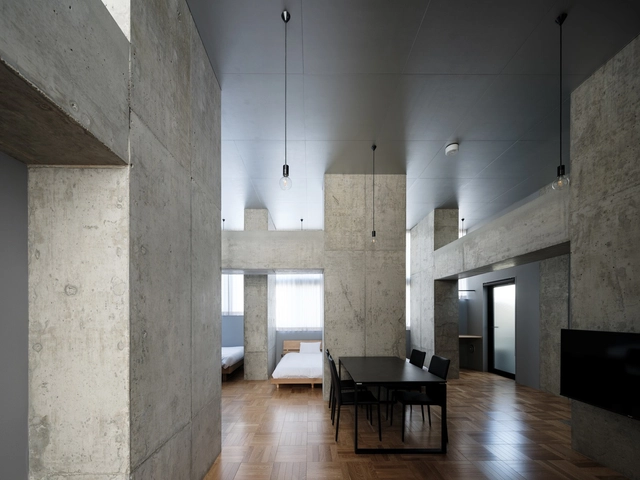
PRISM Inn Ogu Hotel / Hiroyuki Ito Architects - Exterior Photography, Hotels, CityscapePRISM Inn Ogu Hotel / Hiroyuki Ito Architects - Interior Photography, Hotels, BedroomPRISM Inn Ogu Hotel / Hiroyuki Ito Architects - Interior Photography, Hotels, Bedroom, BedPRISM Inn Ogu Hotel / Hiroyuki Ito Architects - Interior Photography, Hotels, FacadePRISM Inn Ogu Hotel / Hiroyuki Ito Architects - More Images+ 9

Tokyo, Japan

Tokyu Kabukicho Tower / Yuko Nagayama & Associates + KUME SEKKEI Co. + Tokyu Architects & Engineers

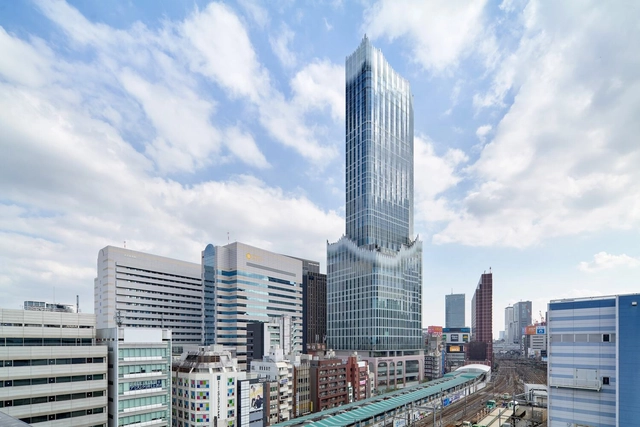
Tokyu Kabukicho Tower / Yuko Nagayama & Associates + KUME SEKKEI Co. + Tokyu Architects & Engineers - Exterior Photography, Landmarks & Monuments, Facade, CityscapeTokyu Kabukicho Tower / Yuko Nagayama & Associates + KUME SEKKEI Co. + Tokyu Architects & Engineers - Landmarks & MonumentsTokyu Kabukicho Tower / Yuko Nagayama & Associates + KUME SEKKEI Co. + Tokyu Architects & Engineers - Landmarks & MonumentsTokyu Kabukicho Tower / Yuko Nagayama & Associates + KUME SEKKEI Co. + Tokyu Architects & Engineers - Landmarks & MonumentsTokyu Kabukicho Tower / Yuko Nagayama & Associates + KUME SEKKEI Co. + Tokyu Architects & Engineers - More Images+ 14

Japan's Tallest Skyscraper: Pelli Clarke & Partners Completes Tokyo's Mori JP Tower

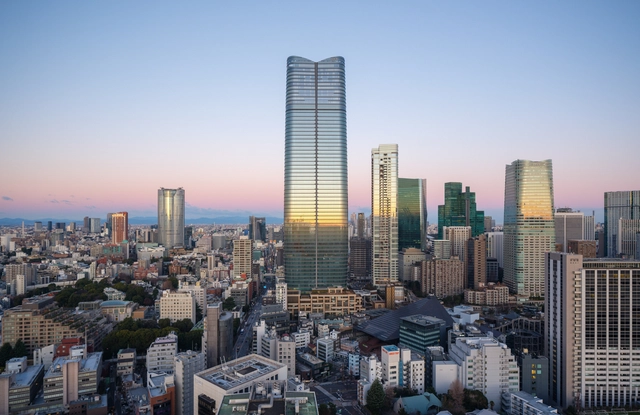
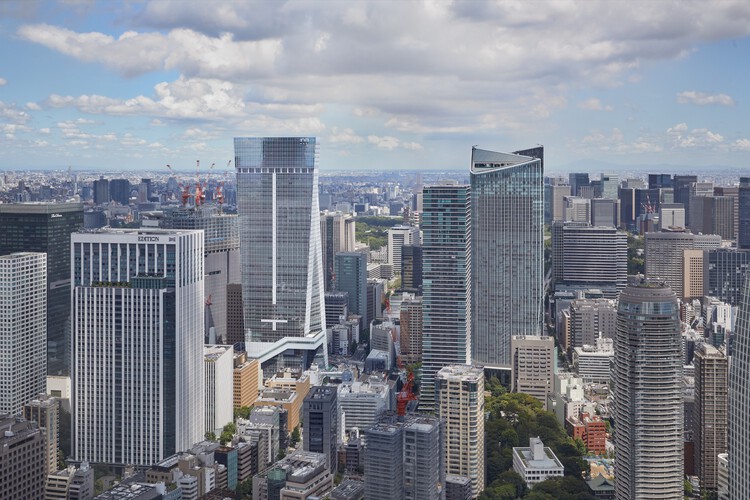
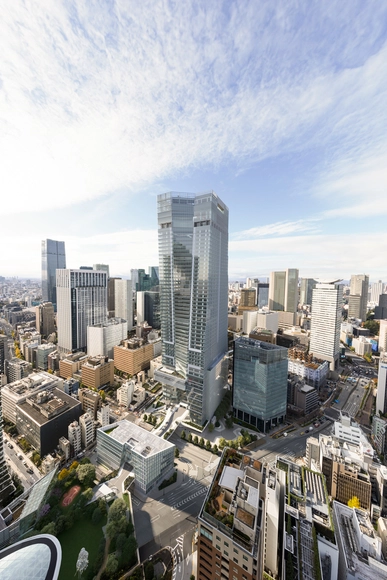
Pelli Clarke & Partners has just completed the Mori JP Tower, now standing as Japan’s tallest building. Situated in the recently revitalized Azabudai Hills district, the tower emerges at the center of this development. Establishing a new focal point for Tokyo’s skyline, the building soars 330 meters at the heart of this dynamic new mixed-use district in the city center.

Japan's Tallest Skyscraper: Pelli Clarke & Partners Completes Tokyo's Mori JP Tower - Image 1 of 4Japan's Tallest Skyscraper: Pelli Clarke & Partners Completes Tokyo's Mori JP Tower - Image 2 of 4Japan's Tallest Skyscraper: Pelli Clarke & Partners Completes Tokyo's Mori JP Tower - Image 3 of 4Japan's Tallest Skyscraper: Pelli Clarke & Partners Completes Tokyo's Mori JP Tower - Image 4 of 4Japan's Tallest Skyscraper: Pelli Clarke & Partners Completes Tokyo's Mori JP Tower - More Images+ 19

404 Residence / Office Sugurufukuda

404 Residence / Office Sugurufukuda - Small Scale404 Residence / Office Sugurufukuda - Small Scale404 Residence / Office Sugurufukuda - Small Scale404 Residence / Office Sugurufukuda - Small Scale404 Residence / Office Sugurufukuda - More Images+ 25

  • Area Area of this architecture project Area:  50
  • Year Completion year of this architecture project Year:  2020
  • Manufacturers Brands with products used in this architecture project
    Manufacturers:  Sanwa, TAJIMA ROOFING

Toyo Ito Donates His Archive to CCA for Broad Research Access

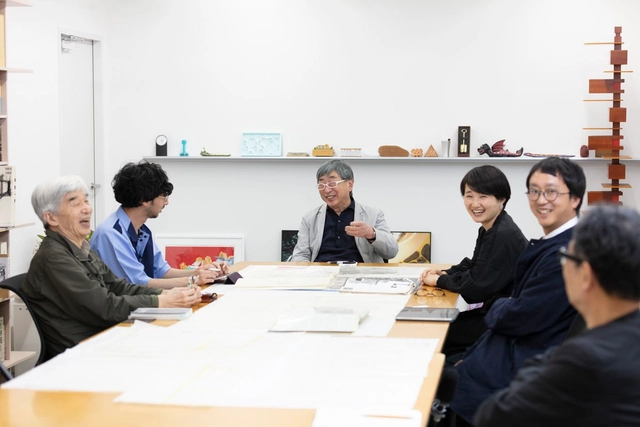
Architect Toyo Ito has donated his archive of architectural works to the Canadian Centre for Architecture (CCA), an international research institution and museum focused on increasing the accessibility of architectural knowledge. Toyo Ito is now contributing to the CCA Collection, which contains over 200 archival holdings, following his intention to encourage new research into his work and to put it in dialogue with other artifacts held by the institution. On December 6, 2023, the early works of the architect have arrived at the CCA.

Toyo Ito Donates His Archive to CCA for Broad Research Access - Image 1 of 4Toyo Ito Donates His Archive to CCA for Broad Research Access - Image 2 of 4Toyo Ito Donates His Archive to CCA for Broad Research Access - Image 3 of 4Toyo Ito Donates His Archive to CCA for Broad Research Access - Image 4 of 4Toyo Ito Donates His Archive to CCA for Broad Research Access - More Images+ 1

Azabudai Hills / Heatherwick Studio

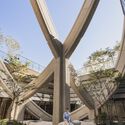
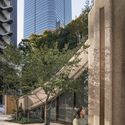
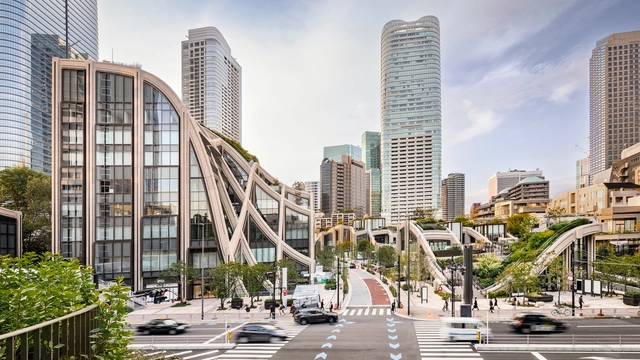
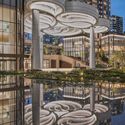
Azabudai Hills / Heatherwick Studio - Exterior Photography, Mixed Use Architecture, Facade, Arch, CityscapeAzabudai Hills / Heatherwick Studio - Exterior Photography, Mixed Use Architecture, Garden, Facade, ArchAzabudai Hills / Heatherwick Studio - Exterior Photography, Mixed Use Architecture, Facade, Beam, Column, Arch, StairsAzabudai Hills / Heatherwick Studio - Exterior Photography, Mixed Use Architecture, Facade, CityscapeAzabudai Hills / Heatherwick Studio - More Images+ 11

Heatherwick Studio Designs Inaugural District in Tokyo, Japan

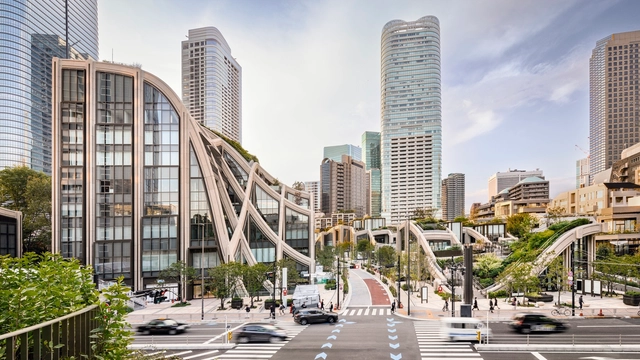
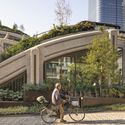
Heatherwick Studio’s new district in the heart of Tokyo has been opened to the public by the Prime Minister of Japan. Named Azabudai Hills, the project is the culmination of a thirty-year revitalization initiative. The neighborhood spans across 2.4 hectares of accessible green space, and features various mixed-use activities, integrating the urban into nature.

Heatherwick Studio Designs Inaugural District in Tokyo, Japan - Image 1 of 4Heatherwick Studio Designs Inaugural District in Tokyo, Japan - Image 2 of 4Heatherwick Studio Designs Inaugural District in Tokyo, Japan - Image 3 of 4Heatherwick Studio Designs Inaugural District in Tokyo, Japan - Image 4 of 4Heatherwick Studio Designs Inaugural District in Tokyo, Japan - More Images+ 6

Toranomon Hills Station Tower / OMA/Shohei Shigematsu

Toranomon Hills Station Tower / OMA/Shohei Shigematsu - Exterior Photography, Retail , Facade, Cityscape
© Tomoyuki Kusunose

Toranomon Hills Station Tower / OMA/Shohei Shigematsu - Exterior Photography, Retail , Facade, CityscapeToranomon Hills Station Tower / OMA/Shohei Shigematsu - Exterior Photography, Retail , FacadeToranomon Hills Station Tower / OMA/Shohei Shigematsu - Exterior Photography, Retail , FacadeToranomon Hills Station Tower / OMA/Shohei Shigematsu - Interior Photography, Retail , FacadeToranomon Hills Station Tower / OMA/Shohei Shigematsu - More Images+ 37

Where Are the 23 Modules Saved from the Demolished Nakagin Capsule Tower Now?

Subscriber Access | 

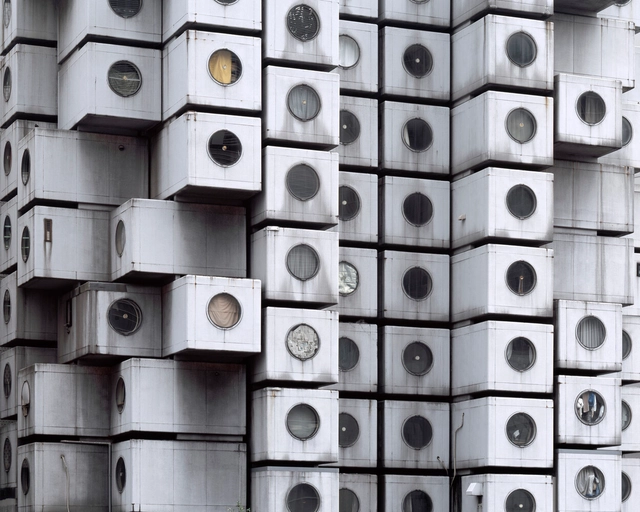
When Kisho Kurokawa designed his now iconic Nakagin Capsule Tower in 1972, the structure was meant to represent the core principles of Metabolism, experimenting with ideas of growth and change borrowed from biological processes. The emerging style in postwar Japan aimed to create buildings and megastructures that emulate living organisms that can evolve, expand, contract, and adapt to their changing conditions. Following this concept, the Nakagin tower was composed of 140 identical cell-like capsule units, each individually bolted to the two central shafts. The capsules were intended to be replaced and upgraded every 25 years, allowing for flexibility and mutation. The innovation proved to be impractical, however. Almost 50 years after its construction, the tower was demolished, but not in its entirety. A total of 23 capsules were saved and removed from the building to be given a new life. Now, the capsules are scattered around the world, continuing to represent Metabolist ideals in unexpected ways.

Where Are the 23 Modules Saved from the Demolished Nakagin Capsule Tower Now? - Image 1 of 4Where Are the 23 Modules Saved from the Demolished Nakagin Capsule Tower Now? - Image 2 of 4Where Are the 23 Modules Saved from the Demolished Nakagin Capsule Tower Now? - Image 3 of 4Where Are the 23 Modules Saved from the Demolished Nakagin Capsule Tower Now? - Image 4 of 4Where Are the 23 Modules Saved from the Demolished Nakagin Capsule Tower Now? - More Images+ 6

Ephemeral Cities: 3 Radical City Concepts That Propose for Users to Shape Their Built-Form

Subscriber Access | 

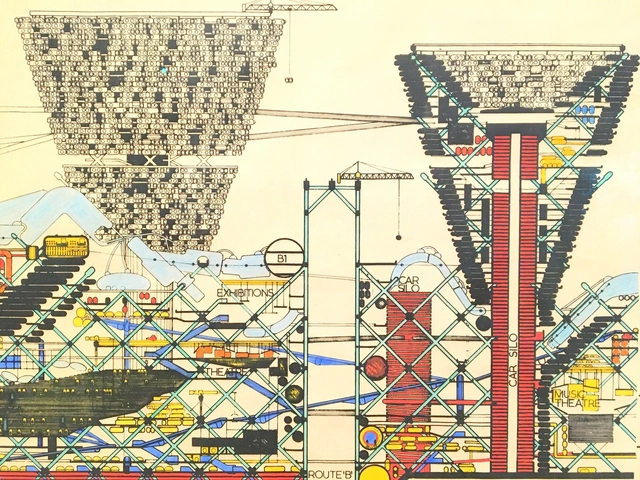
The concept of a city can be viewed as a constantly evolving system where both architects and users contribute to its design and redesign. While its framework may start with planners or designers, the character of the urban fabric is ultimately shaped by the societies and generations that inhabit it. The question of "city authorship" often arises in the context of masterplan design. Can architects and urban planners determine the extent to which a city will evolve through its initial design? The answer is no. User authorship then acknowledges that city planning should not be approached like building design, where designers attempt to predict every aspect of shape, pattern, behavior, and culture. Instead, it recognizes the role that people play in shaping the urban fabric through their personal taste in architecture, the development of neighborhood personality, and ongoing redesign that contributes to the story and spirit of a place. These factors should be considered in the initial design by engaging ideas related to future expansion, adaptable infrastructure, and empowering citizens to contribute to the city's architecture, thus making the city design democratic. This article explores conceptual radical cities where designers embrace the ideas of user authorship and the constant evolution of ephemeral architecture.

Ephemeral Cities: 3 Radical City Concepts That Propose for Users to Shape Their Built-Form - Image 1 of 4Ephemeral Cities: 3 Radical City Concepts That Propose for Users to Shape Their Built-Form - Image 2 of 4Ephemeral Cities: 3 Radical City Concepts That Propose for Users to Shape Their Built-Form - Image 3 of 4Ephemeral Cities: 3 Radical City Concepts That Propose for Users to Shape Their Built-Form - Image 4 of 4Ephemeral Cities: 3 Radical City Concepts That Propose for Users to Shape Their Built-Form - More Images+ 8

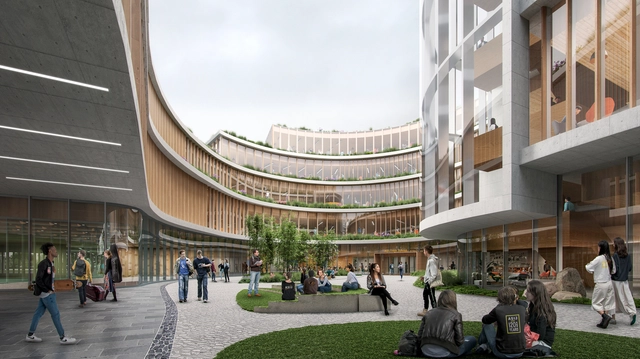
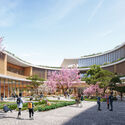
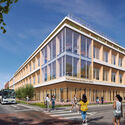
Ennead Architects Proposes a Unified Campus Master Plan for the American School in Japan

Ennead Architects has been enlisted to redefine the campus of The American School in Japan (ASIJ) to align the international school’s academic mission with its environment. Currently defined by its aging and fragmented infrastructure, the campus is set to become a dynamic and innovative space, encouraging integrated learning, cohesion, and collaboration across age groups. Sustainability principles, along with the experience of Japanese heritage, also play an important role in the design of the master plan, which proposes a toolkit of solutions intended to help create a unified, sustainable and resilient campus.

Ennead Architects Proposes a Unified Campus Master Plan for the American School in Japan - Image 1 of 4Ennead Architects Proposes a Unified Campus Master Plan for the American School in Japan - Image 2 of 4Ennead Architects Proposes a Unified Campus Master Plan for the American School in Japan - Image 3 of 4Ennead Architects Proposes a Unified Campus Master Plan for the American School in Japan - Image 4 of 4Ennead Architects Proposes a Unified Campus Master Plan for the American School in Japan - More Images

GRAPH Tokyo Head Office / G architects studio + Ryohei Tanaka

GRAPH Tokyo Head Office / G architects studio + Ryohei Tanaka - Exterior Photography, Offices Interiors, Garden, Facade, Stairs, Door, BalconyGRAPH Tokyo Head Office / G architects studio + Ryohei Tanaka - Interior Photography, Offices InteriorsGRAPH Tokyo Head Office / G architects studio + Ryohei Tanaka - Interior Photography, Offices Interiors, Table, ChairGRAPH Tokyo Head Office / G architects studio + Ryohei Tanaka - Interior Photography, Offices InteriorsGRAPH Tokyo Head Office / G architects studio + Ryohei Tanaka - More Images+ 8

Home for Family / Koki Sugawara Architects

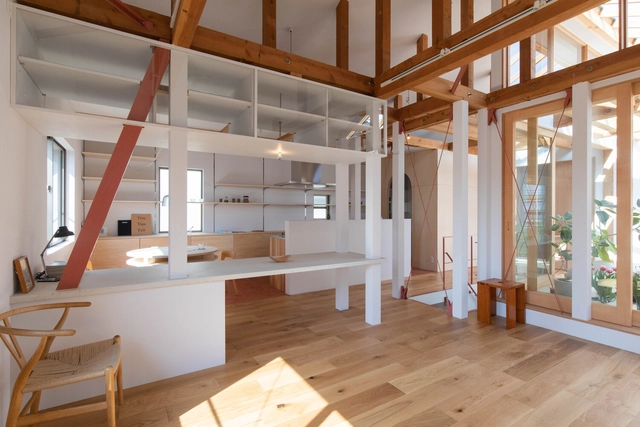
Home for Family / Koki Sugawara Architects - Interior Photography, Houses, Beam, FacadeHome for Family / Koki Sugawara Architects - Interior Photography, Houses, Beam, Facade, Handrail, TableHome for Family / Koki Sugawara Architects - Interior Photography, Houses, Kitchen, Beam, TableHome for Family / Koki Sugawara Architects - Interior Photography, Houses, Stairs, Facade, Beam, LightingHome for Family / Koki Sugawara Architects - More Images+ 21

  • Area Area of this architecture project Area:  84
  • Year Completion year of this architecture project Year:  2022
  • Manufacturers Brands with products used in this architecture project
    Manufacturers:  Hi-Ceramics, MORTEX, NIPPON CHEMITEC, Sangetsu, toolbox
  • Professionals: Efforks

OMA's Inaugural Tower in Tokyo: Toranomon Hills Station Tower to Open in the Fall of 2023

OMA’S inaugural tower in Tokyo and Japan, designed by Shohei Shigematsu and OMA New York, the Toranomon Hills Station Tower, will open this fall, 2023. The inauguration of the Toranomon Hills Station Tower will mark a significant milestone in Mori Building's Toranomon Hills development, an emerging global business center, and urban hub. A multi-layered transportation node integrated into the tower will establish a new gateway linking Central Tokyo with the rest of the world.


OMA's Inaugural Tower in Tokyo: Toranomon Hills Station Tower to Open in the Fall of 2023 - Image 1 of 4OMA's Inaugural Tower in Tokyo: Toranomon Hills Station Tower to Open in the Fall of 2023 - Image 2 of 4OMA's Inaugural Tower in Tokyo: Toranomon Hills Station Tower to Open in the Fall of 2023 - Image 3 of 4OMA's Inaugural Tower in Tokyo: Toranomon Hills Station Tower to Open in the Fall of 2023 - Image 4 of 4OMA's Inaugural Tower in Tokyo: Toranomon Hills Station Tower to Open in the Fall of 2023 - More Images+ 11