1. ArchDaily
  2. The Philippines

The Philippines: The Latest Architecture and News

Why Bamboo is the Future of Asian Construction

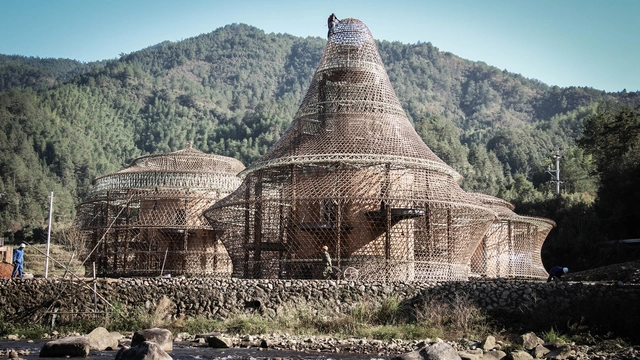
The Filipinos believe that man and woman first emerged from the nodes of a bamboo stalk. The Chinese view the cane as a symbol of their culture and values, reciting “there is no place to live without bamboo”. The plant is a symbol of prosperity in Japan and friendship in India. Along with myths and stories, strong structures made of bamboo flourished in pre-modern Asia. Built forms varied across the changing landscapes of Eastern countries, all sharing one aspect in common - a respect for natural ecosystems.

Why Bamboo is the Future of Asian Construction - Image 1 of 4Why Bamboo is the Future of Asian Construction - Image 2 of 4Why Bamboo is the Future of Asian Construction - Image 3 of 4Why Bamboo is the Future of Asian Construction - Image 4 of 4Why Bamboo is the Future of Asian Construction - More Images+ 3

The Evolution of Residential Dwellings in the Philippines Through the Years

Subscriber Access | 

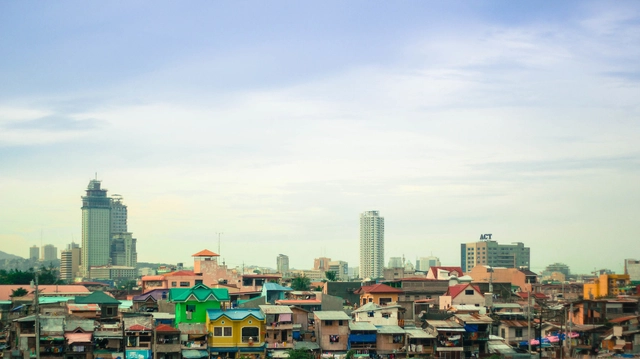
The history and culture of the Philippines are reflected in its architectural heritage, with numerous influences from other nations paving the way for the contemporary designs we see today, a mixité of cultural influences amongst Western-style buildings. Philippine architecture has grown along with the progress of the nation and its people, but memories of a glorious past are still embedded within the nation’s history.

The current Philippine architecture is an outcome of authentic growth that has enriched the reception of its influences. Its architectural landscape is a contrast between small traditional huts; towering Spanish colonial fortifications; American Commonwealth architecture; and today’s contemporary, concrete structures of the cities. As a result, the Philippines has become an architectural melting pot. This article will explore the ways in which residential architecture and dwellings in the Philippines have since evolved from its initial, humble designs, to the towering structures we see today.

The Evolution of Residential Dwellings in the Philippines Through the Years - Image 1 of 4The Evolution of Residential Dwellings in the Philippines Through the Years - Image 2 of 4The Evolution of Residential Dwellings in the Philippines Through the Years - Image 3 of 4The Evolution of Residential Dwellings in the Philippines Through the Years - Image 4 of 4The Evolution of Residential Dwellings in the Philippines Through the Years - More Images+ 14

Foster + Partners Reveals BWDC Residential Tower in Manila

Foster + Partners has revealed the design of the BWDC Residential Tower, a luxury apartment building in Manila, the Philippines. The new tower combines the city’s vernacular architecture and traditional veranda lifestyle with modern high-rise living. The project is the firm's latest in the tropics which responds to the regions’ intense weather systems, mitigating high temperatures and humidity through passive design strategies.

Foster + Partners Reveals BWDC Residential Tower in Manila - Featured ImageFoster + Partners Reveals BWDC Residential Tower in Manila - Image 1 of 4Foster + Partners Reveals BWDC Residential Tower in Manila - Image 2 of 4Foster + Partners Reveals BWDC Residential Tower in Manila - Image 3 of 4Foster + Partners Reveals BWDC Residential Tower in Manila - More Images

The Architecture of Technology and Nature: 9 Unbuilt Projects in the Far East Submitted to ArchDaily

Subscriber Access | 

The built environment of Far East Asia is challenging the paradigm through urban developments that are centered around principles of sustainability, community, and user-centric design. Following concerns of high-density neighborhoods and compromised landscapes, architects of that region became aware that building for the future means changing their outlook on financially-driven projects with unsustainable strategies, and replacing them with structures that put the user and the environment at the forefront. 

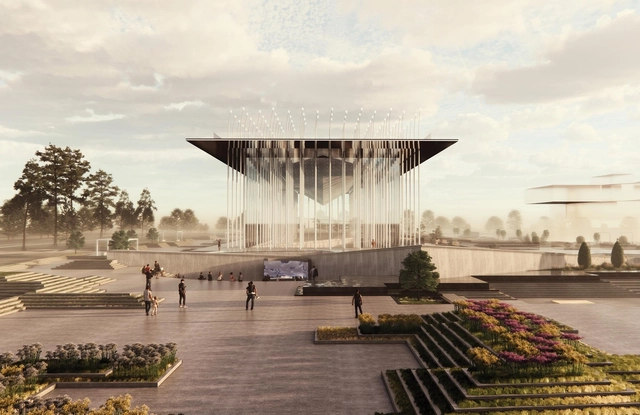
From an all-around panoramic hotel on The Philippines's waterfront to an emotion-provoking memorial inspired by the rain in South Korea, this round up of unbuilt projects showcases how architects merged the Far East's culture, history, and unique geography with contemporary designs, creating state-of-the-art architecture. This round up also includes projects from China, Vietnam, Indonesia, and Hong Kong.

The Architecture of Technology and Nature: 9 Unbuilt Projects in the Far East Submitted to ArchDaily  - Image 18 of 4The Architecture of Technology and Nature: 9 Unbuilt Projects in the Far East Submitted to ArchDaily  - Image 34 of 4The Architecture of Technology and Nature: 9 Unbuilt Projects in the Far East Submitted to ArchDaily  - Image 43 of 4The Architecture of Technology and Nature: 9 Unbuilt Projects in the Far East Submitted to ArchDaily  - Image 74 of 4The Architecture of Technology and Nature: 9 Unbuilt Projects in the Far East Submitted to ArchDaily  - More Images+ 72

Ole Scheeren Reveals Hotel Design in the Philippines

Büro Ole Scheeren has unveiled its design for a hotel resort in Cebu, one of the most popular destinations in the Philippines. Taking inspiration from the island’s natural landscape and traditional architecture, the project brings together lush greenery, pools and waterfalls within a volume wrapped in arches reminiscent of local structures. The design team describes the project as “a journey through the rainforest”, where architecture, interior design and landscape converge into a multi-sensory experience.

Ole Scheeren Reveals Hotel Design in the Philippines - Image 1 of 4Ole Scheeren Reveals Hotel Design in the Philippines - Image 2 of 4Ole Scheeren Reveals Hotel Design in the Philippines - Image 4 of 4Ole Scheeren Reveals Hotel Design in the Philippines - Image 3 of 4Ole Scheeren Reveals Hotel Design in the Philippines - More Images+ 13

The Philippines Pavilion at the 2021 Venice Biennale Explores Bayanihan in the Times of COVID-19

Titled "Structures of Mutual Support", the Philippines Pavilion at the 17th International Architecture Exhibition - La Biennale Di Venezia, explores how the principles of mutual support can shape architecture. Curated by Framework Collaborative (members of GK Enchanted Farm and Architects Sudarshan Khadka, Jr. and Alexander Eriksson Furunes), the pavilion will be on display at the Arsenale from May 22nd until November 21st, 2021.

The Philippines Pavilion at the 2021 Venice Biennale Explores Bayanihan in the Times of COVID-19 - Image 1 of 4The Philippines Pavilion at the 2021 Venice Biennale Explores Bayanihan in the Times of COVID-19 - Image 2 of 4The Philippines Pavilion at the 2021 Venice Biennale Explores Bayanihan in the Times of COVID-19 - Image 3 of 4The Philippines Pavilion at the 2021 Venice Biennale Explores Bayanihan in the Times of COVID-19 - Image 4 of 4The Philippines Pavilion at the 2021 Venice Biennale Explores Bayanihan in the Times of COVID-19 - More Images+ 12

WTA Design 60 Emergency Quarantine Facilities to Fight COVID-19

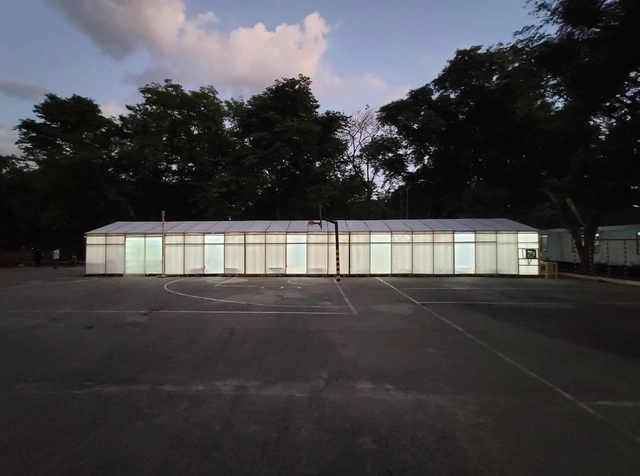
As hospitals around the world are reaching their capacity, the architecture and design community is developing new alternatives to fight COVID-19. In order to build 60 Emergency Quarantine Facilities (EQF), WTA was inspired by their pavilion developed last year, part of the Anthology Festival. A viable quarantine structure, the Boysen Pavilion “embodied speed, scalability and simplicity in its structure”.

WTA Design 60 Emergency Quarantine Facilities to Fight COVID-19 - Image 1 of 4WTA Design 60 Emergency Quarantine Facilities to Fight COVID-19 - Image 2 of 4WTA Design 60 Emergency Quarantine Facilities to Fight COVID-19 - Image 3 of 4WTA Design 60 Emergency Quarantine Facilities to Fight COVID-19 - Image 4 of 4WTA Design 60 Emergency Quarantine Facilities to Fight COVID-19 - More Images+ 25

Vincent Callebaut Designs a Modular Mass Timber Tower on the Island of Cebu, in the Philippines

Vincent Callebaut Architectures has imagined The Rainbow Tree, a modular mass timber condominium tower in Cebu City, Philippines. Revealing the cultural and natural Filipino heritage, the project, named after an iconic and colorful tree from the Philippines the Rainbow Eucalyptus, was entirely conceived in a way to reduce the carbon footprint of the building.

Vincent Callebaut Designs a Modular Mass Timber Tower on the Island of Cebu, in the Philippines - Image 1 of 4Vincent Callebaut Designs a Modular Mass Timber Tower on the Island of Cebu, in the Philippines - Image 2 of 4Vincent Callebaut Designs a Modular Mass Timber Tower on the Island of Cebu, in the Philippines - Image 3 of 4Vincent Callebaut Designs a Modular Mass Timber Tower on the Island of Cebu, in the Philippines - Image 4 of 4Vincent Callebaut Designs a Modular Mass Timber Tower on the Island of Cebu, in the Philippines - More Images+ 15