1. ArchDaily
  2. The Economist

The Economist: The Latest Architecture and News

World’s Most Liveable Cities in 2026: Copenhagen Holds First Place as Asia Rises

Audio available

Global city rankings offer one way of looking at how urban environments support everyday life. The Economist Intelligence Unit's (EIU) Global Liveability Index evaluates 173 cities across stability, healthcare, culture and environment, education, and infrastructure, highlighting both long-term patterns and changes from one year to the next. In the 2026 edition, Copenhagen has been named the world's most liveable city for the second consecutive year, followed by Vienna and Melbourne. The Danish capital scored 98 out of 100 overall, receiving perfect scores in stability, education, and infrastructure. The global average remains unchanged at 76.1, with improvements in healthcare, education, and infrastructure offsetting continued declines in stability.

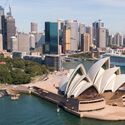
World’s Most Liveable Cities in 2026: Copenhagen Holds First Place as Asia Rises - Image 1 of 4World’s Most Liveable Cities in 2026: Copenhagen Holds First Place as Asia Rises - Image 2 of 4World’s Most Liveable Cities in 2026: Copenhagen Holds First Place as Asia Rises - Image 3 of 4World’s Most Liveable Cities in 2026: Copenhagen Holds First Place as Asia Rises - Image 4 of 4World’s Most Liveable Cities in 2026: Copenhagen Holds First Place as Asia Rises - More Images+ 7

Learn the Story Behind Alison & Peter Smithson's Brutalist Icon, Economist Plaza

Subscriber Access | 

In 2017, British news magazine The Economist will move to a new home, leaving behind its iconic home of 52 years, Economist Plaza.

The project represents the first major commission by British duo Alison and Peter Smithson, who would go on to have esteemed careers as champions of the Brutalist style. Located at 22 Ryder Street, not far from Hyde Park and Buckingham Palace, Economist Plaza marked a significant breakthrough in tall building design, replacing the traditional streetfront of a podium and tower design with stairs and a ramp leading to an elevated plaza from which 3 buildings would rise.

Watch the video above to learn the story behind the project, and read more about the legacy the Economist will leave behind, here.