1. ArchDaily
  2. Tensile

Tensile: The Latest Architecture and News

How Do Tensile Structures Work and What Materials Can Be Used?

Subscriber Access | 

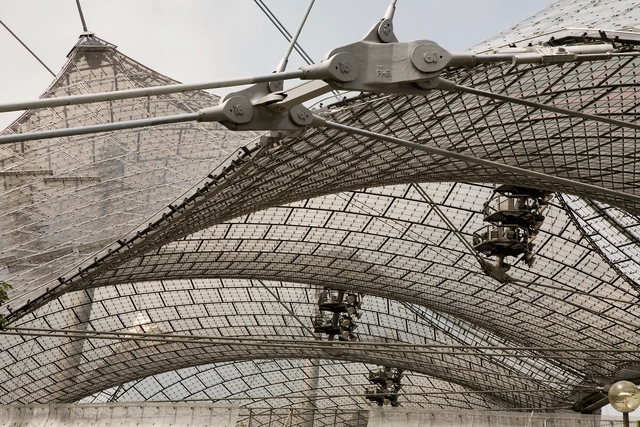
Let us return to the first architecture class on structures and the classification of structural efforts. In most structures, whether natural or man-made, compression forces are the primary actors. These are efforts undertaken with equal and opposing loads, applied in the interior of the structure, which tend towards the shortening of the piece in one direction - or compressing it, as the name indicates. It is not difficult to find examples of this: for example, a stone wall or a wooden log can resist the weight of a covering through internal compression efforts that are inherent to each material. Tension efforts, on the other hand, tend to lengthen components in the direction of the applied force of action. Steel, for example, is a material with good tensile strength. It is used in reinforced concrete precisely in the parts where the piece is in traction. But it is also possible for a structure to only have tensile parts, as is the case of membrane, tensioned, or tension structures, which consist of surfaces pulled by the action of cables or ropes in which the masts absorb compression efforts.


RAAS Chhatrasagar Hotel / Studio Lotus

RAAS Chhatrasagar Hotel / Studio Lotus - Exterior Photography, HotelsRAAS Chhatrasagar Hotel / Studio Lotus - Interior Photography, Hotels, Table, ChairRAAS Chhatrasagar Hotel / Studio Lotus - Interior Photography, Hotels, Lighting, TableRAAS Chhatrasagar Hotel / Studio Lotus - Exterior Photography, HotelsRAAS Chhatrasagar Hotel / Studio Lotus - More Images+ 31

Tensile Structures: How Do They Work and What Are the Different Types?

Subscriber Access | 

Historically inspired by some of the first man-made shelters—such as the black tents first developed using camel leather by the nomads of the Sahara Desert, Saudi Arabia, and Iran, as well as the structures used by Native American tribes—tensile structures offer a range of positive benefits compared to other structural models.

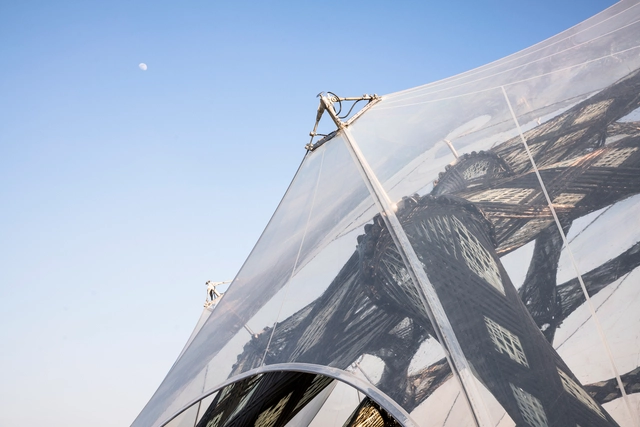
Tensile structure is the term usually used to refer to the construction of roofs using a membrane held in place on steel cables. Their main characteristics are the way in which they work under stress tensile, their ease of pre-fabrication, their ability to cover large spans, and their malleability. This structural system calls for a small amount of material thanks to the use of thin canvases, which when stretched using steel cables, create surfaces capable of overcoming the forces imposed upon them.

Tensile Structures: How Do They Work and What Are the Different Types? - Image 1 of 4Tensile Structures: How Do They Work and What Are the Different Types? - Image 2 of 4Tensile Structures: How Do They Work and What Are the Different Types? - Image 3 of 4Tensile Structures: How Do They Work and What Are the Different Types? - Image 4 of 4Tensile Structures: How Do They Work and What Are the Different Types? - More Images+ 11