1. ArchDaily
  2. Sylvia Lavin

Sylvia Lavin: The Latest Architecture and News

Architectural Authorship in the Age of the Collective Practices

Subscriber Access | 

This article is part of our new Opinion section, a format for argument-driven essays on critical questions shaping our field.

Who designs architecture today? In a professional landscape increasingly defined by collaborative workflows, generative software, and distributed teams, the figure of the architect as a singular creative author feels both anachronistic and inadequate. This article argues that architectural authorship is no longer an individual act, but a collective and distributed condition shaped by institutions, technologies, and shared forms of labor. The transition from individual to collective authorship is not simply a consequence of larger offices or digital tools; it signals a deeper structural shift in how architecture is produced, communicated, and validated.


Architectural Authorship in the Age of the Collective Practices - Image 1 of 4Architectural Authorship in the Age of the Collective Practices - Image 2 of 4Architectural Authorship in the Age of the Collective Practices - Image 3 of 4Architectural Authorship in the Age of the Collective Practices - Image 5 of 4Architectural Authorship in the Age of the Collective Practices - More Images+ 23

Staging Culture: The Architect as Curator

Architecture has never been confined to the act of building. It constantly negotiates between material practice and intellectual reflection, yet throughout the twentieth and twenty-first centuries, many architects felt that the built project alone was insufficient to address the full range of questions facing the discipline. Economic pressures, political contexts, and programmatic demands often narrowed the scope of practice.

Exhibitions and curatorial platforms, by contrast, created spaces of experimentation and critique, opening arenas where architecture could interrogate itself, where its past could be reinterpreted, its present challenged, and its future projected. In this tension, the figure of the architect-curator emerged, treating curating itself as a form of design — not of walls or facades, but of discourse, narratives, and frameworks of meaning.

Staging Culture: The Architect as Curator - Image 1 of 4Staging Culture: The Architect as Curator - Image 2 of 4Staging Culture: The Architect as Curator - Image 3 of 4Staging Culture: The Architect as Curator - Image 4 of 4Staging Culture: The Architect as Curator - More Images+ 32

Touching the Earth Lightly: How Freeing the Ground Plane Shapes Architectural Atmosphere

Architecture and its atmospheric qualities have long been a subject of discussion, yet reaching a consensus on the matter remains elusive. This is largely because spatial experience is deeply personal—rooted in emotions, sensory perceptions, and individual preferences that are difficult to articulate in words alone. The way one perceives, feels, and interacts with a space adds another layer of complexity, making it challenging to define and agree upon its atmospheric impact. Nevertheless, architects and designers continuously strive to shape environments that are not only functional and comfortable but also capable of evoking emotions and leaving a lasting impression on their occupants.

Touching the Earth Lightly: How Freeing the Ground Plane Shapes Architectural Atmosphere  - Image 5 of 4Touching the Earth Lightly: How Freeing the Ground Plane Shapes Architectural Atmosphere  - Image 1 of 4Touching the Earth Lightly: How Freeing the Ground Plane Shapes Architectural Atmosphere  - Image 2 of 4Touching the Earth Lightly: How Freeing the Ground Plane Shapes Architectural Atmosphere  - Image 3 of 4Touching the Earth Lightly: How Freeing the Ground Plane Shapes Architectural Atmosphere  - More Images+ 36

15 Must-See Installations at the 2017 Chicago Architecture Biennial

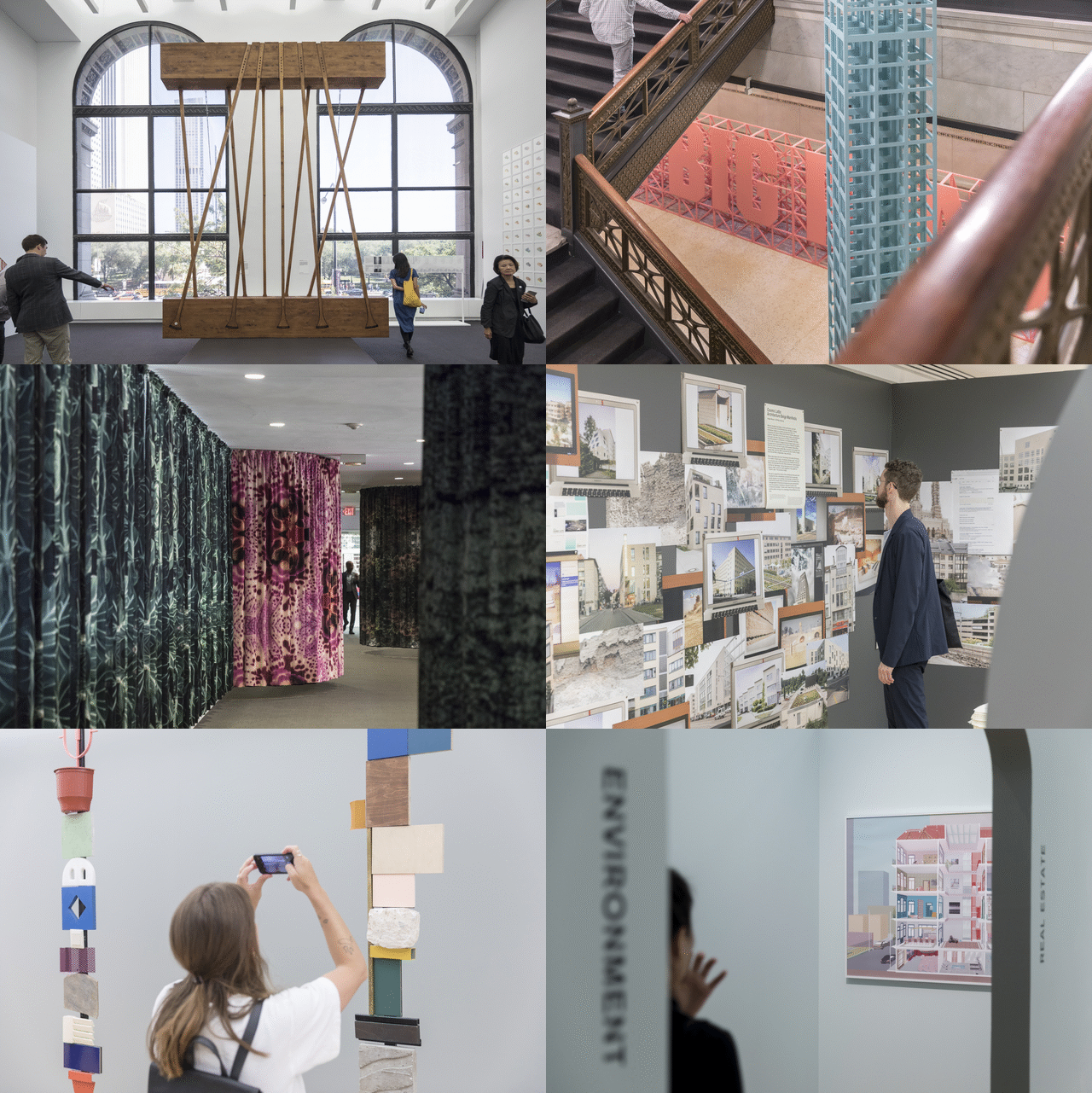
With the 2017 Chicago Architecture Biennial in full swing and open to the public until January 7, 2017, we've scoured the galleries, halls and corridors of the Chicago Cultural Center to bring you our favorite fifteen installations. Documented through the lens of Laurian Ghinitoiu and assembled by our Editorial Team on location, this selection intends to shed light on the breadth, scope and preoccupations of Make New History – the largest architecture event in North America.

15 Must-See Installations at the 2017 Chicago Architecture Biennial - Image 1 of 415 Must-See Installations at the 2017 Chicago Architecture Biennial - Image 2 of 415 Must-See Installations at the 2017 Chicago Architecture Biennial - Image 3 of 415 Must-See Installations at the 2017 Chicago Architecture Biennial - Image 4 of 415 Must-See Installations at the 2017 Chicago Architecture Biennial - More Images+ 40

Chicago Architecture Biennial Announces List of 2017 Participants

The Chicago Architecture Biennial has announced the list of participants invited to contribute to the event’s second edition, which will be held from September 16 to January 7, 2018 in Chicago. More than 100 architecture firms and artists have been selected by 2017 artistic directors Sharon Johnston and Mark Lee, founders of Los Angeles–based Johnston Marklee, to design exhibitions that will be displayed at the Chicago Cultural Center and throughout the city.

“Our goal for the 2017 Chicago Architecture Biennial is to continue to build on the themes and ideas presented in the first edition,” explained Johnston and Lee. “We hope to examine, through the work of the chosen participants, the continuous engagement with questions of history and architecture as an evolutionary practice.”

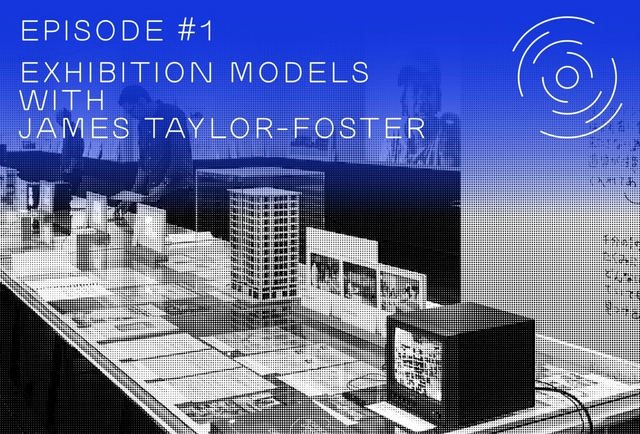
Introducing GSAPP Conversations' Inaugural Episode: "Exhibition Models"

We are pleased to announce a new content partnership between ArchDaily and Columbia University's Graduate School of Architecture, Planning and Preservation (GSAPP) in New York City.

GSAPP Conversations is a podcast series designed to offer a window onto the expanding field of contemporary architectural practice. Each episode pivots around discussions on current projects, research, and obsessions of a diverse group of invited guests at Columbia, from both emerging and well-established practices. Usually hosted by the Dean of the GSAPP, Amale Andraos, the conversations also feature the school's influential faculty and alumni and give students the opportunity to engage architects on issues of concern to the next generation.

Introducing GSAPP Conversations' Inaugural Episode: "Exhibition Models" - Image 1 of 4