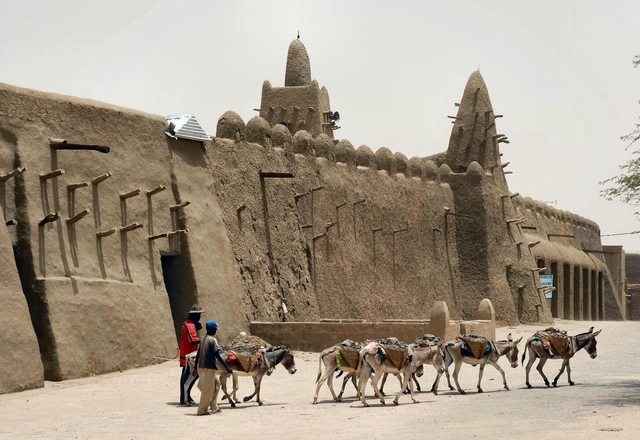
A mud mosque in Mali, West Africa. Image Courtesy of Emilio Labrador
Earth architecture is built on a far-reaching history. Its story continues to be told through aged structures that have stood the test of time. Across the world, indigenous earth construction techniques have been pioneered by many ancient civilizations. Communities originally built shelters from earth - the most readily available material to them - and have passed on their construction techniques through generations. Earth architecture evolved with a careful understanding of land and location. With practices perfected decades ago, it is fascinating to see earth architecture remaining resilient through adversities
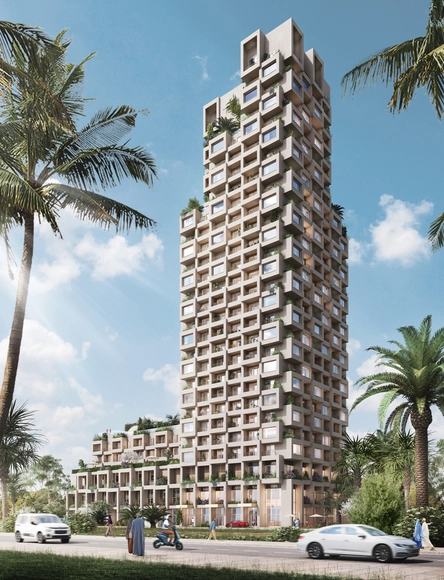
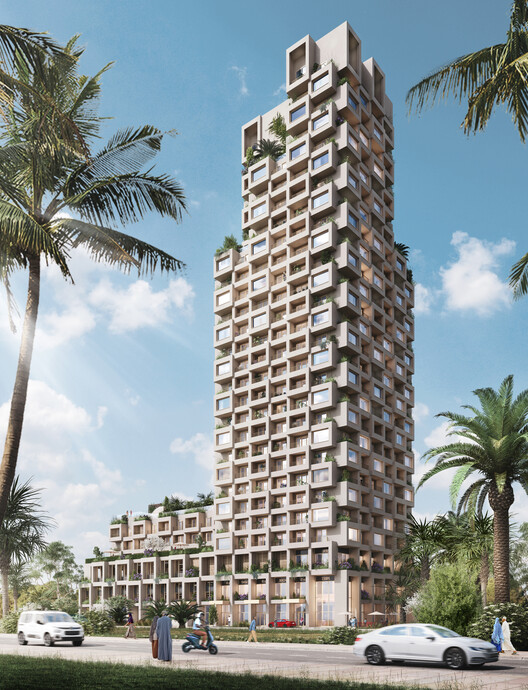
German-based architecture firm OMT designed Africa's tallest hybrid timber tower in Zanzibar City, Tanzania. In partnership with Birk Heilmeyer Frenzel Architects, engineering firm Knippers Helbig Advanced Engineers, and CPS Developers, the "Burj Zanzibar" will rise 96 meters tall to accommodate 266 residences and recreational and conferencing facilities. The mixed-use tower will promote the locally available wood and support the growing urban infrastructure that, according to the government plans, expects to attract tech companies to turn the island into a leading hub for Africa's technology companies.
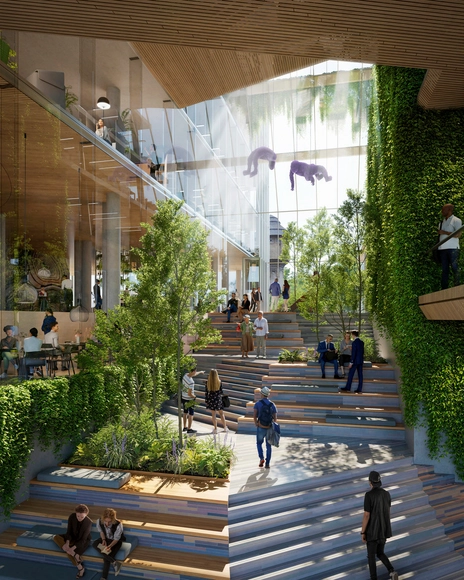
Interior view to the Lobby . Image Courtesy of UNStudio
Incorporating the Environmental, social, and corporate governance objectives, the 45,000 m2 Office Tower in the Europaviertel in Frankfurt aims to be one of Germany's most sustainable office buildings. Designed by UNStudio in partnership with Groß & Partner in collaboration with OKRA landscape architects, the project focuses on environmental and social sustainability as an integral part of Frankfurt's green network. The ecological agenda includes a low-carbon load-bearing structure and recyclable construction materials. The architecture program offers a public urban space to add value to its surroundings to encourage communication and gathering.
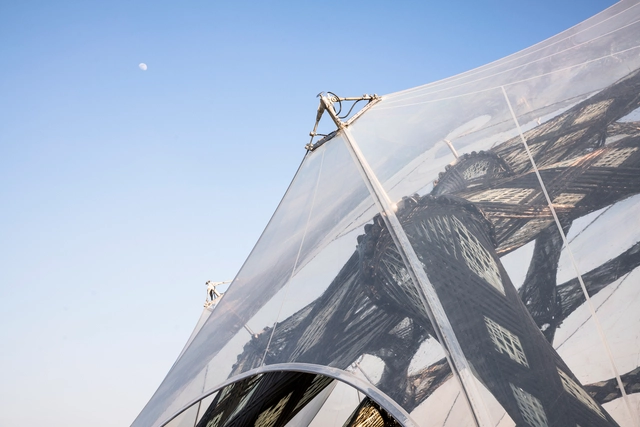
BUGA Pavilhão de Fibra / ICD/ITKE Universidade de Stuttgart. Image Cortesia de ICD/ITKE University of Stuttgart
Let us return to the first architecture class on structures and the classification of structural efforts. In most structures, whether natural or man-made, compression forces are the primary actors. These are efforts undertaken with equal and opposing loads, applied in the interior of the structure, which tend towards the shortening of the piece in one direction - or compressing it, as the name indicates. It is not difficult to find examples of this: for example, a stone wall or a wooden log can resist the weight of a covering through internal compression efforts that are inherent to each material. Tension efforts, on the other hand, tend to lengthen components in the direction of the applied force of action. Steel, for example, is a material with good tensile strength. It is used in reinforced concrete precisely in the parts where the piece is in traction. But it is also possible for a structure to only have tensile parts, as is the case of membrane, tensioned, or tension structures, which consist of surfaces pulled by the action of cables or ropes in which the masts absorb compression efforts.
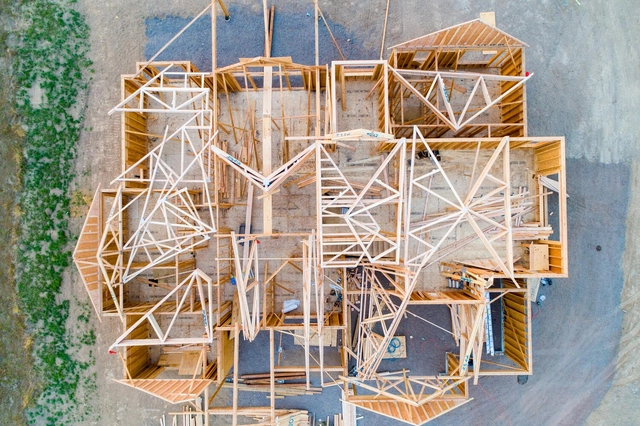
One of the first elements used by humans to build shelters, wood is a versatile material that, along with technological advances, remains a protagonist in the construction industry, being used in different ways and moments in a work.
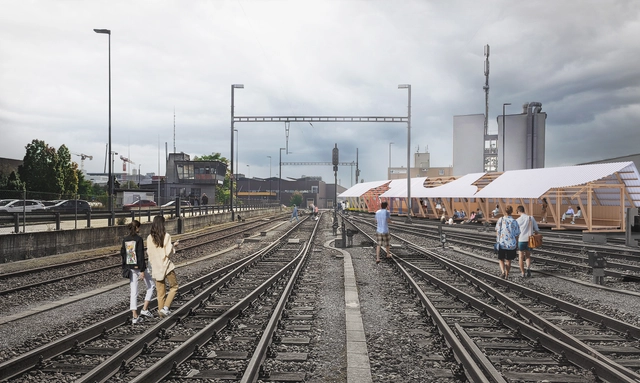
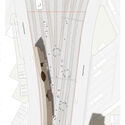
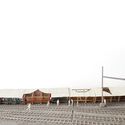
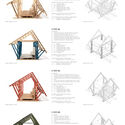
The new biennial event Architekturwoche Basel (AWB) will debut this May as a platform for discussing architecture and urban development through the lens of sustainable construction and the circular economy. The inaugural edition also marks the launch of the first Basel Pavilion, a temporary structure meant to showcase new possibilities for environmentally-friendly building practices. The winning design, “Loggia Basileana”, created by architecture practice isla, is made of reused building components and features a series of modules that form a continuous pedestrian passageway along the train tracks on the Dreispitz site.
Architecture, to materialize as a constructed and functional building, requires the collaboration of a series of disciplines. During the design stages, these complementary areas are added to the architectural design, attaching systems that help in the construction's functionality, known as complementary projects.
Pablo van der Lugt is an architect, author and speaker. His research focuses on the potential of materials such as bamboo and mass timber for the construction sector, and their positive impacts on the world. “Throughout my professional career both in university (including my PhD research on the carbon footprint of engineered bamboo and wood) and industry the past 15 years I have found there are many misconceptions about these materials which hamper their large scale adoption. For this reason I ‘translated’ my research findings into two contemporary books for designers and architects about the potential of bamboo: Booming Bamboo, and engineered timber: Tomorrow’s Timber. They aim to dispel these myths and show the incredible potential of the latest generation of biobased building materials in the required transition to a carbon neutral, healthy and circular built environment.” We recently had the opportunity to talk with him about these topics. Read more below.
Recent years have seen an increased acknowledgement of the collective endeavour that is architecture and a better valuing of the different professions that participate in the design process. Within every extraordinary building, structural engineering plays an essential role in delivering the architectural vision. The article highlights the past and present contributions of engineering to the built environment, personalities that have stood in the shadow of architects delivering their design intent, and the collaboration between engineers and architects today.
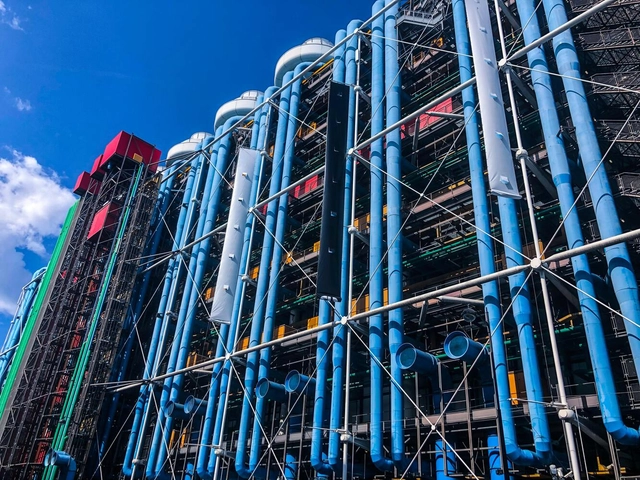
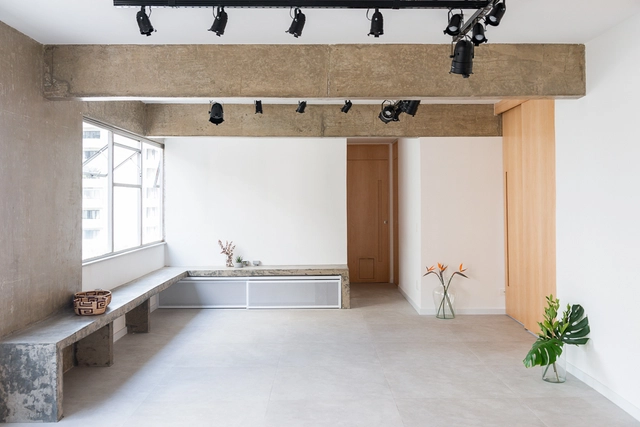
Many architects tend to prefer using materials and architectural elements in their natural or raw state. It is common to remove ceilings and finishings, especially in renovation projects, to expose a building's structure. This process of reclaiming the natural materials of construction - without incorporating elements to cover the framework, pipes, tubes, and cables - transforms these spaces into places that have nothing to hide.
Sustainable design is more than water, energy and carbon. For architecture, it is deeply rooted in an understanding of life cycles and systemic cultural change. Over the last thirty years, the word "sustainability" began to lose its weight as it transformed into a loosely defined buzzword. But the ideas behind the umbrella term have grown and expanded, and in turn, iconic new buildings are being designed to rethink what the future holds.
Stone Tower Research Project. Image Courtesy of Groupwork
Groupwork, in collaboration with Jackson Coles, Eight Associates, Webb Yates, The Stonemasonry Company and Polycor, is investigating the possibilities to build large commercial buildings in stone, through the Stone Tower Research project and The New Stone Age exhibition.
Metsä Wood’s Hybrid City initiative is searching for ways to make construction more sustainable while maintaining efficiency using current building methods. Improving sustainability is imperative: construction alone uses 50% of the world’s resources. However, the transition will only happen if construction companies can maintain efficiency. The world needs a Plan B.
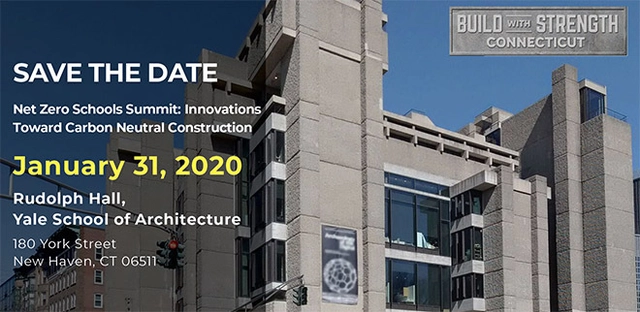
Net Zero Schools Summit, Rudolph Hall, Yale University
AIA Connecticut, in collaboration with the CT Green Building Council and the National Ready Mixed Concrete Association (NRMCA) is hosting their very first Net Zero Schools Summit at the Yale School of Architecture. A group of thought leaders and experts from across the country will discuss the issues of sustainability, carbon sequestration in construction, and construction methods to achieve Net Zero schools and move the design and construction industries toward a carbon positive future.
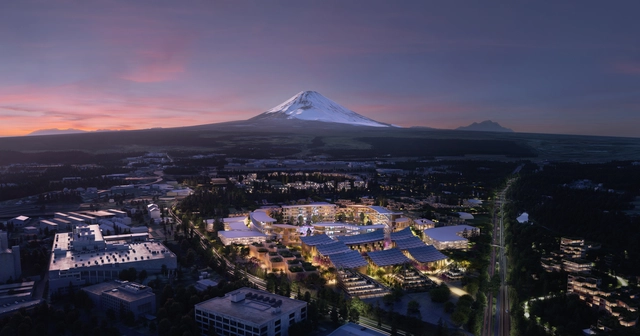
BIG unveiled its latest intervention, the Toyota Woven City, the company's first venture in Japan. Nestled at the foothills of Mt. Fuji, the project, in collaboration with Toyota Motor Corporation, is the world’s first urban incubator pushing forward the development and progress of mobility.
































.jpg?1583753140&format=webp&width=640&height=580)