1. ArchDaily
  2. Sustainable Architecture

Sustainable Architecture: The Latest Architecture and News

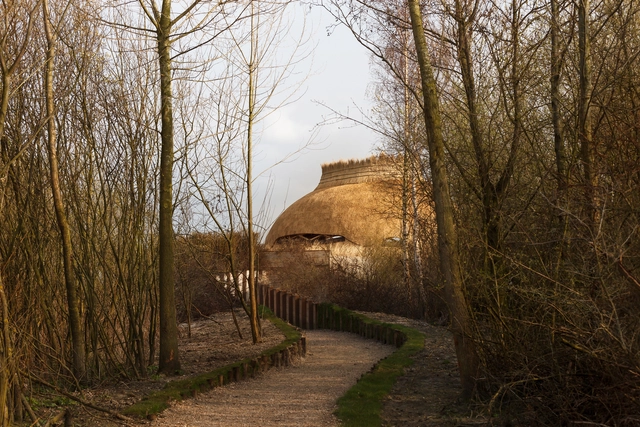
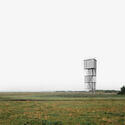
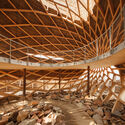
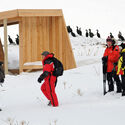
Of a Feather: The Hidden Architecture of Bird Watching

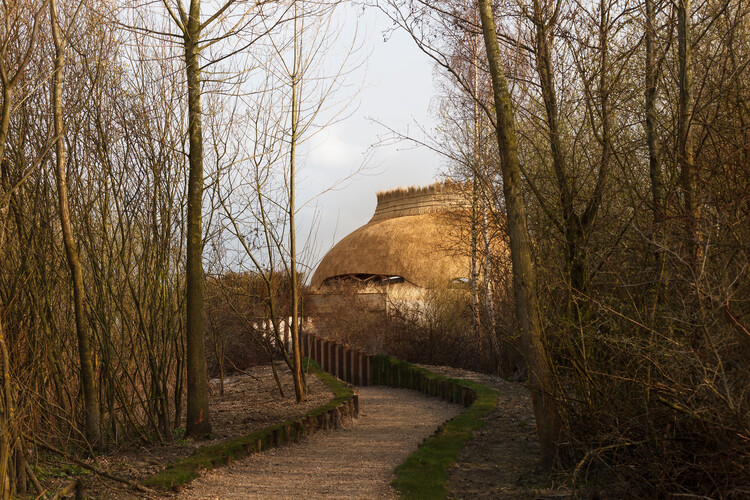
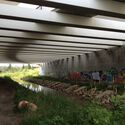
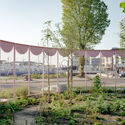
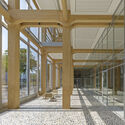
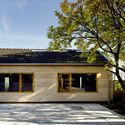
Around the world, a passionate community of bird watchers, from novice observers to seasoned ornithologists, is drawn to the subtle movements, distinct calls, and remarkable migrations of birds. This global fascination has led to the creation of thoughtfully designed spaces by architects and designers, enhancing the bird-watching experience while respecting the ecological landscapes in which they are placed.

Of a Feather: The Hidden Architecture of Bird Watching - Image 1 of 4Of a Feather: The Hidden Architecture of Bird Watching - Image 2 of 4Of a Feather: The Hidden Architecture of Bird Watching - Image 3 of 4Of a Feather: The Hidden Architecture of Bird Watching - Image 4 of 4Of a Feather: The Hidden Architecture of Bird Watching - More Images+ 25

7 Latin American Architecture Firms that Achieve More with Less

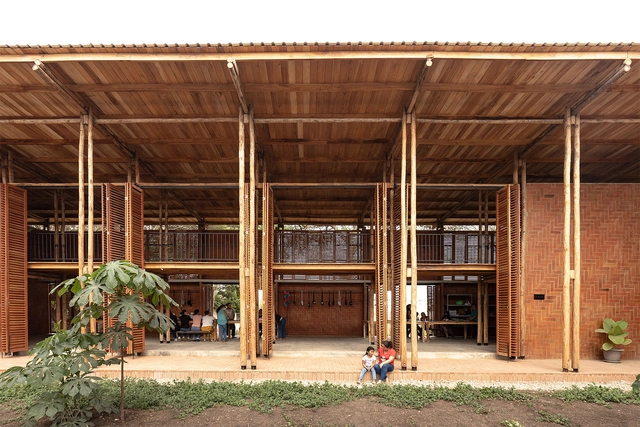
Young Latin American architecture firms are changing paradigms in the field by promoting a new approach to the profession's role in society. Their innovative explorations, driven by risk-taking, emerge from a deep emotional connection and thorough understanding of their context. They draw inspiration from local elements like geography, materials and available resources. With their unique identities, these firms move away from the still-prevalent modernist legacy, presenting authentic and innovative solutions to tackle contemporary challenges.

7 Latin American Architecture Firms that Achieve More with Less - Image 1 of 47 Latin American Architecture Firms that Achieve More with Less - Image 2 of 47 Latin American Architecture Firms that Achieve More with Less - Image 3 of 47 Latin American Architecture Firms that Achieve More with Less - Image 4 of 47 Latin American Architecture Firms that Achieve More with Less - More Images+ 5

UIA 2030 Award Launches Its Third Cycle Highlighting Sustainable Development Goals

The International Union of Architects (UIA), in collaboration with UN-Habitat, has announced the launch of the third cycle of the UIA 2030 Award. Introduced in 2021, the biennial international prize highlights the role of architecture in advancing the UN 2030 Agenda for Sustainable Development, with a particular emphasis on SDG11: Sustainable Cities and Communities and the New Urban Agenda. Organized by the UIA's UN 17 SDGs Commission, the award recognizes built projects that combine architecture with measurable contributions to the Sustainable Development Goals (SDGs). Structured to coincide with the schedule of the World Urban Forum (WUF), the award will run through five cycles.

UIA 2030 Award Launches Its Third Cycle Highlighting Sustainable Development Goals - Image 1 of 4UIA 2030 Award Launches Its Third Cycle Highlighting Sustainable Development Goals - Image 2 of 4UIA 2030 Award Launches Its Third Cycle Highlighting Sustainable Development Goals - Image 3 of 4UIA 2030 Award Launches Its Third Cycle Highlighting Sustainable Development Goals - Image 4 of 4UIA 2030 Award Launches Its Third Cycle Highlighting Sustainable Development Goals - More Images+ 1

A Different Type of Rurality: Designs for Post-Industrial Heritage Transformation

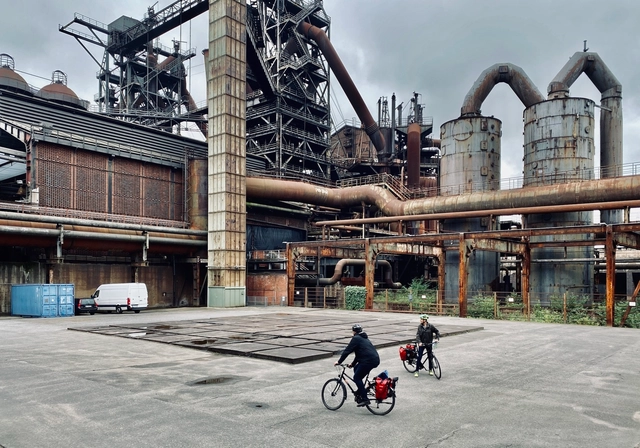
Across the rural terrains of North America and Western Europe, traces of past industry remain embedded in the land: mills rusting in meadows, smokestacks punctuating quiet townscapes, the skeletons of once-thriving economies. For decades, these sites have signified decline through the remnants of an extractive era that has shaped the environment and local identity. The challenges of remediation often encompass technical, environmental, and cultural aspects that require creativity, precision, and sensitivity.

A Different Type of Rurality: Designs for Post-Industrial Heritage Transformation - Image 1 of 4A Different Type of Rurality: Designs for Post-Industrial Heritage Transformation - Image 2 of 4A Different Type of Rurality: Designs for Post-Industrial Heritage Transformation - Image 3 of 4A Different Type of Rurality: Designs for Post-Industrial Heritage Transformation - Image 4 of 4A Different Type of Rurality: Designs for Post-Industrial Heritage Transformation - More Images+ 36

Architectural Acts of Repair: Critical Themes from the 2025 ECC "Time Space Existence" Exhibition

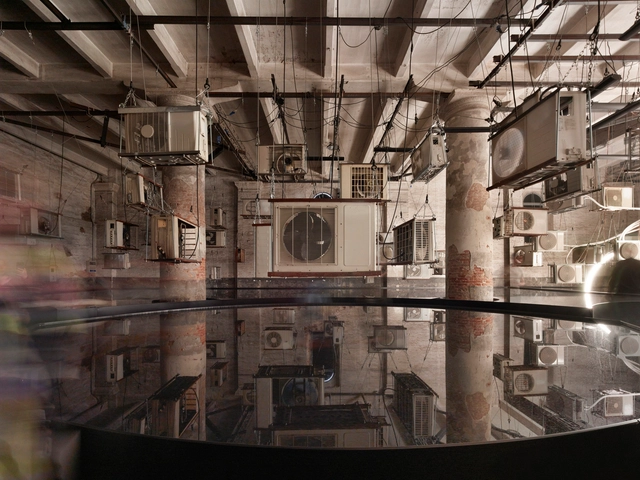
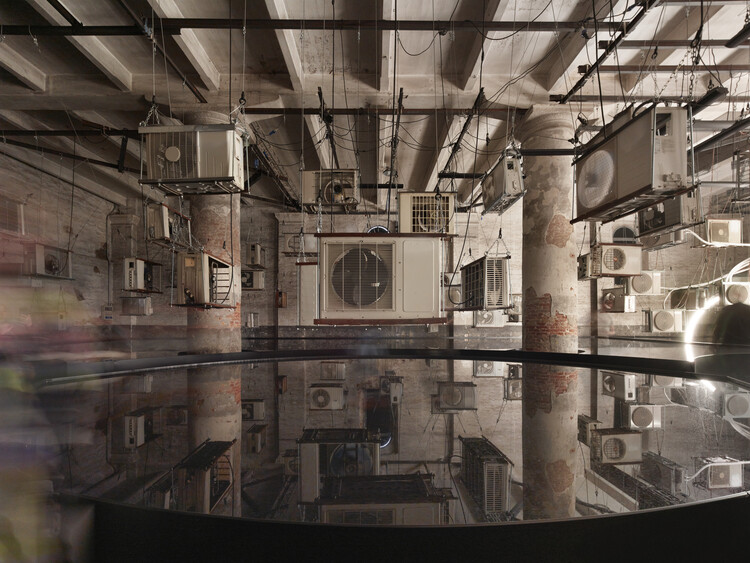
The 2025 edition of the European Cultural Centre's (ECC) Time Space Existence exhibition in Venice is guided by the mandate to "Repair, Regenerate, and Reuse." Aiming to move beyond surface-level solutions and overused terminology, the exhibition showcases a cohort of practitioners who interpret architecture as an active agent of repair. The most compelling works presented in Venice demonstrate that "repair" is a multifaceted practice, operating across material, social, and historical registers. The varied approaches showcase a shift in the role of the architect, from a master builder and designer of physical objects, to that of a mender, able to combine technology, community, and material intelligence to restore narratives and build stronger cultural systems.

Architectural Acts of Repair: Critical Themes from the 2025 ECC "Time Space Existence" Exhibition - Image 2 of 4Architectural Acts of Repair: Critical Themes from the 2025 ECC "Time Space Existence" Exhibition - Image 7 of 4Architectural Acts of Repair: Critical Themes from the 2025 ECC "Time Space Existence" Exhibition - Image 18 of 4Architectural Acts of Repair: Critical Themes from the 2025 ECC "Time Space Existence" Exhibition - Image 16 of 4Architectural Acts of Repair: Critical Themes from the 2025 ECC Time Space Existence Exhibition - More Images+ 14

Rhythms of the Soil: Architecture as Agroecology

At a time of ecological collapse and rising food insecurity, architecture is increasingly called upon to engage not only with landscapes but with the systems that sustain and regenerate them. Among these systems, agriculture occupies a paradoxical role, as both a leading contributor to environmental degradation and a potential agent of ecological recovery. Industrial farming has depleted soils, fragmented habitats, and driven climate change through monocultures, fossil-fuel dependency, and territorial standardization. In response, agroecology has emerged as a counter-practice rooted in biodiversity, local knowledge, and the cyclical rhythms of nature. It reframes farming not as extraction, but as regeneration of ecosystems, communities, and the soil itself.

This reframing opens space for architecture to contribute meaningfully. To align with agroecology is not only to support food production, but to engage with the broader cultural, spatial, and ecological conditions that sustain it. It implies designing with seasonal variation, supporting shared use, and building in ways that respect both the land and those who work it. Architecture becomes more than enclosure — it becomes a mediator of cultivation, reciprocity, and coexistence.

Rhythms of the Soil: Architecture as Agroecology - Image 1 of 4Rhythms of the Soil: Architecture as Agroecology - Image 2 of 4Rhythms of the Soil: Architecture as Agroecology - Image 3 of 4Rhythms of the Soil: Architecture as Agroecology - Image 4 of 4Rhythms of the Soil: Architecture as Agroecology - More Images+ 47

From Expansion to Enhancement: Shanghai's Urban Development Framework

Subscriber Access | 

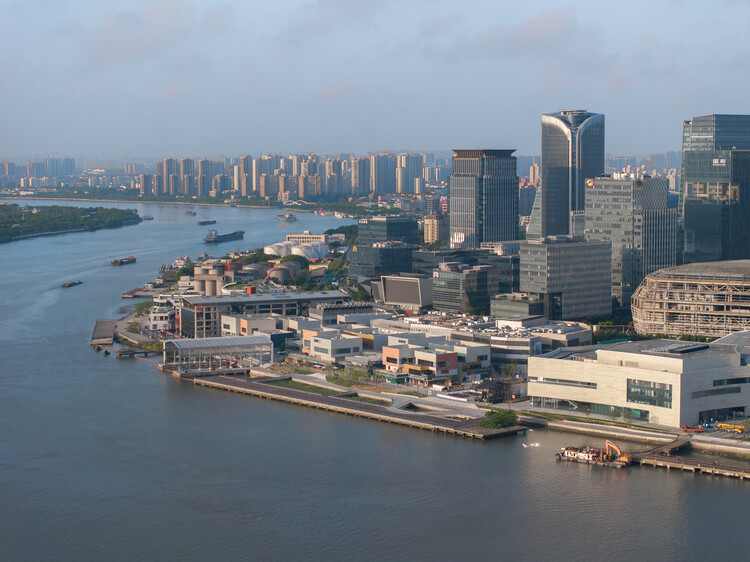
Amidst global economic adjustments and a domestic focus on high-quality development, Shanghai has implemented a strategic shift in its urban development approach—moving from 'incremental expansion' to 'connotative enhancement.' Guided by the concept of a "people-oriented city", Shanghai has elevated urban construction from mere physical space aggregation to a comprehensive endeavor aimed at optimizing functional quality, revitalizing spatial vitality, and boosting residential resilience through urban renewal initiatives. This transformation is framed not merely as a response to resource constraints but also as an intentional approach to urban development principles. Its core proposition lies in: under the policy framework of strictly controlling incremental land use, how to unleash development potential through the "reproduction" of existing spaces.

From Expansion to Enhancement: Shanghai's Urban Development Framework - Image 1 of 4From Expansion to Enhancement: Shanghai's Urban Development Framework - Image 2 of 4From Expansion to Enhancement: Shanghai's Urban Development Framework - Image 3 of 4From Expansion to Enhancement: Shanghai's Urban Development Framework - Image 4 of 4From Expansion to Enhancement: Shanghai's Urban Development Framework - More Images+ 28

Understanding Eco Brutalism: The Paradox of Structure, Sustainability, and Style

Subscriber Access | 

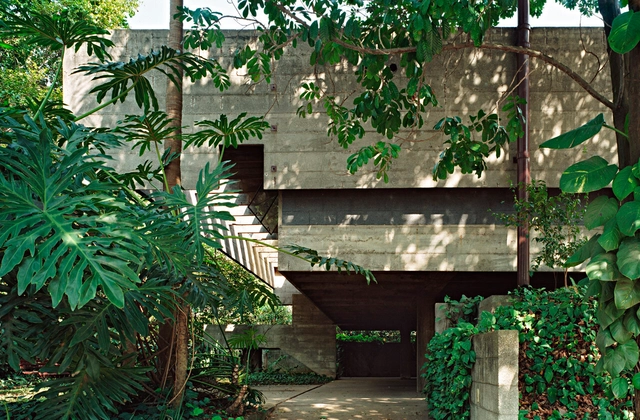
The built environment is expected to reduce carbon emissions, support biodiversity, and respond to changing ecological conditions, all while providing housing for communities and reflecting their cultural values. In this shifting landscape, a once-maligned architectural style emerges in a surprising new form. Brutalism, long associated with institutional gravitas and material austerity, is now being reframed through an ecological lens. This hybrid movement, known as eco-brutalism, combines the power of concrete with greenery and climate-sensitive design strategies. The result is a set of spaces that are visually arresting, conceptually complex, and increasingly popular among designers, urban planners, and the general public. This movement includes not only the direct lineage of 1960s Brutalism but also contemporary projects that, while not strictly Brutalist, share its material honesty, monumental scale, and use of expressive concrete forms.

Understanding Eco Brutalism:  The Paradox of Structure, Sustainability, and Style - Image 1 of 4Understanding Eco Brutalism:  The Paradox of Structure, Sustainability, and Style - Image 2 of 4Understanding Eco Brutalism:  The Paradox of Structure, Sustainability, and Style - Image 3 of 4Understanding Eco Brutalism:  The Paradox of Structure, Sustainability, and Style - Image 4 of 4Understanding Eco Brutalism:  The Paradox of Structure, Sustainability, and Style - More Images+ 39

Mapping as Design: A Resource-Based Approach to Rural Design in the United States

In 1982, at a conference on earth building in Tucson, Arizona, an unusual presentation challenged everything architects thought they knew about rural resources. Instead of focusing on construction techniques, the presenter, architect Pliny Fisk III, spread out a series of hand-drawn maps that revealed something extraordinary - rural Texas wasn't resource-poor, as conventional wisdom suggested, but material-rich beyond imagination. The maps showed volcanic ash perfect for lightweight concrete, caliche deposits stretching across vast territories, and mesquite forests that could supply both hardwood flooring and insulation. The revelation redefined prevailing notions of value in architecture.

Mapping as Design: A Resource-Based Approach to Rural Design in the United States - Image 1 of 4Mapping as Design: A Resource-Based Approach to Rural Design in the United States - Image 2 of 4Mapping as Design: A Resource-Based Approach to Rural Design in the United States - Image 3 of 4Mapping as Design: A Resource-Based Approach to Rural Design in the United States - Image 4 of 4Mapping as Design: A Resource-Based Approach to Rural Design in the United States - More Images+ 1

Rice Museum: Architecture Rooted in Rural Memory and Ecology

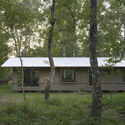
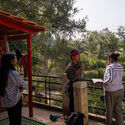
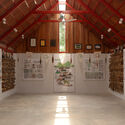
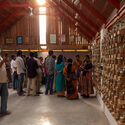
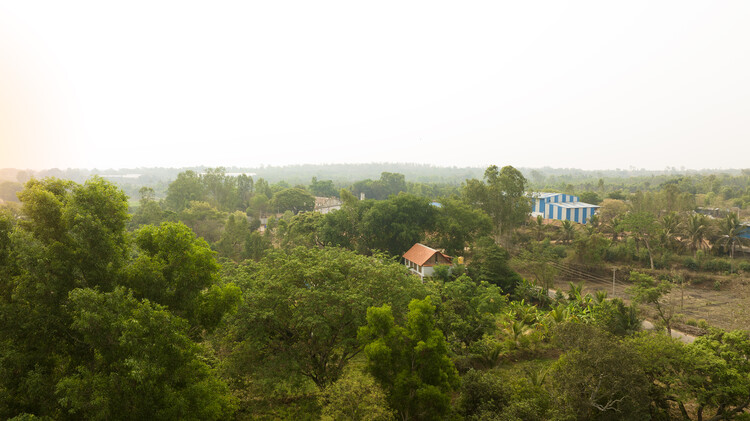
Located on a farm in southern India, the Rice Museum occupies the upper floor of Syed Ghani's home, nestled in the verdant agricultural landscape of Mandya — a region shaped by brick structures, expansive greenery, and ancestral farming knowledge. Syed Ghani, a farmer, historian, and museologist, has dedicated himself to preserving indigenous rice varieties through seed conservation, proliferation, and educational initiatives. With the support of local farmers, he has helped recover more than 1,000 native paddy (rice) varieties, safeguarding an essential part of India's agricultural heritage.

Rice Museum: Architecture Rooted in Rural Memory and Ecology - Image 1 of 4Rice Museum: Architecture Rooted in Rural Memory and Ecology - Image 2 of 4Rice Museum: Architecture Rooted in Rural Memory and Ecology - Image 3 of 4Rice Museum: Architecture Rooted in Rural Memory and Ecology - Image 4 of 4Rice Museum: Architecture Rooted in Rural Memory and Ecology - More Images+ 21

The Architecture of Rewilding: Designing for Ecosystem Recovery

As climate instability reshapes design priorities, architecture is increasingly drawn into ecological debates not as a spectator but as a participant. Among the concepts gaining traction is rewilding, a practice rooted in the restoration of self-sustaining ecosystems through the reintroduction of biodiversity, the removal of barriers, and the rebalancing of human presence in the landscape. Though often associated with conservation biology, rewilding also opens up new spatial and architectural imaginaries — ones that challenge conventional notions of permanence, authorship, and use.

The Architecture of Rewilding: Designing for Ecosystem Recovery - Image 1 of 4The Architecture of Rewilding: Designing for Ecosystem Recovery - Image 2 of 4The Architecture of Rewilding: Designing for Ecosystem Recovery - Image 3 of 4The Architecture of Rewilding: Designing for Ecosystem Recovery - Image 4 of 4The Architecture of Rewilding: Designing for Ecosystem Recovery - More Images+ 68

Should Buildings Be Designed to Decay?

Subscriber Access | 

Buildings are physical, static, and permanent. To imagine them otherwise often requires some creative thinking. The industry has operated with this strong association between structures and permanence, unknowingly constraining perspectives on building life cycles. Innovations in building materials have opened up avenues for cirular design that challenge the long-held notion that buildings must endure indefinitely. Emerging approaches promote architecture that ebbs and flows with nature.

Should Buildings Be Designed to Decay? - Image 1 of 4Should Buildings Be Designed to Decay? - Image 2 of 4Should Buildings Be Designed to Decay? - Image 3 of 4Should Buildings Be Designed to Decay? - Image 4 of 4Should Buildings Be Designed to Decay? - More Images+ 1

Hong Kong's Queensway Reimagined: Sara Klomps on the Genesis and Ambition of The Henderson by Zaha Hadid Architects

Subscriber Access | 

Architectural landmarks often cluster together. In Tokyo, the iconic Omotesando is a well-known stretch where global "starchitects" built flagship luxury retail spaces in the 2000s. Hong Kong has a lesser-known but equally powerful architectural agglomeration along Queensway—though historically more corporate and less publicly engaging. Beginning in the 1980s, this corridor became home to a series of landmark buildings by some of the world's most prominent architects: Norman Foster's HSBC Headquarters, I.M. Pei's Bank of China Tower, Paul Rudolph's Lippo Centre, and the nearby Murray Building by Ron Phillips—now revitalized as a hotel by Foster + Partners. The area is further enriched later on by Heatherwick Studio's renovation of Pacific Place and Tod Williams Billie Tsien Architects' Asia Society Hong Kong Center.

Hong Kong's Queensway Reimagined: Sara Klomps on the Genesis and Ambition of The Henderson by Zaha Hadid Architects - Image 1 of 4Hong Kong's Queensway Reimagined: Sara Klomps on the Genesis and Ambition of The Henderson by Zaha Hadid Architects - Image 2 of 4Hong Kong's Queensway Reimagined: Sara Klomps on the Genesis and Ambition of The Henderson by Zaha Hadid Architects - Image 3 of 4Hong Kong's Queensway Reimagined: Sara Klomps on the Genesis and Ambition of The Henderson by Zaha Hadid Architects - Image 4 of 4Hong Kong's Queensway Reimagined: Sara Klomps on the Genesis and Ambition of The Henderson by Zaha Hadid Architects - More Images+ 7

The Garden City Movement in Asia: Evolution and Modern Legacies

Subscriber Access | 

Ebenezer Howard's verdant visions for cities have spread eastwards, far beyond his British roots. In the 1900s, city planning welcomed the Garden City Movement as a champion of good design - a response to Western industrial urbanization. Soon, Asian cities conceived their archetypes, juggling local constraints in climate and density. Designs and development, from colonial-era experiments to contemporary mega-projects, have embraced and reinvented Howard's vision well into the 21st century.

The Garden City Movement in Asia: Evolution and Modern Legacies - Image 1 of 4The Garden City Movement in Asia: Evolution and Modern Legacies - Image 2 of 4The Garden City Movement in Asia: Evolution and Modern Legacies - Image 3 of 4The Garden City Movement in Asia: Evolution and Modern Legacies - Image 4 of 4The Garden City Movement in Asia: Evolution and Modern Legacies - More Images+ 3

Built to Last—or Change? The Case for Dry Construction in Humid Cities

Subscriber Access | 

In certain parts of the world, construction is still dominated by wet systems—concrete, masonry, and cementitious materials that are poured, cured, and fixed in place. While this has long been considered the norm in some south-east Asia countries, such as Singapore, Thailand, Malaysia, and China, in most of these regions, they typically share a common trend where labor is relatively inexpensive. This serves as one of the reasons to make concrete more easily available, as one of the typical downside of concrete is its intensive labour cost - this further differentiates concrete as a cheaper and more efficient material system to be building out of.

However, not enough considerations in the region are given to the sustainability aspect when using these wet construction materials,often overlooking the significant drawbacks of its material lifecycle and the difficulty to recycle it without downcycling - making it one of the more unsustainable materials available to be built out of.

Built to Last—or Change? The Case for Dry Construction in Humid Cities - Image 1 of 4Built to Last—or Change? The Case for Dry Construction in Humid Cities - Image 2 of 4Built to Last—or Change? The Case for Dry Construction in Humid Cities - Image 3 of 4Built to Last—or Change? The Case for Dry Construction in Humid Cities - Image 4 of 4Built to Last—or Change? The Case for Dry Construction in Humid Cities - More Images+ 10

Concéntrico 2025: The Politics of Urban Presence

Subscriber Access | 

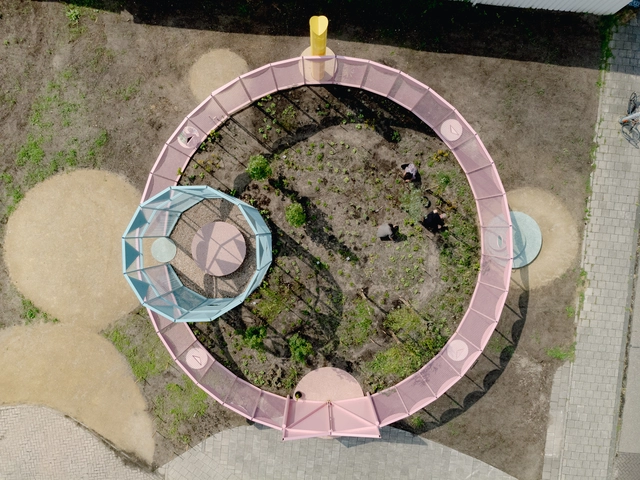
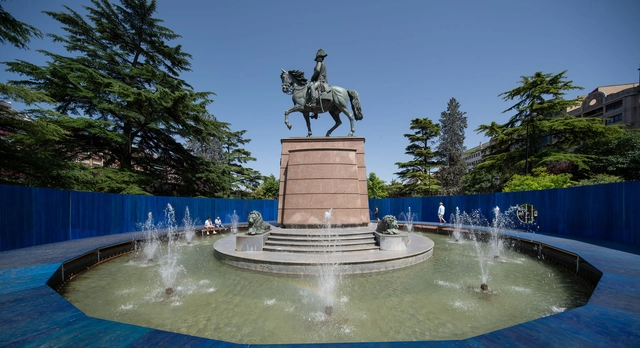
Every June, the Spanish city of Logroño transforms into a space of architectural dialogue, opening its streets, plazas, riverbanks, and traffic islands to temporary structures that redefine how cities are inhabited. For ten editions, Concéntrico has worked not as a specialized fair or an architecture biennale, but as a portable museum — a curatorial gesture that brings a dispersed collection of contemporary architecture into public space. Set in a city suspended between arid plains and distant mountains, far from the circuits of capital cities and cultural institutions, Concéntrico presents itself as a temporary promise. It's a reminder that even cities that are often overlooked can host architecture that is current, diverse, and speculative. In this sense, the festival is less about celebration and more about activation.

But beyond its curatorial logic, Concéntrico operates as a political structure. In the ancient sense of polis, it invites citizens, architects, and institutions to reassess what public space can be. The interventions offer speculative proposals for urban life that reveal what is missing, what is possible, and what should be questioned. A temporary pool over a fountain, a bathhouse in a roundabout, or a shared meal on a major avenue are not just spatial gestures — they are political statements, asking how urban infrastructure might be redirected from control to care, from efficiency to encounter. In that way, the festival becomes not just a reflection of the city, but an instrument for its transformation.

Concéntrico 2025: The Politics of Urban Presence - Image 1 of 4Concéntrico 2025: The Politics of Urban Presence - Image 2 of 4Concéntrico 2025: The Politics of Urban Presence - Image 3 of 4Concéntrico 2025: The Politics of Urban Presence - Image 4 of 4Concéntrico 2025: The Politics of Urban Presence - More Images+ 58

The New Ghibli Park in Japan: Redefining Theme Parks Through Adaptive Reuse and Sustainability

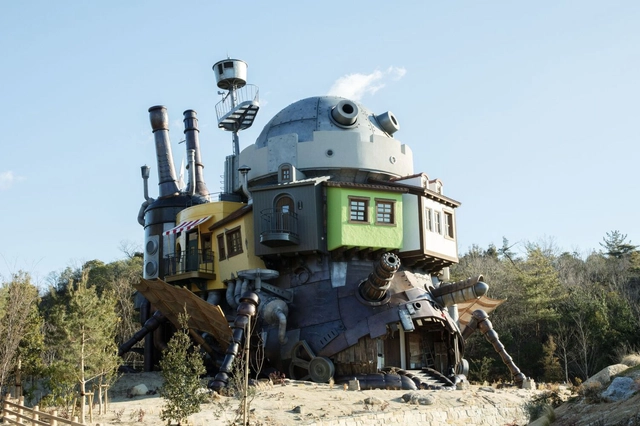
Studio Ghibli and its co-founder Hayao Miyazaki have become household names in the West, thanks to their impressive body of work, which includes over 10 feature films, 2 Oscars, and more than 100 awards worldwide. Films such as "Spirited Away" and "Howl's Moving Castle" showcase their mastery of world-building, story telling and compelling visuals which have earned them global acclaim. This has created a devoted fan base that previously only had the Studio Ghibli Museum in Tokyo to experience the films in real life. As the studio's popularity and movie portfolio grew, it became inevitable for them to expand into a larger space. That is why November 2022 marked the beginning of a new phase as the Ghibli Park opened its gates in Nagoya, Japan.


The New Ghibli Park in Japan: Redefining Theme Parks Through Adaptive Reuse and Sustainability - Image 1 of 4The New Ghibli Park in Japan: Redefining Theme Parks Through Adaptive Reuse and Sustainability - Image 2 of 4The New Ghibli Park in Japan: Redefining Theme Parks Through Adaptive Reuse and Sustainability - Image 3 of 4The New Ghibli Park in Japan: Redefining Theme Parks Through Adaptive Reuse and Sustainability - Image 4 of 4The New Ghibli Park in Japan: Redefining Theme Parks Through Adaptive Reuse and Sustainability - More Images+ 2

An Unfolding Crisis with a Hopeful Outlook: Highlights from the Projects Exhibited at Venice Architecture Biennale 2025

Under Carlo Ratti's curatorship, the Venice Biennale's 19th International Architecture Exhibition delves into the theme "Intelligens. Natural. Artificial. Collective," with the explicit aim of transforming the city of Venice into a "Living Laboratory." In addition to the 65 national participations and a wide range of educational and collateral events, the exhibition features independent projects that directly respond to the overarching theme. With most of the exhibits showcased in the historic Corderie building, stretching along the south side of the Arsenale, the event offers a dynamic exploration of emerging architectural ideas and urban strategies.
An Unfolding Crisis with a Hopeful Outlook: Highlights from the Projects Exhibited at Venice Architecture Biennale 2025 - Image 1 of 4An Unfolding Crisis with a Hopeful Outlook: Highlights from the Projects Exhibited at Venice Architecture Biennale 2025 - Image 2 of 4An Unfolding Crisis with a Hopeful Outlook: Highlights from the Projects Exhibited at Venice Architecture Biennale 2025 - Image 3 of 4An Unfolding Crisis with a Hopeful Outlook: Highlights from the Projects Exhibited at Venice Architecture Biennale 2025 - Image 4 of 4An Unfolding Crisis with a Hopeful Outlook: Highlights from the Projects Exhibited at Venice Architecture Biennale 2025 - More Images+ 41