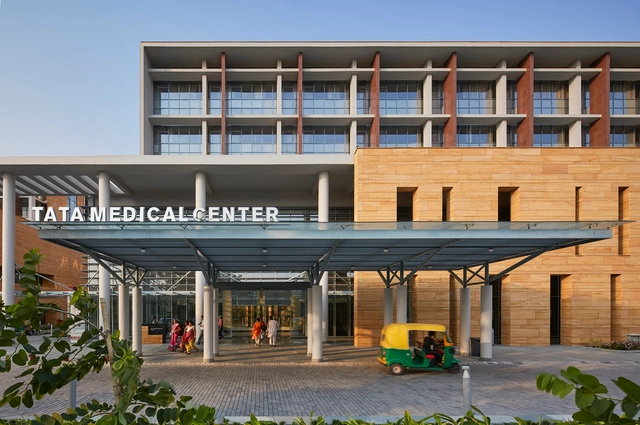
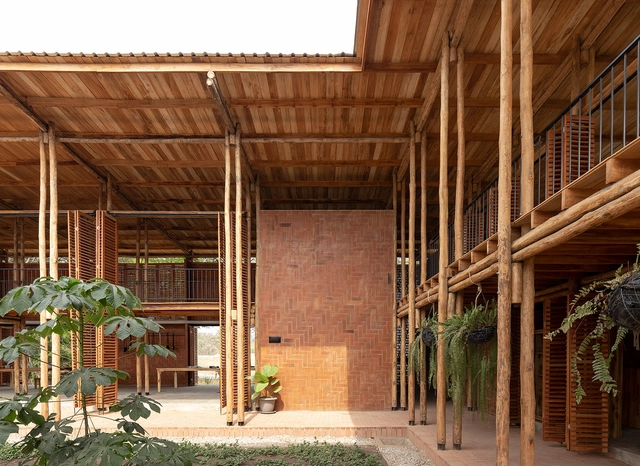
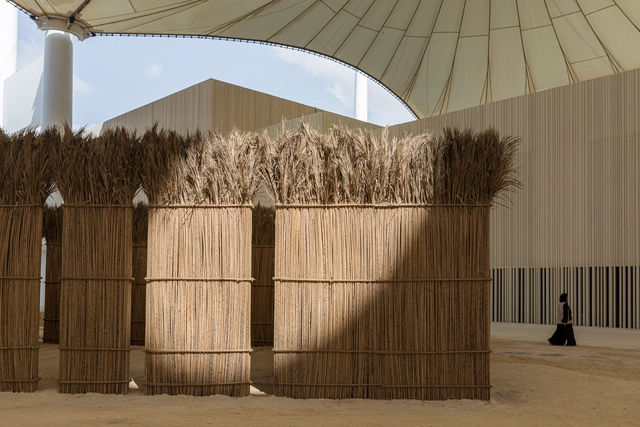
In a nation as diverse as India, the healthcare landscape presents wicked problems and plentiful opportunities. The country's hospital infrastructure has been increasingly strained in the areas of accessibility, quality, and equity, especially with a snowballing population growth. While urban development expands amidst these constraints, architects have been able to position innovative design solutions as mediators, also sealing the gap between urban and rural healthcare quality and accessibility in India.
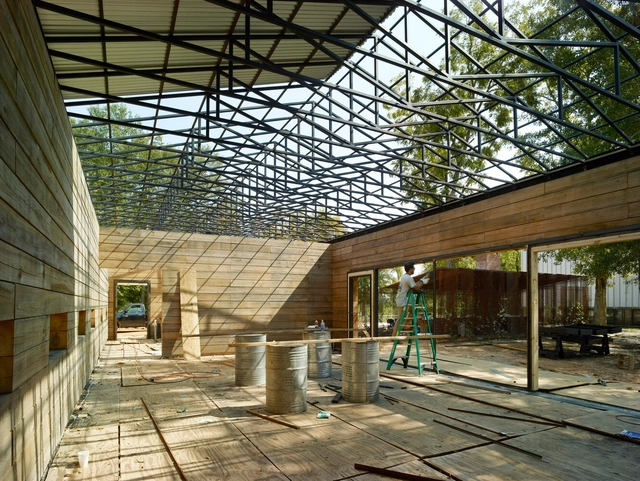
Rural environments are often difficult to define in administrative and professional contexts and carry notable biases and complexities. Population and density thresholds are the most common determinants for drawing administrative boundaries, yet other factors, such as infrastructure, employment, and services, contribute to the characterization of rural environments. In the United States, the Census Bureau defines rurality, not by its characteristics or resources, but by absences, as "any population, housing, or territory not in an urban area." For the design and planning community, it is important to define the future of rural environments, not through the metrics of urban resources or infrastructure, but to design a new framework for flexibility, adaptation, and health.
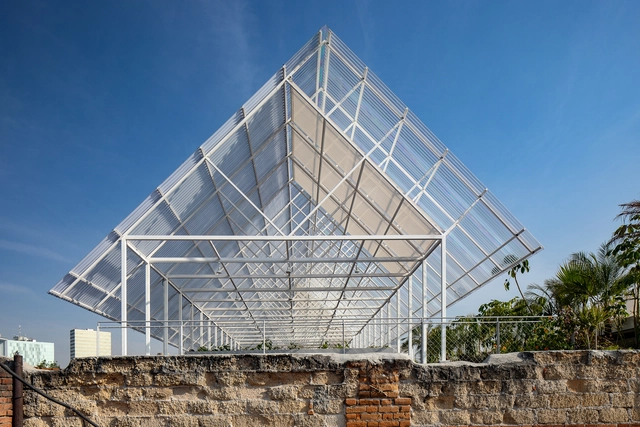
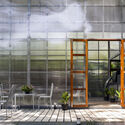
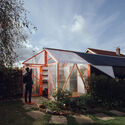
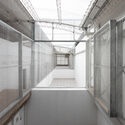
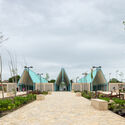
Polycarbonate, commonly used in roofing and industrial cladding, has gone beyond its initial applications to become a material widely used across various architectural typologies. Its combination of strength, lightness, easy installation, and ability to allow natural light to pass through has made it an attractive option for residential,educational, and even cultural architecture projects. In homes, polycarbonate not only helps create bright and comfortable environments but also allows for creative use of translucency to generate private spaces without sacrificing visual connection to the outdoors.
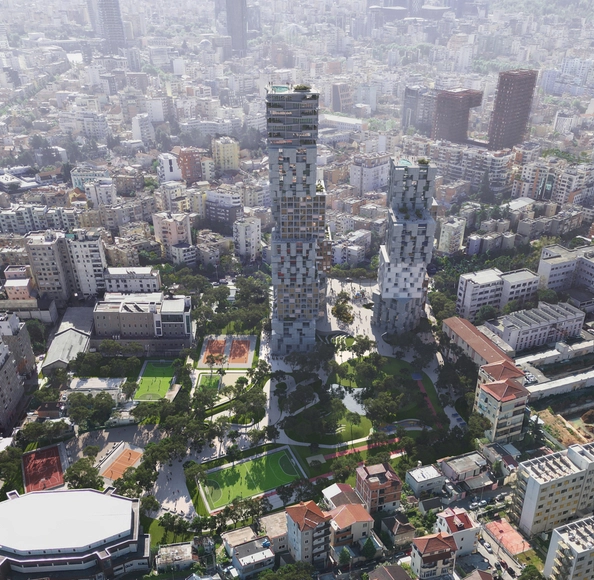
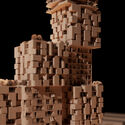
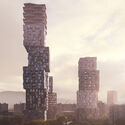
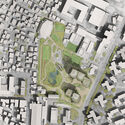
Portuguese architecture studio OODA has commenced construction on the Hora Vertikale Towers in Tirana, a city renowned for its urban revitalization and architectural innovation. The project aims to contribute to this dynamic landscape as a multi-functional, 55,000-square-meter "vertical village" rising 140 meters tall. The project is designed to also integrate a large-scale green public space, also designed by OODA. The project was first announced earlier this year.
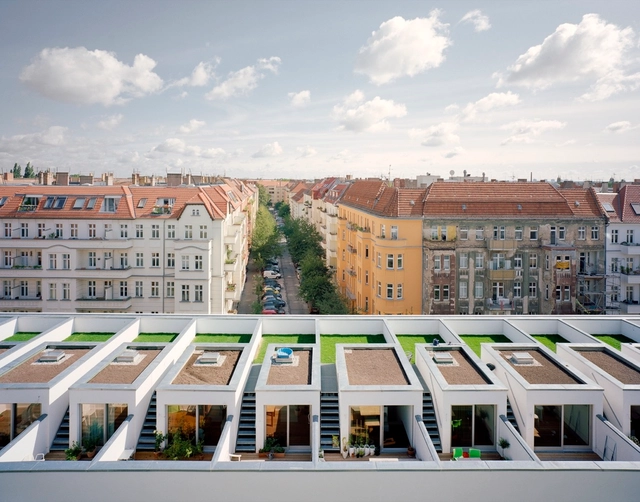
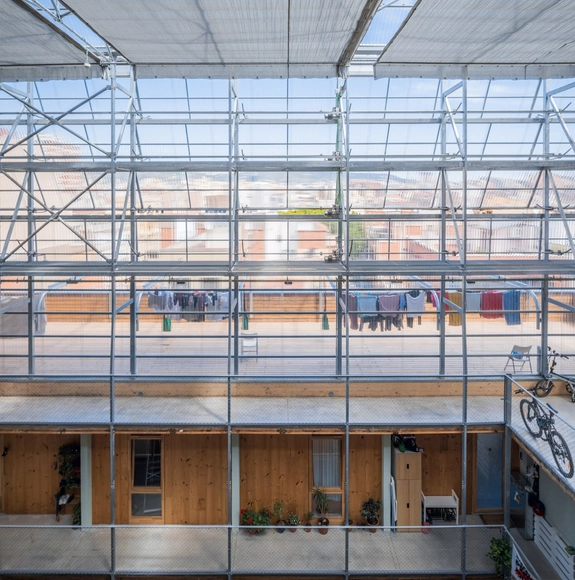
Designing a typical residential building rarely involves its future residents. Often created by property developers in response to predefined market demands, the projects are rarely optimized for livability. An emerging development system that began in Germany aims to change this dynamic and reposition the residents at the core of the new housing developments. The Baugruppe system, German for "building group," proposes an alternative approach to housing that allows groups of individuals to come together to design and construct their residential spaces, bypassing traditional developers to create personalized and sustainable living environments.
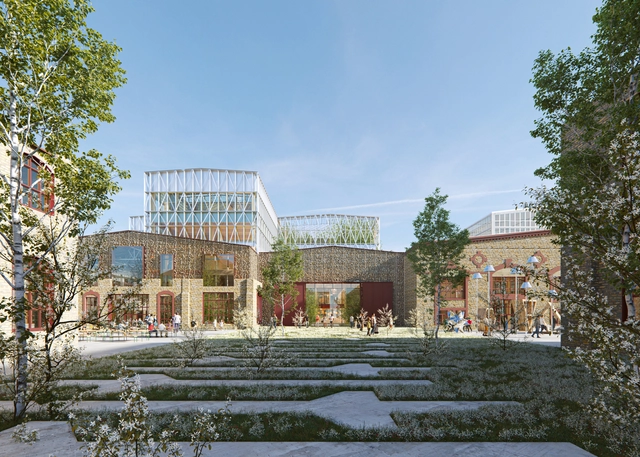
Danish architecture firm Cobe has announced a new project to transform the historic 'Krulli' steelworks, a large-scale former industrial site in Estonia's capital, into a mixed-use city district. The strategy for the project is developed to optimize for material reuse, as materials, components and even entire buildings have been evaluated for their potential to be reintegrated into the scheme. This way, the decommissioned industrial area provides the foundation for an innovation hub, maintaining its history while adapting to the necessities of modern workspaces and city life.
One of the biggest current challenges in large cities is the housing crisis and the lack of efficient solutions to mitigate its effects on citizens. This problem is exacerbated in cities where tourism and vacation or temporary housing dominate the market, distancing residents from the possibility of accessing affordable urban housing. Furthermore, gentrification, driven by rising rents and real estate speculation, contributes to the displacement of local communities, transforming traditional neighborhoods into areas exclusively oriented toward tourist consumption.
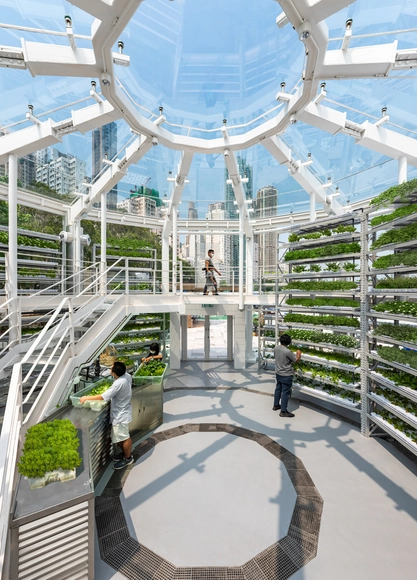
Crisis, crisis, crisis... and guess what? More crises. Every time we hear that word, it all feels more daunting. But here's the thing: with every challenge comes an opportunity. From the affordable housing shortage to the economic downturn and the climate emergency, there's always a new challenge, opening the door to new possibilities. But the truth is, none of these are isolated events; they're all interconnected in some way, forming different facets of the same story. Perhaps one of the least mentioned, particularly when it comes to the built environment, is the global food crisis, which is growing (almost) silently, waiting to take center stage. It poses various challenges for future food production, especially in cities.
https://www.archdaily.com/1021721/future-focused-food-production-integrating-high-tech-agriculture-into-citiesEnrique Tovar
The Mies Crown Hall Americas Prize (MCHAP) has announced the winner of the fifth MCHAP.emerge award: the Community Production Center Las Tejedoras in Guayas, Ecuador, designed by Natura Futura architect José Fernando Gómez and architect Juan Carlos Bamba. The project offers a hub for local women artisans, providing them with spaces to learn, create, and showcase their textile creations. The winner announcement was made at the Conference on Critical Practice held at Mies van der Rohe's S. R. Crown Hall, an inaugural event that brought together the four MCHAP.emerge finalists to open up conversations about the future of the architecture profession across the Americas.
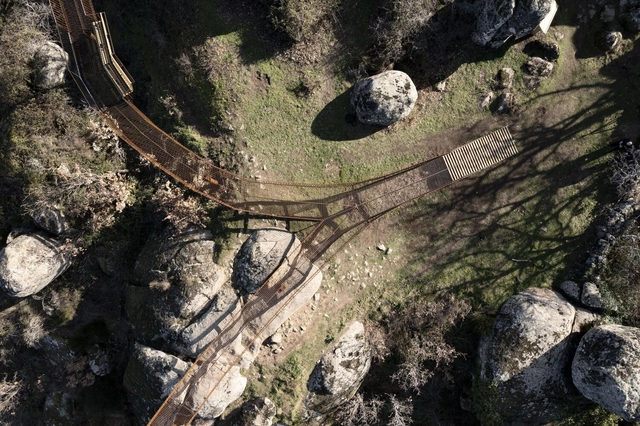
Spain, with its vast territory and notable diversity of landscapes, has been a reference point in the development of external infrastructures, both in urban and rural areas. Tourism has played a key role in this process, focusing on creating spaces that maximize the enjoyment of the natural environment and integrating local landscapes into urbanized areas. The construction of these infrastructures has had two main aspects: the adaptation of cities for both their residents and tourists and the development of rural or coastal areas, where nature is the main attraction. This has led to interventions ranging from creating waterfront promenades, viewpoints, and natural parks, to urbanization projects in previously untouched areas. Furthermore, urban growth has driven the creation of green infrastructures such as botanical gardens, ecological trails, and reserves that aim to protect the environment while being sustainably open to the public.
Sumayya Vally, architect, curator, and founder of Counterspace architecture office, joins the jury for the 2024 Obel Award. This international architectural prize, organized by the Henrik Frode Obel Foundation, honors projects that significantly impact people and the planet. The 2024 theme, "Architecture WITH," invites a re-examination of the architectural profession, emphasizing collaborative and co-creative processes that integrate diverse bodies of knowledge into the core of design. Vally's perspective on redefining architectural roles aligns with the theme's focus on non-hierarchical, co-creative approaches.
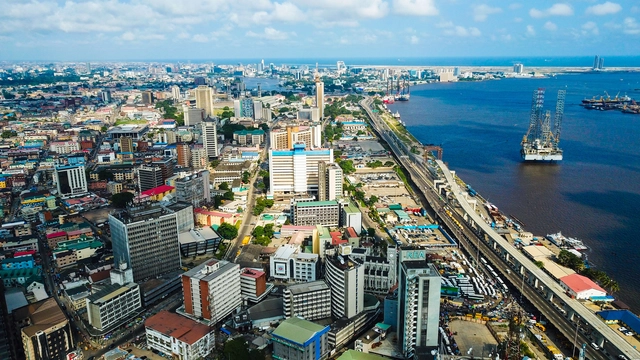
Traveling on land through vast regional areas of African countries has been an inefficient ordeal, particularly in West Africa. Google Maps optimistically estimates it would take 53 hours to drive nonstop from Lagos, Nigeria's largest city, to Dakar, Senegal's capital. However, this estimate doesn't account for the poor road infrastructure, complex border crossings, and socio-economic challenges that realistically extend the journey to about a week.
This is why the ongoing Trans-West African Coastal Highway project offers a great opportunity to connect and unlock the region's potential. This project, also known as TAH 7, is a transnational highway initiative linking 12 West African coastal nations, from Mauritania in the northwest to Nigeria in the east. Its gradual construction opens new avenues for freight movement, rail infrastructure, and, more importantly, innovative forms of architecture around borders, addressing their unique socio-cultural functions.
With expanding urban populations and evolving consumption patterns, cities are faced with challenges pertaining to waste management. Traditional approaches centered on collection and disposal currently seem inadequate in the face of serious environmental concerns and resource scarcity. Waste management has become a focused topic to address, being introduced as a key strategy towards circular economies. The Zero Waste concept hopes to transform the way cities manage urban waste and build supportive cultures around it.
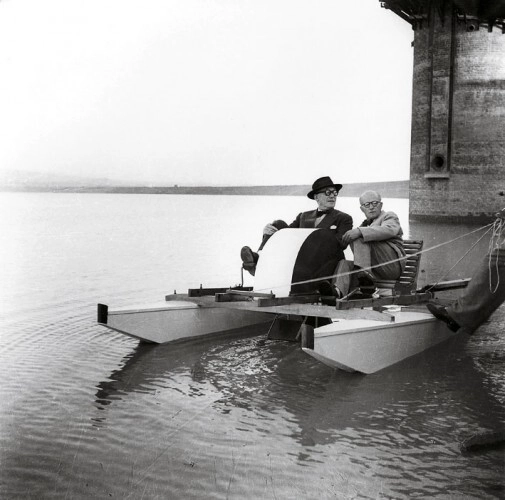
The relationship between architecture and naval design has been a fascinating interplay of form and function that has evolved significantly. Both disciplines have a shared history of innovation, aesthetics, and functionality that have informed and inspired each other. This "love affair" has seen architects drawing inspiration from boats, particularly in the modernist era when ships' streamlined, efficient designs influenced the aesthetic of buildings. Conversely, architectural principles have also been adapted to enhance the functionality and form of boats, demonstrating a reciprocal exchange that continues to shape both disciplines.
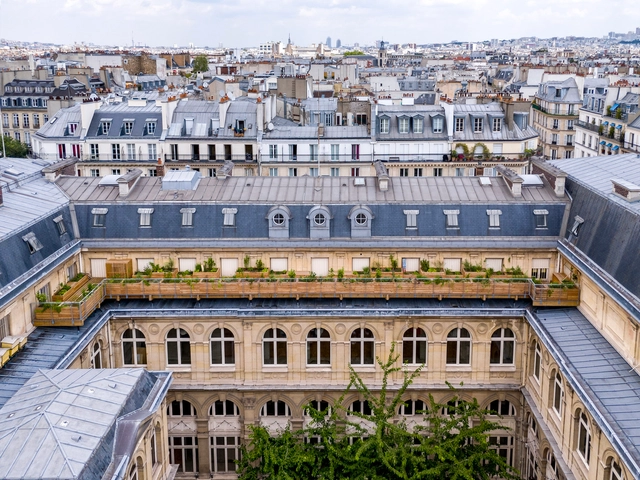
As record-breaking temperatures sweep across European cities, practitioners have recognized that existing infrastructure is poorly equipped to address the impacts of climate change. In response to this concern Roofscapes, a startup emerging from the MIT School of Architecture and Planning, has developed innovative solutions to amplify urban climate resilience. Their approach focuses on the strategic adaptation of underutilized spaces such as rooftops. By tackling the immediate challenges posed by extreme heat, the startup's work epitomizes how architectural innovation can directly contribute to addressing climate adaptation needs in cities. The company was recognized as one of ArchDaily's 2024 Best New Practices for their innovative approach to tackling urban issues such as affordability, lack of biodiversity, rising urban temperatures and repurposing.
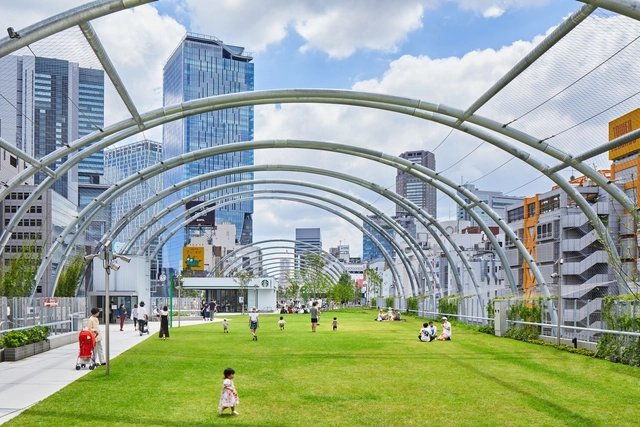
With escalating land values in urban centers, there has been a growing trend to float public spaces from ground level to elevated locations, such as rooftops or podiums between buildings. From a development perspective, maximizing floor area has become crucial as urban environments expand. Ground-level spaces are highly sought after for retail use due to their strategic location, which attracts foot traffic and potential customers and drives city development and economics.
This financial consideration, which often guides building activities and directions in urban centers, contradicts design principles advocated during the modernist era for the benefits of better outdoor space for the public, such as the concept of 'Freeing the Ground'. Architects like Le Corbusier championed this concept through projects like Villa Savoye and Unite d' Habitation. These modernist designs envisioned a future where buildings were elevated to restore open, accessible outdoor ground-level spaces for its users. However, for the reasons above, many contemporary projects instead seek to replicate the function of public grounds within the building's structure.