1. ArchDaily
  2. Structural Design

Structural Design: The Latest Architecture and News

When Architecture Moves: Kinetic Design and the Rituals of Space

Subscriber Access | 

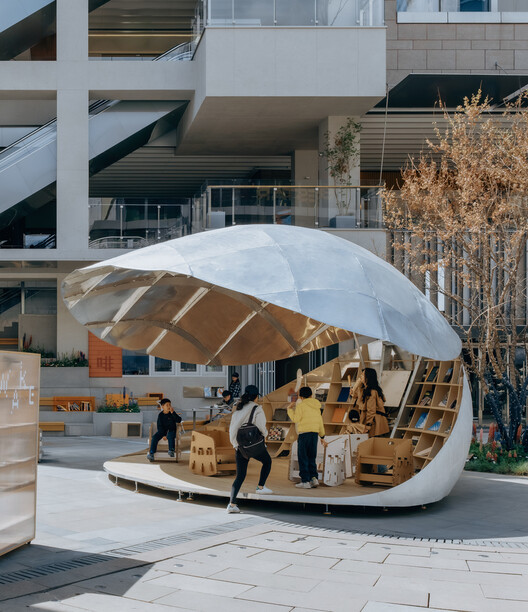
For centuries, architecture has been defined by unmoving permanence. A building is assumed to be fixed, its walls and foundation immobile in space. A growing number of architects are now challenging this assumption by incorporating movement into the very fabric and tectonic structures of buildings.

When roofs hinge, walls slide, and entire structures respond to their occupants, something remarkable happens: the architectural spaces become an active component of daily rituals. These moments of opening, closing, shifting, and translating spaces ground buildings in the present moment and demand active engagement from users. The architecture becomes less of an object or a monument and more of a choreography of participation.

When Architecture Moves: Kinetic Design and the Rituals of Space - Image 1 of 4When Architecture Moves: Kinetic Design and the Rituals of Space - Image 2 of 4When Architecture Moves: Kinetic Design and the Rituals of Space - Image 3 of 4When Architecture Moves: Kinetic Design and the Rituals of Space - Image 4 of 4When Architecture Moves: Kinetic Design and the Rituals of Space - More Images+ 36

The Line at a Crossroads: Revisiting NEOM's Vision for a Utopian City

In 2023, ArchDaily's editor-in-chief sat down with Tarek Qaddumi, Executive Director of the Line Design at NEOM, at the closing of the Line Exhibition in Riyadh. Qaddumi described a layered, three-dimensional city organized around the idea of a "five-minute sphere" of access: walkable communities stacked vertically, connected by high-speed rail, freed from cars and conventional street infrastructure, and designed to coexist symbiotically with the surrounding natural landscape. It was a compelling vision, and in the context of the moment, it was simultaneously credible and appealing. For architects and urban thinkers grappling with the failures of twentieth-century city-building, the ideas articulated were worth engaging and planning.

The Line at a Crossroads: Revisiting NEOM's Vision for a Utopian City - Image 1 of 4The Line at a Crossroads: Revisiting NEOM's Vision for a Utopian City - Image 2 of 4The Line at a Crossroads: Revisiting NEOM's Vision for a Utopian City - Image 3 of 4The Line at a Crossroads: Revisiting NEOM's Vision for a Utopian City - Image 4 of 4The Line at a Crossroads: Revisiting NEOM's Vision for a Utopian City - More Images+ 5

Narratives of Syrian Modernism: Rediscovering the Center for Marine Research

Subscriber Access | 

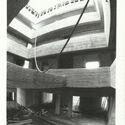
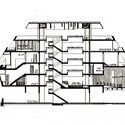
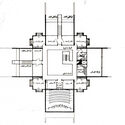
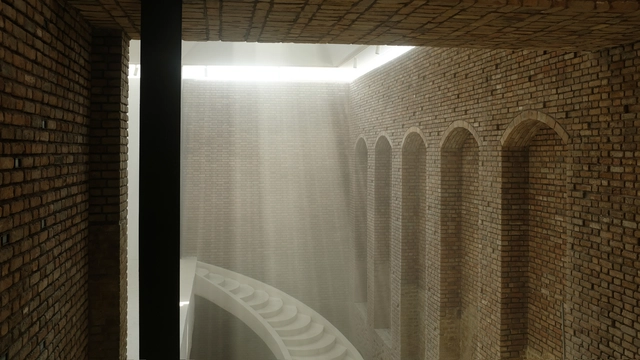
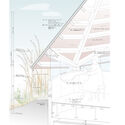
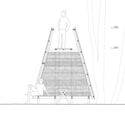
As Syria is emerging from over a decade of conflict at the time of writing, it is an opportunity to rediscover its architectural gems. Just to the north of the country's principal port city of Latakia is a Modernist creation that is the Center for Marine Research. Its pyramidal structure is situated on a prominent headland surrounded by sea on three sides. To the east is a bay with hotels and beaches while to the north and west is the open Mediterranean Sea reaching Turkey and Cyprus beyond. Despite its importance both as a research institution and as a piece of architecture, it lies abandoned and isolated today.

Narratives of Syrian Modernism: Rediscovering the Center for Marine Research - Image 1 of 4Narratives of Syrian Modernism: Rediscovering the Center for Marine Research - Image 2 of 4Narratives of Syrian Modernism: Rediscovering the Center for Marine Research - Image 3 of 4Narratives of Syrian Modernism: Rediscovering the Center for Marine Research - Image 4 of 4Narratives of Syrian Modernism: Rediscovering the Center for Marine Research - More Images+ 9

Rising Above: Environmental Conditions for Elevating Architectural Foundations

Subscriber Access | 

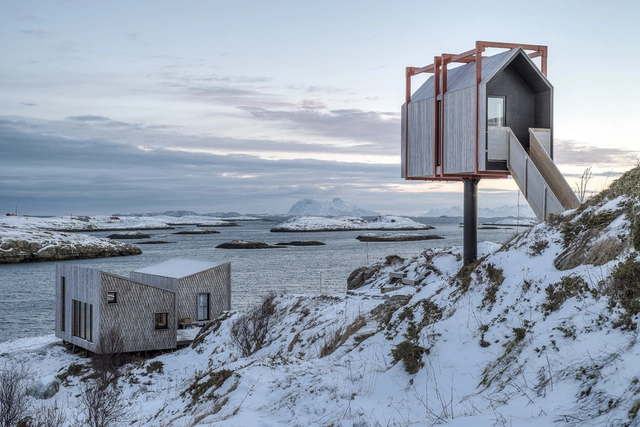
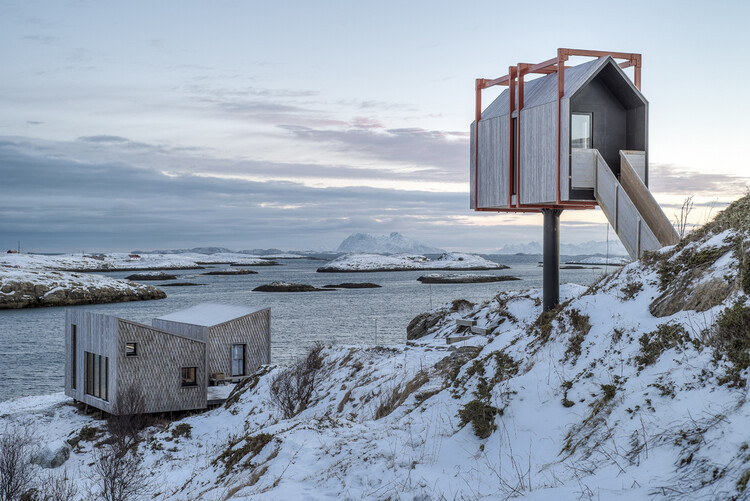
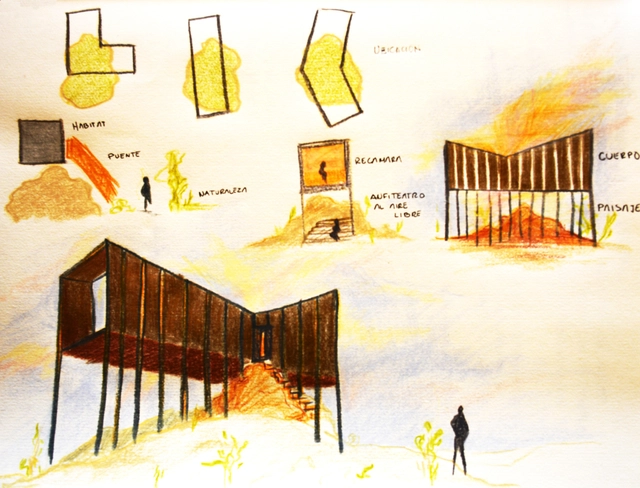
The decision to lift a building off the ground is a technical maneuver that requires substantial planning, expertise, and careful consideration. It is a deliberate architectural response to the site's forces and fragilities. Floodplains, wetlands, and thawing tundra share a common thread: Architects reconcile risk and vulnerability through elevated structures. In this sense, it is a spatial response and a structural necessity.

Rising Above: Environmental Conditions for Elevating Architectural Foundations - Image 1 of 4Rising Above: Environmental Conditions for Elevating Architectural Foundations - Image 2 of 4Rising Above: Environmental Conditions for Elevating Architectural Foundations - Featured ImageRising Above: Environmental Conditions for Elevating Architectural Foundations - Image 3 of 4Rising Above: Environmental Conditions for Elevating Architectural Foundations - More Images+ 11

Transforming Industrial Heritage: Design Strategies for Creating a New Atmosphere in Cultural Spaces

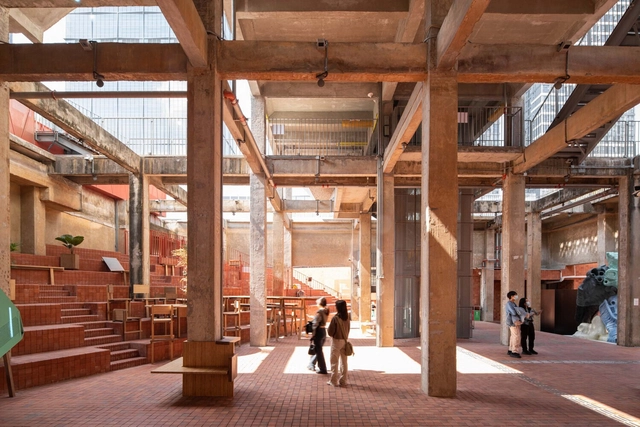
Creating an atmosphere that enhances exhibitions and enriches the visitor and user experience requires a thoughtful balance between preserving a space's unique character and adapting it to meet the needs of artistic and cultural production. The challenge lies in maintaining a building's industrial atmosphere while accommodating the specific requirements of exhibition design or the various uses the new building will require. This delicate task involves careful consideration of spatial layout, material choices, and lighting solutions, all of which play a significant role in shaping the new environment.

Transforming Industrial Heritage: Design Strategies for Creating a New Atmosphere in Cultural Spaces - Image 1 of 4Transforming Industrial Heritage: Design Strategies for Creating a New Atmosphere in Cultural Spaces - Image 2 of 4Transforming Industrial Heritage: Design Strategies for Creating a New Atmosphere in Cultural Spaces - Image 3 of 4Transforming Industrial Heritage: Design Strategies for Creating a New Atmosphere in Cultural Spaces - Image 4 of 4Transforming Industrial Heritage: Design Strategies for Creating a New Atmosphere in Cultural Spaces - More Images+ 18

Reflecting on Architectural Details and Construction Systems in 2024

In 2024, a diverse range of topics have been comprehensively explored, some focusing specifically on architectural details and construction systems. These articles provide valuable insights into architecture's often-overlooked technical and functional aspects. By shifting attention away from aesthetics, materials, and spatial massing, they reveal the importance of intricate details and the construction systems underpinning contemporary projects' larger architectural vision.

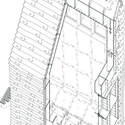
Executing these seemingly small elements is crucial in shaping how architecture is perceived and experienced. Specifying and drawing a thoughtfully designed detail is not dissimilar to determining the correct screw in building a car—its thread count, material, and length—can dramatically influence not only the success of an architectural design but also the quality of the human experience it fosters. Such details, while often dismissed as mundane and may not be the most recognizable features of stellar projects, profoundly impact the cohesiveness and functionality of architectural projects.

Reflecting on Architectural Details and Construction Systems in 2024 - Image 1 of 4Reflecting on Architectural Details and Construction Systems in 2024 - Image 2 of 4Reflecting on Architectural Details and Construction Systems in 2024 - Image 3 of 4Reflecting on Architectural Details and Construction Systems in 2024 - Image 4 of 4Reflecting on Architectural Details and Construction Systems in 2024 - More Images+ 2

Hanif Kara of AKT II Receives 2024 Soane Medal for Pioneering Engineering and Architectural Innovation

Sir John Soane's Museum has announced Hanif Kara, a celebrated structural engineer and co-founder of AKT II, as the recipient of the prestigious 2024 Soane Medal. This marks a historic moment as Kara becomes the first engineer to receive the accolade, traditionally awarded to architects and theorists. The recognition highlights his profound impact on the built environment, particularly through his pioneering approach to interdisciplinary collaboration. Kara will deliver the Soane Medal Lecture at the Royal Academy on November 26.

Hanif Kara of AKT II Receives 2024 Soane Medal for Pioneering Engineering and Architectural Innovation - Image 1 of 4Hanif Kara of AKT II Receives 2024 Soane Medal for Pioneering Engineering and Architectural Innovation - Image 2 of 4Hanif Kara of AKT II Receives 2024 Soane Medal for Pioneering Engineering and Architectural Innovation - Image 3 of 4Hanif Kara of AKT II Receives 2024 Soane Medal for Pioneering Engineering and Architectural Innovation - Image 4 of 4Hanif Kara of AKT II Receives 2024 Soane Medal for Pioneering Engineering and Architectural Innovation - More Images+ 1

What is Over-Providing? A Strategy for Resilient Architecture

Subscriber Access | 

Over-providing traditionally implies offering more than is necessary, often carrying a negative connotation due to the potential for excess and waste. However, could there be scenarios within the built environment where over-providing proves advantageous? The question critically examines how overprovisioning might enhance a building's flexibility and adaptability to diverse and evolving conditions.

The underlying assumption of accurately providing what is needed for a building is that stakeholders—including owners, architects, and designers—can accurately predict and cater to a structure's current and future needs. This assumption, however, is challenging to realize, as societal, economic, and cultural shifts frequently occur in unpredictable ways. In this context, over-providing emerges as a counterintuitive yet potentially beneficial strategy. As buildings and structures inevitably transform, those designed with inherent adaptability reduce the need for costly renovations or complete rebuilds.

What is Over-Providing?  A Strategy for Resilient Architecture - Image 1 of 4What is Over-Providing?  A Strategy for Resilient Architecture - Image 2 of 4What is Over-Providing?  A Strategy for Resilient Architecture - Image 3 of 4What is Over-Providing?  A Strategy for Resilient Architecture - Image 4 of 4What is Over-Providing?  A Strategy for Resilient Architecture - More Images+ 7

The Role of Biomimicry in Disaster-Resilient Architecture

Subscriber Access | 

The terms resiliency and sustainability, although similar in meaning, refer to different design approaches in the context of architecture and cities. Sustainability involves the preservation of natural resources to uphold ecological equilibrium, while resiliency entails the ability to rebound, adapt, and persist in moments of adversity. These concepts greatly influence and complement each other, especially in cases of designing disaster-resilient buildings. Conventional design processes relating to resilient infrastructure have been based on principles of structural robustness and integrity as a measure against anticipated natural disasters. However, sustainable resiliency points at the opportunity of reinforcing buildings by embedding them in biological and ecological systems.

The Role of Biomimicry in Disaster-Resilient Architecture - Image 1 of 4The Role of Biomimicry in Disaster-Resilient Architecture - Image 2 of 4The Role of Biomimicry in Disaster-Resilient Architecture - Image 3 of 4The Role of Biomimicry in Disaster-Resilient Architecture - Image 4 of 4The Role of Biomimicry in Disaster-Resilient Architecture - More Images+ 1

How to Represent Wood in Projects: Fittings, Joints, Schemes

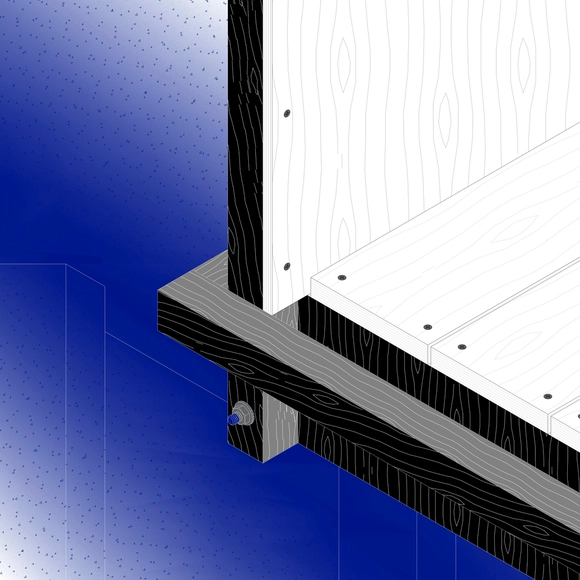
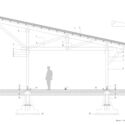
Drawing plays a pivotal role in architectural design as it is the primary means for transforming ideas into tangible spaces. Within wooden architecture, numerous techniques exist for creating joints, and connections, and seamlessly incorporating the material into other structural components. Beyond merely conveying precise details, drawing can also produce instructional guides for construction, simplifying comprehension for the workforce and facilitating project execution. This is why we've curated a collection of diverse projects that exemplify various approaches to depicting the use of wood and its myriad possibilities.

How to Represent Wood in Projects: Fittings, Joints, Schemes - Image 1 of 4How to Represent Wood in Projects: Fittings, Joints, Schemes - Image 2 of 4How to Represent Wood in Projects: Fittings, Joints, Schemes - Image 3 of 4How to Represent Wood in Projects: Fittings, Joints, Schemes - Image 4 of 4How to Represent Wood in Projects: Fittings, Joints, Schemes - More Images+ 41

The Science Behind the Resilience of Earth Architecture

Subscriber Access | 

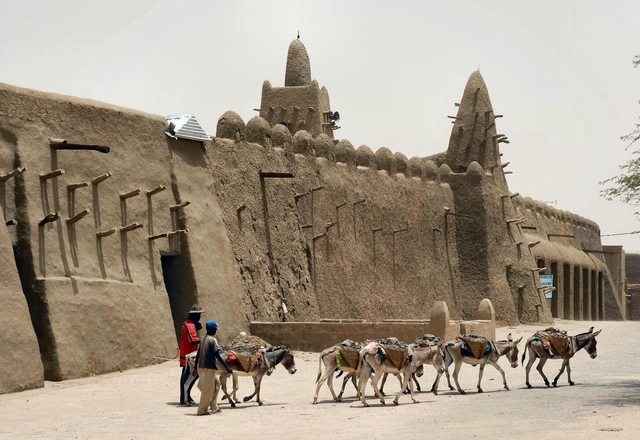
Earth architecture is built on a far-reaching history. Its story continues to be told through aged structures that have stood the test of time. Across the world, indigenous earth construction techniques have been pioneered by many ancient civilizations. Communities originally built shelters from earth - the most readily available material to them - and have passed on their construction techniques through generations. Earth architecture evolved with a careful understanding of land and location. With practices perfected decades ago, it is fascinating to see earth architecture remaining resilient through adversities 

The Science Behind the Resilience of Earth Architecture - Image 1 of 4The Science Behind the Resilience of Earth Architecture - Image 2 of 4The Science Behind the Resilience of Earth Architecture - Image 3 of 4The Science Behind the Resilience of Earth Architecture - Image 4 of 4The Science Behind the Resilience of Earth Architecture - More Images+ 2

From Bio Materials to Load-Bearing Structures: Fungi, Algae and Tree Forks

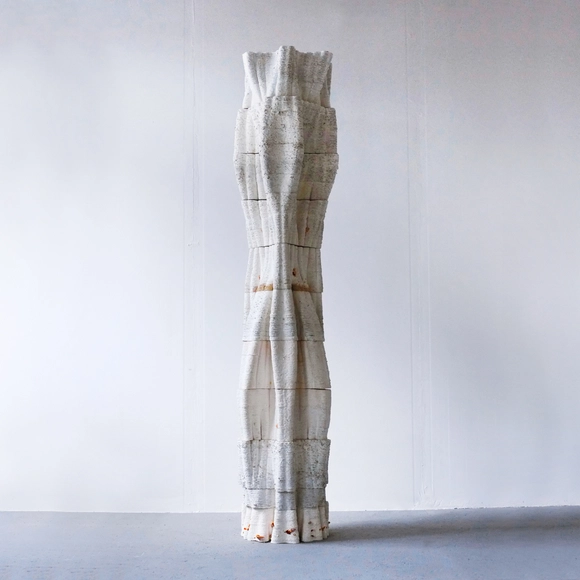
As researcher, designer and MIT professor Caitlin Mueller once said, “The greatest value you can give to a material is to give it a load-bearing role in a structure.” Load-bearing components – foundations, beams, columns, walls, etc. – are designed to resist permanent or variable forces and movements. Similar to the bones of a human body, these support, protect and hold everything together. To fulfill that indispensable function, they must be made from materials with outstanding mechanical properties, which explains the prominence of cement and steel in structures. However, their high performance comes at a high cost: together, they account for 15% of global CO2 emissions. This makes us wonder, is it possible for structural materials to be truly sustainable? We know solutions like greener versions of concrete already exist, but there are many other alternatives to explore. And sometimes, the answer is closer than we expect; in the earth beneath us and the nature that surrounds us.

10 Wooden Stilt Houses that are Lifting Architecture off the Ground

Subscriber Access | 

Stilt houses are houses raised on piles over the surface of the soil or a body of water. Dating back to the Neolithic and the Bronze Ages, a wide variety of raised dwellings have been identified in a variety of forms worldwide, designed with several diverse and innovative methodologies. Stilt houses are well suited to coastal regions and subtropical climates. More than just a distinctive structural design resolution, they also protect against floods, maximize views and allow homeowners to build on rocky, steep, or unstable land. They also serve to keep out animals and vermin, provide ventilation from underneath, and minimize a house’s ecological footprint. 

Mola Structural Kit 3 Launches on Kickstarter

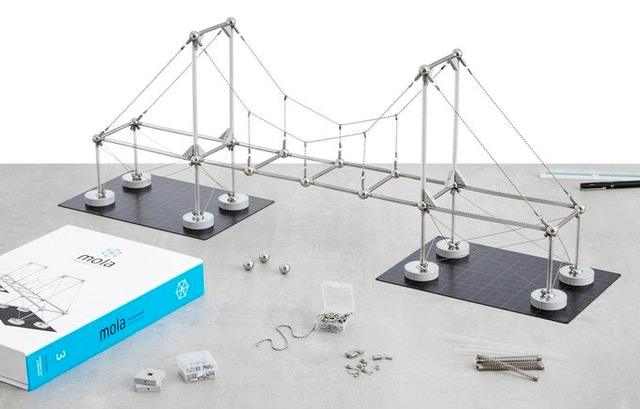
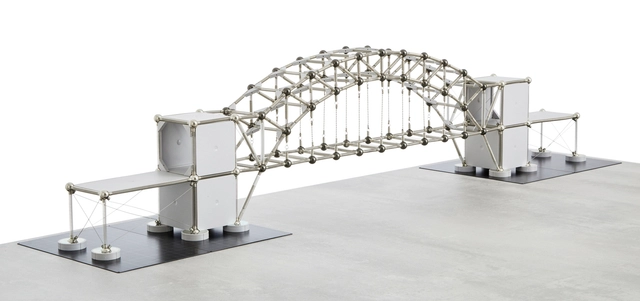
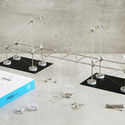
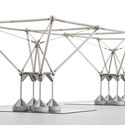
Following the popularity of their first two structural modeling kits, today Mola Model launches their Kickstarter campaign for Mola Structural Kit 3. Mola3 introduces cable structures to the system of hands-on structural learning, integrating seamlessly with the previous two kits. Because the Mola kits are designed as a single modular system, the new kit can be combined with the previous two, all connected via magnets, to model iconic structures like the Sydney Harbor Bridge or London’s Stansted Airport with the help of the bilingual instruction booklet.

A Chance to Win Exclusive Mola Structural Kits with their Accessories

Subscriber Access | 

It is often difficult to detect structures' potential deformations and behaviors with the naked eye, which is why interactive education and model-making have proved to be some of the most beneficial methods of learning about structural design.

To help with the learning of structures in a more playful and intuitive way, Brazilian brand Mola, have developed Mola Structural Kits, a selection of interactive physical models that simulate the behavior of architectural structures and create countless design combinations.

Following the success of the Structural Kits 1 and 2, Mola will be launching the Mola Structural Kit 3 in a Kickstarter campaign in a couple of weeks, and to celebrate, the innovative company has once again teamed up with ArchDaily for another exclusive giveaway, offering 10 of our readers the chance to win a complete structural kit, along with additional accessories.

A Chance to Win Exclusive Mola Structural Kits with their Accessories - Image 2 of 4A Chance to Win Exclusive Mola Structural Kits with their Accessories - Image 1 of 4A Chance to Win Exclusive Mola Structural Kits with their Accessories - Image 3 of 4A Chance to Win Exclusive Mola Structural Kits with their Accessories - Image 4 of 4A Chance to Win Exclusive Mola Structural Kits with their Accessories - More Images+ 2