1. ArchDaily
  2. Stilt Houses

Stilt Houses: The Latest Architecture and News

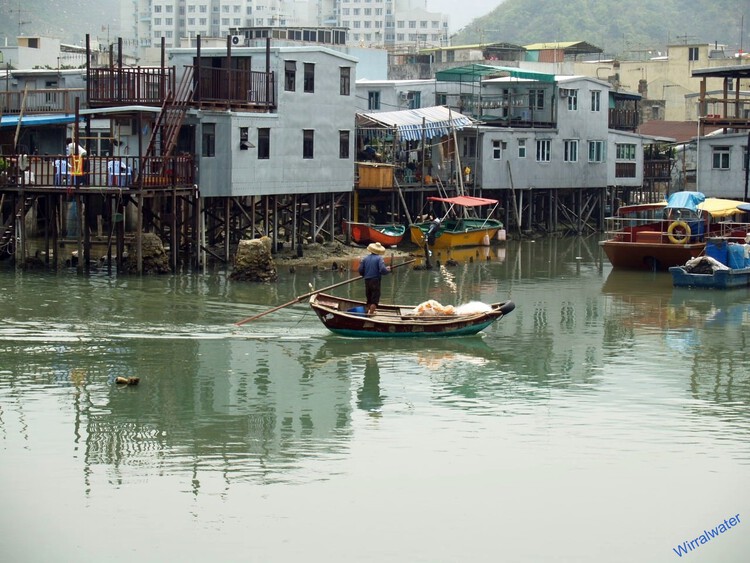
Longevity Through Renewal: The Enduring Wisdom of Hong Kong's Water Villages

While Hong Kong is widely celebrated for its iconic harbor view, glittering skyline, and fast-paced urban lifestyle, its origins tell a different story—one deeply rooted in its relationship with water. Before transforming into a dense, vertical metropolis, Hong Kong's architectural identity was closely tied to its maritime context. Today, the city is often associated with slender, glass-clad towers that symbolize modernity. While visually striking in their pursuit of height and form, many of these buildings appear disconnected from their immediate environment, often overlooking natural site conditions, ecological responsiveness, and contextual sensitivity.

Historically, however, this was not the case. Hong Kong's earliest built environments—rural fishing villages in areas like Tai O, Aberdeen, and Shau Kei Wan—emerged through organic, community-driven spatial practices that engaged closely with their surroundings. These coastal and riverside settlements developed architectural systems tailored to the marine environment and to the rhythms of fishing life. Villages were sited around water, and construction strategies were adapted to fluctuating tides, terrain, and social use.

Longevity Through Renewal: The Enduring Wisdom of Hong Kong's Water Villages - Image 1 of 4Longevity Through Renewal: The Enduring Wisdom of Hong Kong's Water Villages - Image 2 of 4Longevity Through Renewal: The Enduring Wisdom of Hong Kong's Water Villages - Image 3 of 4Longevity Through Renewal: The Enduring Wisdom of Hong Kong's Water Villages - Image 4 of 4Longevity Through Renewal: The Enduring Wisdom of Hong Kong's Water Villages - More Images+ 13

Building Among the Branches: A Showcase of Contemporary Treehouse Architecture

Subscriber Access | 

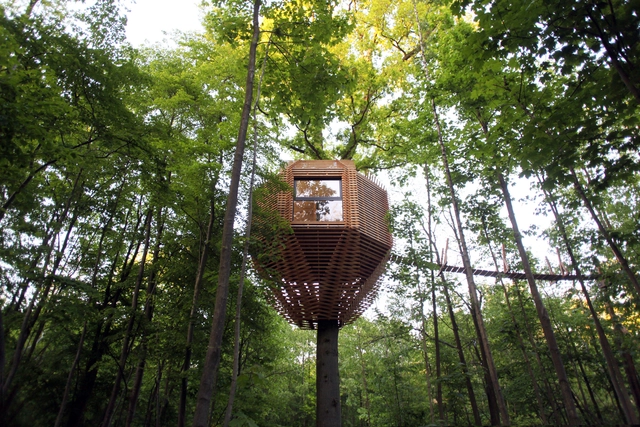
Despite their whimsical appearance, treehouses offer a unique platform for structural innovations and design explorations. Traditional treehouses rely on the trunks of trees for structural support, but, in order to ease the load supported by the tree, contemporary projects often introduce additional systems, such as stilts to maintain the image while offering additional support. One of the key advantages of elevating them in this way is the reduced environmental footprint. Treehouses can be designed to leave the forest floor untouched, preserving small-scale ecosystems. By freeing up the ground below, they minimize disruptions to native flora and fauna, allowing nature to thrive undisturbed. Similarly, many architects use the local topography to create seamless connections, incorporating ramps, stairs, or bridges that integrate with the landscape. These solutions not only improve accessibility but also enhance the overall experience creating an architectural promenade that moves between the treehouse and its surroundings.

"This sensitivity to the environment is reflected not only in the structural design but also in the careful selection of materials. The use of natural materials like wood, also helps the structure blend with its environment. Some designers have gone further by employing alternative materials such as mirrored panels to reflect the surrounding forest and mask the treehouse's presence entirely, demonstrating that the choice of material can contribute to creating a project that feels like an extension of its setting rather than an imposition on it. This collection highlights notable examples from Sweden, Denmark, Indonesia, and France, showcasing their diverse approaches.

Building Among the Branches: A Showcase of Contemporary Treehouse Architecture - Image 1 of 4Building Among the Branches: A Showcase of Contemporary Treehouse Architecture - Image 2 of 4Building Among the Branches: A Showcase of Contemporary Treehouse Architecture - Image 3 of 4Building Among the Branches: A Showcase of Contemporary Treehouse Architecture - Image 4 of 4Building Among the Branches: A Showcase of Contemporary Treehouse Architecture - More Images+ 6

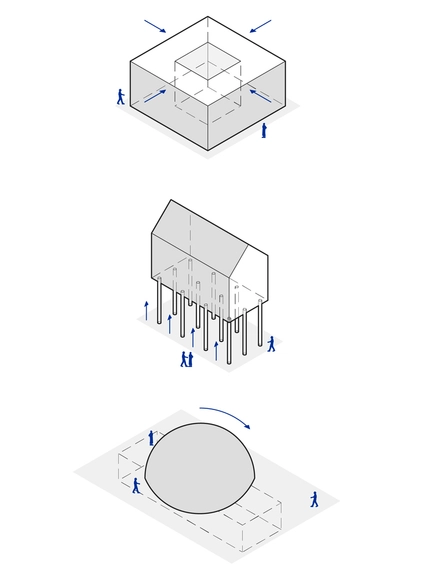
Introspection, Elevation, Covering-Up: Radical Architectural Operations for Adverse Climates

Subscriber Access | 

The flexibility of architecture allows it to continuously change and adjust its form in response to technological progress, social and artistic trends, and the collective experiences we undergo. Large-scale global events, such as the transatlantic migrations of the 19th century, the impact of tuberculosis on design, and most recently, the effects of the last major global health crisis (COVID-19), have all played significant roles in shaping the evolution of architecture.

In the context of the climate crisis, the role of architecture and urbanism has been extensively debated, as it represents one of the greatest challenges of this century. It is undeniable that while there are active efforts through policies and innovation to prevent reaching a point of no return, architecture is already adapting to the changes and extreme conditions caused by it. Rather than thinking of a distant or dystopian future scenario, the gradual changes in climatic conditions have been drivers for modifying, through architectural operations, how we conceive contemporary buildings.

The Floating Village of Ganvie: A Model for Socio-Ecological Urbanism

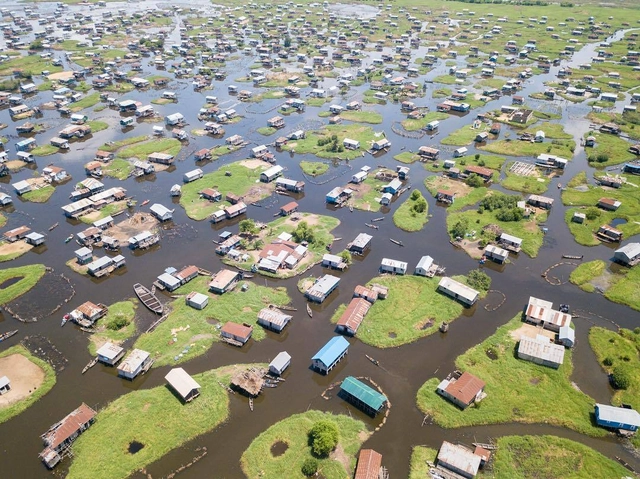
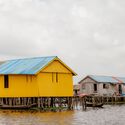
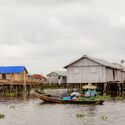
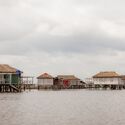
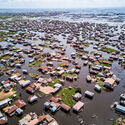
Located in the southern part of Benin-Republic, near the port city of Cotonou, is Ganvie; the largest floating village in Africa. It is situated in the middle of Lake Nokoué and is characterized by colorful wooden stilt houses arranged around artificial islands dating back to the 17th century.

This unique architecture was born from the history of the Tofinu tribe, who built it as a refuge from the slave trade. It has been sustained over time by their communal socio-ecological aquacultural systems and has now become a global tourist attraction for the country. The village was recognized as a world cultural heritage site by UNESCO in 1996, attracting up to 10,000 visitors annually. However, this influx of tourists has impacted the locals and their socio-ecological practices that sustain this water environment. Aquaculture has become increasingly challenging to maintain as the village struggles to retain its economic foundation. Additionally, traditional building practices have given way to modern ones, and the village faces ongoing environmental challenges. Nevertheless, the unique lifestyle of the locals around the water still offers many lessons for the design of prospective floating cities.

The Floating Village of Ganvie: A Model for Socio-Ecological Urbanism - Image 1 of 4The Floating Village of Ganvie: A Model for Socio-Ecological Urbanism - Image 2 of 4The Floating Village of Ganvie: A Model for Socio-Ecological Urbanism - Image 3 of 4The Floating Village of Ganvie: A Model for Socio-Ecological Urbanism - Image 4 of 4The Floating Village of Ganvie: A Model for Socio-Ecological Urbanism - More Images+ 5