The 25th of June 2022, marked 170 years since the birth of Antoni Gaudí, the greatest representative of Catalan Modernism, and we celebrate this day by sharing the story of his life and remembering his work.


The 25th of June 2022, marked 170 years since the birth of Antoni Gaudí, the greatest representative of Catalan Modernism, and we celebrate this day by sharing the story of his life and remembering his work.
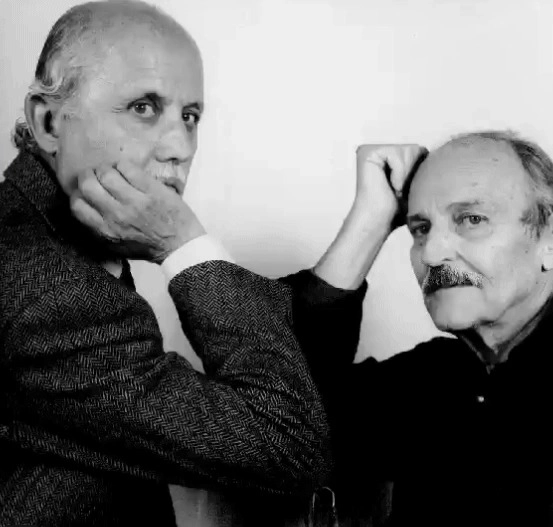
With José Antonio Corrales and Ramón Vázquez Molezún, a situation quite common in Spanish architecture post-1950 is repeated: the lack of international projection of talented architects, largely due to the absence of theory. Apart from that, an intrinsically mysterious and enigmatic character pervades their work, deeply reinforced by the attitude of these architects towards it. They never stopped to explain it. They were never interested in providing it with a theoretical foundation. All this makes it extraordinarily difficult to understand their architecture, leaving many questions unanswered, open only to the interpretation of those who pause to reflect on them.
Corrales and Molezún have collaborated together on numerous projects sine 1952. They were very different people. José Antonio used to define himself as a "more rigorous person", while Ramón was closer to the "gaie", with a lighter, almost romantic touch. Their duo could be incarnated, respectively, as the two lobes of the brain: the left hemisphere, visual, verbal, linear, controlled, dominant, quantitative, etc. in Corrales; while the right, spatial, acoustic, holistic, contemplative, emotional, intuitive ... perhaps more accurately represents Molezún. One more couple to the long history of creation: Don Quixote and Sancho Panza, Sherlock Holmes and Dr. Watson, ...
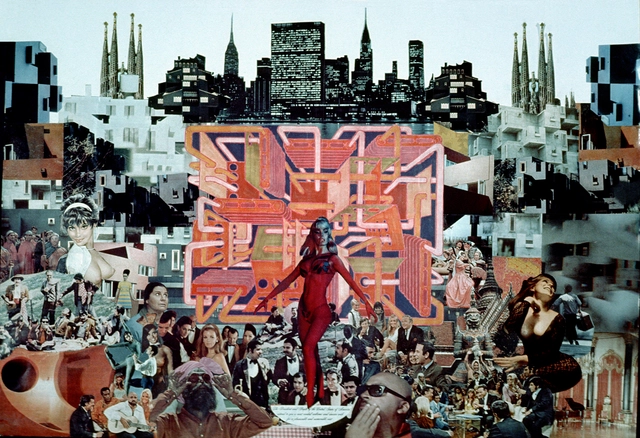
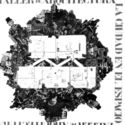
It was 1968 when Ricardo Bofill Architecture Workshop's published a kind of manifesto in reaction to the pressing demands of a society in constant transformation. The idea of the City in Space saw the light of day for the first time and was proclaimed as an absolute architecture, capable of resolving all the complexities of its contemporaneity through a unique open, flexible and three-dimensional model.
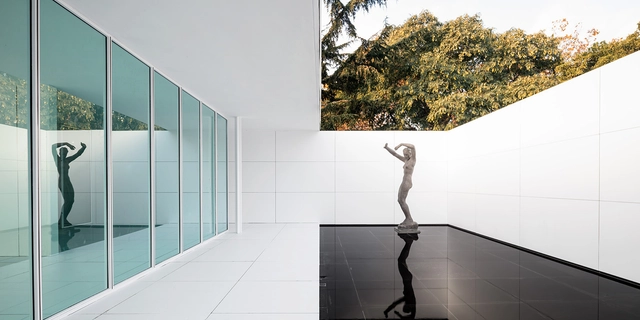
In 1929, Ludwig Mies van der Rohe and Lilly Reich design the German National Pavilion for the 1929 Barcelona International Exhibition. The official reception for the exhibition was held there, presided over by King Alfonso XIII and the German authorities. From then on, the story is well known to everyone. A symbolic work of the Modern Movement, the Pavilion has been extensively studied and interpreted, and has inspired the work of several generations of architects.
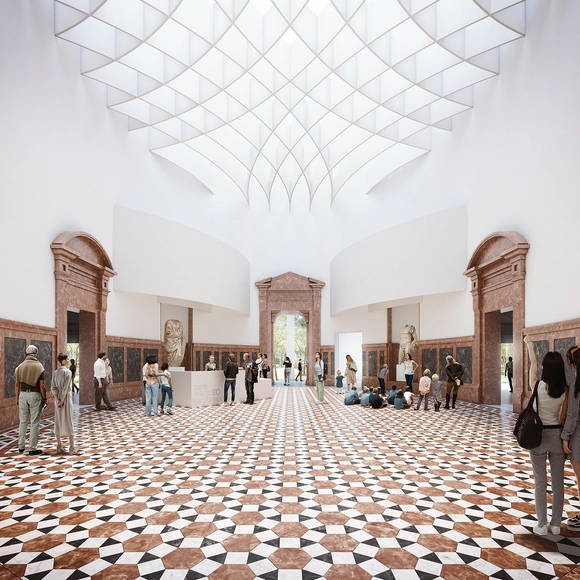
The remodeling project of the Archeological Museum of Seville, Spain, won in a national competition in 2009 by architectural firm Vázquez Consuegra, was finally presented to the authorities on Monday 29th November 2021. The start of the construction is scheduled for 2022 and has a budget of 20 million euros.
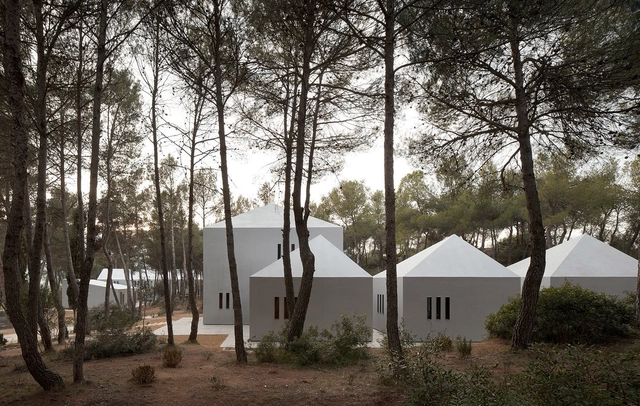
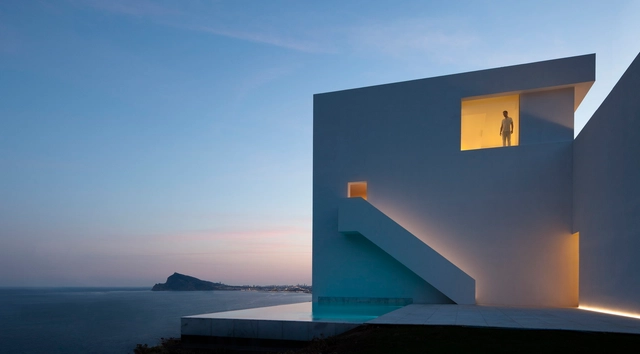
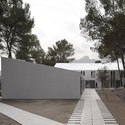
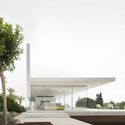
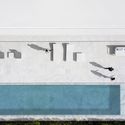
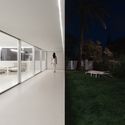
Spanish architect Fran Silvestre is well known for his portfolio of nuanced, clean, and decidedly modern works. Each project is as stunning as the next, the type of home that shows up in Bond films and populates the Pinterest boards of aspiring homeowners.
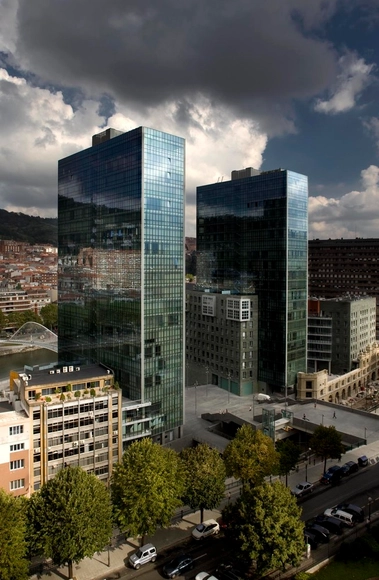
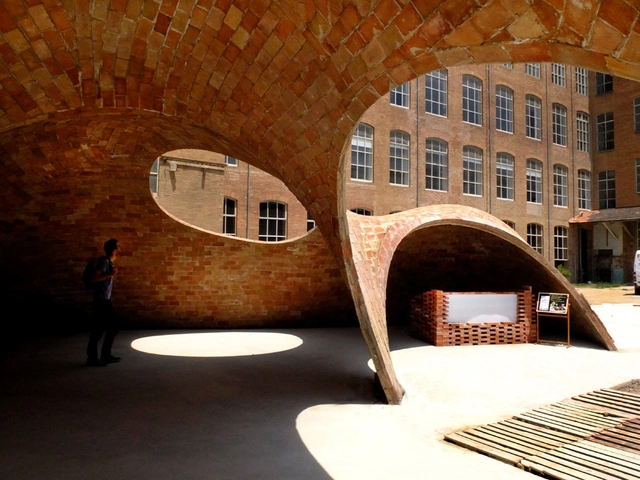
Bricktopia, by the architects of the international collective Map13, is the winning project in the "Build-it" category of the Eme3 International Architecture Festival, held on June 27-30, 2013, in Barcelona. The pavilion can be visited throughout the summer at the square of the former spinning mill Fabra i Coats in the Sant Andreu district.
This intervention sets a new square which can house different activities, both under the pavilion and around it. Public spaces for bathrooms, sun, bar and stage for enjoying the summer 2013. It is a brick domed structure that employs the traditional construction system of a partitioned vault (or "Catalan vault") computed with new digital tools for the structural optimization of the geometry.