1. ArchDaily
  2. Shrinking Cities

Shrinking Cities: The Latest Architecture and News

The Korean Pavilion to Explore Urban Shrinkage Through "Catabolism" at the 2027 Venice Architecture Biennale

Audio available

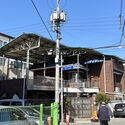
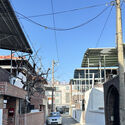
The Korean contribution at the 2027 International Architecture Exhibition – La Biennale di Venezia will focus on the country's condition of hyper-shrinkage, the accelerated stage of population contraction and societal aging, within the context of global demographic change. Commissioned by the Arts Council Korea (ARKO) and led by curator Janghwan Lee, the exhibition will feature contributions by architects Bae Yoonkyung, Kyo Suk Lee and Jaehyub Ko. The curatorial project is named "Catabolism," after the metabolic process through which complex molecules break down into simpler units and release energy. Moving away from an expansion-focused view of cities and architecture, the team uses the concept as a lens to understand urban shrinkage as a reconfiguration of existing relationships and the emergence of new uses and ways of living.

The Korean Pavilion to Explore Urban Shrinkage Through "Catabolism" at the 2027 Venice Architecture Biennale - Imagem 1 de 4The Korean Pavilion to Explore Urban Shrinkage Through "Catabolism" at the 2027 Venice Architecture Biennale - Imagem 2 de 4The Korean Pavilion to Explore Urban Shrinkage Through "Catabolism" at the 2027 Venice Architecture Biennale - Imagem 3 de 4The Korean Pavilion to Explore Urban Shrinkage Through "Catabolism" at the 2027 Venice Architecture Biennale - Imagem 4 de 4The Korean Pavilion to Explore Urban Shrinkage Through Catabolism at the 2027 Venice Architecture Biennale - More Images

Adaptive Reuse as a Strategy for Sustainable Urban Development and Regeneration

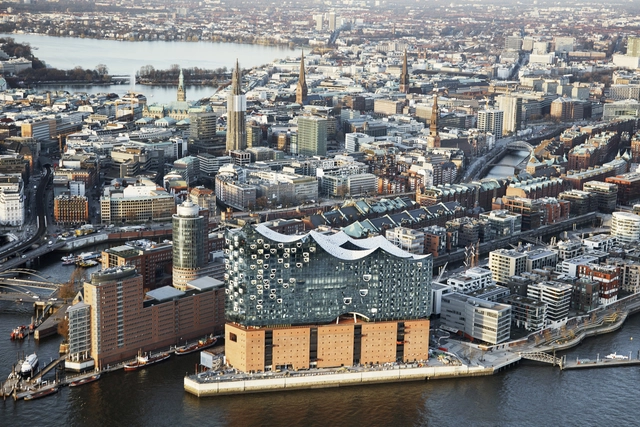
“New ideas must use old buildings,” said Jane Jacobs in her seminal book The Death and Life of Great American Cities, championing the reuse of existing building stock as a means to catalyze positive change and foster diverse urban environments. Inserting new activities within an existing framework is increasingly becoming a defining aspect of contemporary architecture, as the need for sustainable alternatives to building anew turns more urgent. From an urban perspective, adaptive reuse is a valuable strategy for revitalizing post-industrial cities, creating density and mitigating urban sprawl, or helping shrinking cities redefine their urban fabric.

Adaptive Reuse as a Strategy for Sustainable Urban Development and Regeneration - Image 1 of 4Adaptive Reuse as a Strategy for Sustainable Urban Development and Regeneration - Image 2 of 4Adaptive Reuse as a Strategy for Sustainable Urban Development and Regeneration - Image 3 of 4Adaptive Reuse as a Strategy for Sustainable Urban Development and Regeneration - Image 4 of 4Adaptive Reuse as a Strategy for Sustainable Urban Development and Regeneration - More Images+ 3

“Education Is the Movement From Darkness to Light:” the Bulgarian Pavilion at the 2023 Venice Architecture Biennale Explores School Abandonment in the Country

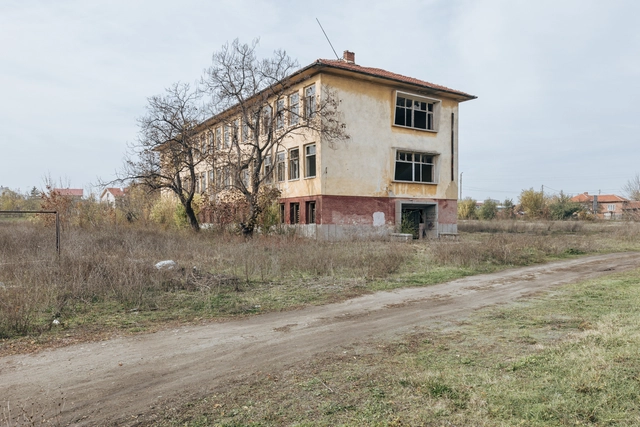
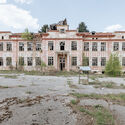
For the 18th International Architecture Exhibition of La Biennale di Venezia, the Bulgarian Pavilion will present the exhibition titled “Education is the movement from darkness to light.” Curators Boris Tikvarski, Bojidara Valkova, and Mariya Gyaurova, joined by Belgian photographer Alexander Dumarey, have chosen to focus the exhibition on the subject of depopulation, urban decline, and rural flight, expressed through the image of abandoned schools present in the country. The project was selected following a national competition organized by The Ministry of Culture, The Chamber of Architects in Bulgaria, and the Union of Architects.

“Education Is the Movement From Darkness to Light:” the Bulgarian Pavilion at the 2023 Venice Architecture Biennale Explores School Abandonment in the Country - Image 1 of 4“Education Is the Movement From Darkness to Light:” the Bulgarian Pavilion at the 2023 Venice Architecture Biennale Explores School Abandonment in the Country - Image 2 of 4“Education Is the Movement From Darkness to Light:” the Bulgarian Pavilion at the 2023 Venice Architecture Biennale Explores School Abandonment in the Country - Image 3 of 4“Education Is the Movement From Darkness to Light:” the Bulgarian Pavilion at the 2023 Venice Architecture Biennale Explores School Abandonment in the Country - Image 4 of 4“Education Is the Movement From Darkness to Light:” the Bulgarian Pavilion at the 2023 Venice Architecture Biennale Explores School Abandonment in the Country - More Images+ 3

Shrinking Cities: The Rise and Fall of Urban Environments

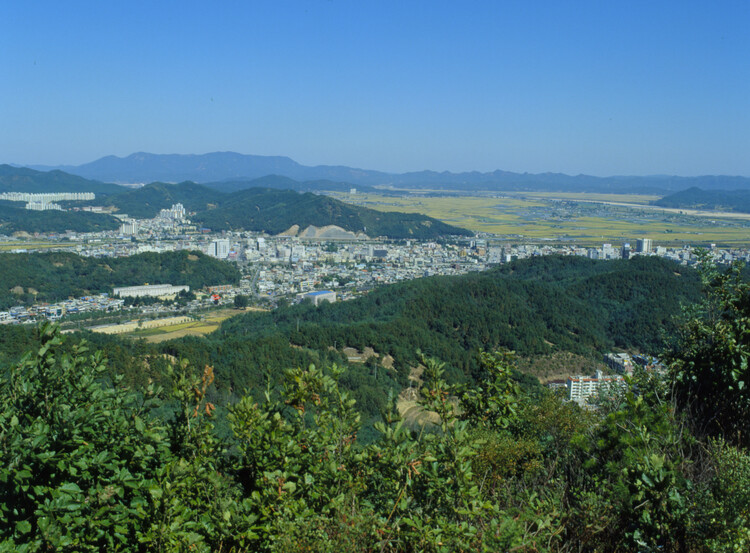
Urban planning is often based on the assumption of ongoing demographic and economic growth, but as some environments face urban shrinkage, a new array of strategies comes into play. The shrinking city phenomenon is a process of urban decline with complex causes ranging from deindustrialization, internal migration, population decline, or depletion of natural resources. Referencing the existing research on the topic, the following showcases approaches to this phenomenon in different urban environments, highlighting the need to develop new urban design frameworks to address the growing challenge.

Shrinking Cities: The Rise and Fall of Urban Environments - Imagen 1 de 4Shrinking Cities: The Rise and Fall of Urban Environments - Imagen 2 de 4Shrinking Cities: The Rise and Fall of Urban Environments - Imagen 3 de 4Shrinking Cities: The Rise and Fall of Urban Environments - Imagen 4 de 4Shrinking Cities: The Rise and Fall of Urban Environments - More Images+ 1