1. ArchDaily
  2. Sesc Pompeia

Sesc Pompeia: The Latest Architecture and News

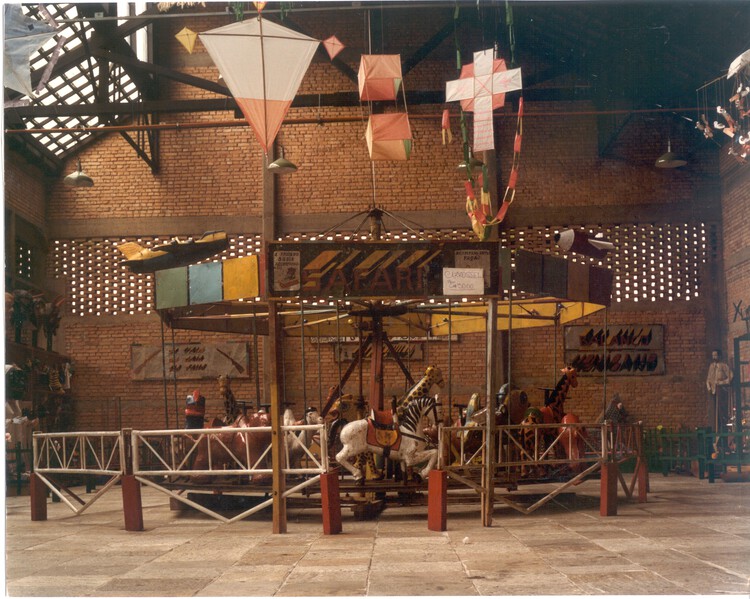
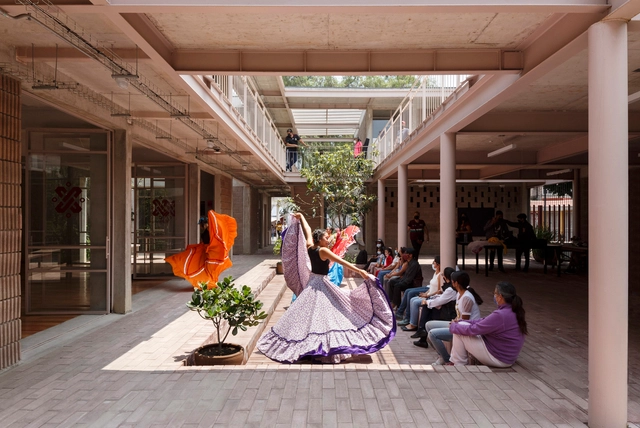
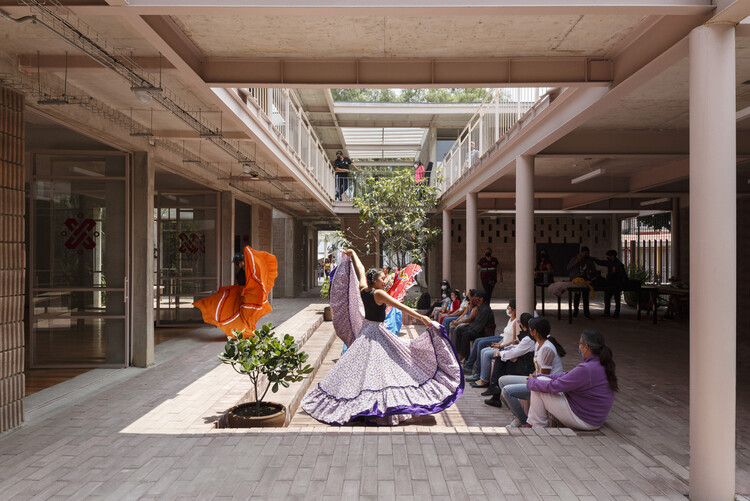
Democratizing Access to Culture: The Past, Present, and Future of Cultural Centers

The cultural center is an architectural typology that has fascinated architects and urban planners for decades. Whether due to its multifaceted program, its often emblematic scale, or its potential to transform the urban context in which it is inserted, it is a building type that carries strong symbolic and conceptual value. The wide circulation of international references—many designed by renowned architects—reinforces the aura of prestige associated with this program, frequently seen as a privileged ground for formal and conceptual experimentation. Not by chance, cultural center designs are among the most recurring themes in competitions, exhibitions, and academic studios.

Yet behind this contemporary fascination lies a complex history in which the notion of space dedicated to culture has been redefined over time, gradually taking the form we recognize today. This ongoing evolution invites us to reflect not only on the historical path of these spaces but also on the possibilities that will shape their future.

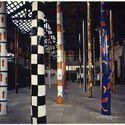
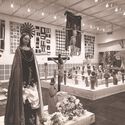
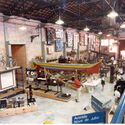
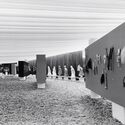
Democratizing Access to Culture: The Past, Present, and Future of Cultural Centers - Image 1 of 4Democratizing Access to Culture: The Past, Present, and Future of Cultural Centers - Image 2 of 4Democratizing Access to Culture: The Past, Present, and Future of Cultural Centers - Image 3 of 4Democratizing Access to Culture: The Past, Present, and Future of Cultural Centers - Image 4 of 4Democratizing Access to Culture: The Past, Present, and Future of Cultural Centers - More Images+ 8

Serious Play: The Subversive Designs of Lina Bo Bardi and Aldo van Eyck

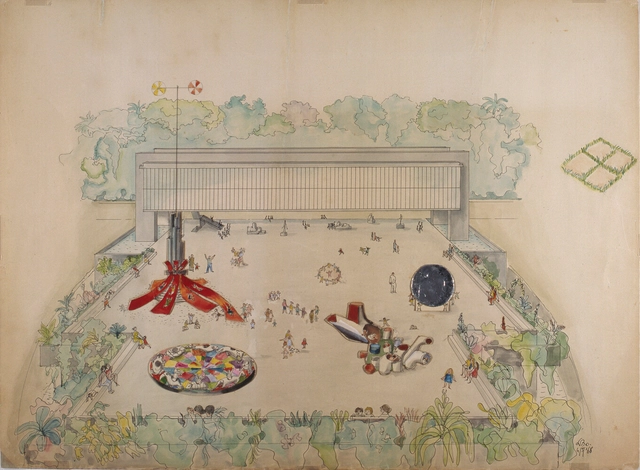
Aldo van Eyck and Lina Bo Bardi were two subversive figures. Their visions of collectivity and playfulness—though applied to very different kinds of structures—shared a common ground: an idea of architecture that goes beyond design. For both, architecture was a living space, animated by appropriation, movement, and exchange. From Dutch playgrounds to thw São Paulo Museum of Art, their ideals intertwined, reinforcing the notion of an architecture where anyone could become a child again.

Serious Play: The Subversive Designs of Lina Bo Bardi and Aldo van Eyck - Image 1 of 4Serious Play: The Subversive Designs of Lina Bo Bardi and Aldo van Eyck - Image 2 of 4Serious Play: The Subversive Designs of Lina Bo Bardi and Aldo van Eyck - Image 3 of 4Serious Play: The Subversive Designs of Lina Bo Bardi and Aldo van Eyck - Image 4 of 4Serious Play: The Subversive Designs of Lina Bo Bardi and Aldo van Eyck - More Images+ 8

Lina's Red: Explore the Use of the Color as Prominent Element in Lina Bo Bardi's Works

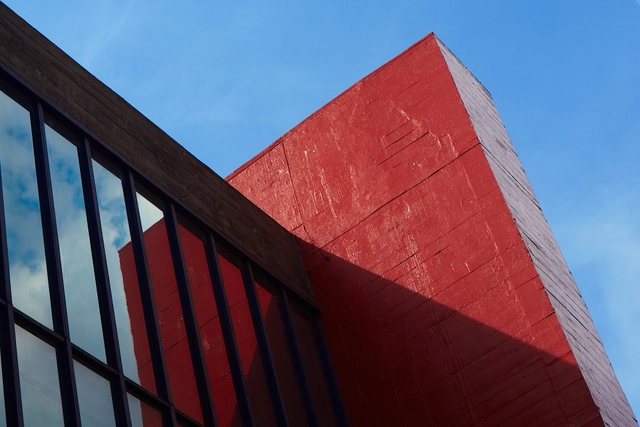
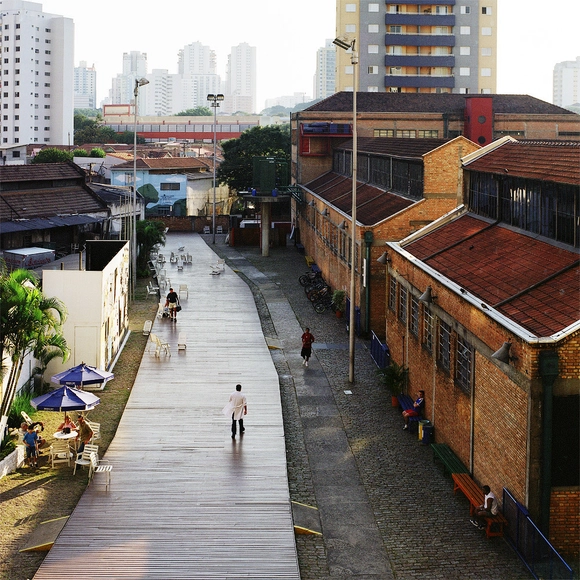
Among the many marks left by architect Lina Bo Bardi in Brazilian architecture is the use of red as a highlight in her works. Whether bringing lightness and vividness to the hardness of São Paulo's concrete at Sesc Pompeia or warming the whiteness of Solar do Unhão in Bahia, red transcended mere visual and aesthetic status to become a distinctive characteristic of the Italo-Brazilian architect, weaving connections between many of her works.

Lina's Red:  Explore the Use of  the Color as Prominent Element in Lina Bo Bardi's Works - Image 1 of 4Lina's Red:  Explore the Use of  the Color as Prominent Element in Lina Bo Bardi's Works - Image 2 of 4Lina's Red:  Explore the Use of  the Color as Prominent Element in Lina Bo Bardi's Works - Image 3 of 4Lina's Red:  Explore the Use of  the Color as Prominent Element in Lina Bo Bardi's Works - Image 4 of 4Lina's Red:  Explore the Use of  the Color as Prominent Element in Lina Bo Bardi's Works - More Images+ 11

Lina Bo Bardi and the Generosity of the Streets

Subscriber Access | 

Projects for public buildings and infrastructure must always ensure the best possible forms of access and connection with the surrounding streets, particularly regarding access routes for pedestrians. However, some architects have managed to overcome the pragmatic aspect of this connection between architecture and the streets, when designing projects that have a strong duty to provide public space, by using this bond as the core of the design concept.

Veronika Kellndorfer, Tropical Modernism: Lina Bo Bardi

Christopher Grimes Gallery is pleased to present a solo exhibition of new works by Veronika Kellndorfer. This body of work stems from her 2015 solo exhibition at the Casa de Vidro in São Paulo, home of celebrated Italian-born Brazilian architect Lina Bo Bardi. During this time Kellndorfer also engaged with the architecture of Oscar Niemeyer and gardens of Roberto Burle Marx, finding their approach to Brazilian Modernism nascent to a new scope of reference.