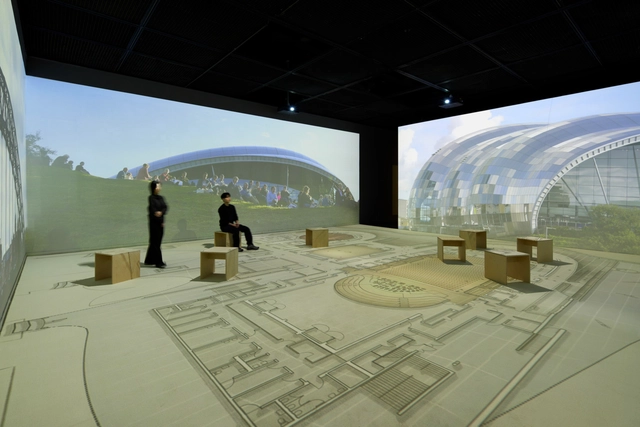
Foster + Partners has debuted their first-ever exhibition in Korea at the Seoul Museum of Art. Marking a significant moment for the studio and its relationship to South Korea, the exhibition “Future Positive” showcases the work of Norman Foster and Foster + Partners to Korean audiences for the first time. On display from April 25th until July 21st, 2024, visitors will have the opportunity to explore the comprehensive showcase of Foster’s architectural journey from 1967 to the present day.
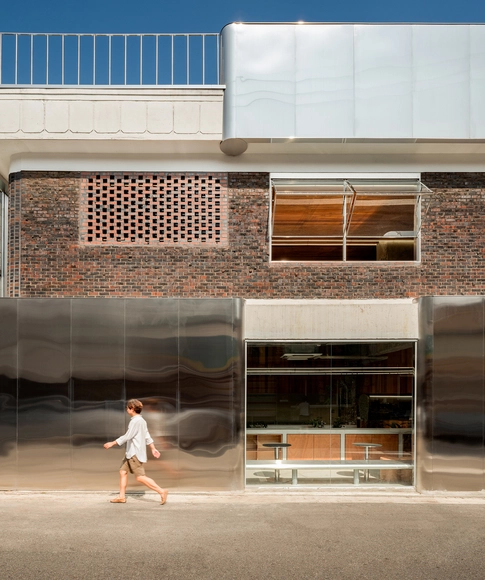
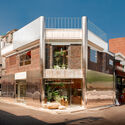
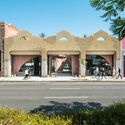
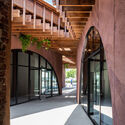
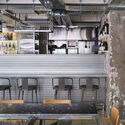
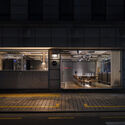
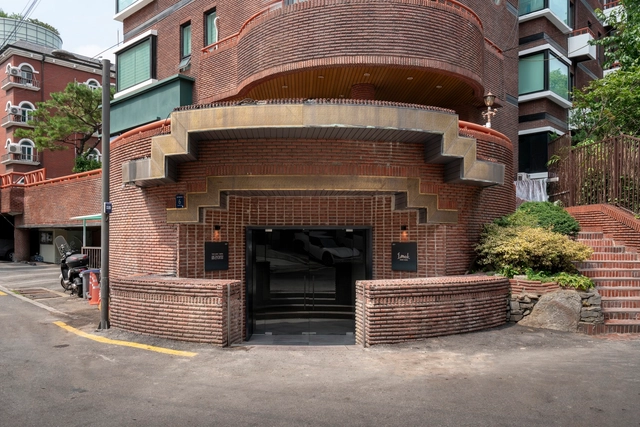
In recent decades, the term "adaptive reuse" has gained tremendous popularity as an eco-friendly construction approach. But what if there was something more poetic about reframing a space and its stories for new users? These architects show that once-deemed disposable facades, walls, and textures can obtain new meaning through bold and clever juxtapositions. These adaptations proudly display their conversions and layers of historical patina under them as a batch of honor and speak to the permanence of buildings and their impermanence in use and interpretation. Through subtle formal moves and daring material choices, they transformed structures that would have been otherwise demolished and reimagined them in new and intriguing ways.
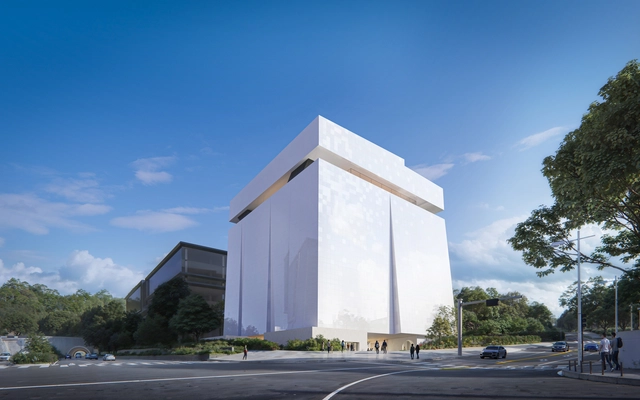
Herzog & de Meuron has revealed the design for the Seoripul Open Art Storage, a collective archive space that will serve three museums in Seoul: the Seoul Museum of Art, the Seoul Museum of Craft Art, and the Seoul Museum of History. Going beyond the archive program, the proposal aims to open up the building to visitors, transforming the art storage into a dynamic civic space. Located on the Eastern Border of Seoripul Park, the building is characterized by a pyramidal glass structure set in a garden that functions as a secluded outdoor space for Archive/Museum visitors.
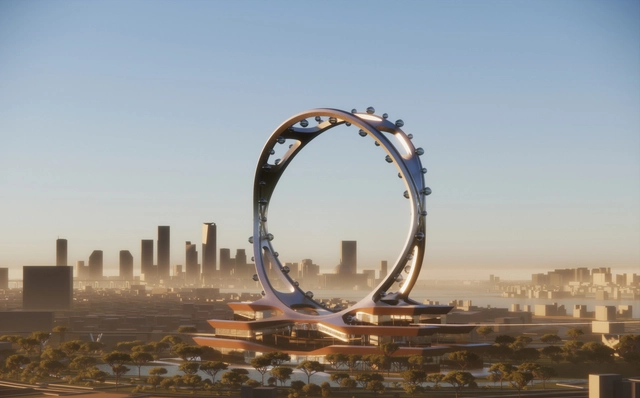
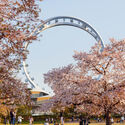
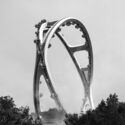
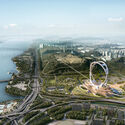
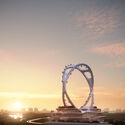
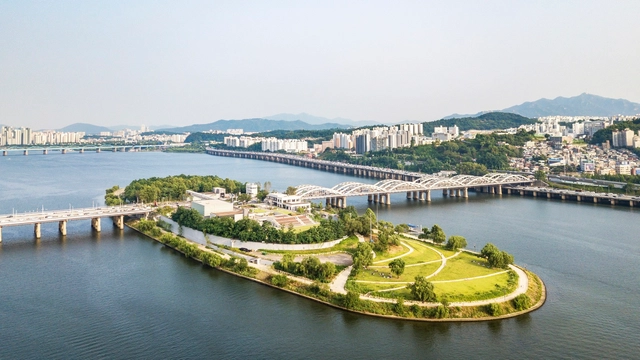
UNStudio, in collaboration with Arup and local firm Heerim Architecture, has unveiled the proposal for the “Peace Park Wheel.” Designed as a landmark at Sangam World Cup Park in Seoul, UNStudio successfully won the preliminary competition and is set to partner with Seoul Housing & Community Corp. The ferris wheel proposal is part of the mayor’s vision: “Han River with a Thousand Sunsets,” aiming to establish numerous public spaces along the Han River for the city’s residents.
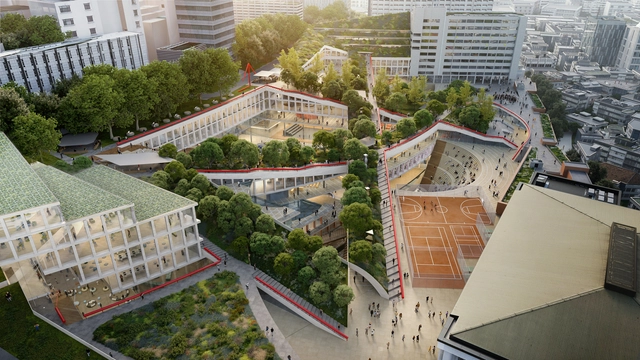
OMA / Chris van Duijn won the competition to design a new campus for Hongik University in Seoul, South Korea. The proposal introduces a cluster of low-rise buildings interconnected by a network of public spaces molded on the existing topography of the site. The design aims to reemphasize the university’s connection to the city and its neighboring areas and to introduce greenery and various open spaces creating a seamless connection between roof terraces, outdoor courtyards, and sunken plazas. The winning proposal was chosen from the entries from established international practices, including SANAA, Herzog & de Meuron, Renzo Piano Building Workshop, and David Chipperfield Architects.
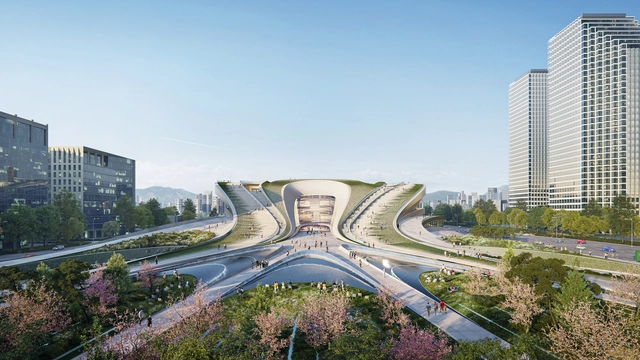
Courtesy of Tegmark | Sejong Cultural Center / ZHA
Zaha Hadid Architects has been shortlisted for their proposal for the 2ndSejongCultural Center. The proposal draws inspiration from the surrounding city’s lengthy history as well as future vision. Connecting Yeouido Park to the Han River, the 2ndSejong Cultural Center is embedded within the park's natural landscapes, aiming to become an integral part of the public function in the city within a natural setting, seamlessly connecting indoor and outdoor spaces.
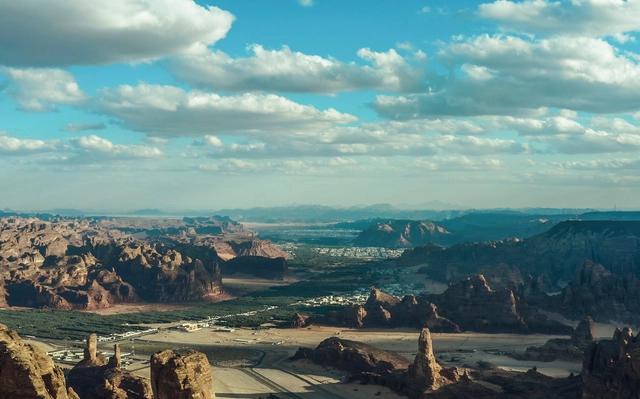
AlUla Oasis. Image Courtesy of Royal Commission of AlUla
The Centre Pompidou is an arts and culture institution that has been present in Paris since the late 1970s. It houses the Public Information Library, the largest museum for modern art in Europe, and a center for musical research. This month, the institution signed a partnership agreement to create a museum of contemporary art in Saudi Arabia with the Royal Commission of AlUla (RCU). Additionally, the establishment signed a similar partnership agreement to develop a modern and contemporary museum in Seoul, South Korea, with the Hanwha Culture Foundation.
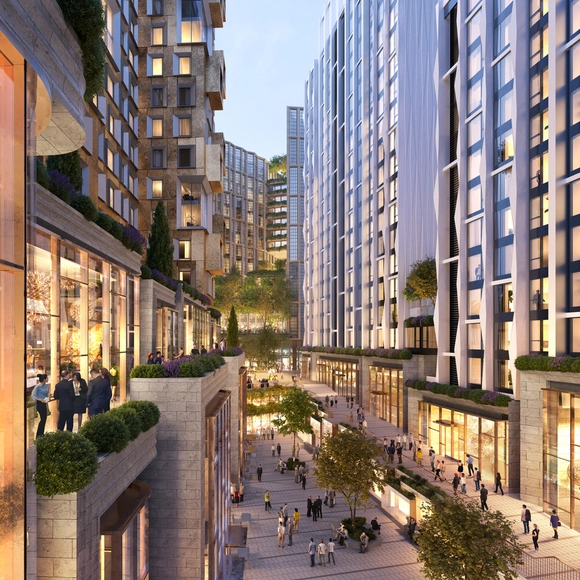
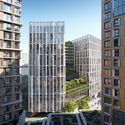
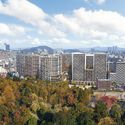
International architecture office KPF has unveiled the design for Parkside Seoul, a new mixed-use neighborhood planned for the South Korean capital designed to complement the surrounding natural elements and pay homage to Yongsan Park. The 482,600 square meter development is composed of a layered exterior envelope that encompasses various programs and public amenities with the purpose of enhancing the residents’ experience of space. Besides the residential units, the complex includes office and retail spaces, and hospitality facilities along with public and green spaces.