

Seoul: The Latest Architecture and News
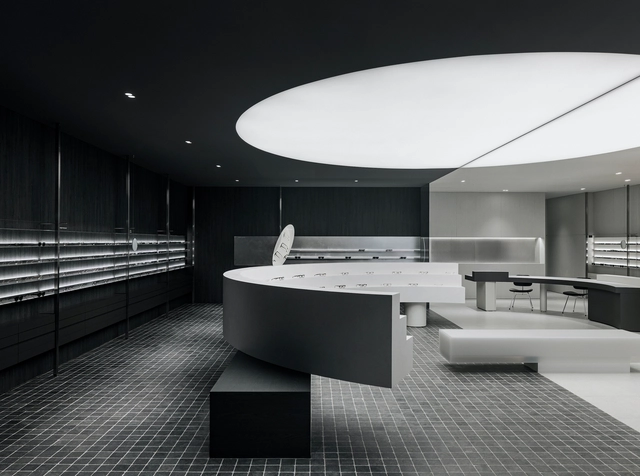
GLASS STAR Eyewear Shop / RVMN




https://www.archdaily.com/1028048/glass-star-eyewear-shop-rvmnValeria Silva
Seoul Biennale, Curated by Thomas Heatherwick, Unveils Citizen-Led Projects to Reimagine Urban Life
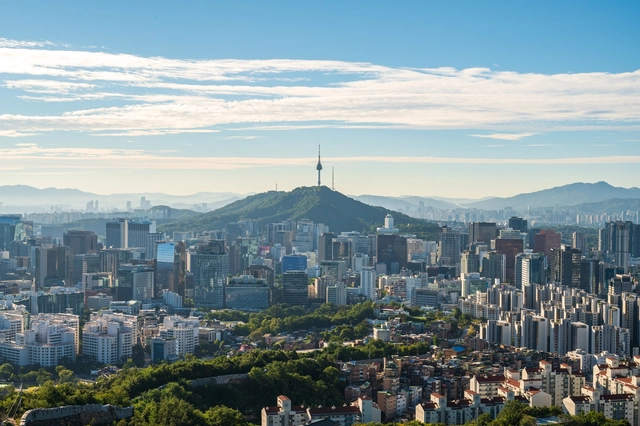
Thomas Heatherwick has been appointed as the General Director and curator of the 2025 Seoul Biennale of Architecture and Urbanism. In its fifth edition, the Seoul Biennale serves as a platform for addressing urban challenges faced by major global cities, fostering innovative solutions and public discussions around architecture and urbanism. As Asia's largest architecture biennale, scheduled to take place from September 1 to October 31, 2025, the exhibition will focus on making cities more joyful, engaging, and radically human-centered. At the heart of this mission is an ambitious public engagement program that directly involves citizens in shaping the Biennale. Through an open call, ten multidisciplinary teams, comprising architects, urban planners, sculptors, community organizers, metalworkers, and textile designers, have been selected to collaborate with local communities. These projects will respond to two central questions: How do buildings make people feel? And how can they be transformed to foster a deeper sense of connection?
https://www.archdaily.com/1017369/heatherwick-studio-selected-as-curator-of-seoul-biennale-of-architecture-and-urbanism-2025Nour Fakharany
Heatherwick Studio Redesigns Coex Convention Centre to Reflect Seoul’s Evolving Identity in South Korea
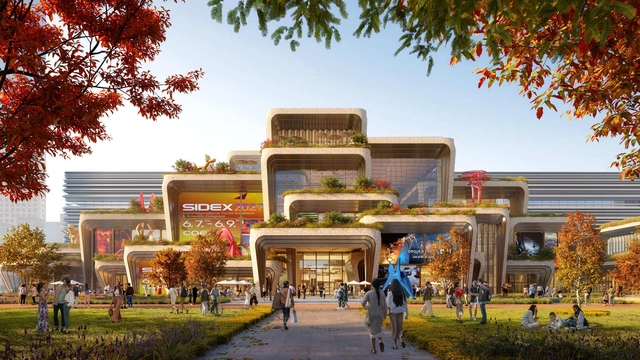
Heatherwick Studio has been selected to lead the redesign of the Coex Convention Centre in Seoul, following a competition aimed at reimagining the building's purpose and facade. In collaboration with the Korea International Trade Association (KITA), the studio's proposal seeks to transform the convention centre into a more open and inviting public space that reflects Seoul's evolving identity.
https://www.archdaily.com/1028083/heatherwick-studio-redesigns-coex-convention-centre-to-reflect-seouls-evolving-identity-in-south-koreaNour Fakharany
The Rise of Co-Living Spaces for Young Professionals in East Asia: 5 Projects Redefining Flexible Living
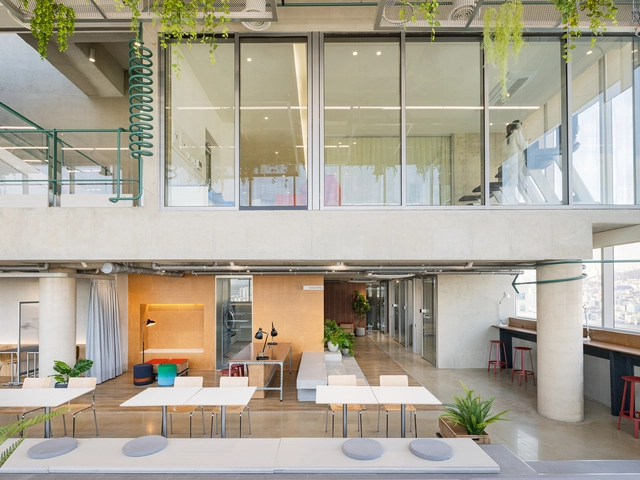
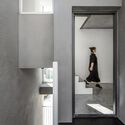
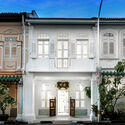
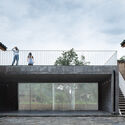
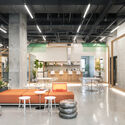
Co-living in East Asia has been rising since 2020, rapidly expanding while remaining in its early stages. At the same time, it continues to fulfill a significant demand from young professionals working in major cities. A 2020 study by real estate services firm JLL highlighted the growing demand for co-living in China and Singapore, citing key advantages such as affordability compared to private studio apartments and a contemporary urban lifestyle that fosters openness and shared experiences. Much like other industries where ownership is becoming less relevant—such as streaming services for music, films, and television, or mobility solutions like car- and bike-sharing—co-living appeals to a similar demographic that values flexibility and access over long-term commitments.
Unlike co-living initiatives in Spain, which often focus on multigenerational shared spaces, East Asian co-living primarily targets young professionals with dynamic career paths. Often required to relocate every few years, these individuals prioritize convenience and adaptability over investing in a permanent home. For them, committing to a long-term residence may not be practical, making fully furnished, professionally managed co-living spaces with built-in amenities and hygiene services an attractive option. These environments cater to fast-paced urban lifestyles, where networking at professional events often precedes solitary downtime at home.

https://www.archdaily.com/1026694/the-rise-of-co-living-spaces-for-young-professionals-in-east-asia-5-projects-redefining-flexible-livingJonathan Yeung
RiverRidge Cafe / KKOL STUDIO


-
Architects: KKOL Studio
- Area: 107 m²
- Year: 2024
https://www.archdaily.com/1026179/riverridge-office-entrance-kkol-studioMiwa Negoro
Seoul Robot & AI Museum / Melike Altınışık Architects
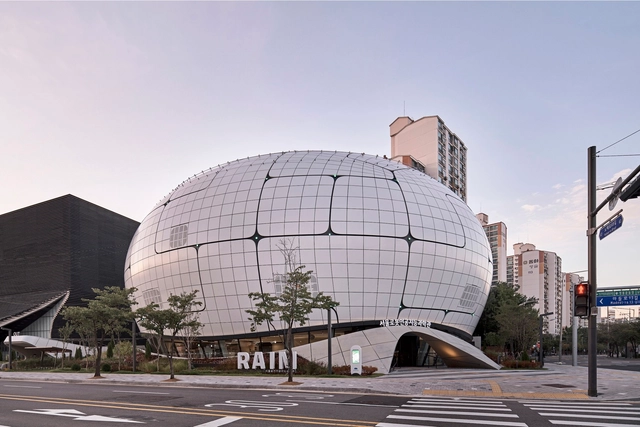


-
Architects: Melike Altınışık Architects
- Area: 7400 m²
- Year: 2024
-
Manufacturers: ELEVATE
https://www.archdaily.com/1022554/seoul-robot-and-ai-museum-melike-altinisik-architectsHana Abdel
Unveiling the 15 Most Significant Architectural Events of 2025
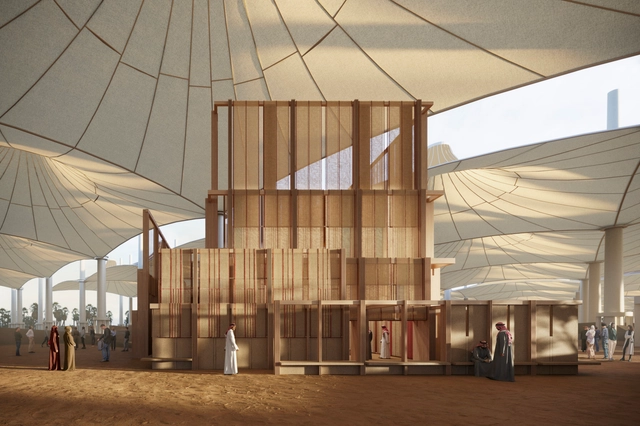
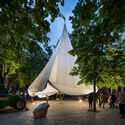
2025 promises to be a landmark in architecture, heralding a vibrant renaissance of creativity and exploration. As societies confront challenges such as climate change, rapid urbanization, and technological evolution, architecture is both a mirror to these dynamics and a compass pointing toward a sustainable and inclusive future. This year's architectural calendar offers abundant opportunities to celebrate the discipline's transformative power — from boundary-pushing festivals to thought-provoking exhibitions that explore pressing cultural and environmental narratives.
From well-established biennials to inaugural gatherings, including the World Architecture Festival 2025, Desert X Al Ula, and the COP Climate Conference, the 2025 calendar highlights themes such as sustainability, heritage, and community. These events underscore architecture's unique ability to shape a better future, addressing global challenges while honoring cultural diversity and design ingenuity.


https://www.archdaily.com/1025820/unveiling-the-15-most-significant-architectural-events-of-2025Diogo Borges Ferreira
From Concrete to Green Canopies: Revitalizing Cities Through Natural Design
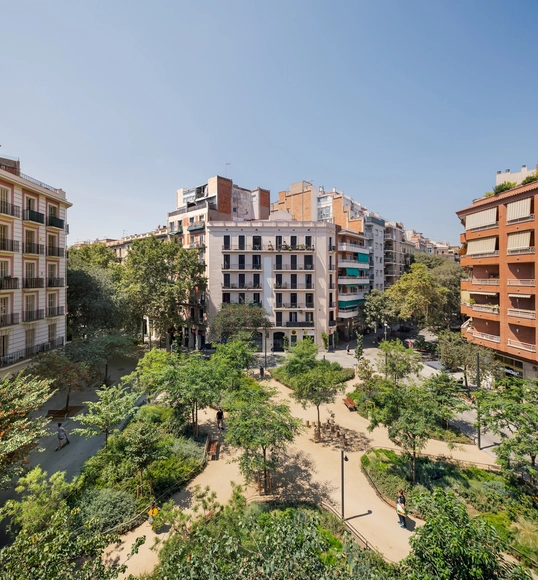
The journey toward renaturalizing urban spaces is an ongoing effort that began as early as the 1970s and continues to shape cities worldwide today. From transforming highways into vibrant parks to restoring waterways and integrating nature into urban planning, these projects reflect a shared commitment to sustainability, livability, and resilience. In Portland, the 1978 creation of Tom McCall Waterfront Park set a pioneering example by replacing a highway with green spaces. Decades later, Boston followed with the Rose Kennedy Greenway, reclaiming land from the elevated Central Artery.


https://www.archdaily.com/1024248/from-concrete-to-green-canopies-revitalizing-cities-through-natural-designMoises Carrasco
Concrete Sandwich Office Building / NOMAL


https://www.archdaily.com/1023993/concrete-sandwich-office-building-nomalMiwa Negoro
From Concept to Object: Studio PRACTICE's Contribution to Korean Architecture’s New Wave
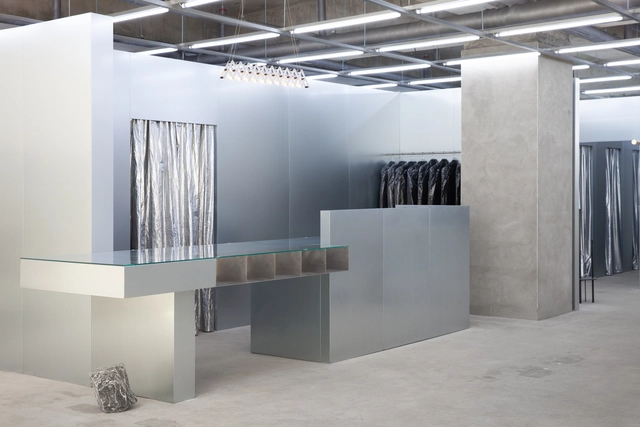
PRACTICE is a Seoul-based studio founded in 2020 by designers Sisan Lee and Sehou Ahn, and one of ArchDaily's 2024 Best New Practices. With backgrounds in architecture and interior design, they explore a wide range of creative fields, from spatial and exhibition design to custom furniture, art objects, and material experimentation, and had been highlighted last year due to their fast design approach which "matches the fast-evolving iterations at the world's bustling hub of fashion and design". The studio brings a unique depth to each project by creating custom-designed elements, furniture, and objects that reflect their diverse creative capacities. Pieces within their projects are crafted from a deep understanding of its purpose and materiality, demonstrating the studio's commitment to thoughtful, integrity-driven design.
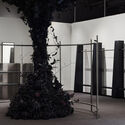
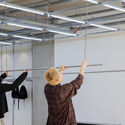
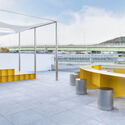

https://www.archdaily.com/1023281/from-concept-to-object-studio-practices-contribution-to-korean-architectures-new-waveValentina Díaz
Foster + Partners Unveils Live-Work Space Designs in Seoul, South Korea
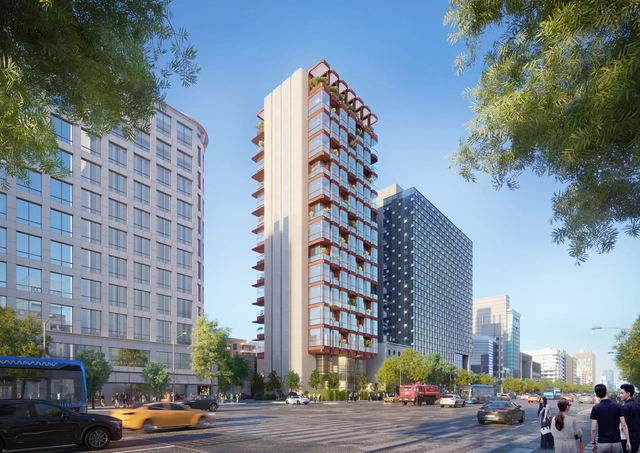
Foster + Partners have just unveiled designs for a new live-work building in Seoul, South Korea, which aims to redefine business hospitality with a personalized approach. This structure is set to accommodate professionals seeking a mixture of work and leisure in an urban environment. With an emphasis on comfort, functionality, and well-being, the building incorporates spaces designed for hosting and entertaining, along with dedicated meeting and negotiation rooms. It also features state-of-the-art wellness facilities, making it a unique setting for both work and relaxation. The project consists of twelve private units, each occupying an entire floor, providing a unique living experience tailored to individual needs.


https://www.archdaily.com/1021932/foster-plus-partners-unveils-live-work-space-designs-in-seoul-south-koreaNour Fakharany
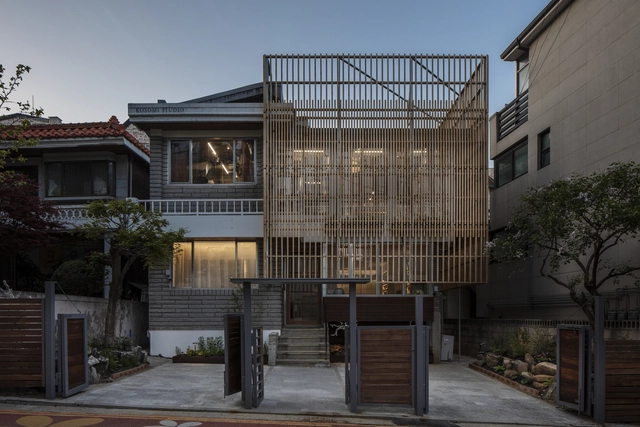
KOSOMI STUDIO / STAY Architects


-
Architects: STAY Architects
- Area: 66 m²
- Year: 2023
-
Professionals: Botanical Studio SAM
https://www.archdaily.com/1021297/kosomi-stay-architectsHana Abdel
Re-Naturalization of Urban Waterways: The Case Study of Cheonggye Stream in Seoul, South Korea
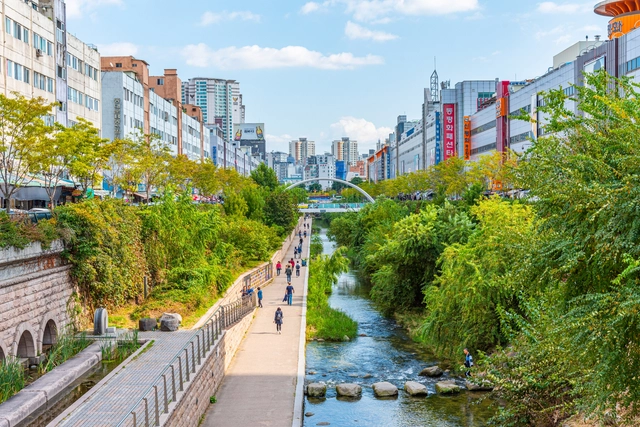
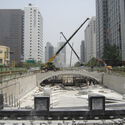
Cheongye Stream, known as Cheonggyecheon (청계천) in Korean, runs eastward through the heart of Seoul, passing through 13 neighborhoods in four districts of the capital of South Korea. Throughout its history, the stream played different roles in the city until it was covered by an elevated highway in the 1970s. For over 30 years, this natural artery remained hidden. It was not until 2003 that the city government launched a restoration project to reintegrate this urban waterway into the city fabric, revitalize the local economy, and revive the area's history and culture. The revitalization efforts were led by Mikyoung Kim Design. Since the project's completion in 2005, it quickly became one of Seoul's most visited tourist attractions. Moreover, it has become a focal point for ample urban research, with many studies offering positive assessments of the impact it had on Seoul's urban, economic, and ecological context.



https://www.archdaily.com/1020945/re-naturalization-of-urban-waterways-the-case-study-of-cheonggye-stream-in-seoul-south-koreaMoises Carrasco
Heatherwick Studio Reimagines Seoul's Hanhwa Shopping Mall in South Korea
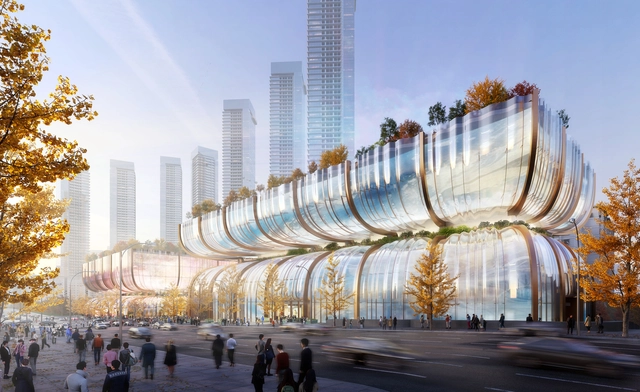
Heatherwick Studio has just announced its design for transforming Seoul’s renowned Hanwha Galleria. Following a competition aimed at reimagining six sites across the South Korean capital, Heatherwick Studio seeks to highlight South Korea’s rising status as a global cultural hub. Featuring two twin hourglass-shaped structures, the proposed design challenge traditionally designed luxury department stores worldwide.
https://www.archdaily.com/1019691/heatherwick-studio-reimagines-seouls-hanhwa-shopping-mall-in-south-koreaNour Fakharany
South Korea’s Longest Art Gallery Bridge and a Brutalist Congress Center in Croatia: 8 Competition-Winning Projects Submitted by the ArchDaily Community
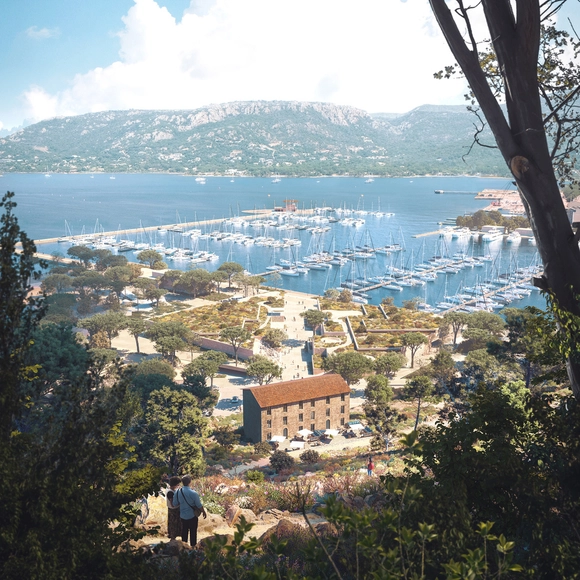
Architectural competitions are valuable learning tools, offering architects a unique opportunity to experiment and expand their creative boundaries. By engaging with real-world challenges and receiving critical feedback, participants gain practical experience and a deeper understanding of the profession. Whether conceptual or not, competitions foster innovation, encouraging design professionals to think outside the. This week's curated selection showcases winning competition entries submitted by the ArchDaily community, providing architects and architecture students with new perspectives and inspiration for their own practice, be it diploma projects, professional licensing, or commissions.
From an immersive urban park in Seoul, South Korea, to a rural education campus in the Amazon, or a reimagined port in Corsica, this selection highlights projects that have stood out in competitions from around the world. While some of the proposals have been developed by established firms, including KAAN Architecten, ArchiWorkshop, Studio Akkerhuis, or Richez Associés, these competitions have also proven to be an opportunity for emerging designers to showcase their creativity and problem-solving abilities


https://www.archdaily.com/1018189/south-koreas-longest-art-gallery-bridge-and-a-brutalist-congress-center-in-croatia-8-competition-winning-projects-submitted-by-the-archdaily-communityMaria-Cristina Florian
Heatherwick Studio Wins Competition to Reimagine Seoul’s Nodeul Island in South Korea
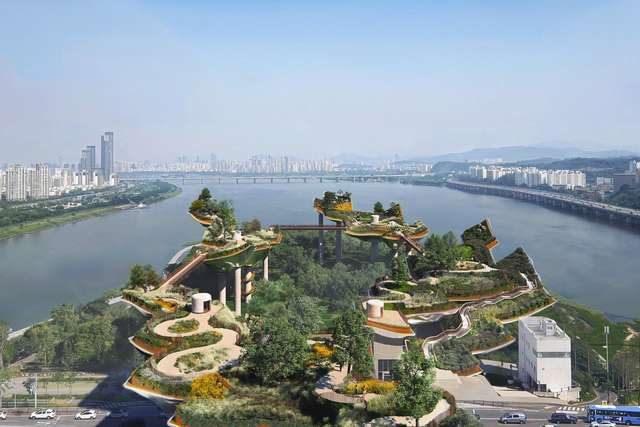
Heatherwick Studio has just won the global competition to transform Seoul’s uninhabited Nodeul Island on the Han River into a lively public park. Titled “Soundscape,” the winning project “creates a trail of dramatic spaces on different levels that can host musical performances and artistic interventions.” Situated within a green and biodiverse landscape, the design echoes Seoul's mountainous terrain and the patterns of sound waves.
https://www.archdaily.com/1017205/heatherwick-studio-wins-competition-to-reimagine-seouls-nodeul-island-in-south-koreaNour Fakharany
J. Mayer H. Architects Wins Competition to Design Water-Inspired "Cheongdam Tower" in Seoul, South Korea
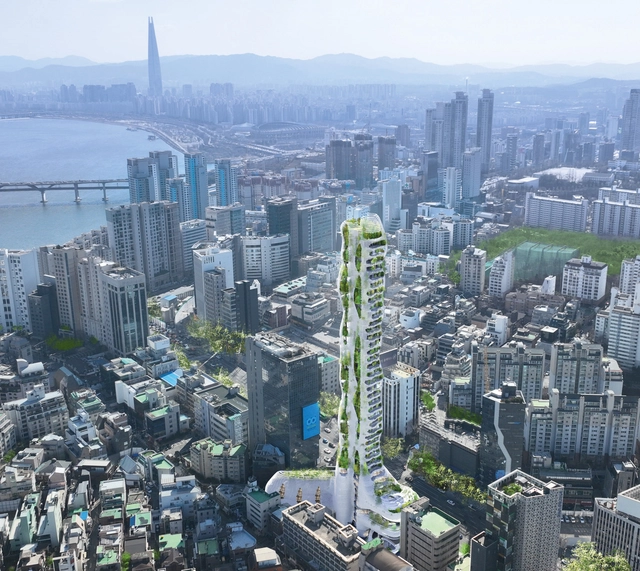
J. Mayer H. Architects has just won the competition for their “Cheongdoam Tower” design in Seoul. As part of the Seoul City Urban/Architecture Creation/Innovation Design Project contest, the competition was initiated by the city of Seoul, aiming to enhance urban qualities and improve the quality of life for residents. Chosen from numerous submissions and six shortlisted projects, Cheongdam Tower emerged victorious.


https://www.archdaily.com/1016951/j-mayer-h-architects-wins-competition-to-design-water-inspired-cheongdam-tower-in-seoul-south-koreaNour Fakharany
Minsuk Cho of Mass Studies Reveals New Details for the 23rd Serpentine Pavilion
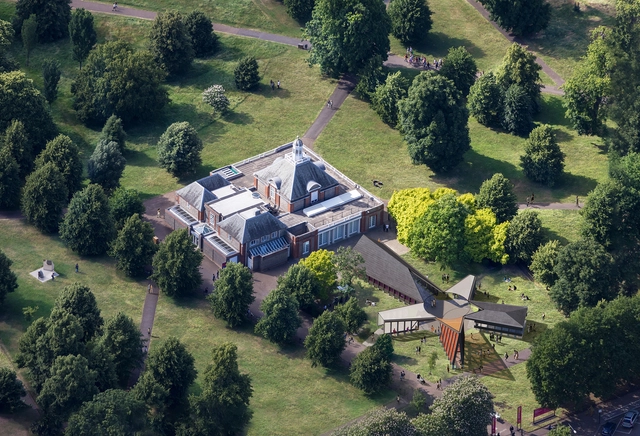
Seoul-based Korean architect Minsuk Cho and his firm Mass Studies have been selected to design the 23rd Serpentine Pavilion, to open on June 5, 2024, in London’s Kensington Gardens. Titled “Archipelagic Void,” this iteration of the iconic commission will consist of five ‘islands’ displayed around an open space, breaking down the structure into a series of smaller elements intertwined with the park’s natural ecology. The pavilion will be open to the public from June 7, until October 27, 2024, with a press preview two days before the opening.
https://www.archdaily.com/1012496/serpentine-announces-korean-office-mass-studies-as-the-designer-of-the-23rd-pavilionMaria-Cristina Florian