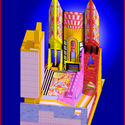
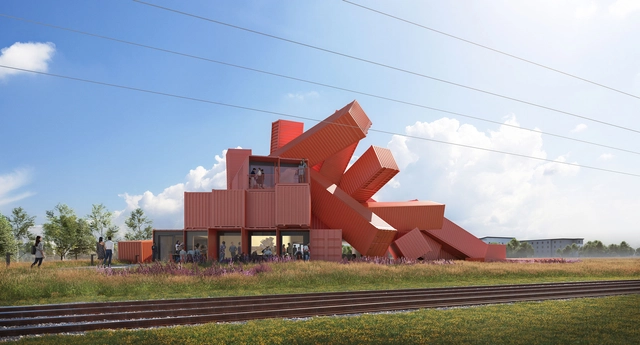
The showpiece of a planned new development at Edinburgh Park will be UK-artist David Mach’s first-ever building, named “Mach 1” by the project’s developers and investors, Parabola. Working with Stirling Prize-nominated architects Dixon Jones, Mach’s building will be created from over 30 shipping containers - but not in the modular, linear method to which shipping container buildings typically lend themselves. Instead its sculptural shape is meant to draw attention to the new quarter and catch the public’s eye, especially those traveling by on the nearby tram.
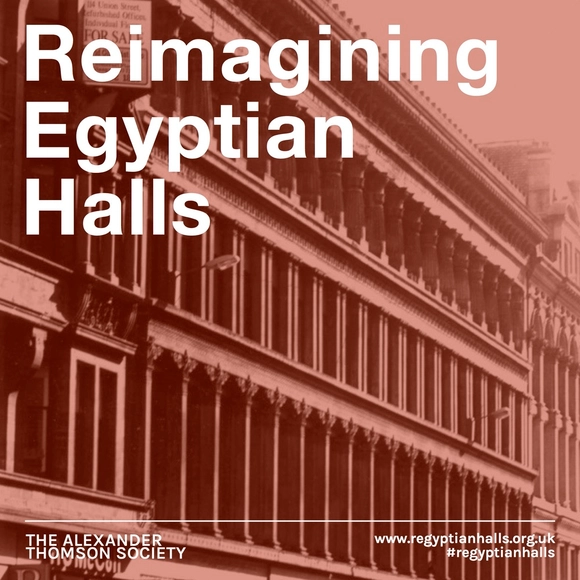
The objective of the completion is to invite innovative, imaginative and purposeful design solutions for the reuse of the A-listed Egyptian Halls, a warehouse building completed in 1872 on Union Street, Glasgow by the celebrated, nineteenth-century architect Alexander Thomson (1817-1875).
Videos
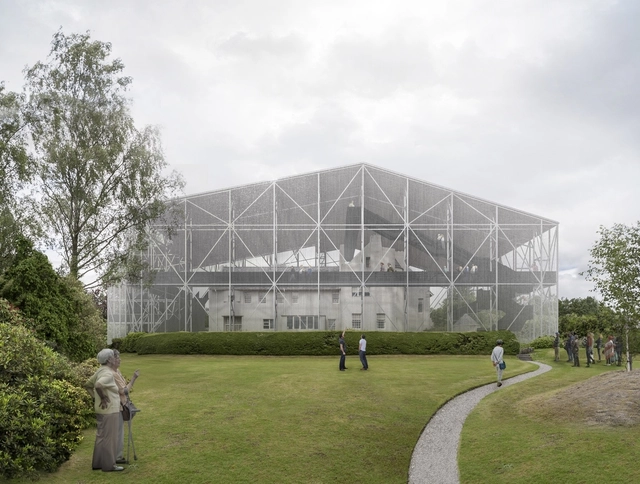
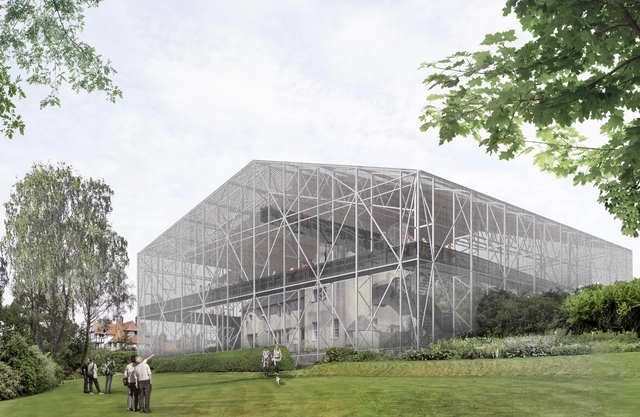
The Box for Hill House. Image Courtesy of Carmody Groarke
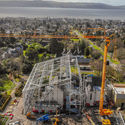
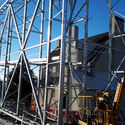
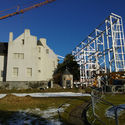
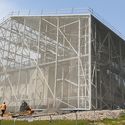
London-based firm Carmody Groarke and the National Trust for Scotland have celebrated the public launch and debut of The Box in Helensburgh. Designed for the Hill House by Scottish architect Charles Rennie Mackintosh, the project was made to conserve one of Scotland’s most important buildings. First announced in late 2017, the endeavor aims to preserve the building and its iconic facade from extensive moisture damage.
The temporary pavilion will cover Charles Rennie Mackintosh's Hill House for preservation work. Image Courtesy of Carmody Groarke
London-based firm Carmody Groarke and the National Trust for Scotland have announced plans for a major project to conserve one of Scotland’s most important buildings: the Hill House in Helensburgh, designed by Scottish architect Charles Rennie Mackintosh.
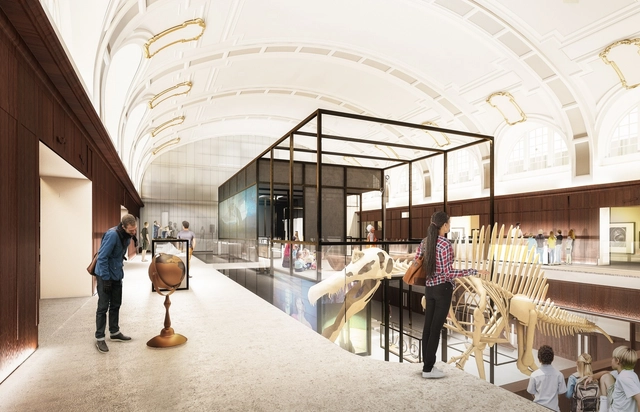
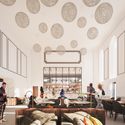
Mecanoo has been selected to design the renovation of the historically landmarked Perth City Hall in Scotland, transforming the building into a new cultural facility through a series of sensitive interventions and a reimagined space flow. Envisioned as a new gateway to Perth, the scheme will pull from the city’s history and culture to create a place that is accessible to all.
The team led by US-based architects wHY has been selected as the winner of the Ross Pavilion International Design Competition, beating out proposals from Adjaye Associates, BIG, Flanagan Lawrence, Page\Park Architects, Reiulf Ramstad Arkitekter and William Matthews Associates + Sou Fujimoto Architects.
Featuring an international collaboration of architects, engineers and creative agencies – including Edinburgh-based design studio GRAS, Groves-Raines Architects, Arup, Studio Yann Kersalé, O Street, Stuco, Creative Concern, Noel Kingsbury, Atelier Ten and Lawrence Barth – the team envisioned a rolling terrain for the West Princes Street Gardens site that the jury lauded as both exciting and respectful of its historic setting.
Sam Jacob, Beatrice Galilee and Cath Slessor explore and discuss the infrastructural state of architecture in a world context.
Architecture occurs within a multiplicity of varying contexts, arrangements and expressions. It can be deployed for the greater good and harnessed for singular enrichment. It can be activated to induce joy and utilised to encourage fear. It can be programmed to provide the infrastructural genesis of further activity and applied as final conclusive decoration.
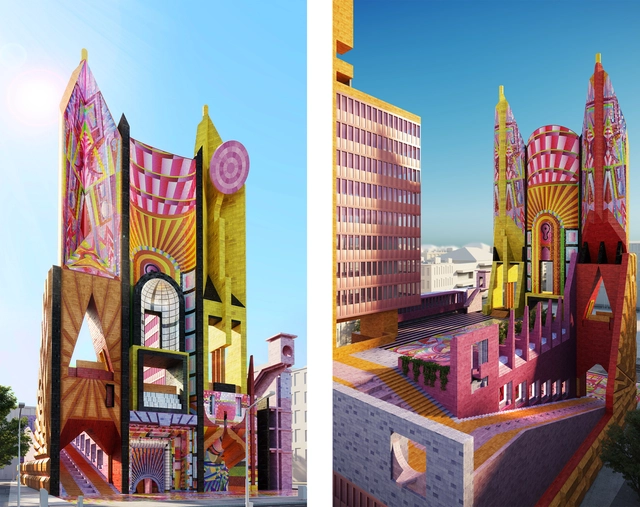
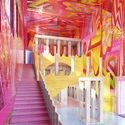
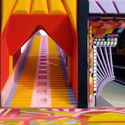
Civic buildings are, as a rule, both austere and intimidating. They are often designed to represent authority above all, taking cues from Classical architectural language to construct an image of power, dominance, and civic unity. Adam Nathaniel Furman, a London-based architect and thinker, has at once eschewed and reengaged this typology in order to propose an entirely new type of civic center ("Town Hall") for British cities. The proposal, which was commissioned by the 2017 Scottish Architectural Fringe as part of a New Typologies exhibition in which architects are imagining "how our shared civic infrastructure will exist in the future, if at all", is currently on display in Glasgow.
By "re-grouping various civic functions into one visually symbolic composition of architectural forms," references and types of ornament and allusions have been configured "depending on the metropolitan area within which it is situated in and embodies." In short, Furman states, the Democratic Monument "is an expression of urban pride, chromatic joy, and architectural complexity" which has universal symbolism but remains a beacon to its vicinity.










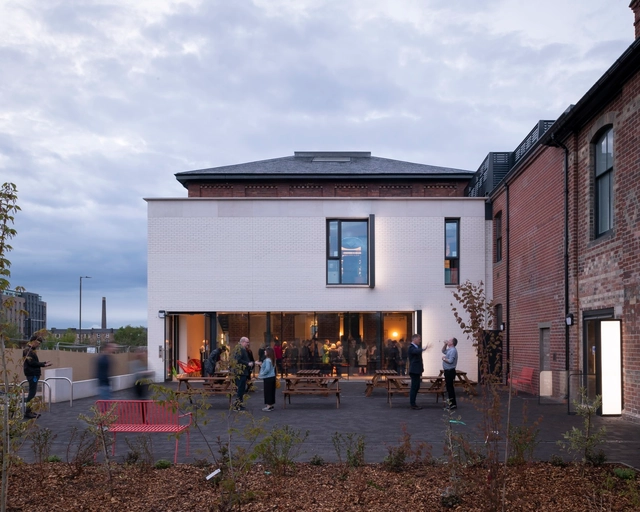
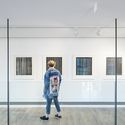
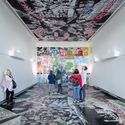
_David_Cadzow_4.jpg?1581282682)
_David_Cadzow_4.jpg?1581282682 "© David Cadzow")
_David_Cadzow_9.jpg?1581282843 "© David Cadzow")
_David_Cadzow_4_copy.jpg?1581299302 "© David Cadzow")
_David_Cadzow_1.jpg?1581282220 "© David Cadzow")
_David_Cadzow_4_copy.jpg?1581299302)













_wHY.jpg?1501596121&format=webp&width=640&height=580)
_wHY.jpg?1501596093 "© wHY")
_Malcolm_Reading_Consultants_and_wHY.jpg?1501595222 "© wHY")
_wHY.jpg?1501596107 "© wHY")
.jpg?1501596070 "© wHY")
_wHY.jpg?1501596121)