1. ArchDaily
  2. Roger Taillibert

Roger Taillibert: The Latest Architecture and News

Montreal Architecture City Guide: 15 Historic and Contemporary Landmarks in Canada’s Cultural Capital

Subscriber Access | 

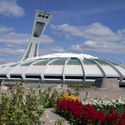
Montreal, located along the Saint Laurent River in Southern Quebec, is Canada’s second-largest city. Often renowned for its architectural diversity, its built environment reflects both its colonial past and modern evolution. As a former territory of "Nouvelle France," French language and culture remain dominant, which has in turn influenced the city's architectural character. Notably, Old Montreal features well-preserved buildings from the 18th and 19th centuries, most of which are a testament to the city’s industrial growth after the construction of the Lachine Canal. The area's heritage has been protected and restored through efforts by figures like Phyllis Lambert and organizations such as Heritage Montreal, allowing the city’s rich architectural history to coexist with its modern developments.

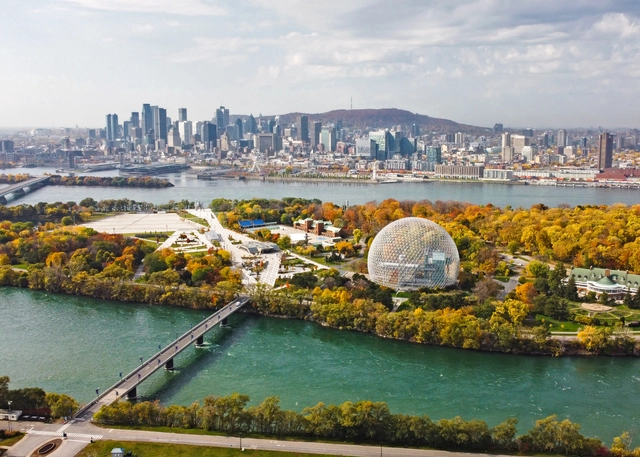
Montreal's multiculturalism is evident in neighborhoods like Little Italy and Little Portugal, with its diversity fueling a vibrant cultural scene. The city hosts a multitude of festivals every year, many held in open-air venues like Place des Festivals. Parc Jean-Drapeau, built for the 1967 World Expo, is another popular spot for large events while offering stunning views of the city skyline. Another relevant site is Mont Royal Hill, a park offering panoramic views of downtown and access to hiking trails, Saint Joseph’s Oratory, Beaver’s Lake, and other areas of architectural interest such as the Plateau.

Montreal Architecture City Guide: 15 Historic and Contemporary Landmarks in Canada’s Cultural Capital - Image 1 of 4Montreal Architecture City Guide: 15 Historic and Contemporary Landmarks in Canada’s Cultural Capital - Image 2 of 4Montreal Architecture City Guide: 15 Historic and Contemporary Landmarks in Canada’s Cultural Capital - Image 3 of 4Montreal Architecture City Guide: 15 Historic and Contemporary Landmarks in Canada’s Cultural Capital - Image 4 of 4Montreal Architecture City Guide: 15 Historic and Contemporary Landmarks in Canada’s Cultural Capital - More Images+ 12

The Stadiums That Could Host the 2026 World Cup Bid in the US, Canada, and Mexico

The Stadiums That Could Host the 2026 World Cup Bid in the US, Canada, and Mexico - Featured Image
© Flikr user ID12019 licensed under CC0 1.0

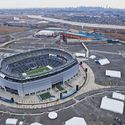
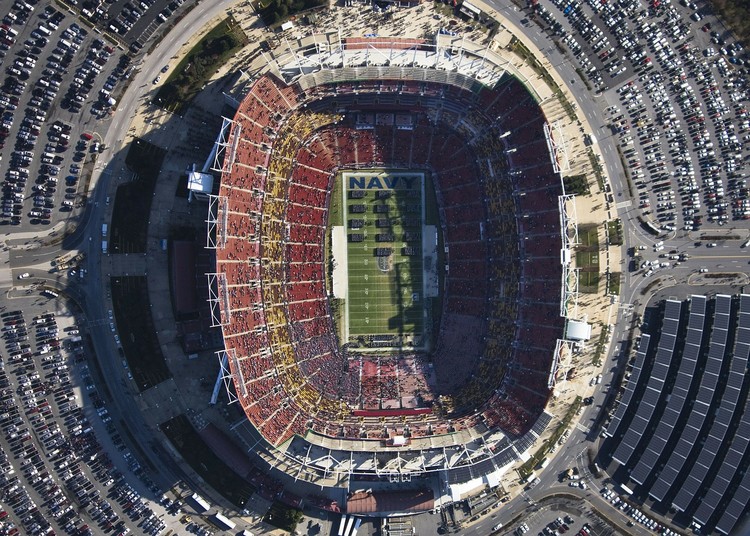
I hope you have caught your breath after this year’s FIFA World Cup. France’s win in Moscow’s Luzhniki Stadium marked the end of an era; the last World Cup with a classic format. After the 2022 Winter tournament in Qatar, the competition will be expanded to 48 teams (rather than the current 32).

The Stadiums That Could Host the 2026 World Cup Bid in the US, Canada, and Mexico - Image 1 of 4The Stadiums That Could Host the 2026 World Cup Bid in the US, Canada, and Mexico - Image 2 of 4The Stadiums That Could Host the 2026 World Cup Bid in the US, Canada, and Mexico - Image 3 of 4The Stadiums That Could Host the 2026 World Cup Bid in the US, Canada, and Mexico - Image 4 of 4The Stadiums That Could Host the 2026 World Cup Bid in the US, Canada, and Mexico - More Images+ 22

Infographic: Iconic Olympic Buildings

Subscriber Access | 
Infographic: Iconic Olympic Buildings - Featured Image

The London 2012 Olympics start today, and once again architecture is on the spotlight. With a big focus on reusable and adaptable structures, the lineup includes renowned architecture firms such as Wilkinson Eyre Architects, Hopkins Architects, Populous and Zaha Hadid Architects.

On this infographic we introduce you the iconic buildings of the Olympics since 776 B.C. until today! Follow our London 2012 Olympics coverage in its dedicated page.