1. ArchDaily
  2. ritual

ritual: The Latest Architecture and News

When Architecture Moves: Kinetic Design and the Rituals of Space

Subscriber Access | 

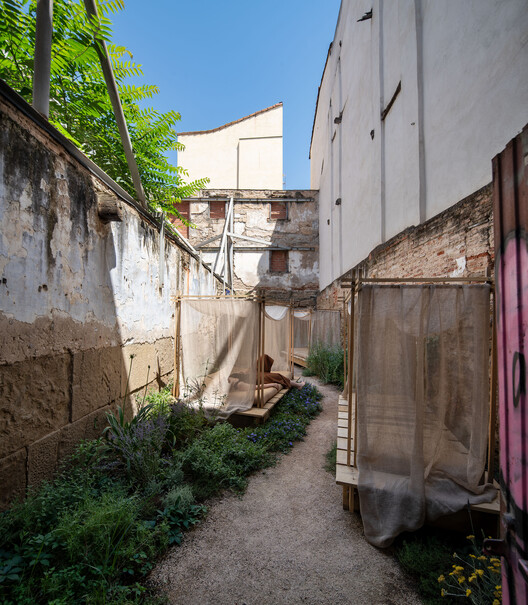
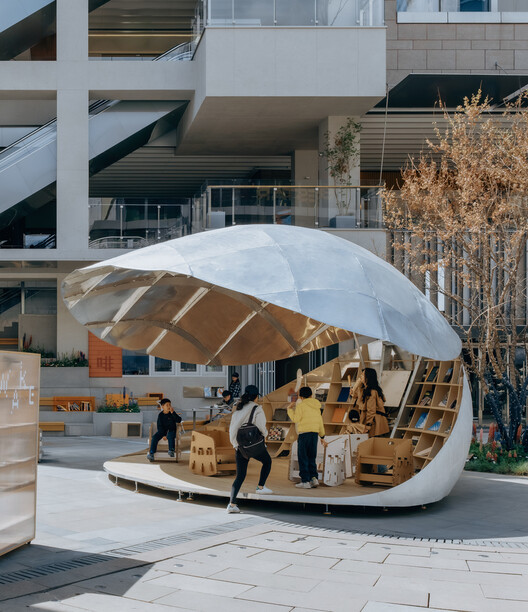
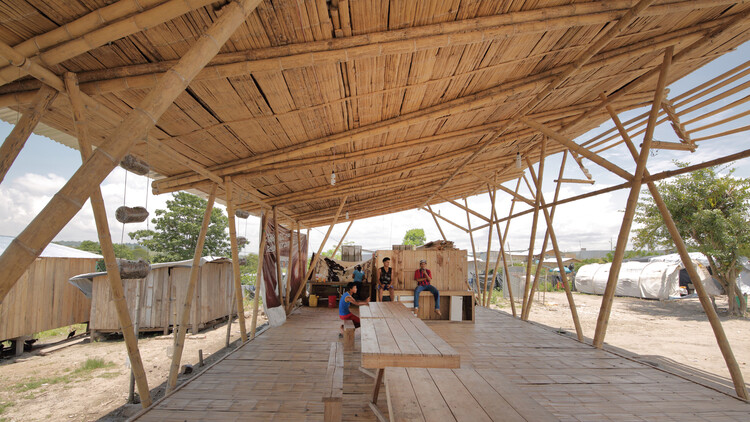
For centuries, architecture has been defined by unmoving permanence. A building is assumed to be fixed, its walls and foundation immobile in space. A growing number of architects are now challenging this assumption by incorporating movement into the very fabric and tectonic structures of buildings.

When roofs hinge, walls slide, and entire structures respond to their occupants, something remarkable happens: the architectural spaces become an active component of daily rituals. These moments of opening, closing, shifting, and translating spaces ground buildings in the present moment and demand active engagement from users. The architecture becomes less of an object or a monument and more of a choreography of participation.

When Architecture Moves: Kinetic Design and the Rituals of Space - Image 1 of 4When Architecture Moves: Kinetic Design and the Rituals of Space - Image 2 of 4When Architecture Moves: Kinetic Design and the Rituals of Space - Image 3 of 4When Architecture Moves: Kinetic Design and the Rituals of Space - Image 4 of 4When Architecture Moves: Kinetic Design and the Rituals of Space - More Images+ 36

The Kitchen as a Social Space: Everyday Rituals and the Making of Place

Can architecture be built from food? Between the fire that warms, the smells that spread, and the bodies that gather around the table, the apparent banality of cooking and eating reveals itself as a choreographed dance of spatial appropriation and belonging. These gestures organize routines, produce bonds, and transform the built environment into lived place. The kitchen—domestic, communal, or urban—thus ceases to be merely a functional space and affirms itself as a territory of encounter.

The Kitchen as a Social Space: Everyday Rituals and the Making of Place - Image 1 of 4The Kitchen as a Social Space: Everyday Rituals and the Making of Place - Image 2 of 4The Kitchen as a Social Space: Everyday Rituals and the Making of Place - Image 3 of 4The Kitchen as a Social Space: Everyday Rituals and the Making of Place - Image 4 of 4The Kitchen as a Social Space: Everyday Rituals and the Making of Place - More Images+ 8

Village in the Vertical City: Tai Hang and the Afterlife of Vernacular Hong Kong

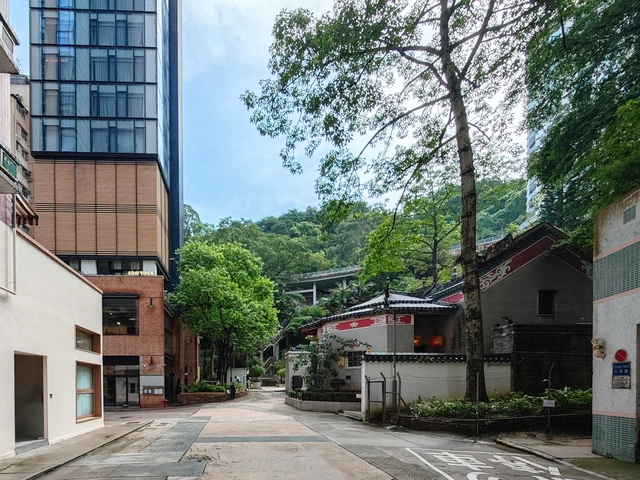
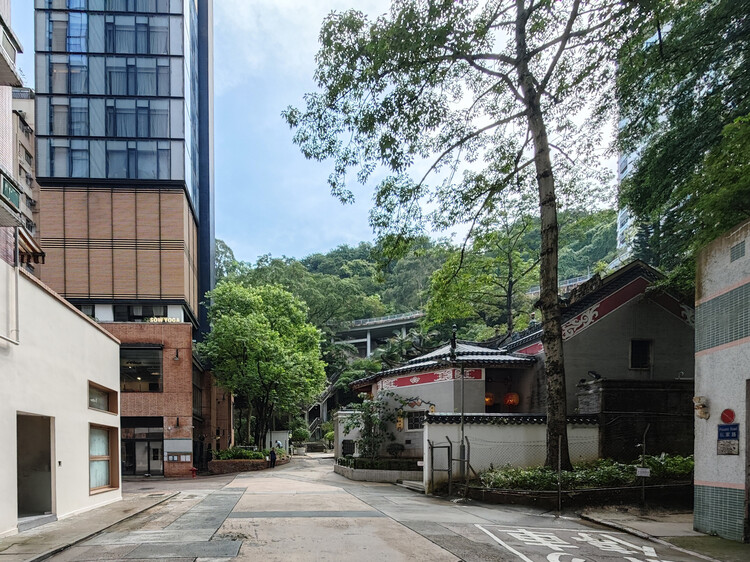
Vernacular architecture in Hong Kong originated as a series of small, coastal settlements—simple, village-like communities that reflected the city's early identity as a fishing hub. These seaside villages were typically composed of low-rise, timber-framed houses clustered around temples, forming tight-knit communities closely tied to the rhythms of the water.

One notable example is Tai Hang, among the earlier settlements established by the Hakka people in Hong Kong. Originally located along a water channel that flowed from the nearby mountains to the sea, the area was once a vital washing site for villagers—hence its name, which literally means "Big Drainage." Before extensive land reclamation, Tai Hang sat quite close to the shoreline. Today, it lies nearly 700 meters inland.

Village in the Vertical City: Tai Hang and the Afterlife of Vernacular Hong Kong - Image 1 of 4Village in the Vertical City: Tai Hang and the Afterlife of Vernacular Hong Kong - Image 2 of 4Village in the Vertical City: Tai Hang and the Afterlife of Vernacular Hong Kong - Image 3 of 4Village in the Vertical City: Tai Hang and the Afterlife of Vernacular Hong Kong - Image 4 of 4Village in the Vertical City: Tai Hang and the Afterlife of Vernacular Hong Kong - More Images+ 11

Rooted in Tradition, Nature, and Community: Wellness and Healing Spaces from the North to the South Africa

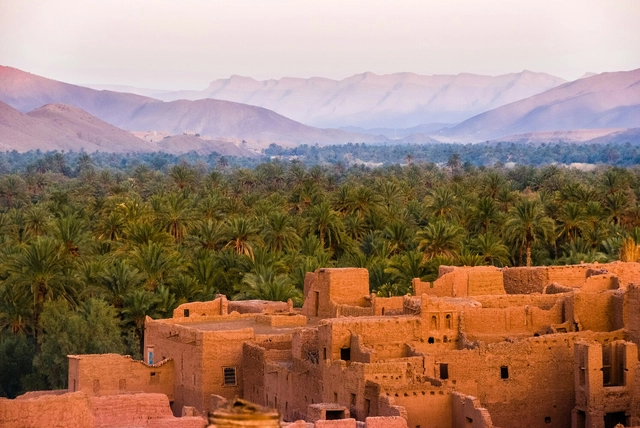
Wellness and healing spaces are shaped by cultural traditions, geographical contexts, and social structures. Across the world, certain practices have been deeply rooted for centuries, like Roman baths, Turkish hammams, and Japanese onsens, while others evolve by drawing inspiration from rituals or redefining their own concept and image of a healing environment. Europe, North America, and Oceania are characterized by a focus on personal journeys, self-care, and often luxurious wellness spaces. Asia shapes the prevailing global perception of wellness through meditation-based healing, inner reflection, and holistic retreats. In Africa, wellness is deeply rooted in ancestral traditions, integrated with nature, and centered around community and social interaction. The commonality worldwide lies in sensory engagement, relaxation, and holistic healing, often tied to nature. But what does wellness look like in Africa? What are the healing spaces that shape it, and what architectural languages define wellness from north to south?

Rooted in Tradition, Nature, and Community: Wellness and Healing Spaces from the North to the South Africa - Image 1 of 4Rooted in Tradition, Nature, and Community: Wellness and Healing Spaces from the North to the South Africa - Image 2 of 4Rooted in Tradition, Nature, and Community: Wellness and Healing Spaces from the North to the South Africa - Image 3 of 4Rooted in Tradition, Nature, and Community: Wellness and Healing Spaces from the North to the South Africa - Image 4 of 4Rooted in Tradition, Nature, and Community: Wellness and Healing Spaces from the North to the South Africa - More Images+ 2

Daily Rituals: Home Spaces for Praying and Spiritual Connection

Subscriber Access | 

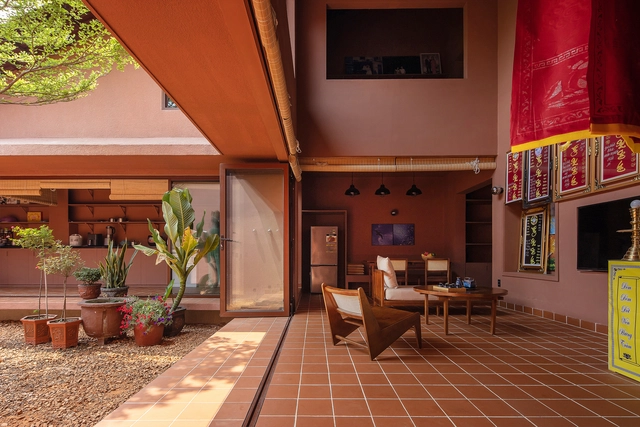
A home is a sacred realm, a place that embraces and honors a variety of emotions and sensations. As Gaston Bachelard asserts, it serves as our refuge in the world, our initial universe, a true cosmos in every sense of the term. Its intricate symbolism transcends mere functional aspects like room count or bathroom size. Entire universes find their place within its walls.

Daily Rituals: Home Spaces for Praying and Spiritual Connection - Image 1 of 4Daily Rituals: Home Spaces for Praying and Spiritual Connection - Image 2 of 4Daily Rituals: Home Spaces for Praying and Spiritual Connection - Image 3 of 4Daily Rituals: Home Spaces for Praying and Spiritual Connection - Image 4 of 4Daily Rituals: Home Spaces for Praying and Spiritual Connection - More Images+ 9

The Eternal Ephemeral Architecture of Shikinen Sengu: The Japanese Temple Rebuilt Every 20 Years

Subscriber Access | 

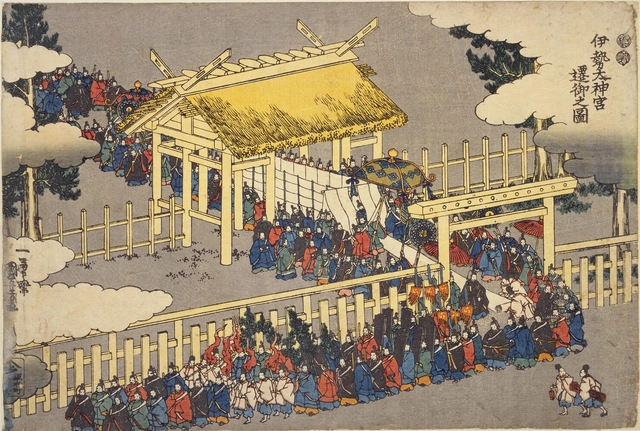
The conception of architecture, understood since modernity, emphasizes permanence. The durability of tectonic construction can be manifested in various ways. However, what does it mean to associate architecture with ephemerality? And what happens when the idea of permanence is connected to transience? The Shikinen Sengu ceremony in Japan may help provide answers to these questions.

The Eternal Ephemeral Architecture of Shikinen Sengu: The Japanese Temple Rebuilt Every 20 Years - Image 1 of 4The Eternal Ephemeral Architecture of Shikinen Sengu: The Japanese Temple Rebuilt Every 20 Years - Image 2 of 4The Eternal Ephemeral Architecture of Shikinen Sengu: The Japanese Temple Rebuilt Every 20 Years - Image 3 of 4The Eternal Ephemeral Architecture of Shikinen Sengu: The Japanese Temple Rebuilt Every 20 Years - Image 4 of 4The Eternal Ephemeral Architecture of Shikinen Sengu: The Japanese Temple Rebuilt Every 20 Years - More Images+ 3

Massive River Development Plan Hopes to Rejuvenate India's Relationship to the Ganges

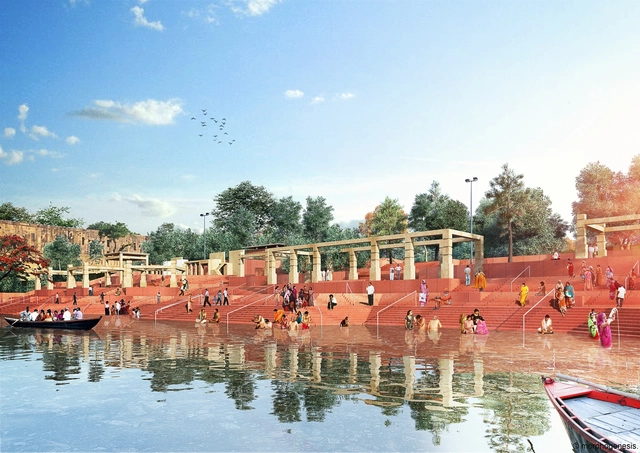
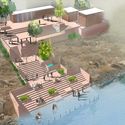
Delhi-based firm Morphogenesis has recently unveiled a proposal for a project that will rehabilitate and develop the ghats (a flight of steps leading down to a river) and crematoriums along a 210-kilometer stretch of the Ganges, India’s longest river. The project, titled “A River in Need,” is part of the larger National Mission of Clean Ganga (NMCG), an undertaking of the Indian Government’s Ministry of Water Resources which was formed in 2011 with twin objectives: to ensure effective abatement of the river’s pollution and to conserve and rejuvenate it.

Massive River Development Plan Hopes to Rejuvenate India's Relationship to the Ganges - Image 4 of 4Massive River Development Plan Hopes to Rejuvenate India's Relationship to the Ganges - Image 9 of 4Massive River Development Plan Hopes to Rejuvenate India's Relationship to the Ganges - Image 18 of 4Massive River Development Plan Hopes to Rejuvenate India's Relationship to the Ganges - Image 20 of 4Massive River Development Plan Hopes to Rejuvenate India's Relationship to the Ganges - More Images+ 18