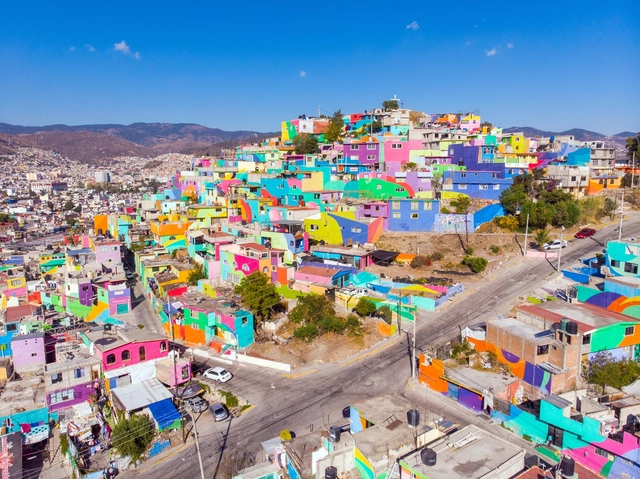
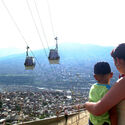
In the perception of many, the favela embodies contradictory and opposed representations. For those outside its boundaries, the favela is frequently associated with crime, poverty, or illness. Yet, it is also regarded as the aesthetic embodiment of a nation, serving as the birthplace of culturally renowned elements worldwide, such as samba in the case of Brazil.
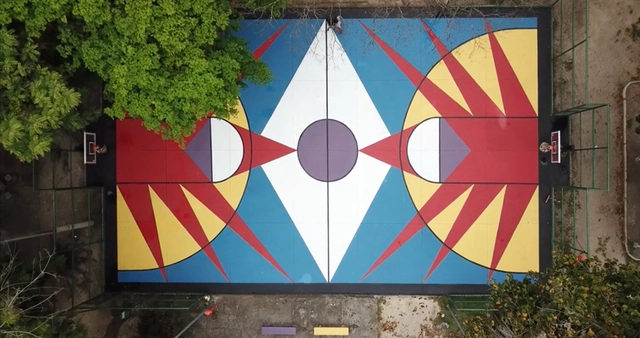
How do we give new meaning to degraded public spaces? Vibrant colors, geometric patterns, and community collaboration. That could describe the approach of Rio de Janeiro artist Antonio Ton. Drawing inspiration from interactions he finds on the streets and engaging in dialogue with local communities, his works extend beyond revitalizing sports courts and skate parks. Ton demonstrates how art fosters the creation of a space for gathering and leisure. We spoke with him to delve into his artistic process and explore the outcomes his paintings offer.
The relocation of a capital city is a complex urban decision with various dimensions and consequences for both the old and new capital. It can be driven by political, economic, societal, and other factors, and has urban and architectural implications for residents. These include factors such as location, planning, building design, the purpose of the old capital, climatic conditions, and separating the political/administrative hubs from cultural and economic cities.
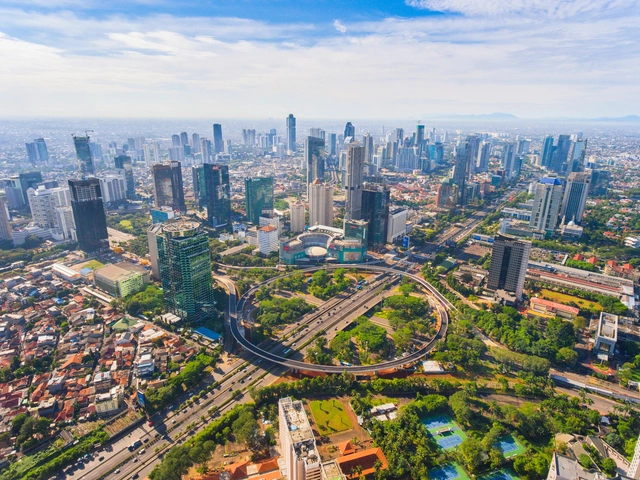
In light of the ongoing urban discourse, countries like Egypt are constructing a new capital city to alleviate population and urban stress on Cairo. Similarly, Indonesia is planning a new capital in response to challenges faced by Jakarta, such as pollution, traffic congestion, and rising sea levels. It is valuable to examine other countries in the global south that have relocated their capital cities, noting the architectural and urban lessons learned from their experiences.
Cities are not just inert landscapes or lifeless settings; they play active and significant roles in shaping numerous television narratives. Whether in series or soap operas, urban environments play a fundamental role not only as the backdrop where plots unfold but also in shaping the developments of storylines, their creations, guidelines, and contexts. While, on the one hand, cities and their urban cultures contribute to the composition of various small screen plots, on the other hand, television programs can also help shape a certain idealized imagination about these urban spaces, generating unrealistic expectations and perpetuating a series of stereotypes about the represented cities.
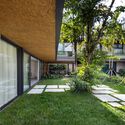
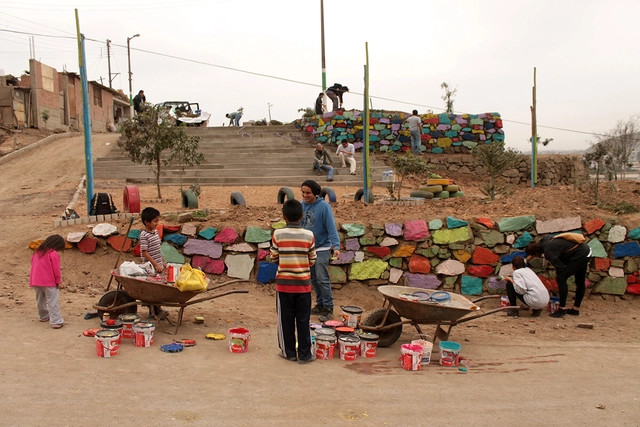
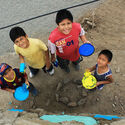
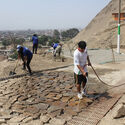
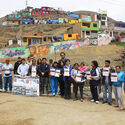
The research project that impressed the jury aims to explore the impact of highly successful informal settlement improvement initiatives implemented in various Latin American countries. Its primary objective is to uncover valuable design insights related to social and environmental sustainability. The research is founded on the recognition that Latin America is the most urbanized region globally, with approximately 80% of its population residing in cities. Nevertheless, nearly 15% of this urban population resides in informal settlements marked by inadequate infrastructure and a diminished quality of life. Various improvement programs have been implemented, and the active involvement of citizens has been a crucial factor in enhancing their effectiveness.
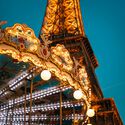
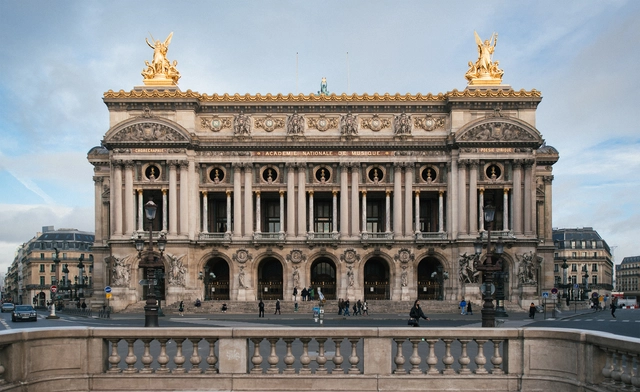
Paris Opera by Charles Garnier. Photo by Francesco Zivoli, via Unsplash
Architectural styles have fallen out of favor throughout history. Generally, the peak of one movement means the decline of another. Over time, the situation may reverse, as in the case of postmodernism, which has divided opinions since its emergence, but experienced a revival in the first decades of the 2000s (or maybe not). Temporal distance contributes to the revision of certain styles' relevance and evaluation of their qualities - or problems.
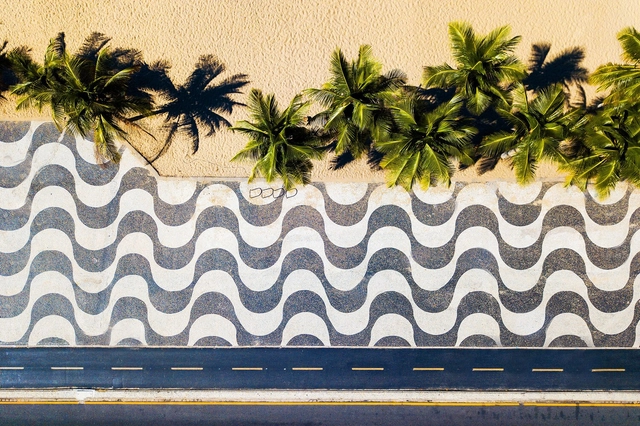
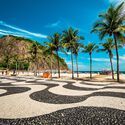
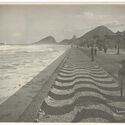
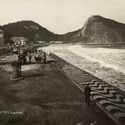
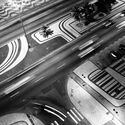
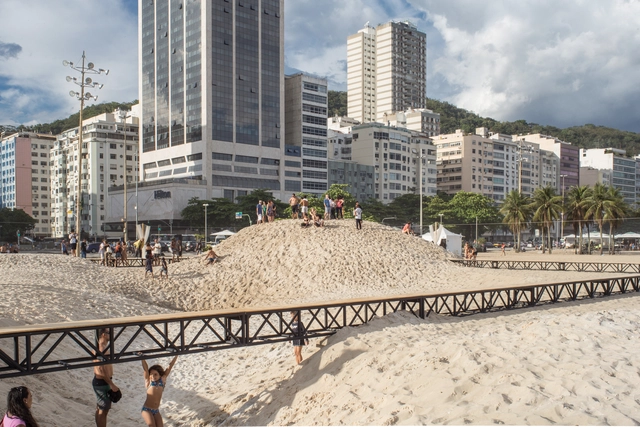
The Copacabanacalçada (Copacabana sidewalk) is one of the greatest symbols in the stunning landscape of Rio de Janeiro. What not everyone knows is that its history (and design) precedes the intervention of Roberto Burle Marx in the 1970s. The origin of the design, as well as its stones, is Portuguese.
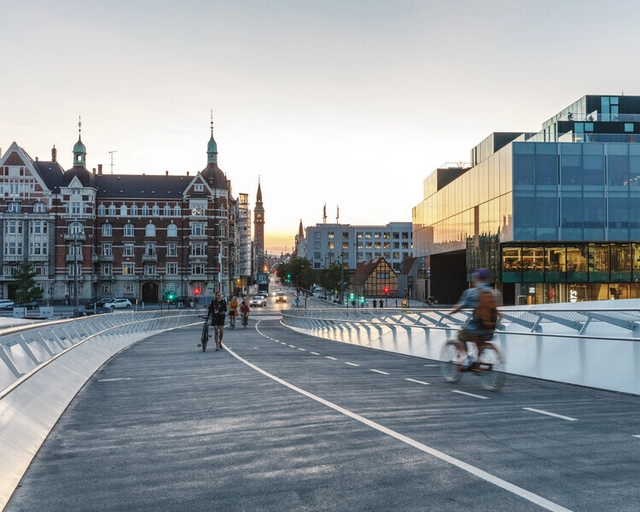
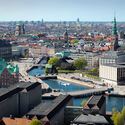
Denmark has continually topped the survey for the happiest countries, according to the World Happiness Report. For urban designers, Copenhagen, the capital of Denmark, has become one of the most cited case studies regarding carbon-neutral infrastructure, pedestrian and bike-friendliness, and the outstanding qualities of its public realm. According to the Dansk Arkitektur Center, over 10,000 architects are expected to visit Copenhagen in the following year, to join the guided tours, exhibitions, debates, and cultural events that put design and architecture in the spotlight.
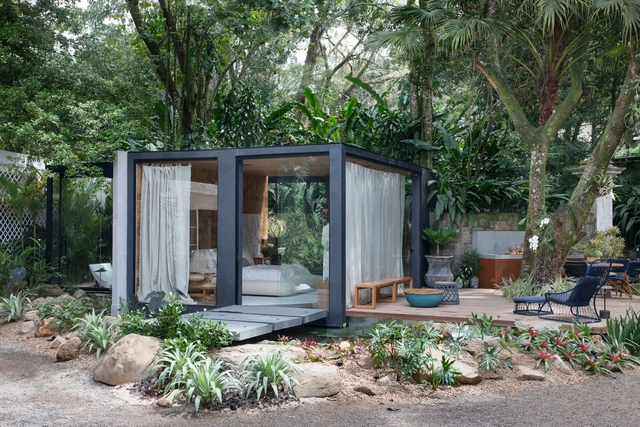
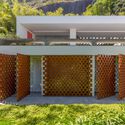
In the midst of programmatic diversity and experimentation, the Rio de Janeiro office gru.a is an encouragement to those who wish to venture into the expanded field of architecture. Formed by partners Caio Calafate and Pedro Varella in 2013, gru.a demonstrates the potential of the profession when it dialogues with other disciplines.