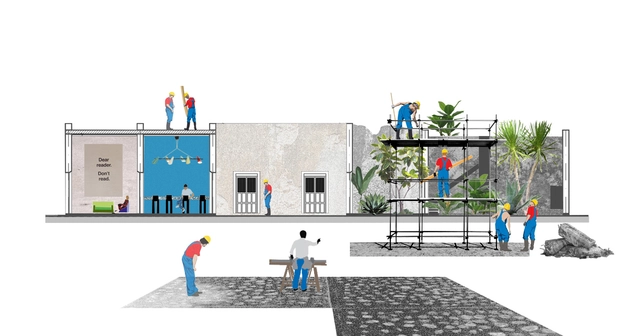
In his book The Right to the City (1968), Henri Lefebvre talks about ending the creation of spaces managed by the logic of profit, to launch a plan of "self-managed territory" that does not leave aside the "historical heritage," nor allow the decomposition of space, but instead works for the restitution of urban centers as places of creation.
Globalization has produced cities without limits whose focus has been on the immediate benefit, directly attacking the preservation of cultural heritage, among other things.
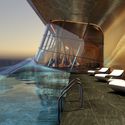
Zaha Hadid Architects have released images of their proposed redevelopment of the historic Mercury House, situated in the tourism and entertainment center of Paceville on Malta’s east coast. An extensive renovation to the existing structure will see the integration of residential apartments, a boutique hotel, and a range of public spaces and amenities.
The boldest addition to the derelict heritage site will be a 31-story tower, rotating as it rises in response to different functional programs. The resulting form seeks to instill “a sense of dynamism within its silhouette that changes when viewed from different directions around Paceville."
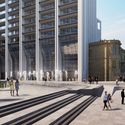
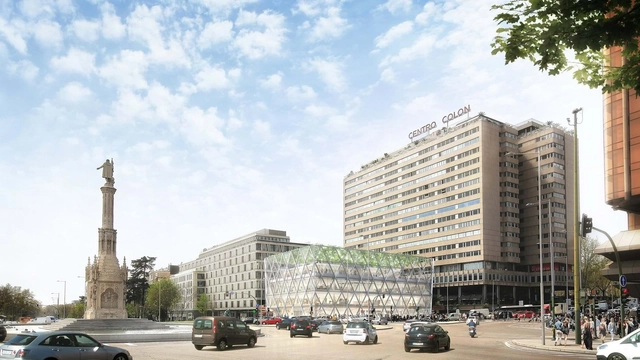
Foster + Partners has released details of their proposed comprehensive refurbishment of the Plaza Colón building in Madrid. Located at a historically significant site in Madrid, the scheme will see the transformation and revitalization of the existing structure to “create a new iconic landmark.”
Located at the junction of Madrid’s main north-south and east-west arteries, the building occupies one of the most important intersections in Madrid and forms a key part of the city’s long-term urban vision. The building also faces the bustling Plaza de Colón, one of the largest public spaces in Madrid, while linking three distinct districts containing luxury shopping, finance, art, and historic tradition.
https://www.archdaily.com/896786/foster-plus-partners-reveal-proposal-for-refurbished-axis-of-madridNiall Patrick Walsh
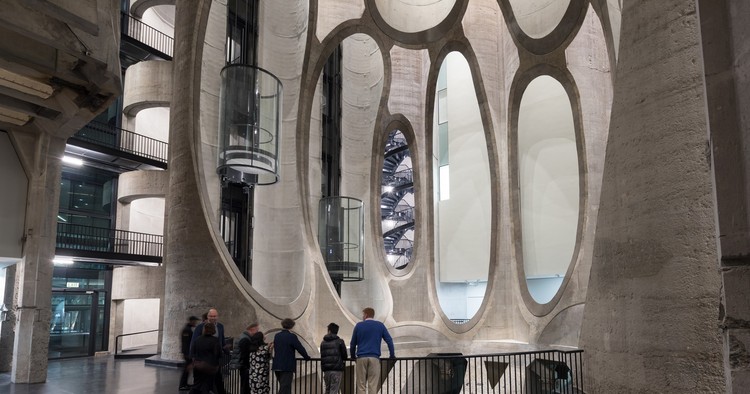
The Zeitz Museum of Contemporary Art Africa—or Zeitz MOCAA for short—recently received first place in ArchDaily's Refurbishment in Architecture awards, with its striking design transforming a formerly derelict industrial building into an iconic landmark in South Africa’s oldest working harbor. Developed by the V&A Waterfront in Cape Town and designed by Heatherwick Studio, the mixed-use project is now “the world’s largest museum dedicated to contemporary art from Africa and its diaspora.” To celebrate the award, we sat down with group leader Matthew Cash to discuss the challenges faced during the project, its cultural importance to Africa, and the practice’s interest in refurbishment as a whole.
MVRDV has unveiled its vision for transforming the Communist-era “Tirana Pyramid” in Albania into a center for technology, art, and culture. Under the plans, the abandoned structure will be revitalized as a multifunctional technology education center for Tirana’s youth, with the existing dark interior becoming open, bright, and green.
The Tirana Pyramid was opened in 1988 as the Enver Hoxta Museum, designed in honor of Albania’s former communist leader. Since then, the building has transitioned into a NATO base during the Balkan Wars, a nightclub, and an event space. Though now in decay, the building remains a popular spot for young people keen to climb on its roof. As a nod to this unique appropriation, MVRDV has made the roof officially available for all visitors.
https://www.archdaily.com/894779/mvrdv-to-transform-communist-era-pyramid-into-center-for-art-and-technology-in-albaniaNiall Patrick Walsh
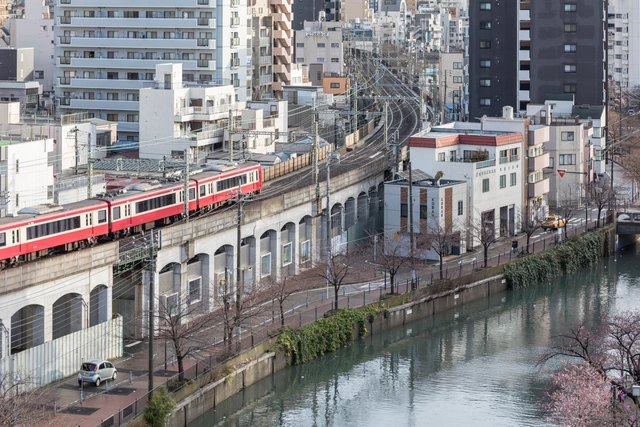
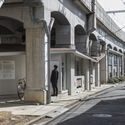
A +100 meter stretch of land beneath a train overpass in Koganecho, a district of Yokohama, Japan, underwent a progressive refurbishment in which seven different types of community space, each designed by a different architect, were built within a pre-set spatial grid. Historically there were many social issues in the area, largely in relation to its profitable but dangerous black market and red-light district. Once the illegal activity was eradicated in 2005, the underpass presented a great opportunity for social re-development, and the resultant project - the Koganecho Centre - emphasized an age-old Japanese cultural commitment, where what was once broken is used to make something new.
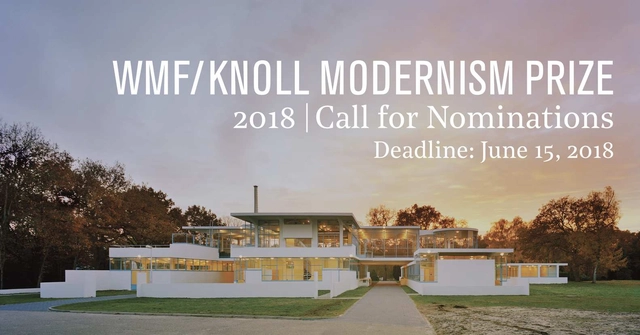
Nominations are now open for the 2018 World Monuments Fund/Knoll Modernism Prize. Celebrating its tenth anniversary, the prize recognizes architects or designers that have demonstrated innovative solutions to preserve or save threatened modern architecture.
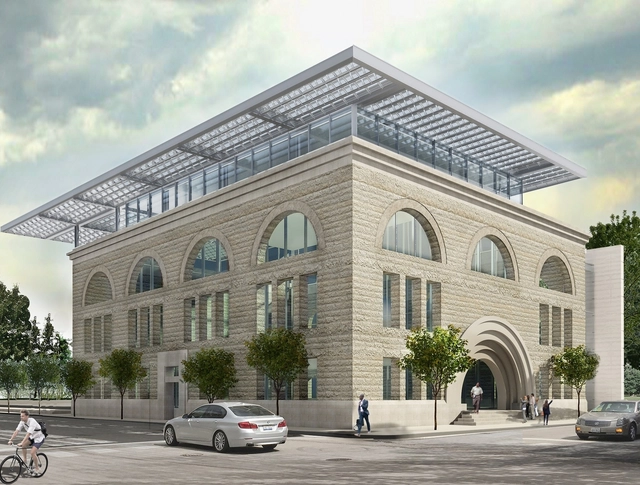
When architects were asked to re-imagine Chicago’s neglected buildings for an exhibition, Dirk Lohan designed a revitalization plan for Louis Sullivan'sPilgrim Baptist Church. Soon Sullivan’s landmark building will become the nation’s first National Museum of Gospel Music, complete with a cafe, retail store, event space, research and listening library, and a 350-seat auditorium.
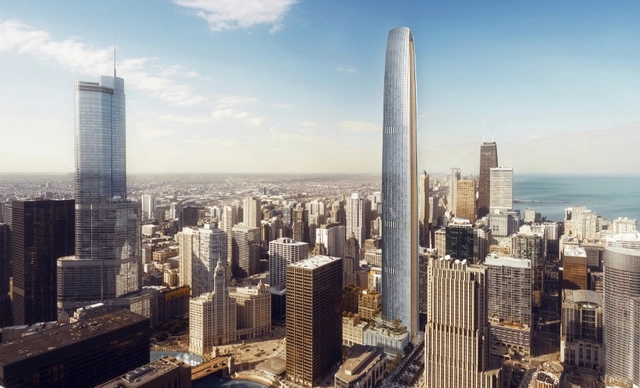
The Chicago Tribune Tower is at the center of a $1 billion development seeking to bring over 700 residential units to the city center. Developers CIM and Golub have unveiled a proposal which would see the redevelopment of the neo-Gothic tower into 163 condominiums, and the construction of a tapering skyscraper only 30 feet shorter than the Willis Tower, Chicago’s tallest building.
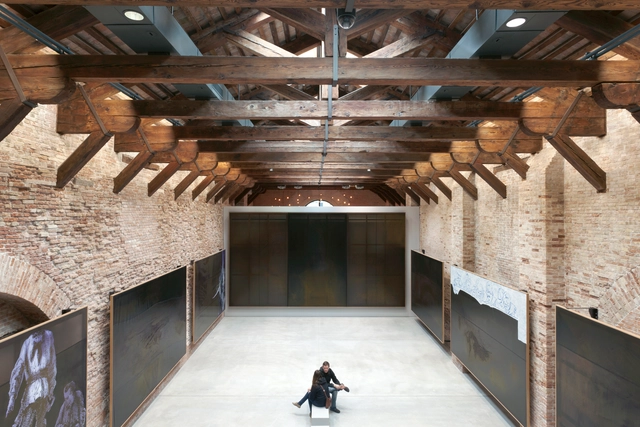
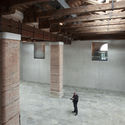
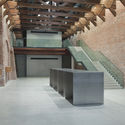
At the meeting point of the Grand Canal and the Giudecca Canal in Venice is a triangular plot of land, the Punta Della Dogana. On the site sits a long, low-slung 17th-century structure punctuated at its tip by a squat tower topped with an ornamental green and gold weather vane representing fortune. This former customs house of Venice, the Dogana da Mar, was purchased in 2007 by François Pinault with the intention of converting the structure into an art museum, a task he entrusted to Tadao Ando.
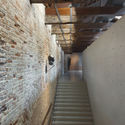
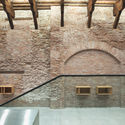
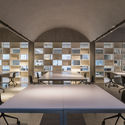
While the Japanese architect may not have been the obvious choice to work with a historic Italian building, Ando's solution combined a total respect for the existing building with the sharp minimalism for which he is known. Stripping back centuries of additions, the building was largely restored to its original structure. At the heart of the building's deep plan, a pure concrete volume hints at the architect of the restoration, serving to organize the spaces around it. In 2013, the building was photographed by Luca Girardini on the occasion of the exhibition "Elogio del dubbio."







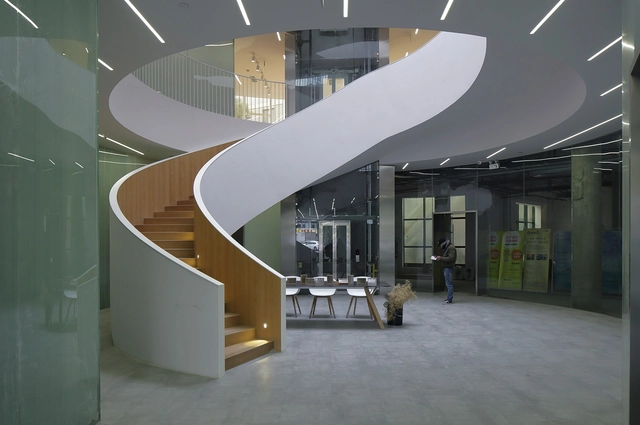


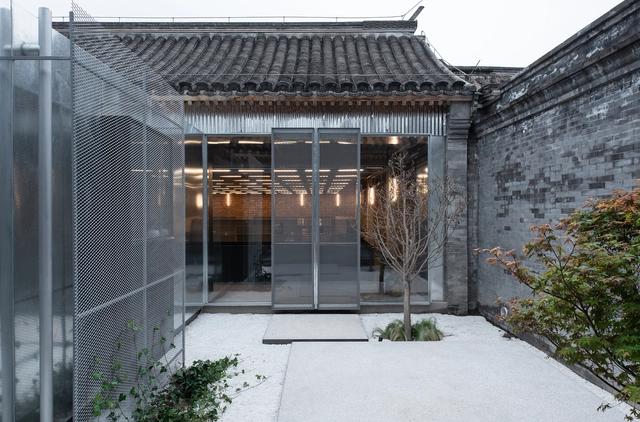





.jpg?1527838125 "Atrium. Image © Schran Image")



_MVRDV.jpg?1526659703)
_MVRDV.jpg?1526659742 "Courtesy of MVRDV")
_Gent_Onuzi.jpg?1526659725 "© Gent Onuzi")
_MVRDV.jpg?1526659753 "Courtesy of MVRDV")
_MVRDV.jpg?1526659703 "Courtesy of MVRDV")
_MVRDV.jpg?1526661234)