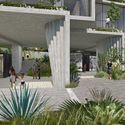
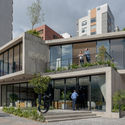
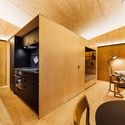
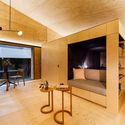
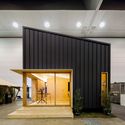
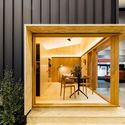
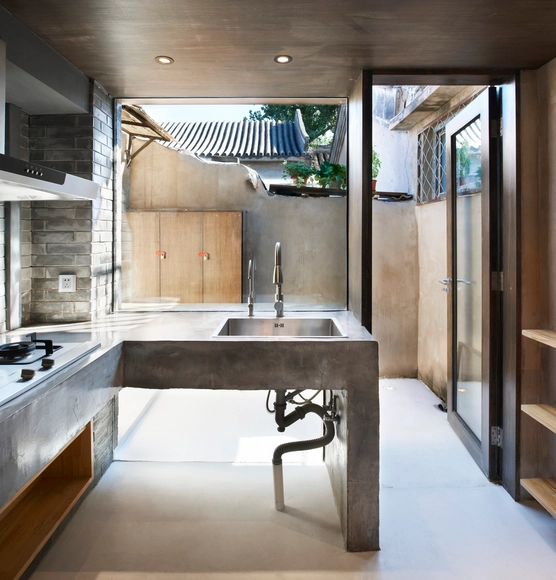
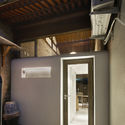
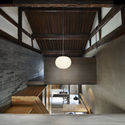
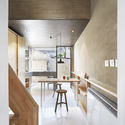
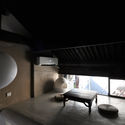
The regional expressions of a country’s culture are vital in helping us understand the relation between context and specific conditions of social manifestations. These nuances and singularities inside the realm of construction are translated into what can be called vernacular architecture. Although it has always existed, this universe of local exemplars of architecture with their particular materials, techniques and regional constructive solutions came to be well studied in the second half of the twentieth century in Brazil, in a project that traced national architecture history, headed by Lucio Costa.
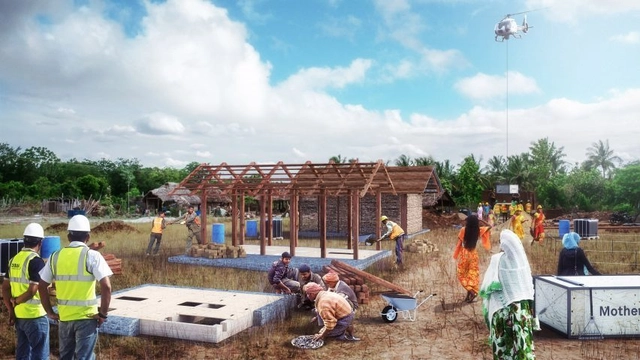
Livingboard. Image Courtesy of Carlo Ratti Associati
Architecture practice Carlo Ratti Associati has designed a low-cost prefabricated housing system for Indian non-profit WeRise. The new "Livingboard" system was made so that homeowners can build any structure they like on top of it. Made as a pilot project to encourage rural housing development, the system is being tested in a village outside Bangalore. As a portable "motherboard", the design provides homeowners prefabricated and flat-packed elements like waste management and water treatment systems.
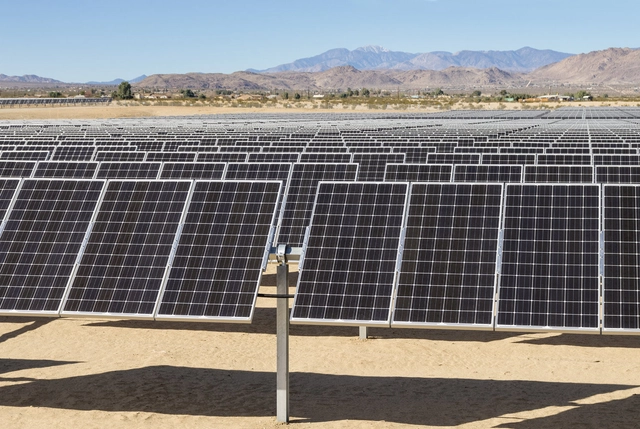
The California Building Standards Commission has approved a new rule starting in 2020 that requires all new homes built in the state to include solar panels. As the first of its kind in the United States, the new rule includes an incentive for homeowners to add a high-capacity battery to their electrical system. The move hopes to help meet the state's goal of sharply reducing greenhouse gas emissions while drawing all electricity from renewable energy sources.
Half a century after the new suburban tract home was the dream of many a young American family, refurbished properties are gaining in popularity. This trend extends beyond North America, with exciting renovations of existing structures popping up all over the world, from Belgium to Kenya to China. The attraction to this typology likely lies in its multiplicity; renovations are both new and old, historic and forward-looking, generative and sustainable.
Nowhere is this trend more visible and popular than in housing, where the transformation is often led by the owners themselves. Loosely grouped under terms like “fixer-upper” and “adaptive reuse,” these projects begin with just the structural skeletons and the building’s history. At the personal scale, renovation/refurbishment is an opportunity to bring a part of yourself to your home - but do these small projects together have the potential to turn around a housing crisis?
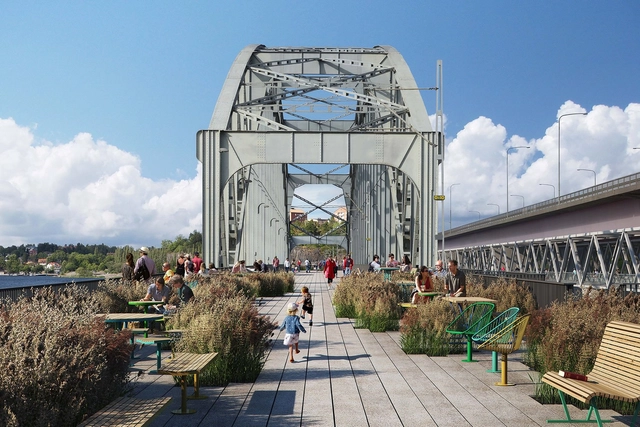
Public park on top of the Gamla Lidingöbron. Image Courtesy of Urban Nouveau
Swedish studio Urban Nouveau created a plan to save Stockholm's Gamla Lidingöbron bridge by transforming it into a linear park and housing. After launching a petition to save the bridge and re-purpose it, ArchDaily followed up with Sara Göransson, founding partner at Urban Nouveau, to ask her about her background and how the studio approaches social integration, housing and the future of urban infrastructure.
HOUSING: WHAT’S NEXT? FROM THINKING THE UNIT TO BUILDING THE CITY
During the twentieth century the world population increased at a higher rate than at any other period in time, from around 1.5 billion people in 1900 to nearly 7 billion today. Facing these figures, it is impossible not to think about what we have done to accommodate this population, or rather, what all these people have done to obtain housing. Figures indicate that although we have been able to build large quantities of houses, and have begun to cover the quantitative deficit, today the great challenge is to improve the quality of the existing housing stock. At a time in which this effervescent population growth persists–particularly in the geographical regions of the Global South and in emerging economies–the question is how do we change the paradigm and start thinking about housing in relation to the quality of the urban fabric to build better cities.
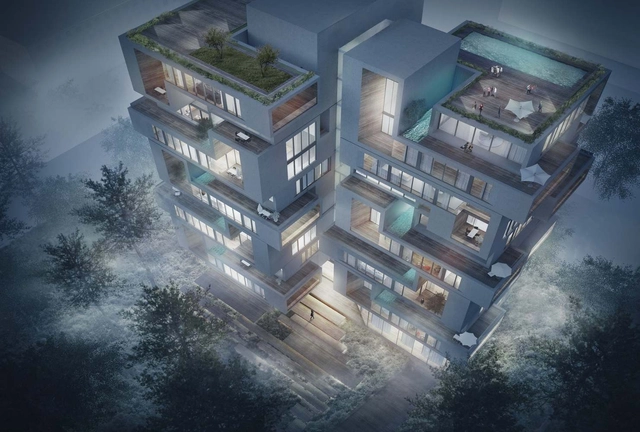
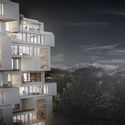
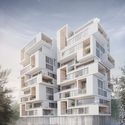
In the age of skyscrapers, the immediate solution to housing is to build up and duplicate single units in the plan. In contrast, the Zafereniah Tower designed by Challenge Studio, project laureate of the recent 2018 Architizer A+ Award, proposed a conceptual endeavor as a prototype for mid-rise, multi-unit housing.
The Tehran-based firm won both the Jury and Popular Choice Awards for their response to the prompt for a design that "champion[s] its potential for a positive impact on everyday life."
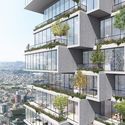
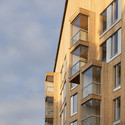
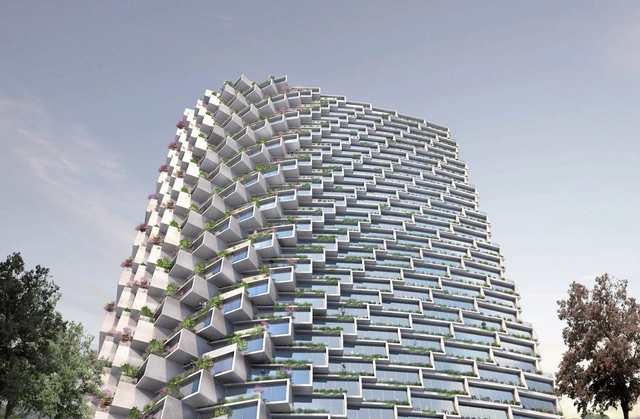
Soon to become the tallest building in Quito, IQON is Bjarke Ingels Group's first project to be built in South America. Currently undergoing construction, the largely residential building is a curved tower with gradually protruding balconies. Encased between the dense city and the park, the self-dubbed "urban tree farm" aims not only to encompass the surrounding views of the volcanoes and nature beyond but also to integrate the landscape within the building itself.
This article was originally published on March 26, 2014. To read the stories behind other celebrated architecture projects, visit our AD Classics section.
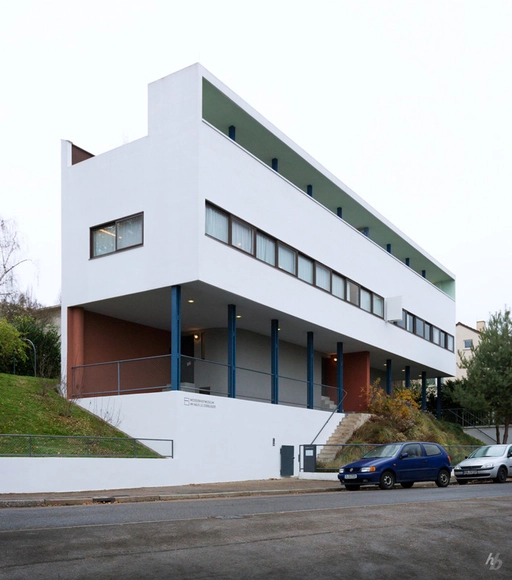
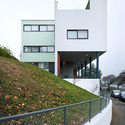
The two-family structure known as Houses 14 and 15, designed by International Style, Le Corbusier's work in Stuttgart serves as a critical prototype in the development and realization of the Swiss architect’s architectural identity, which would revolutionize 20th century architecture.
2017 Rudy Bruner Award Medalists (Photo Credits on RBA Website)
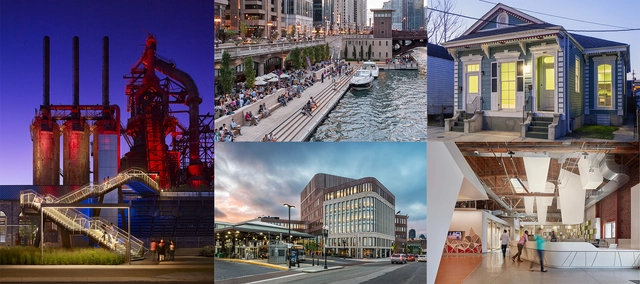
The Rudy Bruner Award for Urban Excellence (RBA) is an urban design award that seeks to promote innovative thinking about the built environment and advance conversation about making cities better. The award discovers and celebrates urban places in the United States that are distinguished by quality design along with their social and economic contributions to American cities.
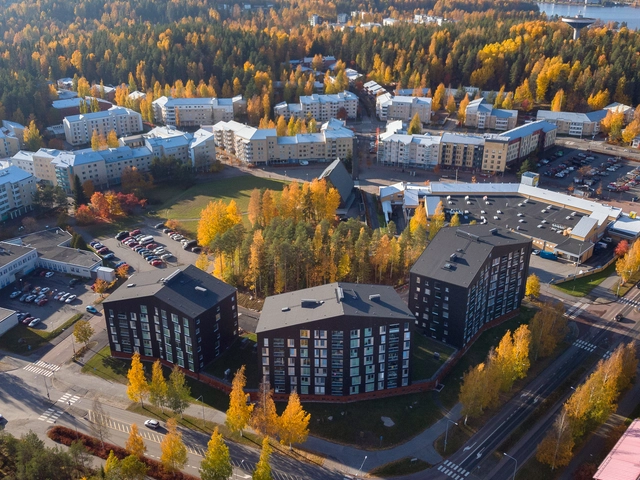
OOPEAA, working in collaboration with Lundén Architecture Company, has won a design and build competition for a timber housing development in Kivistö, Vantaa in the Helsinki metropolitan area of Finland. Organized by the City of Vantaa, the competition asked entrants to design a district of wooden housing, part of a commitment “to provide climate-conscious development in housing.”
Titled “Upstairs – Downstairs, Living Together on Three Levels,” the OOPEAA and Lundén scheme will form part of the broader sustainable district, creating a link between natural forest, active streets, and railway infrastructure.
https://www.archdaily.com/902353/oopeaa-plus-lunden-architecture-company-design-charred-timber-housing-district-in-helsinkiNiall Patrick Walsh
Videos
rise in the city 2018: Pushing the boundaries of design
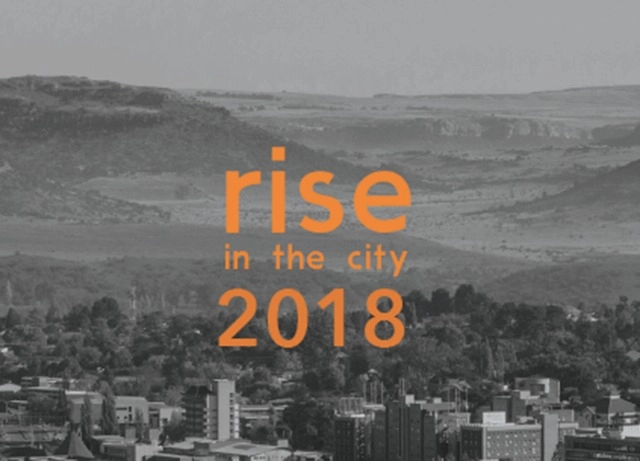
rise in the city is a unique international architecture competition for students and recent graduates worldwide. The challenge is to design affordable and sustainable housing solutions for Africa’s growing population.
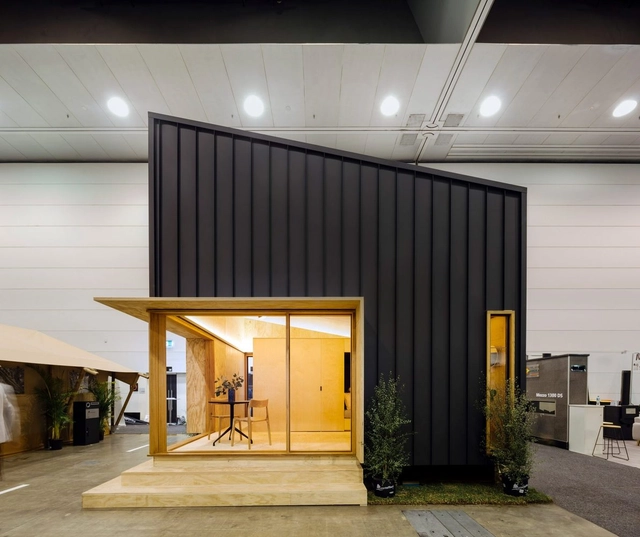
Grimshaw Architects have created a prefabricated tiny house to address Australia's housing crisis. Made to raise money for the not-for-profit organization Kids Under Cover and support homeless youth, The Peak project provides an affordable option for young people priced out of the housing market in Australia's cities. Designed to go completely off grid or integrate with city infrastructure mains, the project was formed around IKEA furniture within a double-height volume. All profits from The Peak support Kids Under Cover in Melbourne and the state of Victoria.













.jpg?1539451458 "Courtesy of Bjarke Ingels Group")